Most people would find it hard to walk away from a check of more than $15 million. Mervin Raudabaugh did exactly that after data center developers offered around $60,000 per acre for his two adjoining farms in Silver Spring Township, Pennsylvania.
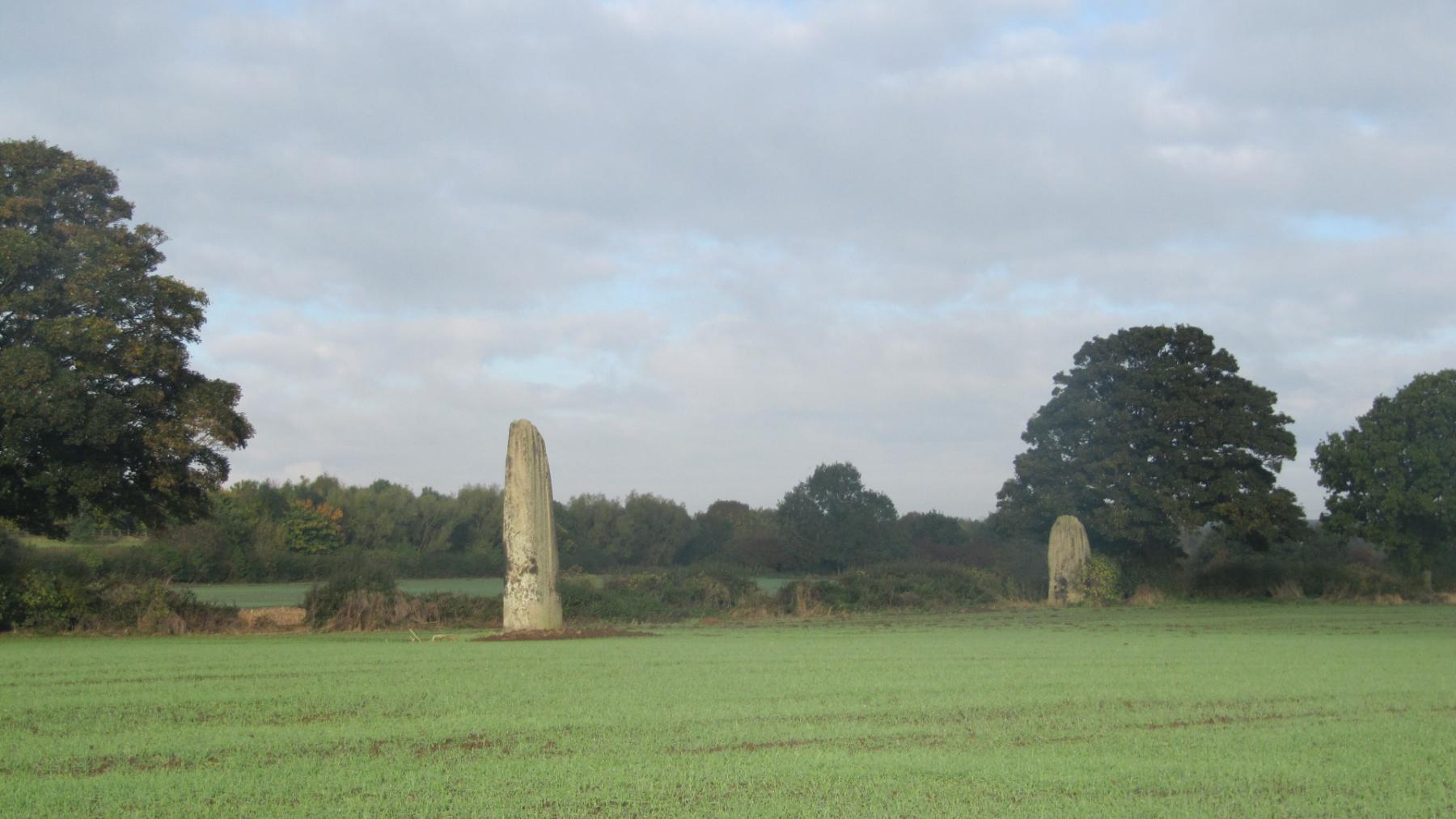
Instead of selling 261 acres for development, the longtime farmer accepted $1.9 million for a conservation easement that keeps the property in agricultural use. The deal preserves working farmland, stream frontage, wildlife habitat, groundwater recharge, and a rural view along Interstate 81.
A $15 million ‘no’
Raudabaugh, who was 86 when the deal was reported, said his answer was never mainly about price. “I was not interested in destroying my farms,” he told local television station FOX43, a blunt line that explains why a life-changing offer could not convince him.
Real estate agents kept calling even after the farms were officially preserved on Dec. 30, 2025. He had milked cows for 51 years, raised beef cattle until 2022, and planned to keep growing corn and soybeans, so to him, the land was not an idle asset waiting for concrete.

Memories in the soil
The land held the hardest and happiest chapters of his family’s life. “My mother died in my arms up there,” he said of the dairy barn, and the same property later became the home where he and his late wife, Anna Mae, raised their children.
As a teenager, he milked cows before school and then spent roughly six decades working the property. The hard work, the ups and downs, and all those memories are not for sale as far as Mr. Raudabaugh is concerned.
What he sold
Raudabaugh did not hand the farm to the township or the land trust. He sold its development rights through a permanent conservation easement while continuing to own the land and retain normal farming privileges.
When the property is sold or inherited, the restriction follows it and the next owner must keep it in agriculture. Essentially, the $1.9 million payment sealed a promise that a future owner cannot replace the fields with a data center, warehouse complex, or residential subdivision.
More than scenery
Lancaster Farmland Trust lists the properties at 102 and 160 acres and says both are used to grow cash crops. The larger farm includes almost 1,200 ft. of stream frontage, while preserving the open ground supports groundwater recharge and water conservation.
One farm also borders an Appalachian Trail parcel owned by the U.S. Department of the Interior. For drivers on Interstate 81, the result is a stretch of fields rather than another industrial block, but the deeper value lies in the soil, water, and habitat that remain protected.
A community made it possible
One person made the decision, but local voters helped make it financially possible. A 2013 Silver Spring Township referendum dedicated part of the earned income tax to farmland, forests, and open space, generating about $1 million a year at an average contribution of $120 per household.
The township paid the full appraised easement value and added a $2,500-per-acre incentive, while Lancaster Farmland Trust took responsibility for holding and enforcing the easement. Raudabaugh still accepted only about one-eighth of what the developers offered, a gap large enough to show both the power and the limits of preservation funding.
Why data centers reach farms
The interest in Raudabaugh’s land did not happen in a vacuum. The U.S. Department of Energy reported that data centers used about 4.4% of the nation’s electricity in 2023 and could account for 6.7% to 12% by 2028, with exponentially growing artificial intelligence applications among the forces accelerating demand.
That growth is pushing utilities and communities to prepare for much larger electric loads. Raudabaugh’s case shows how the boom can reach rural land near major corridors, leaving farm owners to weigh a huge one-time payout against food production, open space, and the future shape of their community.
Wider stakes
Cumberland County said in July 2026 that it had preserved 236 farms covering 25,800 acres since 1989. Its farmland program is designed to keep viable agricultural land in production permanently, which makes the Raudabaugh easement one piece of a much larger local effort.
The deal also offers a practical lesson for other fast-growing communities. Preservation works best before the bulldozers arrive, when voters, public funds, and willing landowners can still choose what the landscape will become, if they are properly informed ahead of time.
What future families inherit
A conservation easement can pass with the property, so the land does not need to remain in the same family to remain a farm. Another owner can buy it, grow crops, and build an agricultural life there, but the development restriction stays in place.
Raudabaugh put it simply when he said, “I love this land. It’s been my life,” and his choice leaves room for future families to harvest crops where concrete might otherwise have gone.
The most recent township account was published on Silver Spring Township.