The artificial intelligence boom is reaching far beyond computer chips and software. It is creating a new fight over electricity, rural land, and who must make room for the transmission lines needed to keep enormous AI data centers running.
A legal analysis by Aaron Walayat, an assistant professor of law at the University of Dayton, said utilities may sometimes use eminent domain when owners refuse access for new power infrastructure. The land would generally be taken for power lines or related grid equipment, not automatically for the private data center itself.
Why AI needs new power lines
Data centers are buildings filled with servers that store and process digital information. In 2024, they used more than 4% of U.S. electricity, and their share is expected to rise as AI companies build larger computing clusters.
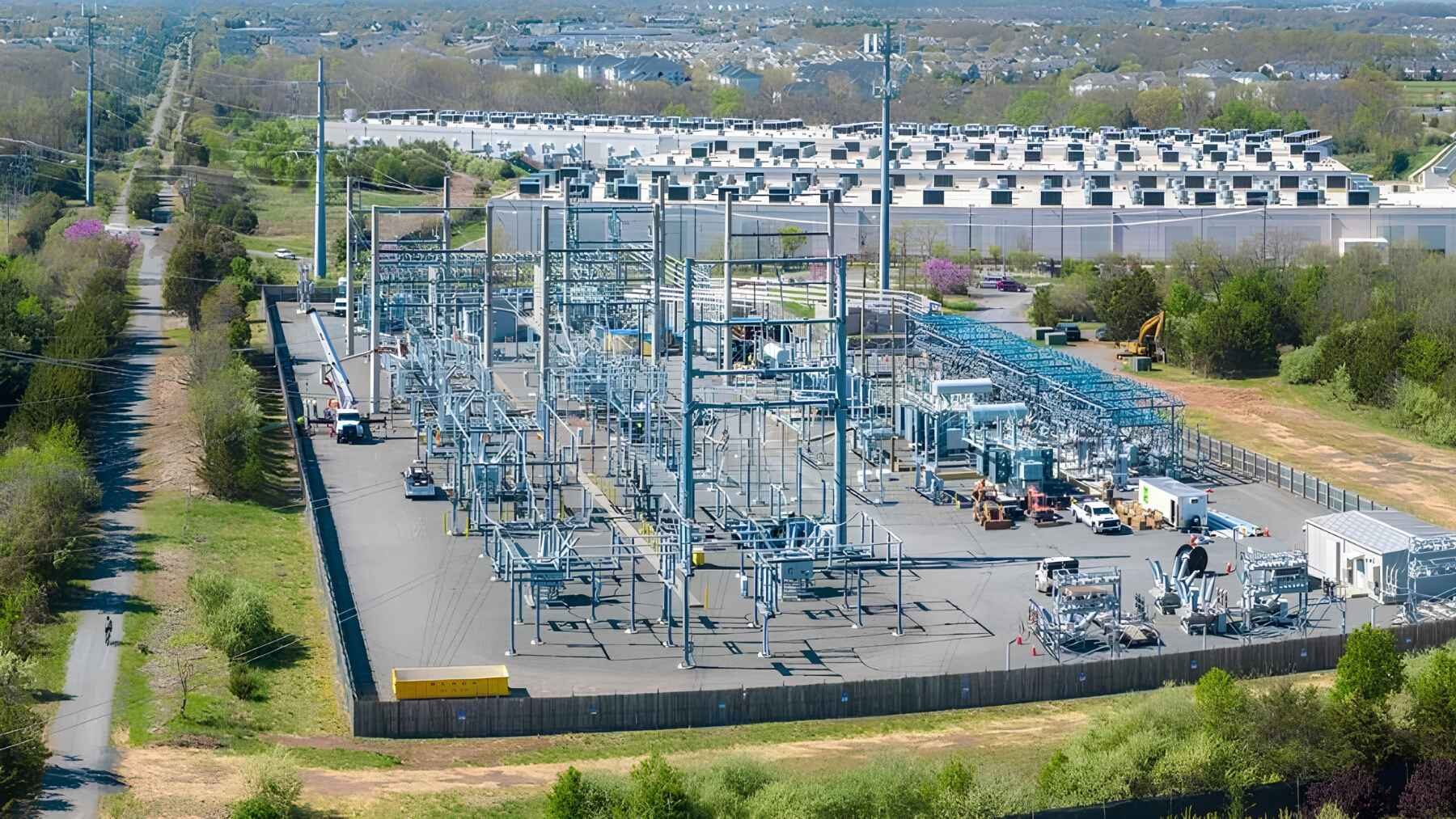
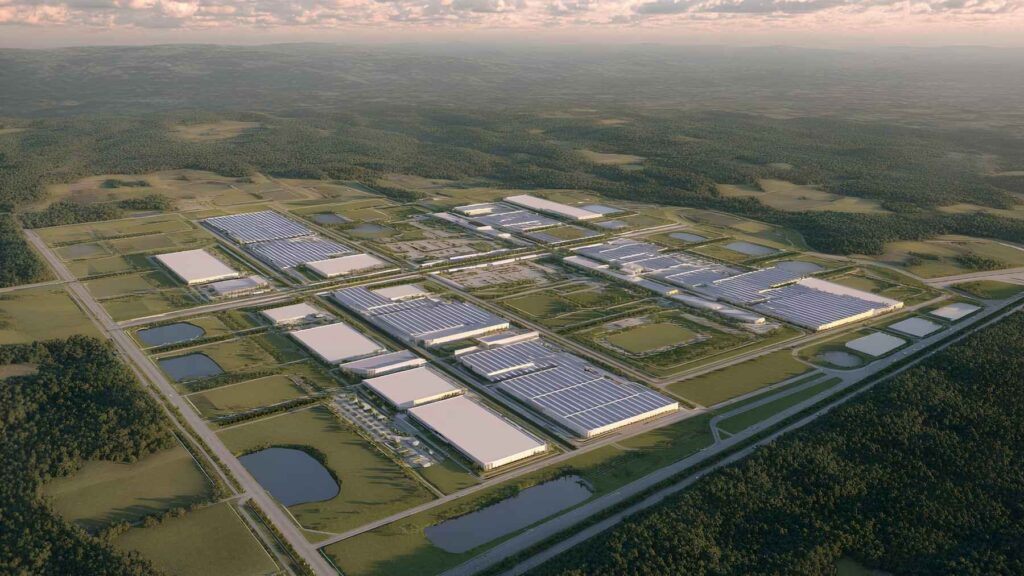
The U.S. already has more than 3,000 operating data centers and over 1,500 more in development. Many connect directly to the wider electric grid, which means utilities may need new substations, generating capacity, and high-voltage transmission corridors to deliver enough power without weakening reliability.
Meta said in July 2026 that its Hyperion data center in Louisiana would expand to 5 gigawatts of computing capacity, backed by an investment of more than $50 billion. One project of that size can reshape regional energy planning long before the first server switches on.
What eminent domain allows
Electricity demand from a private AI company can become a reason to take private land. Eminent domain is the government’s power to acquire private property for public use. Under the Fifth Amendment, the taking must be for “public use” and the owner must receive “just compensation,” but consent is not always required.
Federal agencies can use that power, although most condemnation actions are handled by state or local authorities. States may also delegate condemnation authority to regulated utilities when they carry out projects that qualify as public infrastructure.
In practice, a utility often seeks an easement, which is a legal right to use part of a property for towers, wires, or access. If negotiations fail, condemnation can force that easement or acquisition. Compensation usually centers on fair market value, while state rules decide whether and how damage to the remaining property is counted.
The public use test
The central question is whether a transmission project serves the public grid or mainly benefits one private data center. Courts have often allowed utility takings when a project improves reliability or supplies electricity to customers within the state, even when a large corporate user helped create the need.
Still, the authority is not automatic. After the U.S. Supreme Court broadly interpreted “public use” in the 2005 Kelo v. City of New London decision, 45 states adopted eminent domain reforms, and some state supreme courts now apply tighter limits than federal law.
Past transmission cases point in both directions. Courts in South Dakota and Vermont upheld takings where local customers received power or reliability benefits, while the Mississippi Supreme Court rejected a line that crossed the state without benefiting its residents. That leaves room for landowners to challenge a project when the claimed public benefit looks thin.
Rural communities face the pressure
The geography of the data center boom matters. Pew Research Center found that 67% of planned U.S. data centers are in rural areas, while 39% are proposed in counties that do not currently have one. Communities unfamiliar with industrial-scale computing may suddenly face new roads, substations, transmission towers, noise, and heavy electricity demand.
Public resistance is already broad. A March 2026 Gallup survey found that 71% of Americans opposed building an AI data center in their local area, with concerns centered on water and energy use, pollution, noise, traffic, lost green space, and higher utility bills. Nearly half were strongly opposed.
Data Center Watch reported that at least 75 data center developments worth about $130 billion were blocked or delayed during the first quarter of 2026. The separate 2,100-acre Prince William Digital Gateway proposal in Virginia later collapsed after courts invalidated its rezoning because the county had not met public notice requirements, showing how local procedure can become decisive.
What landowners should watch
A utility request is not the same as an unavoidable final order. Property owners facing a proposed line should examine the exact route, the utility’s legal authority, the stated public benefit, possible alternatives, and how compensation was calculated under their state’s rules.
The strongest disputes arise when a line appears designed almost entirely for one private facility and offers little measurable benefit to other customers. But outcomes remain state-specific, and courts have given utilities wide latitude when they can connect a project to grid reliability.
Timing also matters. In many cases, once a route is approved and condemnation begins, the argument narrows to legal authority and payment rather than whether the project should exist at all. That is why public hearings, transparent power-demand forecasts, and early discussion of alternative routes carry weight.
AI growth now depends on public trust
The AI race is often described as a contest for better chips and smarter models. But behind every chatbot sits a physical network of server buildings, cooling systems, power plants, substations, and wires that must occupy real places where people already live and work. The grid is the hidden backbone.
Eminent domain may help utilities prevent one holdout from stopping infrastructure that genuinely serves the public. Yet using that power for lines driven mainly by private AI demand can blur the boundary between public necessity and corporate expansion. Legal permission may not settle that argument.
The analysis was published in The Conversation.