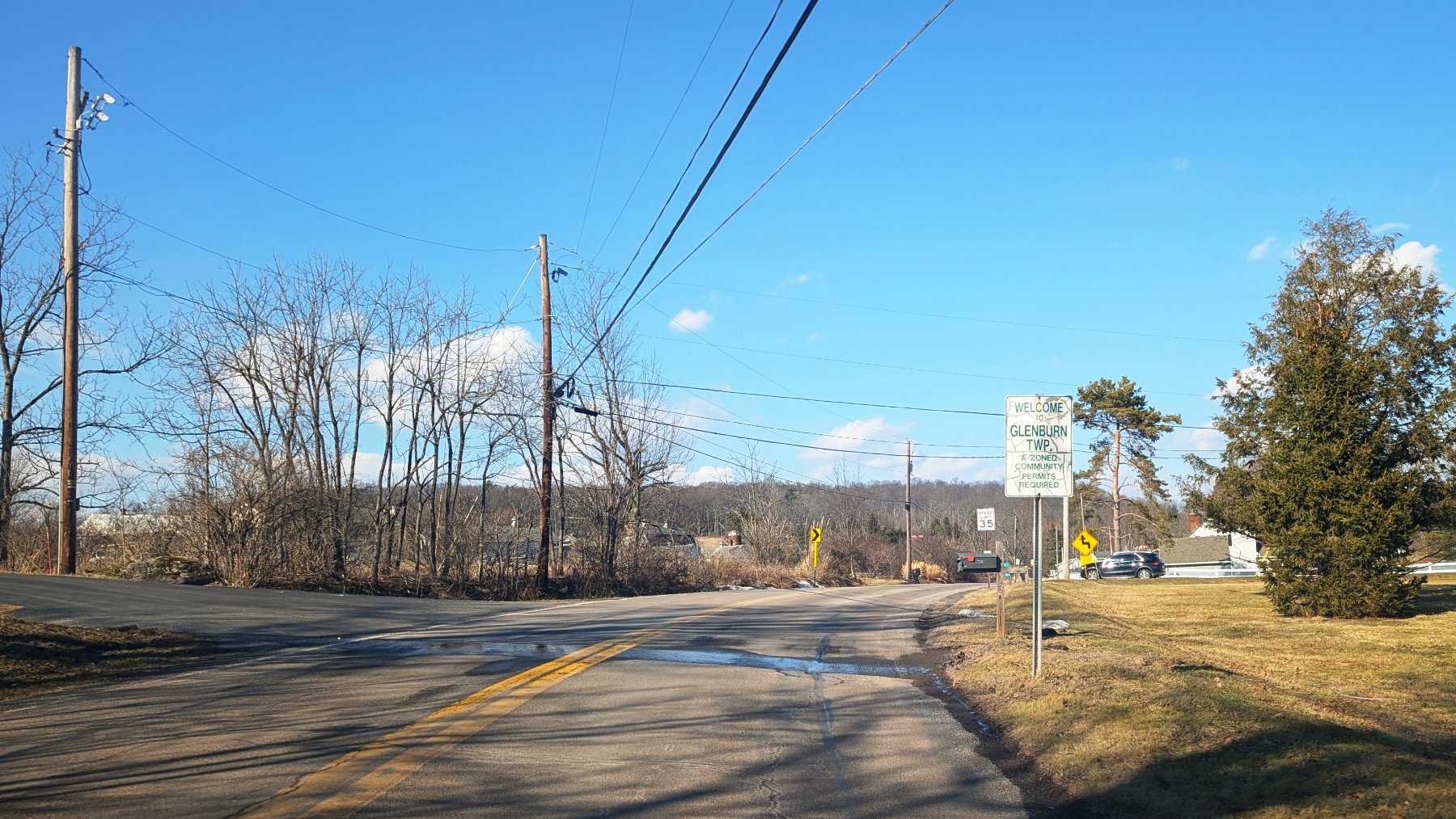
Oil-and-gas wastewater used to control dust on Pennsylvania roads can carry radium and other contaminants. But pollution is not the only concern for communities maintaining those roads. Penn State research has found that this salty liquid is an unreliable dust suppressant, with some laboratory tests showing more dust than treatment with plain water.
A May 2026 permit for a brine-production well has added a new concern. Penn State environmental engineering researchers William Burgos and Nathaniel Warner warn that brine marketed as a product could reach road-maintenance buyers, even as residents report continued wastewater spreading following Pennsylvania’s 2018 halt. The question is not just what goes onto a road, but what happens afterward.
Why oilfield brine ended up on roads
Oil and gas wells bring substantial amounts of water to the surface alongside the fuel they produce. This “produced water,” also called brine, is often five to 10 times saltier than seawater. In northwestern Pennsylvania, the researchers estimate that wells produce roughly eight barrels of water for every barrel of oil.
For years, operators supplied conventional-well brine to local townships free of charge. Pennsylvania prohibited dust-control and anti-icing uses of wastewater from fracked wells in 2016, then halted conventional-brine spreading in 2018. But conventional brine can contain radium too.
What the dust-control tests actually found
In a 2024 study, researchers compared oil-and-gas wastewater with commercial dust suppressants under different humidity conditions. At 20% relative humidity, the wastewater performed similarly to or worse than rainwater controls, while at 50% humidity it reduced dust by a variable 10% to 85%. All but two commercial products reduced dust emissions by more than 90% regardless of humidity.
That distinction matters on a dry road behind a passing truck. The study supports a conclusion of inconsistent performance, not a claim that brine never reduces dust under any conditions. Penn State researchers also explain that high sodium levels can destabilize road material, potentially adding to long-term maintenance costs.
Rain introduces another problem. Laboratory runoff tests found that both oilfield wastewater and calcium chloride treatments could release highly saline water, so commercial salt products are not impact-free either. But wastewater-treated roadbeds produced the highest runoff concentrations of combined radium, sodium, and suspended solids in the comparison.
What the radium readings do and do not tell us
Burgos and Warner cite average combined radium activities of about 2,000 picocuries per liter in conventional oil-and-gas brine and 1,800 in Marcellus Shale brine. A picocurie measures radioactive activity, and reporting it per liter describes its concentration in the liquid. EPA’s drinking-water limit for combined radium-226 and radium-228 is 5 picocuries per liter.
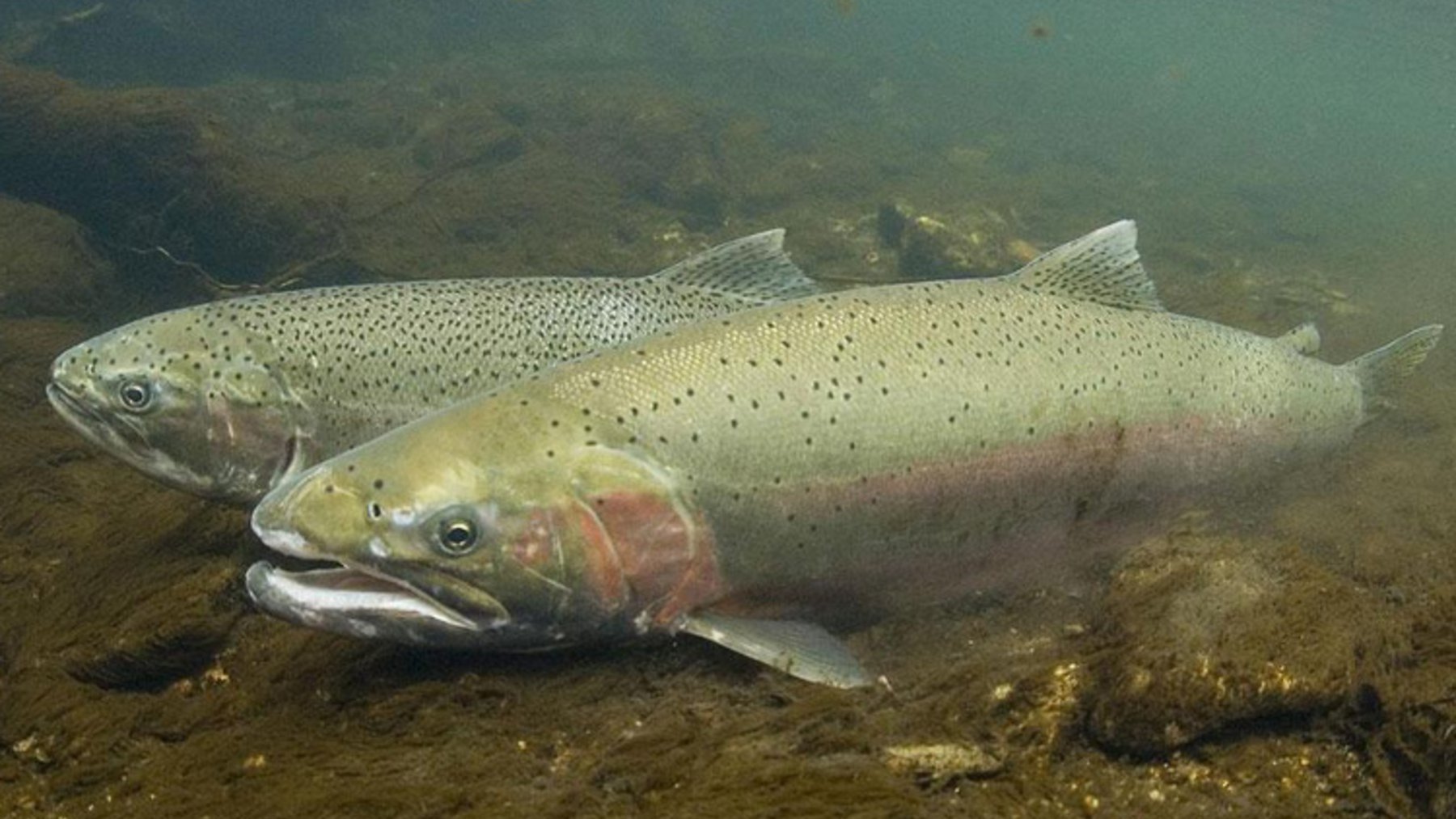
Those brine measurements are not readings of anyone’s tap water or the radiation dose a resident receives. The researchers’ concern is where the material travels after application, including runoff into streams and sediments. Radium remaining on a road could also become airborne with dust, while the researchers identify accumulation in fish as another possible exposure route.
Why the new permit has raised questions
According to a June statement from FracTracker Alliance, DEP approved a permit on May 12, 2026, for BCD Properties’ Danylko 6 “mineral brine” well in Erie County. The organization appealed the approval, questioning how the brine would be tested and regulated before distribution. This concerns producing brine as a commodity, rather than simply disposing of existing wastewater.
The distinction is important. FracTracker reports that the permit prohibits mixing the well’s brine with oil-and-gas waste brine, and explicitly says its appeal does not claim the permit itself authorizes road spreading. Its concern is the regulatory treatment of the liquid after production, not a blanket statewide authorization to coat roads.
The Penn State researchers also warn that road crews and snow-removal companies could face an information gap. “There are no disclosures required to inform a consumer that the product was sourced from oil and gas brine,” they write.
A proposed ban has not become law
Pennsylvania House Bill 84 would prohibit spreading wastewater from conventional and unconventional oil-and-gas wells on dirt, gravel, or paved roads for any purpose. The legislature’s latest listed action is its return to the House Rules Committee on June 8, 2026, following committee approval and first consideration. That is not final passage.
For communities weighing a cheap road treatment, the research points to a broader calculation involving dust reduction, road durability, and contaminated runoff.
The researchers’ explanation was republished on Penn State’s Institute of Energy and the Environment on July 24, 2026, and updated August 19.