Americans generated 35.4 million tons of yard trimmings in 2018. That is the most recent year in the Environmental Protection Agency’s materials and waste data. That is 12.1 percent of all the municipal solid waste the country produced that year.
About 22.3 million tons, or 63 percent, were composted or turned into mulch. Landfills still received about 10.5 million tons, the EPA reports, or 7.2 percent of everything sent to landfill.
Leaves in a landfill
Organic matter such as leaves behaves differently once it is buried. When it breaks down in a landfill without oxygen, bacteria produce methane, the EPA explains on its composting page.
Municipal landfills are the third-largest source of human-caused methane in the United States, the agency says. They produced about 14 percent of those emissions in 2022. Most of that landfill methane comes from food waste, not leaves, as the EPA’s own figures show.
Food is a large part of the problem in many homes this month as well. ECOnews has looked at how much food is thrown away at Thanksgiving and what to do with the leftovers.
Life under the leaf layer
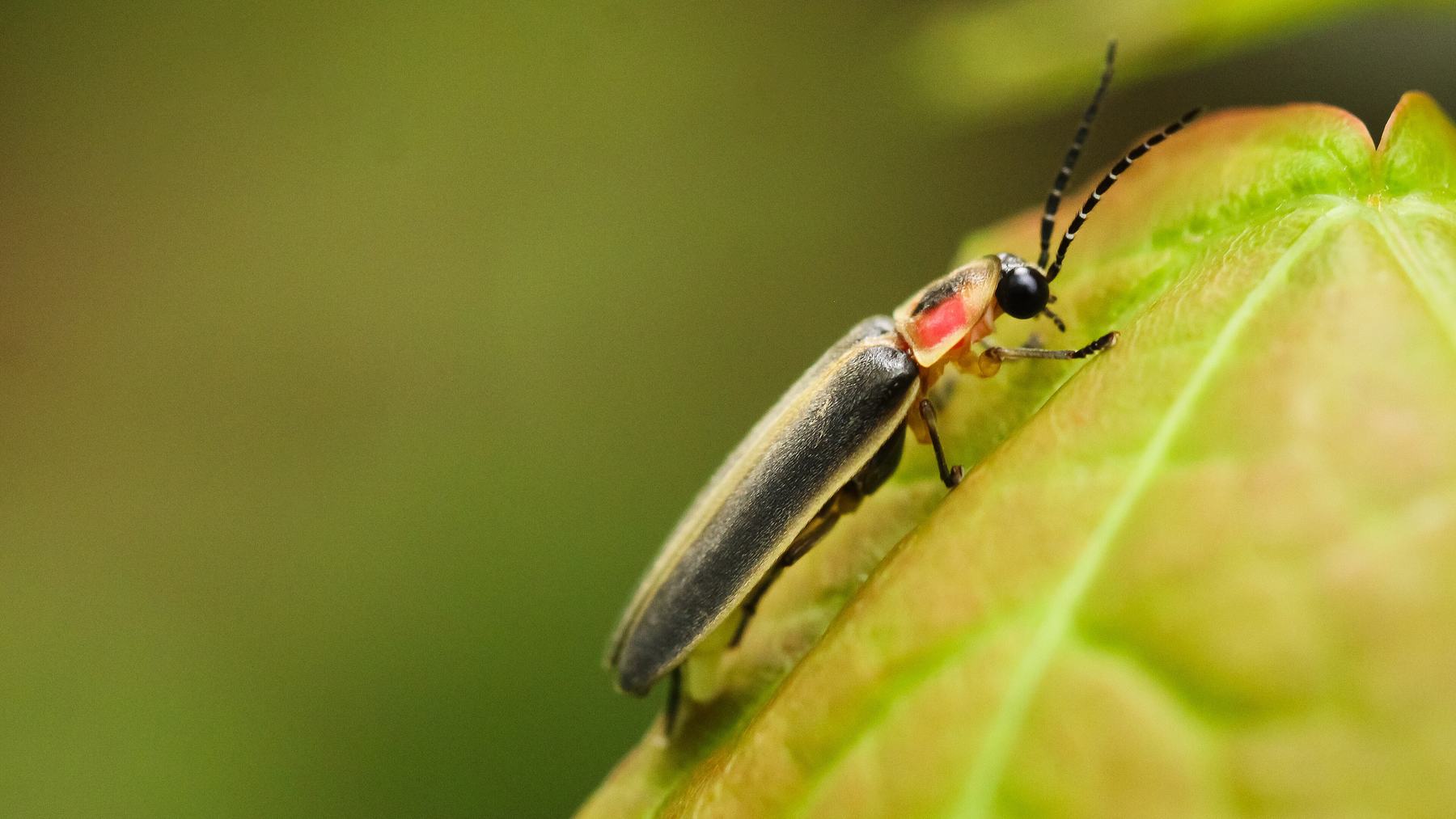
A pile of leaves is more than garden debris for many small animals. Firefly larvae can spend up to two years under the leaf layer, the National Wildlife Federation says. There they feed on snails and worms in damp soil.
The mourning cloak butterfly spends the winter as an adult in leaf litter and logs. Colorado State University Extension advises leaving leaf litter undisturbed so native bumblebees can hibernate.
“If we get rid of all the leaves in the fall and we throw them out, you’re literally throwing away entire generations of pollinators, of fireflies,” said David Mizejewski, a naturalist with the National Wildlife Federation, in an October 2026 Minnesota News Connection report. Animals that hibernate in other ways, from bears to frozen wood frogs, rely on similar winter cover.
What a Maryland study found
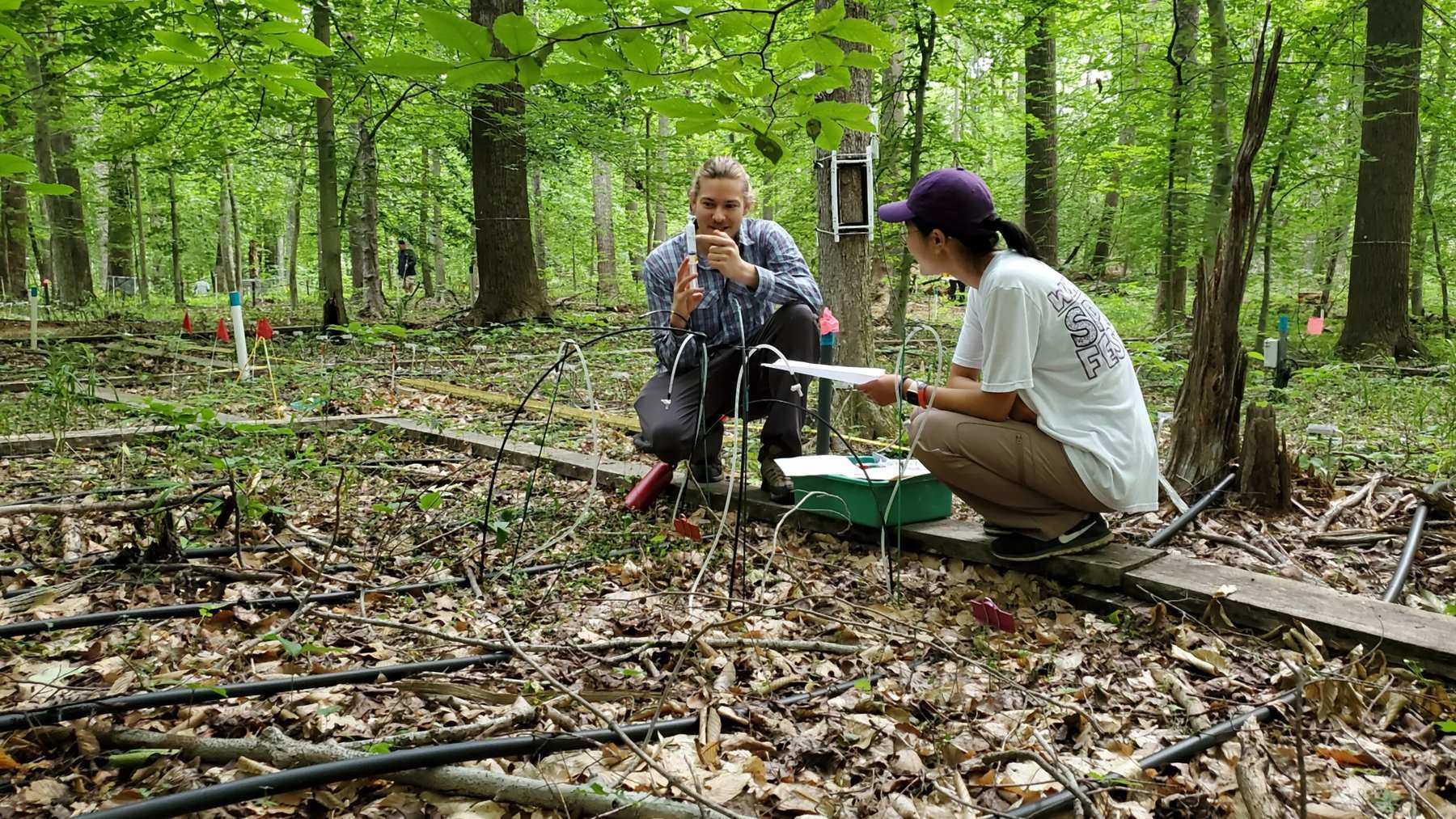
Researchers at the University of Maryland tested the idea in 20 pesticide-free yards over two years. Their study appeared in 2024 in the journal Plants, People, Planet.
Plots where leaves were removed produced far fewer moths and butterflies, the university’s entomology department reported. Shredding and removing the leaves had similar negative effects, while piling and keeping them had similar positive ones.
Removing leaves year after year also lowered carbon in the soil and slowed decomposition. Leaving them in place for two years did not reverse those losses, the researchers found.
Seven things to do instead
The easiest step is to clear only the places that need it. Rake leaves off sidewalks, driveways and turfgrass lawn and put them to use elsewhere in the yard, advises the National Wildlife Federation’s Leave the Leaves page.
The second step is to move leaves into garden beds and under trees and shrubs. A layer of 3 to 5 inches (7.5 to 12.5 cm) works well. Leaves there suppress weeds and feed the soil as they break down.
On the lawn itself, the layer of leaves should stay thin. Alison O’Connor, a horticulture professor at Colorado State University Extension, has a simple test for how much shredded leaf a lawn can take. “As long as you can see grass after you’ve mulched, that mulch you’ve just made isn’t too thick and you’re in good shape,” she says.
If you shred, set the mower to its highest setting and use dry leaves, CSU Extension suggests. Experts disagree here, though: the Maryland researchers found that shredding had similar negative effects to removing leaves.
A compost bin or pile is the fifth option for fallen leaves. The EPA suggests two to three parts of dry “brown” material, such as leaves, to one part green waste. A well-managed pile can be ready in three to five months.
The sixth tip is to wait in spring before cleaning up. Bumblebees emerge between mid-April and mid-May, depending on conditions, CSU says. CSU Extension advises keeping leaf litter at least until then.
Last, keep leaves out of plastic bags and away from the fire pit. Look for municipal yard waste collection or a community compost program. Rules on burning vary by state and town.
Where leaves need care
Leaves are not right for every spot in a yard. In areas at risk of wildfire, leaf mulch should stay 30 to 100 feet (9 to 30 m) from the house, the National Wildlife Federation says. With regular watering, moist mulch can sit 5 to 30 feet (1.5 to 9 m) away.
The EPA’s yard trimmings figures date from 2018, the latest the agency publishes. Some states also report changing tonnages from year to year.
Some homeowners go much further and turn a whole yard into habitat, like a Florida lawn turned pollinator sanctuary. Others go the opposite way, with artificial lawns that shed plastic fibers.
The data come from the US Environmental Protection Agency, the National Wildlife Federation, the University of Maryland and Colorado State University Extension, consulted on November 3, 2026.
Photo: Celari817 / Wikimedia Commons (CC BY 4.0)