A teenager in Coppell, Texas, says he has built and installed more than 750 nesting boxes for native birds, and his Backyard Bird Project now has chapters in 24 states and three countries, according to a March 2026 profile by the volunteer nonprofit Points of Light. Aamir Tinwala started the project at 12, cutting untreated wood in his family’s garage.
Points of Light named him a Daily Point of Light Award honoree on March 20, 2026, when he was in high school. He told Points of Light that a pet cockatiel sparked his interest, and that during COVID he researched birds and started giving nesting boxes to people around his community. Positive feedback led him into advocacy and education about birds.
A cockatiel named Coco
In a first-person piece for Audubon Texas, published Nov. 18, 2025, he wrote that the cockatiel was called Coco and that losing it is what got him into bird conservation.
His eighth-grade science teacher and the school’s environmental club encouraged him to bring the boxes to Coppell’s Earth Day event, where he gave them away. His mom put the word out on Nextdoor, and sign-ups from around town followed. He cut every board himself with a circular saw his dad had borrowed from work, and on weekends he and his mom delivered the boxes door to door.
Sixty people and two hours of hammering
In high school the deliveries became workshops in Coppell, Irving and other Dallas suburbs. By March 2026, he told Points of Light, he would order wood cut to size and teach around 60 people of all ages what birds do for the environment, then spend two hours helping them build their own boxes.
Points of Light counts nearly 64 bird box events over six years, in person and online. His tally of boxes is his own. “I’ve personally installed over 750 since middle school for 16+ native Texan species,” he said. In the Audubon piece he listed Carolina wrens, chickadees, Eastern bluebirds, purple martins and titmice in eight counties.
The chapters are decentralized, he said. In Texas the workshops build small boxes for chickadees and wrens, and in other regions they go bigger, for raptors. Through online workshops, the project has also supported an effort in India to repopulate the Indian sparrow.
Asked what inspires him, he cited a Jane Goodall line from English class, “The greatest danger to our future is apathy,” and said breaking out of the bubble he grew up in is what drives him to volunteer. His advice for families is to build a nesting box together, which takes about two hours.
Coppell gets a city bird
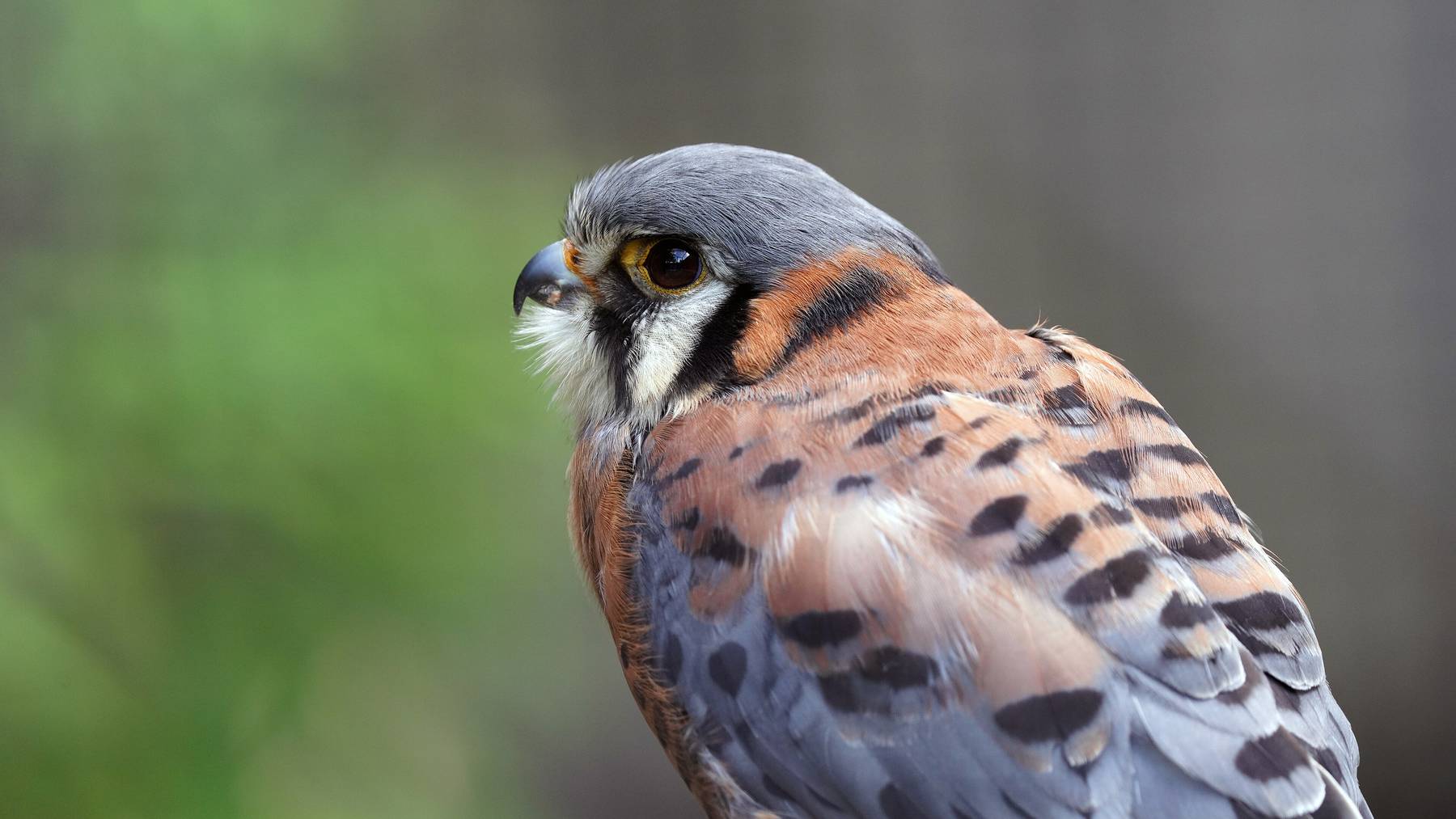
The City of Coppell now has an official city bird, the American kestrel, thanks to Tinwala, the city says on its All About Birds page. Points of Light says he pushed for it to boost civic pride and build awareness around bird conservation. He also wrote Feathers of Coppell, the 24-page bird guide the city posts for Coppell Nature Park. It covers 22 species and calls the kestrel “North America’s smallest falcon.”
The city’s page asks residents to turn off outdoor lights during migration, which it lists as March to June and August to November, and to close their blinds at night to prevent disorientation and bird strikes. Bright lights at night cause trouble for other birds as well, like the puffins threatened by harbor light pollution.
Losses include backyard birds
A 2019 study in Science estimated that the United States and Canada had lost 29 percent of their birds since 1970, almost 3 billion birds. Lead author Ken Rosenberg, then a senior scientist at the Cornell Lab of Ornithology and American Bird Conservancy, said in the study’s press release that the results showed pervasive losses among common birds across all habitats, “including backyard birds.”
The 2025 U.S. State of the Birds report found 229 species requiring urgent conservation action. Habitat for birds can show up in strange spots, like the living roof on Ford’s Rouge factory.
What NestWatch says a box needs
The Cornell Lab’s NestWatch program keeps a checklist for anyone who wants to build one. Walls should be at least 3/4 inch (about 1.9 centimeters) thick to insulate the nest properly, and boards sold as 1 inch are actually that thick.
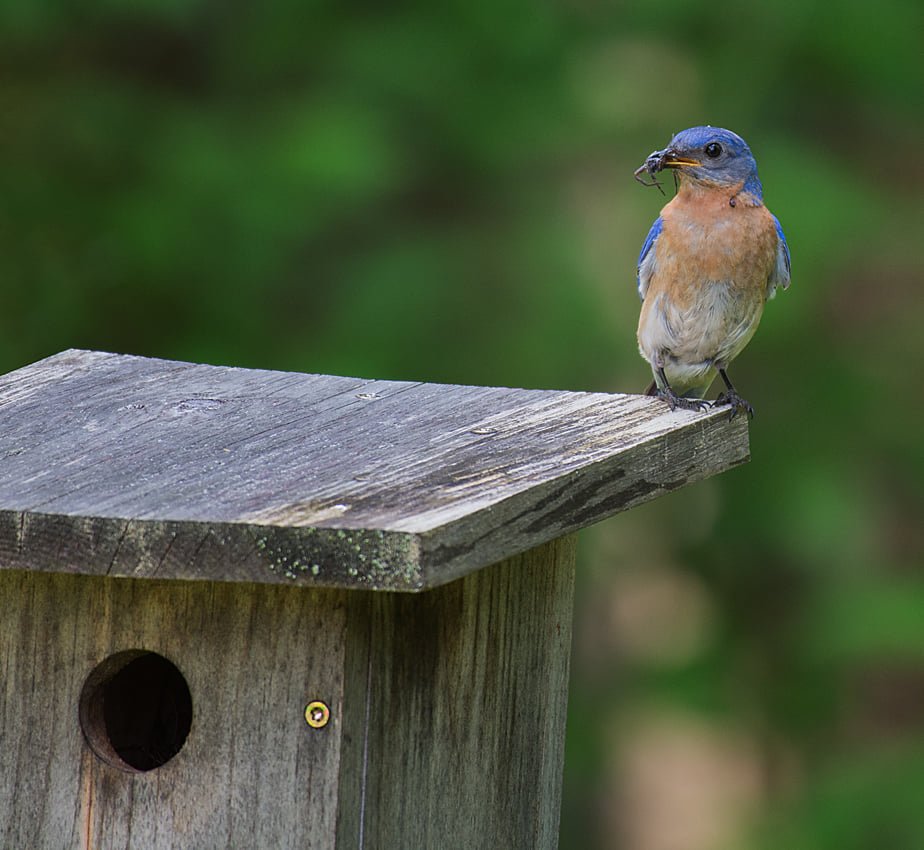
NestWatch also wants at least four drainage holes in the floor and two 5/8-inch (1.6-centimeter) vent holes near the top of each side wall. It calls a perch unnecessary, since it can help predators gain access to the box. To keep out European starlings, the entrance should be smaller than 1 9/16 inches, about 4 centimeters. For house sparrows the cutoff is 1 1/4 inches, or 3.2 centimeters.
Raccoons can remember nest box locations from year to year, and cats can leap to the top of a box from a nearby tree or from the ground, NestWatch warns. It recommends a metal pole with a baffle under the box. Its data suggest that nests in boxes with predator guards had success rates 6.7 percent higher, on average, than nests in boxes without guards.
What 750 boxes do not tell us
The 750 figure comes from Tinwala himself. His project’s homepage says 24 states reached, and lower on the same page the mission statement says 23. Nobody has said how many of those boxes have held eggs or chicks, either in the Audubon piece or in the Points of Light profile. And birds are not the only ones that use them, as an experiment in Toronto found when wasps checked into bee hotels first.
He told Points of Light he started setting up smart boxes in different states to monitor how humidity and temperature affect bird reproduction and which types of wood do best. He also described a forecasting tool that combines AirNow and eBird data to see how pollution affects bird migration and predict the best places for nesting boxes. The profile does not include results from either one.
He is also working on his own school. Audubon certifies college campuses but not high schools, he said, and when he raised it with contacts there three years ago, it turned out to be something they had planned but put on the back burner. Once it exists, he said, “My school will be the first.”
Photo: Courtney Celley / USFWS