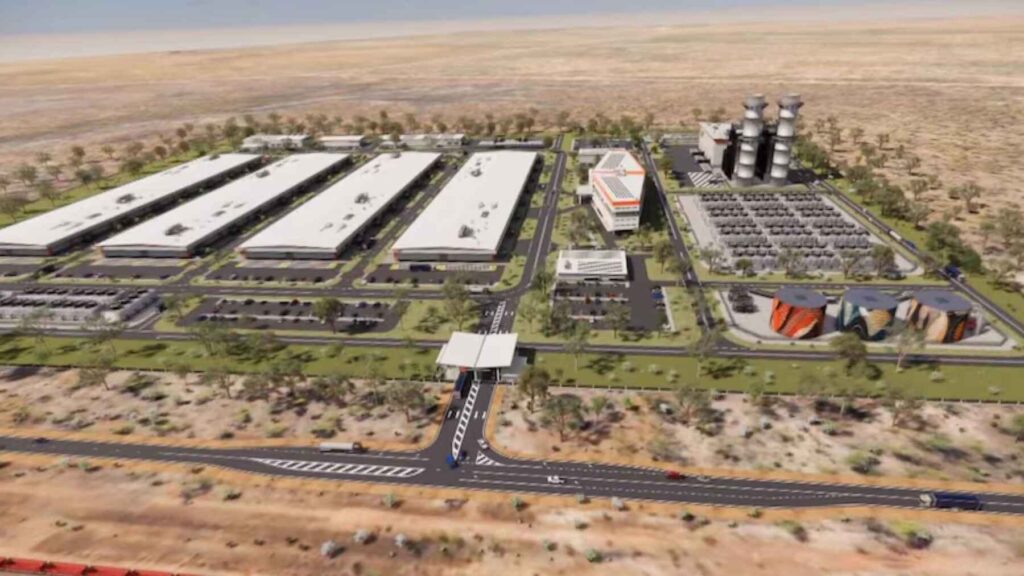
A remote area outside Darwin has been selected for study as the possible home of a vast data center development. The proposal would combine a hyperscale computing campus, a gas-fired power station, and a new pipeline carrying fracked gas from the Beetaloo Basin.
The announced investment is 40 billion Australian dollars, or about $28 billion using the Reserve Bank of Australia’s July 24, 2026 exchange rate. Yet the most striking number is electricity. The center could require 2 GW of power, more than six times the combined maximum demand recorded across Darwin and Katherine during 2024-25.
The project is at an early stage
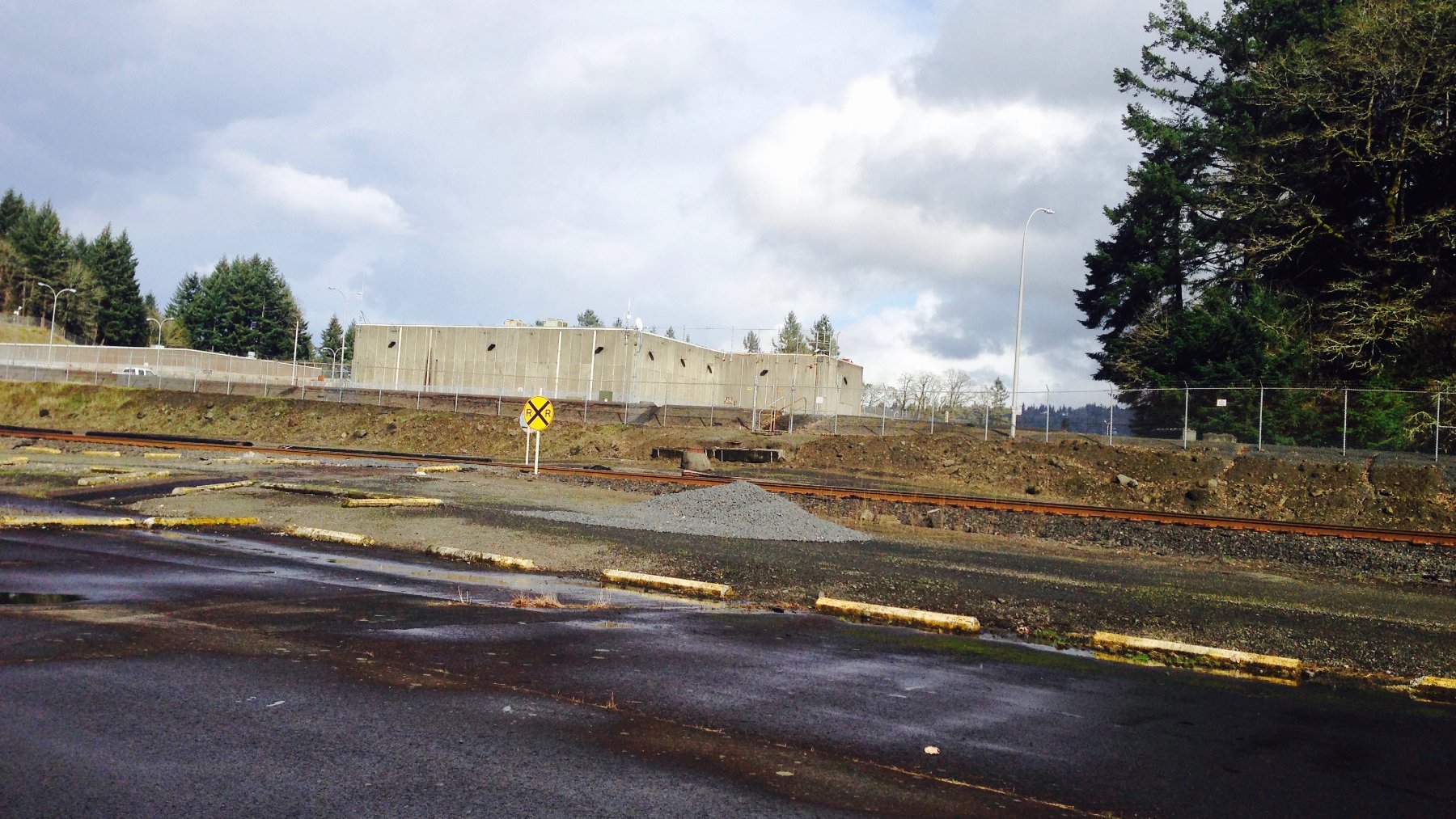
The Northern Territory government has signed an exclusivity agreement covering roughly 457 acres at Weddell, about a 40-minute drive from central Darwin. Lands, Planning and Environment Minister Joshua Burgoyne said the arrangement sent investors a clear message that the territory was “open for business.”
That agreement is not construction approval. It gives Beetaloo Energy exclusive access to the site while the company searches for investors, examines whether the proposal is financially and technically viable, and develops more detailed plans.
Weddell had previously been identified as a possible location for the region’s next satellite city. It is now being considered for a hyperscale data center, meaning a very large complex filled with servers that process, store, and move digital information on an enormous scale.
Power demand changes the equation
What does 2 GW mean in everyday terms? It equals 2 billion watts of power, and the center would need that enormous supply because server halls, networking equipment, and cooling systems operate around the clock.
Managing director Alex Underwood said the proposed power station would be “deliberately oversized” so it could feed electricity into Darwin’s grid rather than take power from it. He argued that adding supply “should put downward pressure on prices,” a claim that may sound welcome to households watching the electric bill.
However, the information released so far does not show how much spare electricity would reach the public grid, when it would become available, or how prices would be affected. In practical terms, the promise of cheaper power remains a projection until the plant’s capacity, contracts, and operating costs are known.
Beetaloo gas would sit at the core
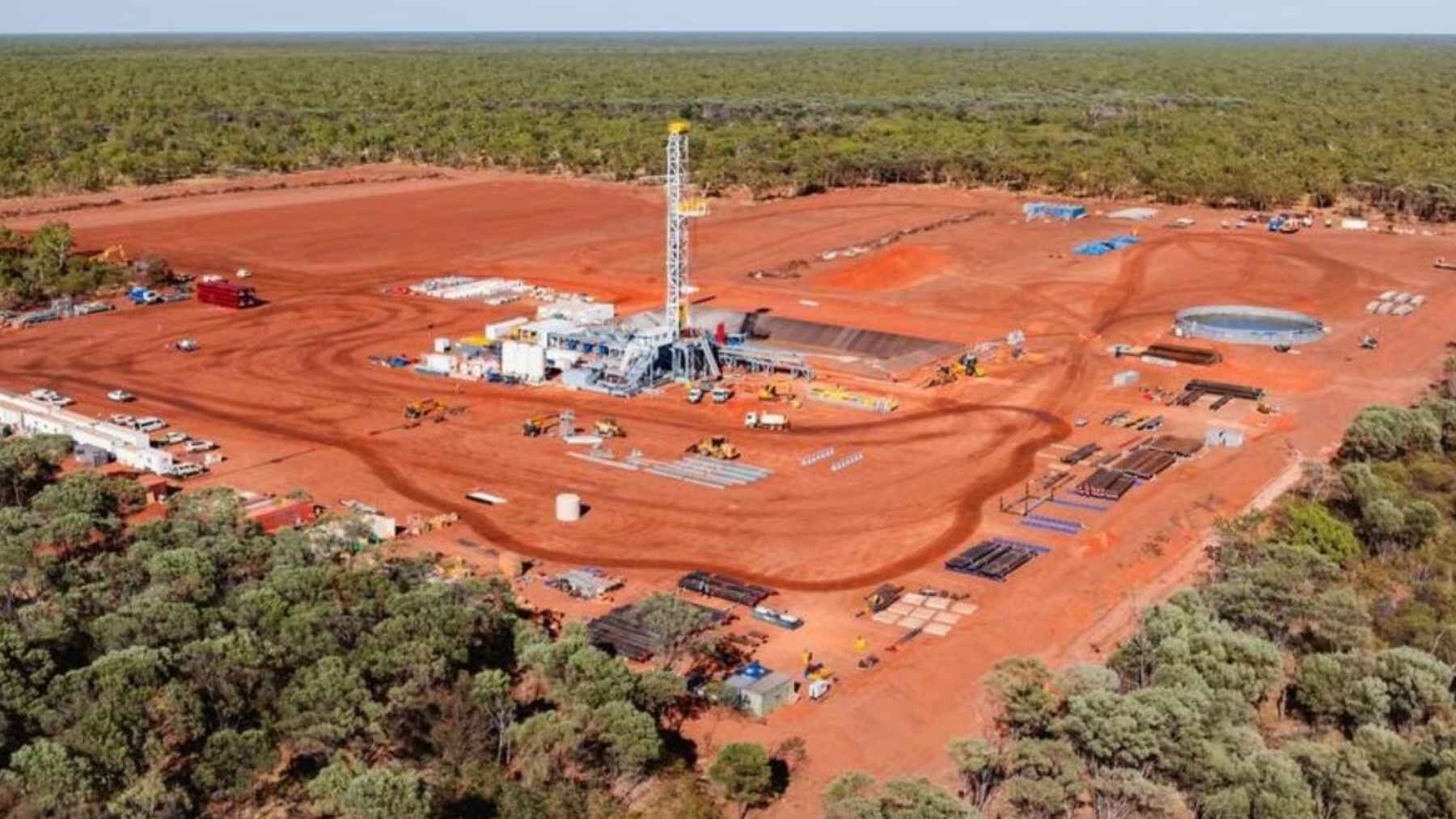
The main fuel would come from the Beetaloo Basin, south of Katherine, and travel through a new pipeline to Weddell. The gas would be extracted through hydraulic fracturing, commonly called fracking, which uses pressurized fluid to crack underground rock and release trapped gas.
The developer describes its vision as a fully integrated energy and digital infrastructure precinct. In other words, the fuel supply, power generation, and computing campus would be tied together as parts of the same industrial system.
Renewable energy could eventually be added, possibly through projects such as SunCable’s proposed inland solar farm. However, the company has not said what share of the data center’s electricity would come from renewable sources, leaving gas as the only clearly identified source of dependable power at this stage.
Investment comes with unanswered questions
The proposal could attract tens of billions of dollars in investment and create hundreds of jobs, according to the developer. It could also rival the scale of the Ichthys liquefied natural gas facility, one of Inpex’s biggest global energy projects.
Still, several basic pieces are missing. The company has not identified the commercial partners that would build or operate the data center, power station, or pipeline, and it has not explained how water would be allocated. The source also provides no cooling design or water-demand estimate, leaving residents without the figures needed to judge the effect on local supplies.
The developer says the complex could begin operating in 2029 or 2030. At the same time, it acknowledges that major government approvals and financing would be needed first, so that timeline should be treated as an ambition rather than a confirmed opening date.
Environmental groups want a pause
The announcement has renewed calls for a moratorium on data center projects in the territory. Environment Centre NT wants these developments paused, while Greenpeace Australia Pacific climate and energy leader Joe Rafalowicz called the proposal a “shocking example of the unchecked expansion of hyperscale data centers in Australia.” Critics are focusing on its vast electricity demand and planned dependence on fracked gas.
The company says the work would be carried out in an environmentally responsible way and with community support. It also plans town hall meetings and consultation lines once the proposal becomes clearer, giving residents a chance to raise concerns directly.
For now, the project is a reserved site and a very large ambition, not a finished development. Its future will depend on investors, customers, environmental reviews, planning decisions, water arrangements, and a credible explanation of how 2 GW of power would be produced and how costs and risks would be divided between the developer and the public.
The original report was published by ABC News.