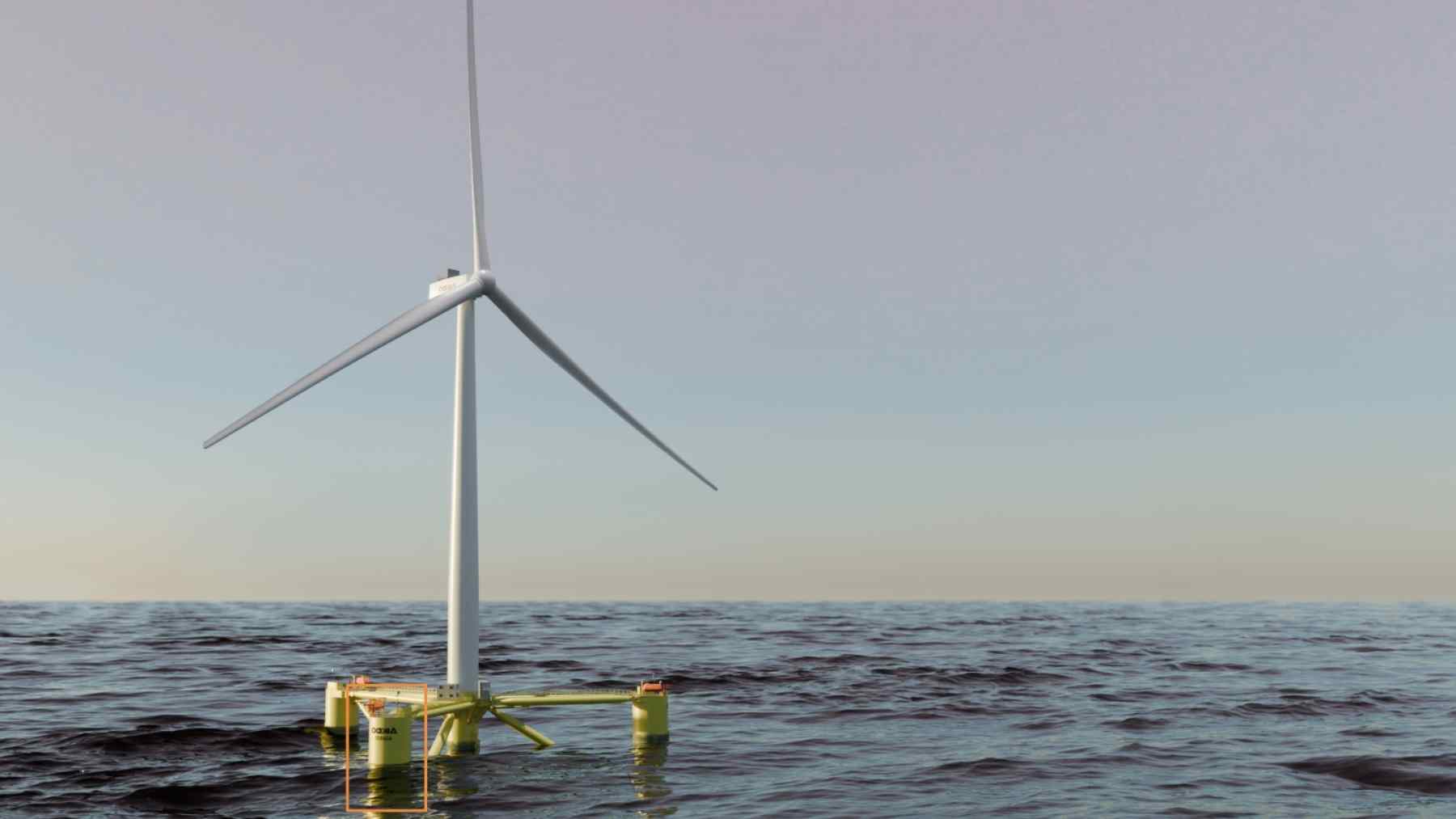
What if the next big AI data center does not rise from a desert lot, an industrial park, or a quiet town suddenly worried about noise, water, and the electric bill? What if it floats offshore, tucked into the steel body of a wind turbine built to make its own power?
That is the idea now being pushed by Aikido Technologies, a San Francisco company that has unveiled a floating offshore wind platform designed to carry AI-grade data center modules, battery storage, and a large wind turbine in one structure. The company says the ocean could offer three things the AI boom badly needs right now, power, space, and cooling.
AI is hitting a physical wall
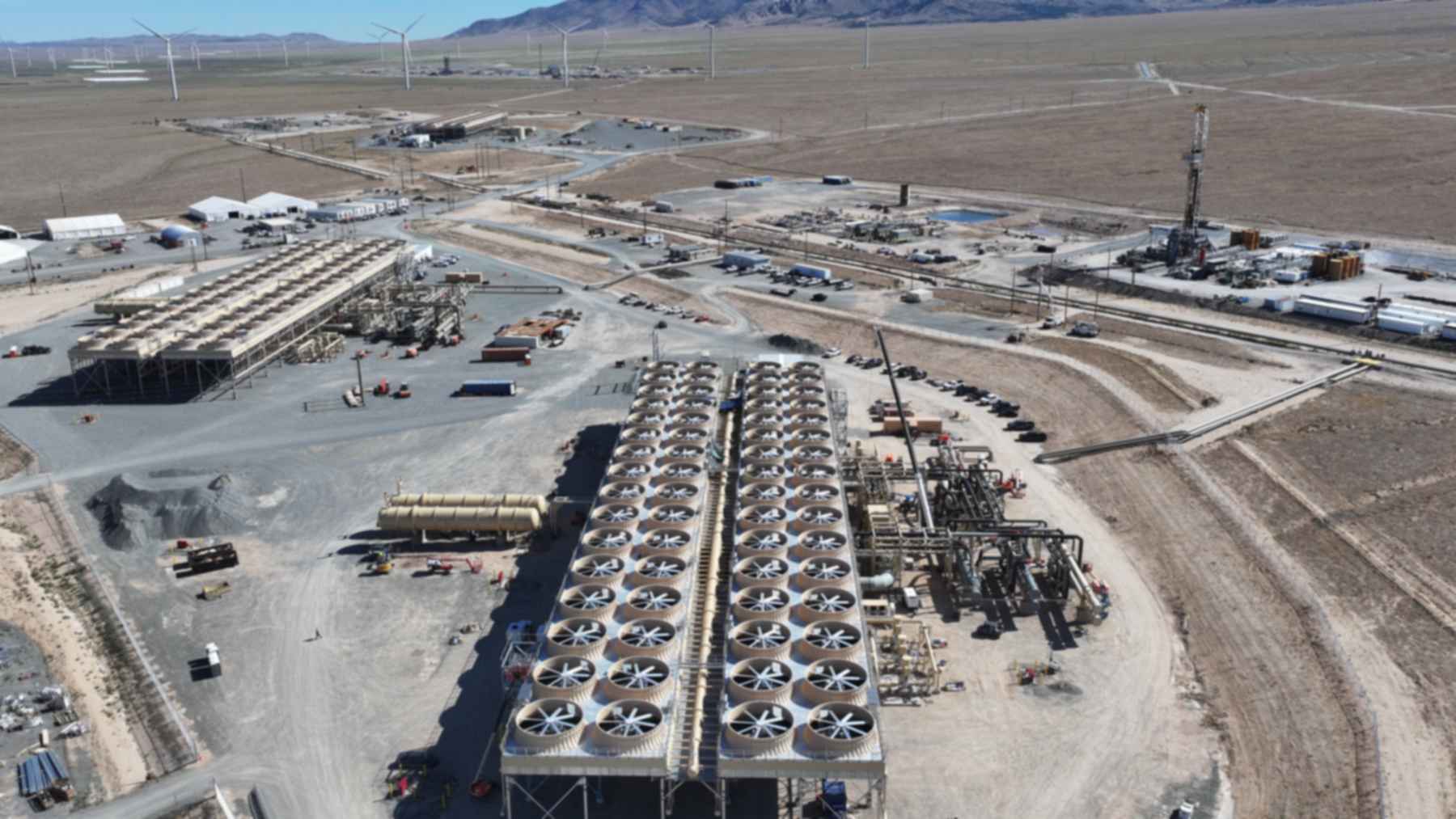
Artificial intelligence may feel weightless when it appears on a phone screen, but behind every answer is a very physical network of servers, chips, power lines, cooling systems, and land. That hidden footprint is becoming harder to ignore.
Data centers consumed about 448 terawatt-hours of electricity worldwide last year, according to U.N. researchers cited by Reuters. They also used roughly 1.2 trillion gallons of water, and both power and water consumption are expected to double by 2030 if growth continues at its current pace.
For communities, this is not an abstract problem. It can mean more pressure on local water supplies, more transmission lines, more construction, and in some places, fears that new data campuses will push up energy demand just when households are watching every charge on the electric bill.
A wind turbine with servers inside
Aikido’s concept is called AO60DC. The company describes it as a first-of-a-kind floating offshore wind platform that combines AI computing, wind generation, and integrated battery storage in the same unit.
Each platform is designed to host 10 to 12 megawatts of AI-grade computing capacity alongside a wind turbine rated at more than 15 megawatts. That is not a small add-on bolted to a tower. It is more like turning a floating turbine foundation into a compact offshore technology hub.
The company’s pitch is simple enough. Put the data center close to the energy source, use batteries to smooth out operations, and avoid building yet another large facility on land where water, permits, and public patience may already be stretched thin.
The sea becomes the cooling system
Servers make heat. Anyone who has felt a laptop fan kick on during a video call knows the basic idea, just on a tiny scale. In AI data centers, that heat problem becomes enormous.
Aikido says its platform uses a passive primary cooling system that transfers heat through the steel hull into the surrounding seawater. By the company’s own estimate, the system could reach a power usage effectiveness below 1.08, while keeping the thermal effect limited to an area only a few yards from the structure.
IEEE Spectrum reported that the design places data halls in the upper sections of the platform’s ballast tanks. Fresh water in a closed loop would help cool the servers, then pass heat back through the steel structure, where cold seawater helps carry it away.
Why offshore wind fits the moment
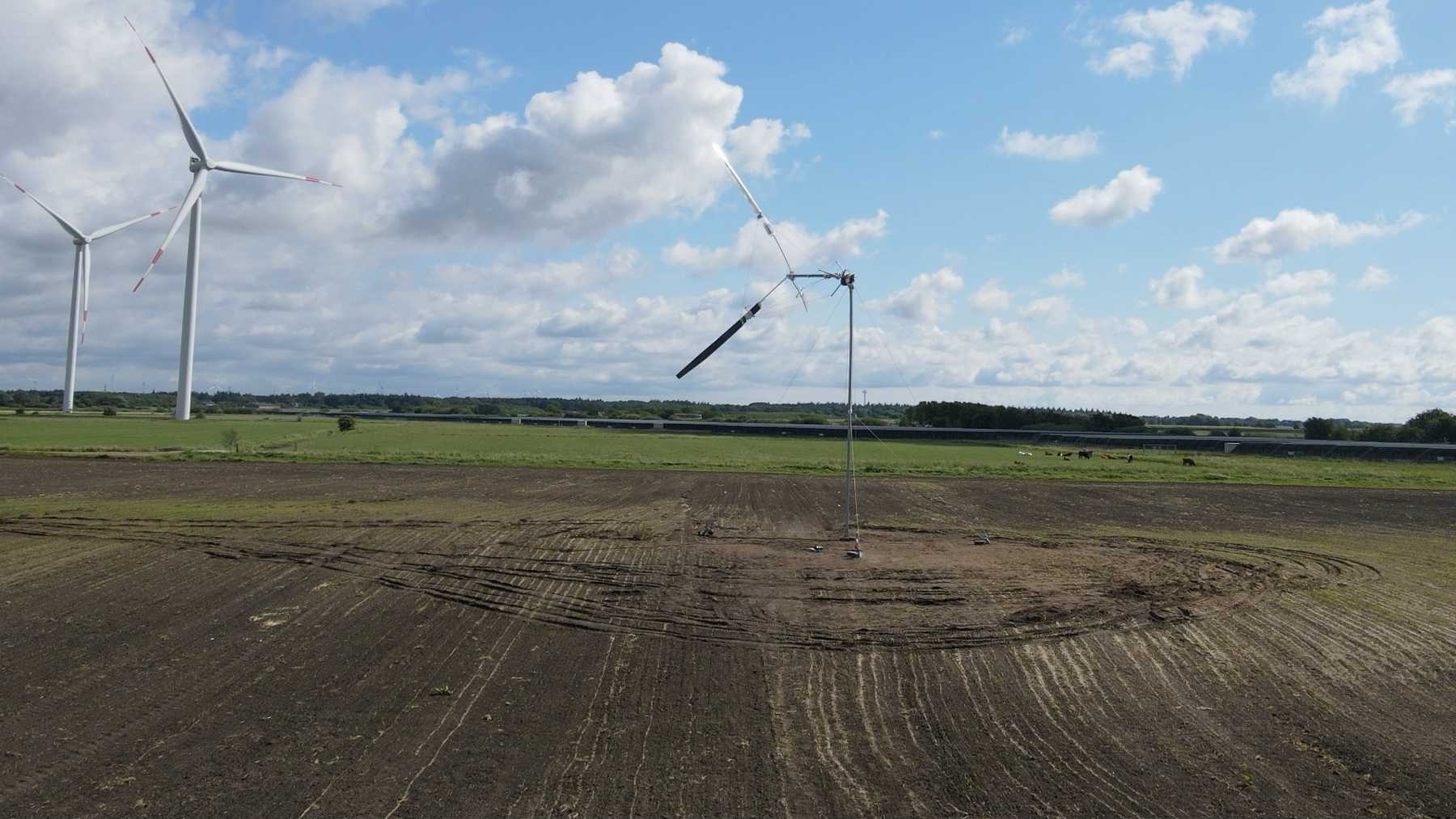
Wind turbines have already become some of the most striking machines in the clean energy transition. The largest offshore designs now tower hundreds of feet above the sea, with blades longer than many sports fields, which is why engineers are starting to see them as more than electricity machines.
Aikido argues that its modular “flat-pack” platform can be assembled much faster than conventional offshore structures. The company also says more than 50 gigawatts of distressed floating wind sites around the world could be repurposed for marine data centers.
In practical terms, that means Aikido is not only chasing cleaner power for AI. It is also trying to solve a real estate problem. Large data centers need land near users, but many suitable areas already face heavy competition from housing, industry, farming, and conservation.
The hard part is still the ocean
Moving a data center offshore does not make every problem disappear. It changes the problem.
Saltwater, corrosion, storms, maintenance, subsea cables, marine ecosystems, and security risks all matter. IEEE Spectrum quoted experts warning that the marine environment is difficult to engineer around, especially because salt, debris, and fouling can damage equipment over time.
There is also the simple fact that wind does not blow at full strength all the time. Aikido says the onboard turbine and battery energy storage system are designed to power most operating hours, while a grid connection would still be used mainly during summer months and other periods when backup power is needed.
A prototype before a revolution
For now, this is still an emerging concept, not a proven global model. Aikido says a proof-of-concept unit is under development in Norway and scheduled for deployment later in 2026. The company is targeting its first commercial project in the United Kingdom, with operations planned for 2028.
That timeline matters. AI infrastructure is growing fast, but energy and cooling solutions take time to test in the real world. A platform that works on paper still has to survive wind, waves, regulations, maintenance schedules, and the relentless uptime expectations of the data center business.
Still, the idea is hard to ignore. At the end of the day, AI does not just need smarter chips. It needs smarter places to put them.
Wind power, AI, and the next coastal question
If Aikido’s approach works, offshore wind farms could become something more complex than clean electricity plants. They could become floating digital infrastructure, producing power and consuming much of it on site.
That could ease some pressure on land and freshwater supplies, especially in regions where communities are already wary of data center construction. But experts and regulators will still need clear answers on heat discharge, marine impacts, reliability, and who benefits from the power being produced offshore.
The official statement was published on GlobeNewswire.