Britain could get a major fleet of small nuclear reactors under a roughly $46.5 billion proposal from Warsaw-based SGE. The plan calls for 14 reactors across three sites, with the first unit targeted for 2034 and the completed fleet capable of supplying the equivalent of nearly eight million homes.
The numbers are striking, but this is not yet a construction decision. Sites, financing terms, detailed regulatory work, and a guaranteed electricity price still need to be settled, so the real test is whether a repeatable design can avoid the delays that have followed other British nuclear projects.
Fourteen reactors, one repeated design
The developer has applied to enter the U.K.’s Advanced Nuclear Pipeline with a combined capacity of 4.2 GW. It says the fleet could meet about 11% of national electricity demand for at least 60 years, with six units planned for the first site and eight more split between two later locations.
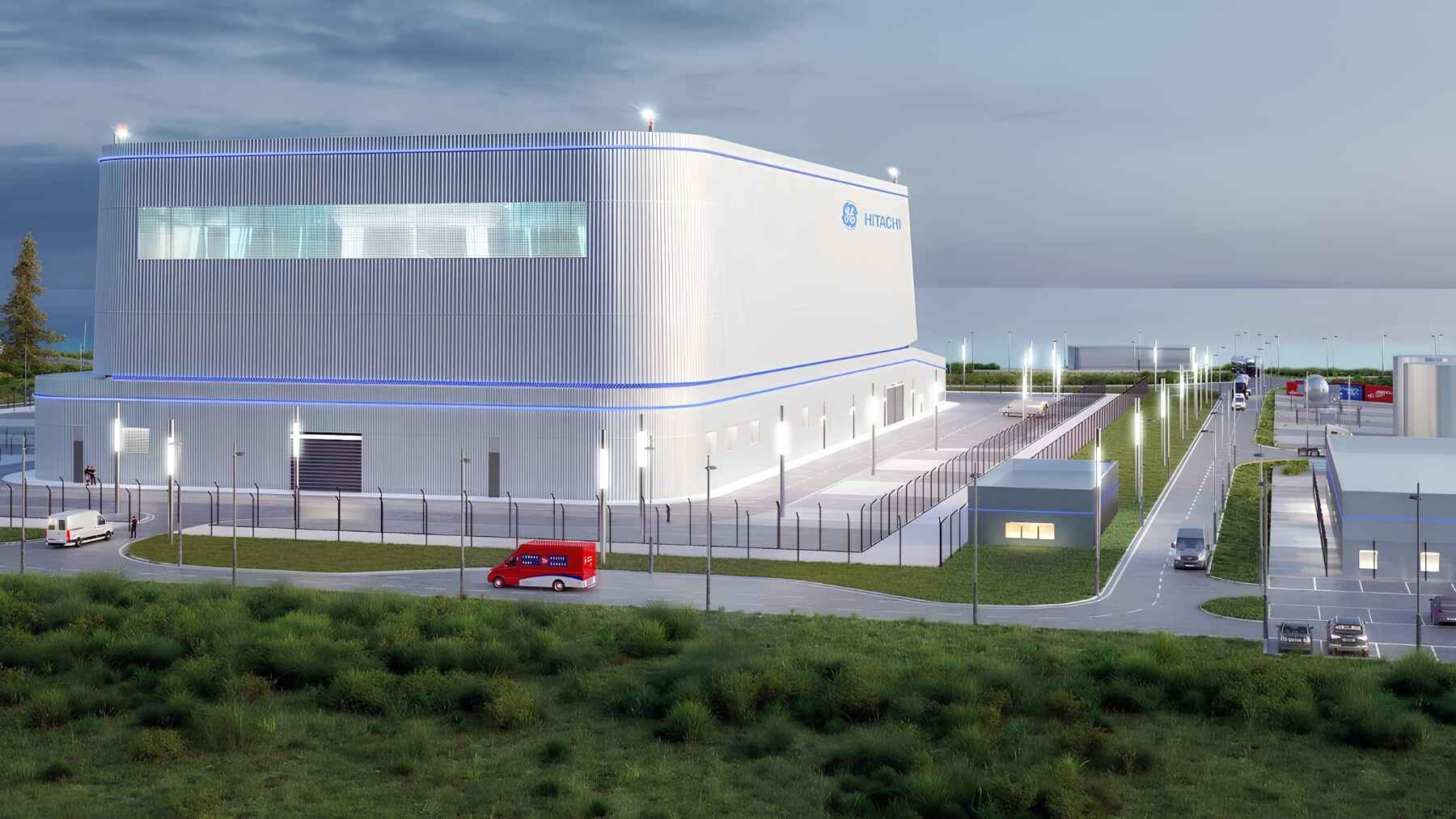
The proposal is backed by Polish billionaire Michał Sołowow and a team that includes GE Vernova Hitachi Nuclear Energy, which designed the BWRX-300. Instead of treating every plant as a custom megaproject, the group wants to build the same model again and again. Repetition is the heart of the pitch.
How the small reactors work
A small modular reactor is a compact nuclear plant designed so major components can be made in factories and assembled on-site. The BWRX-300 boils water inside the reactor, then uses the steam to spin a turbine and generate electricity.
Each unit is designed to produce up to 300 MW. The manufacturer says later repeat units could move from the first major concrete work to fuel loading in about two to three years, although planning, licensing, site preparation, and testing would add more time.
Oldbury could return to nuclear
The former Oldbury nuclear site in South Gloucestershire has been reported as a possible home for up to six reactors. However, the company has not formally named its locations, and the government says Oldbury remains under consideration for future public or privately led development.
Wylfa in North Wales has already been chosen for three Rolls-Royce small reactors totaling at least 1.4 GW. That puts the Polish-led plan alongside another major small-reactor program competing for skilled workers, suppliers, grid connections, and political attention.
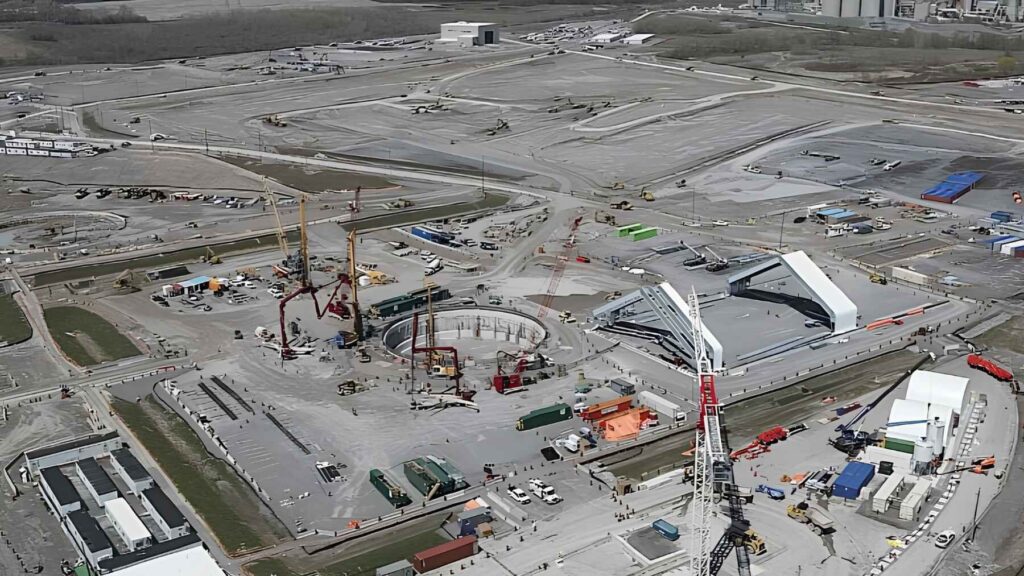
For nearby communities, the debate will not be only about electricity. At Darlington, early site work has already rerouted a waterfront trail and added road and earthmoving activity, a reminder that national energy policy can feel very local once the trucks arrive.
The price promise
The consortium says construction would be privately financed and consumers would not be charged before the reactors begin operating. It is seeking a Contract for Difference, which would guarantee a set price for electricity after a unit starts generating.
When the market price falls below that agreed level, the contract tops up the producer’s revenue. When it rises above the set price, the producer pays the difference back.
Rafał Kasprów, the company’s CEO, said, “Our price will be attractive and below what has been offered for Hinkley.” He did not disclose a number, so households still cannot judge what the promise might mean for the electric bill.
The 2034 deadline
The proposed timetable is unusually fast for nuclear construction. The company expects a pipeline decision in November 2026, site selection and support negotiations in the first half of 2027, then major investment and licensing work within roughly a year.
British regulators completed a preliminary review of the BWRX-300 in December 2025 and found no fundamental safety, security, safeguards, or environmental shortfalls. However, the review ended before a more detailed assessment, and any project would still need site-specific permits and approvals.
A real-world test is already underway. Ontario Power Generation began construction of the first BWRX-300 at Darlington in 2025 and expects it to connect to the grid by the end of 2030.
Britain’s nuclear record raises caution
Recent experience explains why the 2034 target will face scrutiny. A previous schedule called for Hinkley Point C to begin generating by the end of 2025, but EDF now organizes the first unit around a 2030 opening and warns that 2031 remains possible.
Sizewell C reached a final investment decision with an official construction estimate of about $50 billion after conversion into U.S. dollars. That does not prove smaller reactors will repeat the same problems, but it shows how quickly schedules and budgets can become the main story.
Jason Cooper, CEO of the reactor designer, said the Canadian project provides confidence from “real project execution.” Even so, no commercial BWRX-300 is operating today, so the promise of faster fleet construction remains partly untested.
Waste still follows the power
Small reactors do not make nuclear waste disappear. A 14-unit fleet would still produce spent fuel and other radioactive material that needs secure storage, long-term management, and eventually a permanent disposal route.
The Nuclear Decommissioning Authority put Britain’s undiscounted legacy cleanup liability at about $287 billion when converted at an early July 2026 exchange rate. The March 2025 estimate covers decommissioning and waste work across the existing nuclear estate, not only a future underground repository or the proposed fleet.
New projects must show how they will manage spent fuel, radioactive waste, and eventual shutdown, including funded decommissioning plans. This is the slow end of nuclear power, measured in generations.
What happens next
The Department for Energy Security and Net Zero will assess the application through the Advanced Nuclear Framework. Entry into the pipeline would be an endorsement in principle, not permission to build and not a blank check.
The proposal could make a major contribution to Britain’s power supply if the consortium secures sites, passes detailed reviews, and agrees on a price. Until then, it remains a major energy ambition, not a guaranteed fleet. The gap between proposal and project is still wide.
The official announcement has been published by SGE.