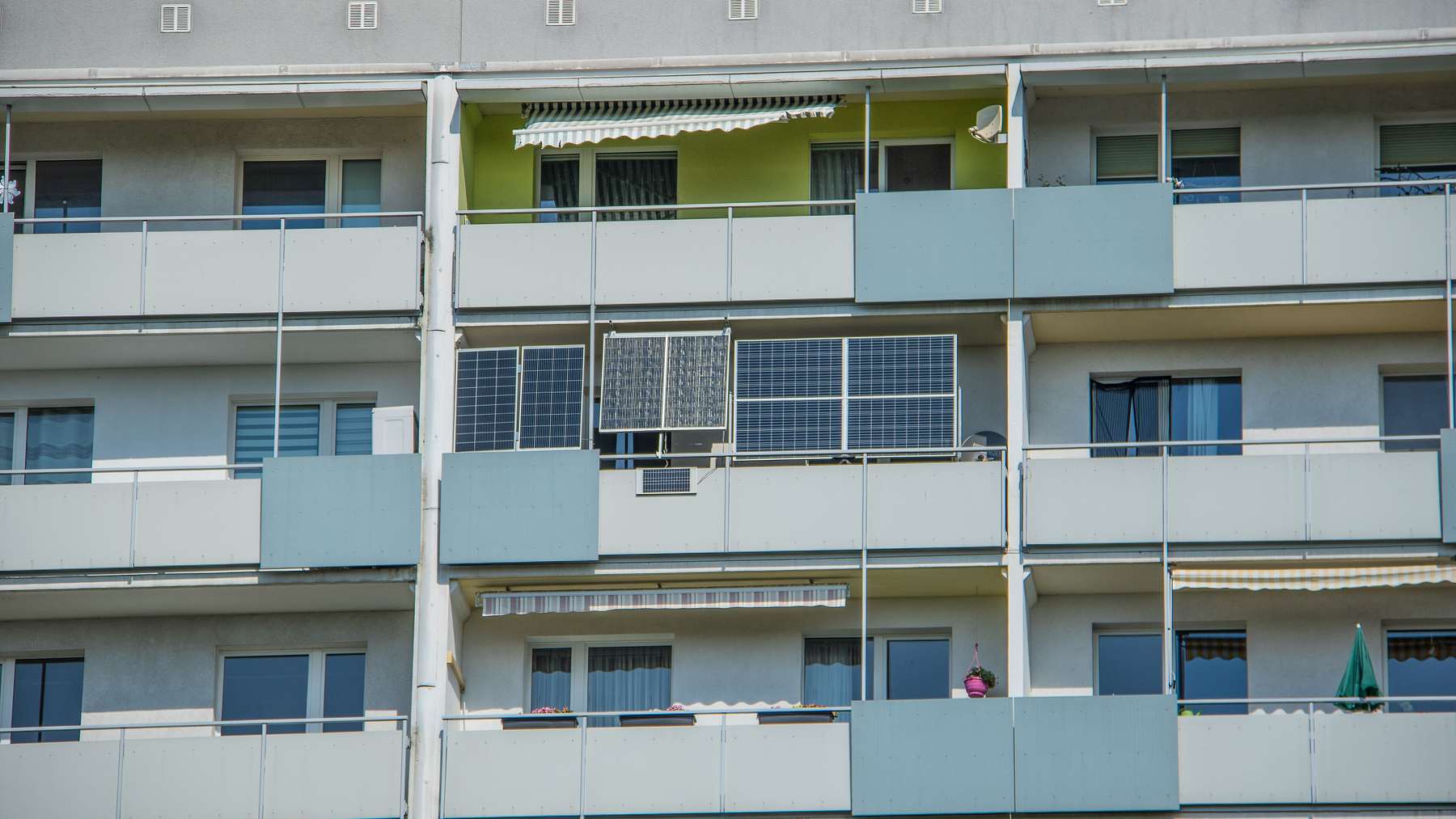
Germany now has an estimated 4.2 million balcony solar systems plugged in at homes and apartments, according to the country’s Environment Agency (UBA), far more than the official grid register shows. In Croatia, where HEP ODS runs the distribution grid, the same small kit still needs a certified installer, design documents and a paid metering point before it can be connected.
Counting the kits nobody registered
In mid-2024, Germany’s grid register showed about 586,000 balcony solar systems, though the industry suspected far more. Tobias Kelm and Daniel Stauch of the Center for Solar Energy and Hydrogen Research (ZSW) in Stuttgart, working for the UBA, ran a market survey and an expert discussion to find out.
Their report, published by the UBA in August 2025, counted around 800,000 registered devices at the end of 2024 but assumed almost 3 million were actually in operation. In a 2022 HTW Berlin survey of owners that they cite, 58 percent said they had never registered their device.
From 3 million to 4.2 million
By March 2026, AGEE-Stat, the working group that keeps Germany’s renewable energy statistics, had gone well past that number. In its report on 2025, released in August 2026, the UBA cites an estimate of around 4.2 million balcony solar installations with about 3,700 megawatts, roughly 3 percent of installed solar capacity. About 1.3 million were added in 2025 alone, but because the kits are small, that came to only about 7 percent of new solar capacity.
The register still lags. The Federal Network Agency logged about 430,000 new plug-in installations in 2025, it said in a statement on January 8, 2026. Its president, Klaus Müller, said solar once again led new capacity and that a total of 117 GW at year’s end “shows good progress has been made towards achieving the expansion targets.”
Germany cut the paperwork in 2024
Kelm and Stauch trace the boom to the energy crisis, when electricity prices at times shot up, and to subsidy programs some German towns set up on their own. In 2024 the agency added a much simpler registration form just for plug-in kits, and Germany’s Solar Package I took effect on May 16. Registration in the national data register is now usually enough, with no separate notice to the grid operator, the electrical engineering association VDE explains.
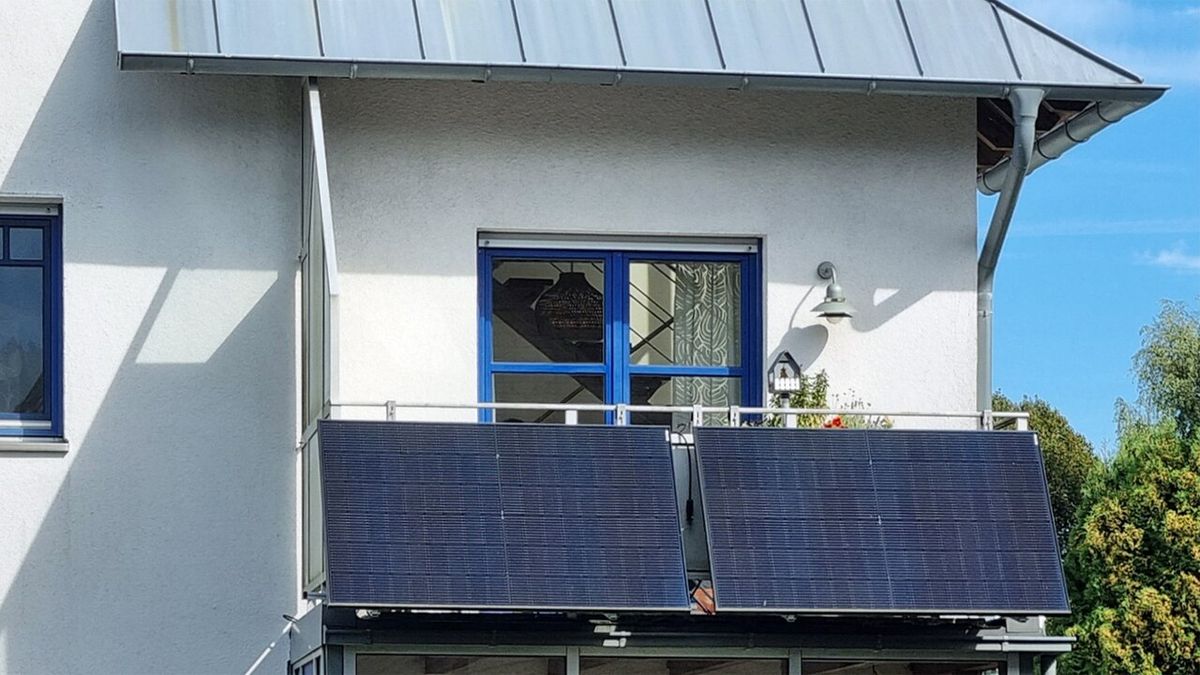
The simpler rules apply up to 2,000 watts on the panel side and 800 volt-amperes at the inverter. Whatever the household doesn’t use flows into the grid unpaid, and even a feed-in tariff on an 800-watt kit would bring only about 13 euros (about $15) a year, the UBA works out in its guidance on plug-in solar devices.
A product standard that took effect in December 2025, DIN VDE V 0126-95, sets safety and connection requirements for these systems for the first time, according to VDE. An ordinary Schuko wall socket is acceptable for panels totaling up to 960 watts, two standard modules, if the kit has added protection such as covered plug pins.
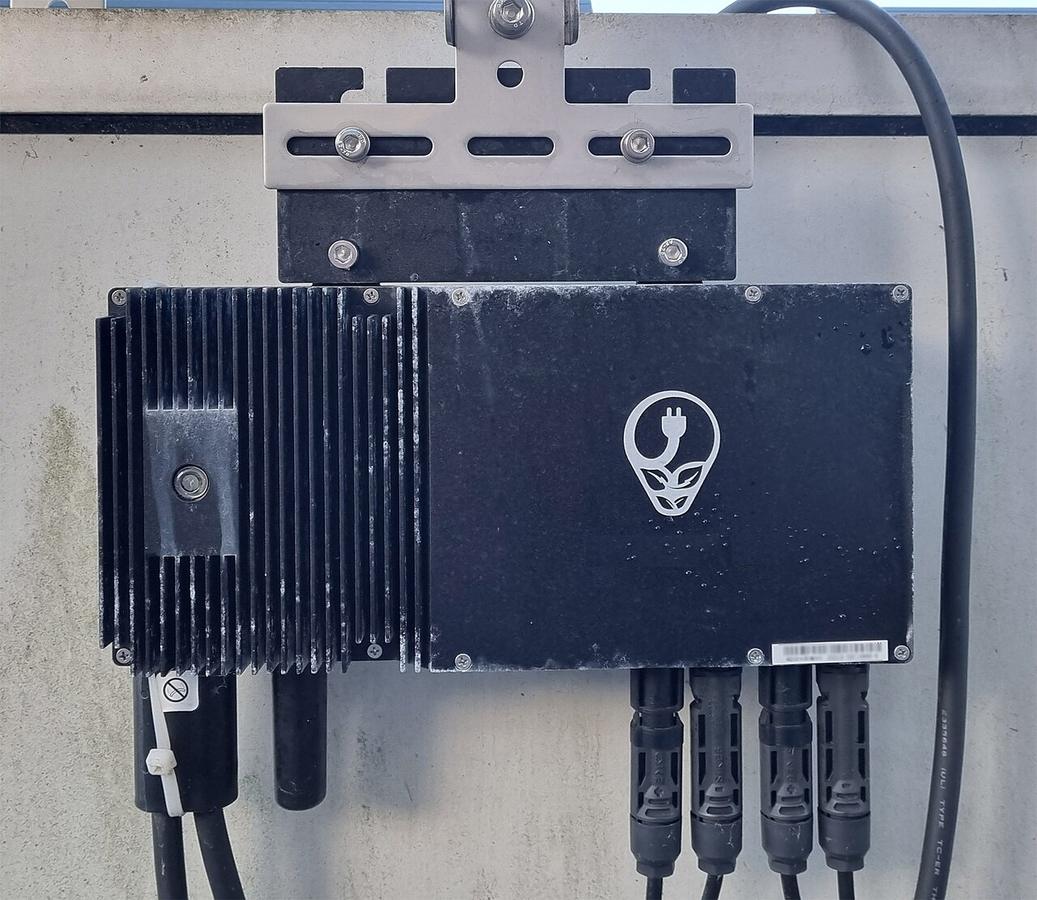
Above 960 watts, the UBA says, owners still need a special energy socket or a fixed connection put in by an electrician.
Croatia asks for a full file
HEP ODS adopted its rules on connection to the distribution network on July 14, 2023, and that version is still the newest on the operator’s website. Its simple notification route covers an existing customer who adds a plant exporting up to 3.68 kilowatts on one phase or 11.04 kilowatts on three.
Even then, the work may be carried out “only by a certified installer of renewable energy sources,” the rules say (translated from Croatian). The owner files a notice of intent with proof of payment for the metering point, the plant’s main design, a designer’s statement, proof of ownership and equipment certificates. An authorized contractor must certify the installation, and the plant can run permanently only under a supply contract in which the supplier also buys the electricity.
Other countries draw their own lines. In Britain, plug-in rules still send home batteries to a licensed electrician, and in Australia apartment renters have been plugging unapproved batteries into their walls.
Renters, roofs and savings
Germany is the only EU country where most people rent, with 53 percent living as tenants, Eurostat reported in February 2026. In Croatia, 91.0 percent of people lived in homes they owned in 2024. Since October 2024, German tenants can ask landlords to allow plug-in solar, and a landlord can refuse only for a compelling reason, the UBA notes. Disputes still happen, as when a judge ordered solar panels removed from a balcony.
For all the name, most kits never see a balcony. The majority are on single and two-family homes, the ZSW abstract says, and in HTW Berlin data only about a third hung on balconies.
Germany’s consumer advice centers, the Verbraucherzentrale, say a two-module kit sells for 200 to 300 euros (about $224 to $335), plus mounting. A 400-watt module on a sunny, south-facing balcony cuts grid purchases by about 200 kilowatt-hours a year, or about 60 euros (about $67) at 30 euro cents per kilowatt-hour, so the outlay can usually be recovered “within three to five years,” the group says.
That depends on using the power at home, a point that is changing how households think about solar savings. Market players polled by the ZSW team put the self-consumed share of a kit without a battery at a median of 45 percent. In 2024, 20 percent of new systems came with batteries, but the UBA says a battery for a plug-in kit will probably not pay for itself in an average household.
What the figures leave out
Neither the 3 million nor the 4.2 million figure is a head count. Both rest on surveys and assumptions, and only 8 questionnaires came back to the ZSW team. The prices and savings quoted here are German, and none of the official sources reviewed gives a comparable count for Croatia.
The UBA also says the kits make a rather small contribution to the grid and cannot replace rooftop systems, solar parks and wind turbines. Their value, it says, lies more in “democratizing the energy transition” and letting city tenants take part (translated from German).
The full ZSW study, in German with an English abstract, was published by the Umweltbundesamt.
Photo: Frank Eritt / Wikimedia Commons, CC BY-SA 4.0