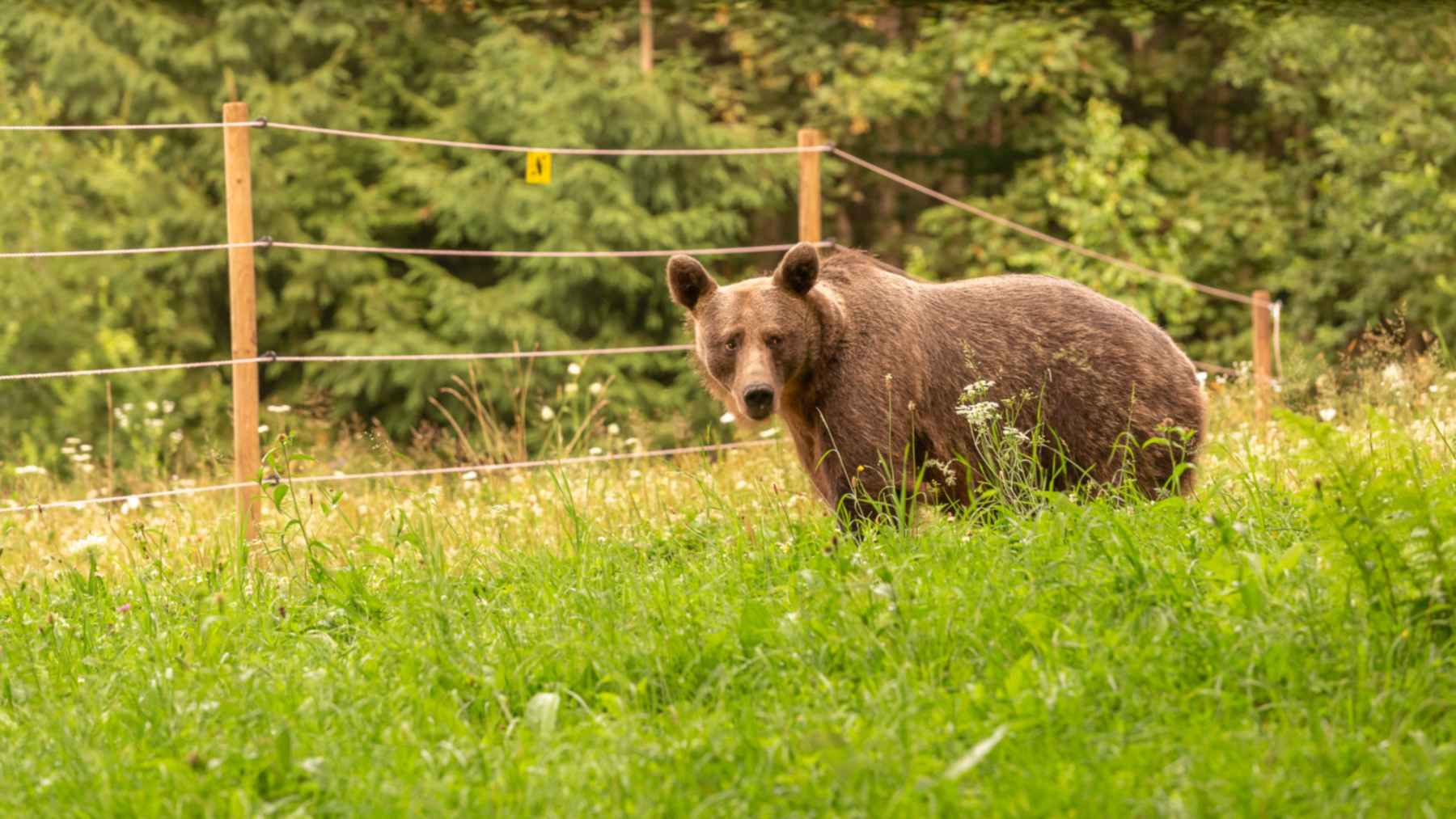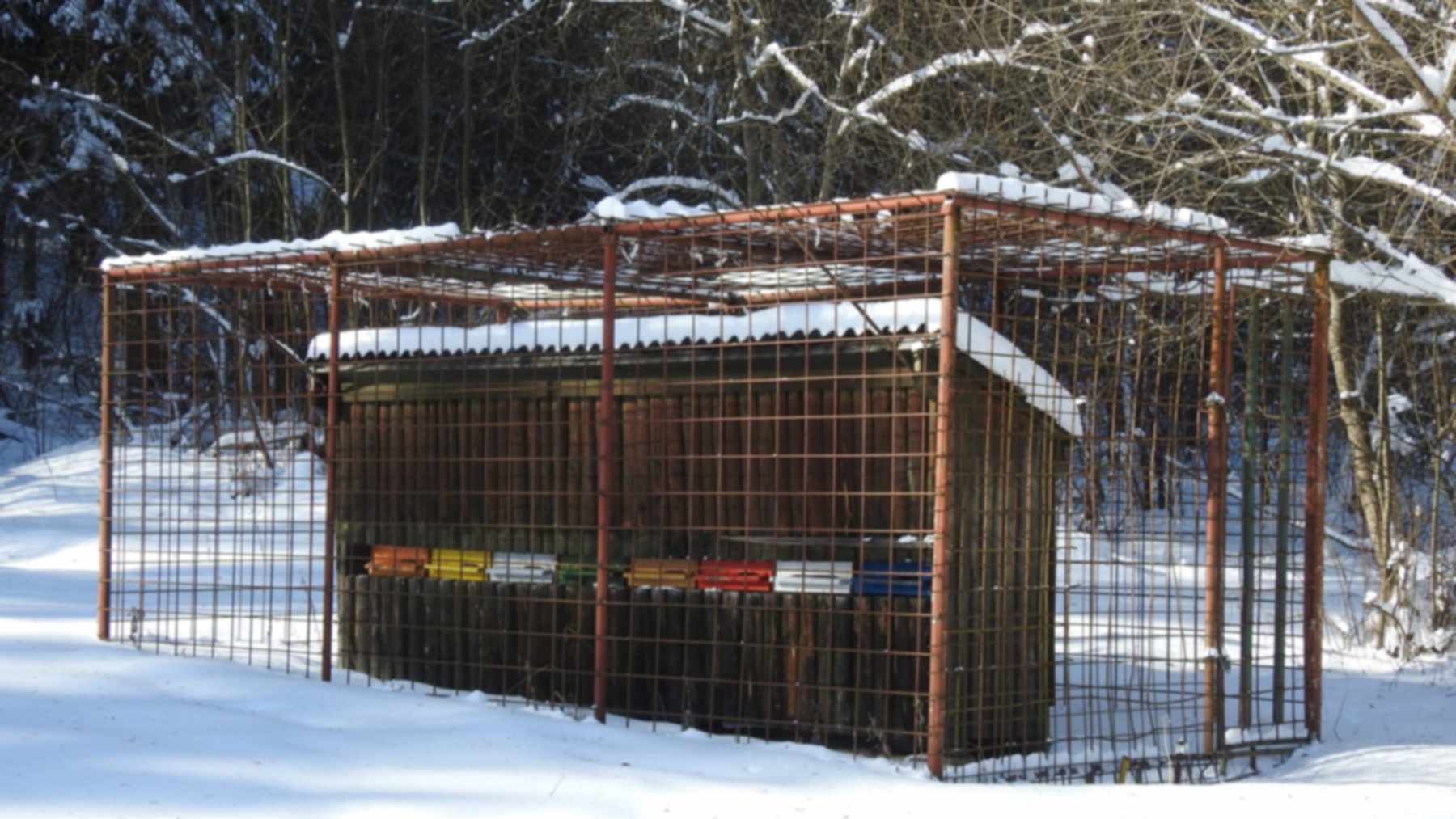
Brown bears damaged 130 beehives in 37 raids in Slovakia’s Liptov and Lower Orava regions between 2020 and 2024, according to a new study of district damage files. In roughly two of every three cases, the hives already had an electric fence.
The study covers the districts of Ružomberok, Dolný Kubín and Liptovský Mikuláš in northwestern Slovakia. Jakub Klačko, a student at Matej Bel University in Banská Bystrica, used Slovakia’s freedom of information law to get the files and then interviewed district officials. His co-author, Peter Urban, is a professor in its Department of Biology and Environmental Studies, and once worked as a zoologist at the State Nature Conservancy of the Slovak Republic, ŠOP SR.
June was the worst month
Damage peaked in 2023, with 15 events, or 40 percent of the total, and most raids came in spring and summer. June had 12 events, and April and July had 6 each, the months when colonies are full of brood, or larvae, and then of honey.
Ružomberok district had 30 of the 37 events. In 2023 it counted 3,545 colonies and 315 beekeepers, and bears damaged 1.38 percent of those colonies. Liptovský Mikuláš, with roughly twice as many colonies, logged 5 events in five years.
The same sites were hit again
Most damage, 22 events or 59 percent, happened in rural areas outside villages, and it came back to the same places “despite the use of preventive measures, particularly electric fencing,” the authors write. A site called Do Dielca, near the Ružomberok town cemetery, appears seven times in the tables, with 46 colonies, and every case there that was paid out lists an electric fence. Its hives were hit in 2021, in 2022, three times in 2023 and again in 2024.
In June 2023, the country’s brown bear intervention team found several synanthropic bears, animals used to living near people, at that cemetery, drawn by pork and beef tallow added to the candle wax. Light, sound, alarm shots and pyrotechnics failed, and the bears “showed no signs of shyness when encountering humans,” the team wrote. It trapped a male about 5 years old, roughly 220 pounds (100 kilograms), and a vet put it down.
Up the valley in Liptovské Revúce, ŠOP SR said in October 2023 that a four-year-old male had destroyed bee colonies and damaged electric fences. A local hunting association shot it.
How a bear fence should be built
The authors still recommend electric fences, combined with ordinary fencing, but stress that a fence only works if it is built correctly and has a strong enough energizer, the box that sends the pulses. Slovakia’s brown bear care program asks for at least four wires, the lowest about 4 to 10 inches (10 to 25 centimeters) off the ground and the highest at least 55 inches (140 centimeters) up, with at least 7 joules per pulse. The intervention team’s prevention page adds at least 6,000 volts.
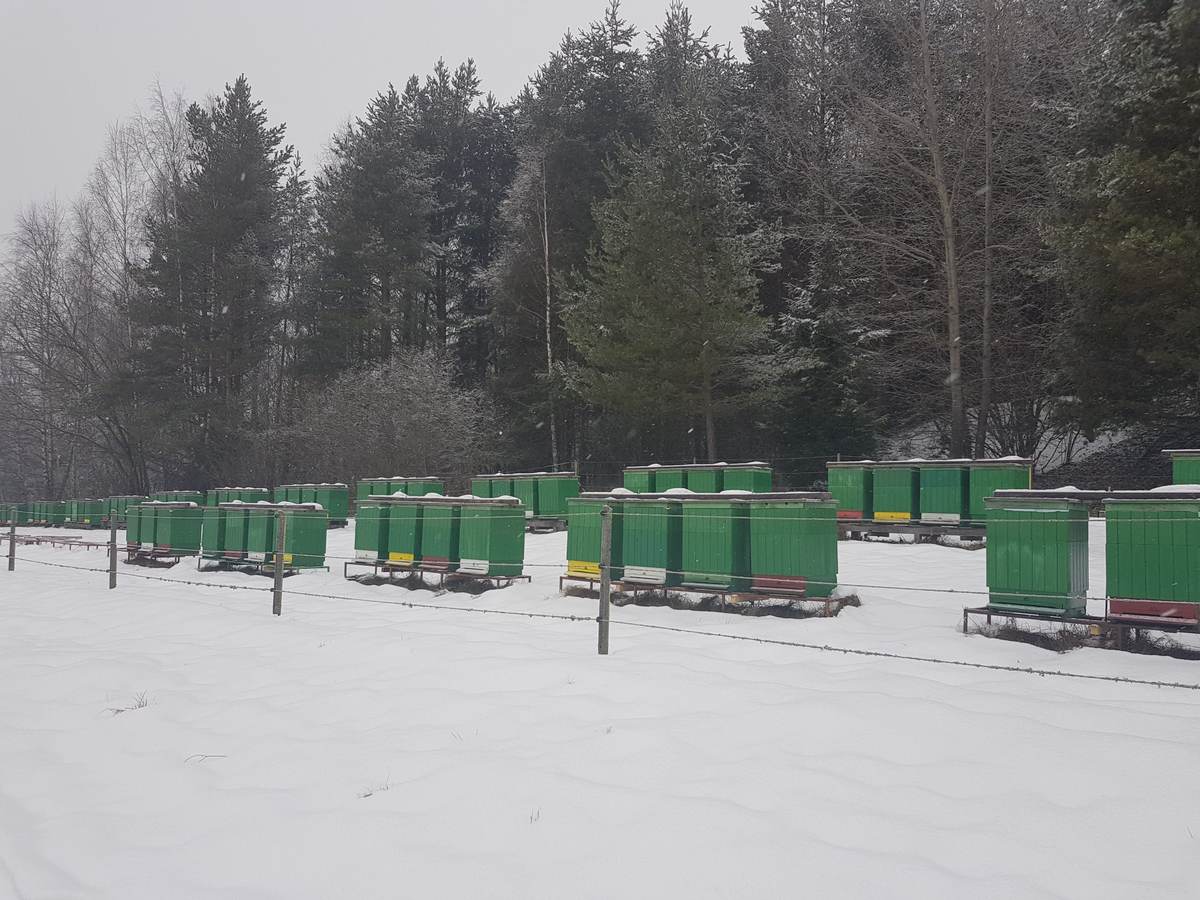
ŠOP SR has also filmed the job. A documentary made by Michaela Skuban, an ŠOP SR zoologist and large carnivore expert, shows how to install an electric fence against bears and protect bees, the agency said in 2023.
The study also cites Spain, where the wildlife foundation FAPAS fenced 16 apiaries in Asturias and León between 2013 and 2023 with mesh and electric wires. Bears had damaged each of those apiaries every year before. After the fences went up, no more bear damage was recorded, and a 330-foot (100-meter) fence for 80 hives cost about €500.
State money for fences around hives
In January 2023, the environment ministry and ŠOP SR presented a project to keep brown bears away from people that included 29 electric fences to secure bee colonies, along with bear-proofed waste bin stands and containers. Under it, the administration of Tatra National Park, TANAP, signed agreements in 2024 to lend fence kits to beekeepers, including one in Pribylina, a Liptov village below the Tatras, until Dec. 31, 2028.
The kit in one contract has a 7-joule energizer, a 100-watt solar panel and two 12-volt batteries, and the park pays for maintenance. That July, then-environment minister Milan Chrenko said good prevention could only be built together, from fencing criteria to “effective and predictable financial mechanisms to support prevention.”
The study lists other options too, such as closed enclosures, metal cages and raised platforms. In Virginia, a solar farm’s security fence ended up doing a similar job, and there the fence protects the hives from black bears.
Where bears and people meet
By Oct. 12, 2026, the official bear report map showed 597 reports from Liptovský Mikuláš district, out of 2,385 in Slovakia, well ahead of Banská Bystrica district with 283. Each report is a public sighting, so the map shows where bears were seen, not how many there are. In August 2023, the intervention team killed a 3-year-old male in Demänovská dolina, a resort valley in the same district, that had grown used to food from unsecured waste bins, according to ŠOP SR.
The study calls the brown bear an opportunistic omnivore and a flexible generalist that also uses food from people, bee colonies included, and many bear populations may lean more heavily on plants as climates warm. In the High Tatras, east of Liptov, towns locked up their trash, and reports from Starý Smokovec fell from 128 in 2020 to 4 in 2022. Michal Haring of the intervention team said the main focus should be long-term prevention, including better seeding practices and moving “inappropriately placed feeding and baiting areas for wild game.” In the French Pyrenees, biologists count brown bears track by track, while Liptov fields hundreds of calls a year from one district.
What the damage files miss
Most entries in the district files give only a cadastral area and a note saying whether the site was inside or outside the village. Klačko could place only seven sites on a map, and just one came with GPS coordinates. The tables note an electric fence when there was one, but nothing about its voltage, its grounding or whether the energizer was switched on, and they hold only cases that reached an office.
Most damage was compensated, with €38,869.30 paid over the five years, more than half of it, €21,879.30, for 2023 alone. The authors ask offices to record a GPS point for every case and post short summaries online. The full study was published in Ochrana prírody.
Photo: Michal Haring / ŠOP SR