The green economy has crossed a striking line, $10 trillion in market value. A new report from the London Stock Exchange Group says that if these environmental businesses were treated as their own industry, they would now rank as the third-largest in the world, behind technology and industrial goods and services.
This is not just a climate story. It is also a money story, and it lands at a time when families are worried about the electric bill, companies are chasing power for data centers, and governments are thinking harder about energy security. The basic message is simple. Clean technologies are no longer a side bet.
What counts as green
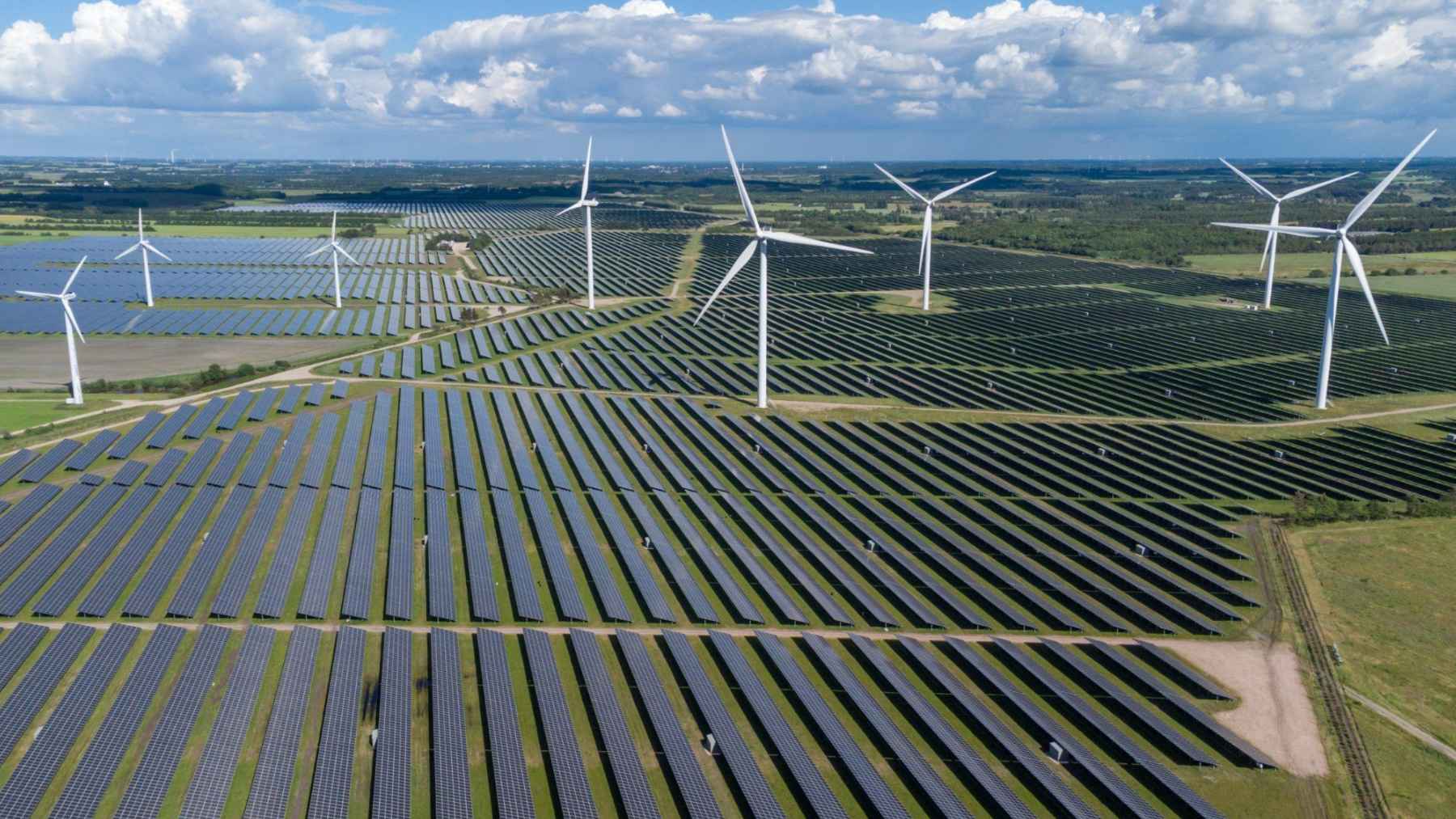
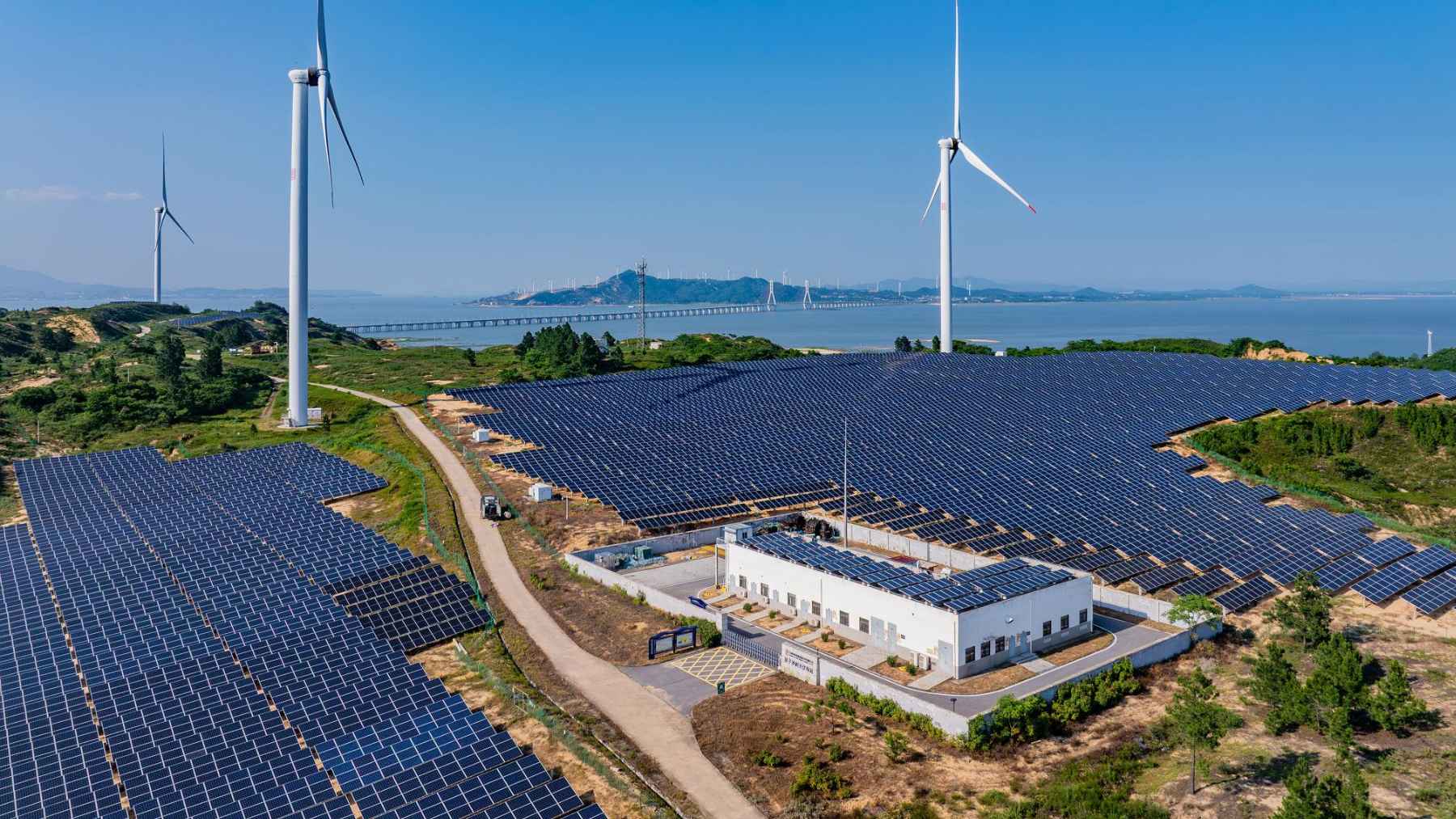
The green economy is the group of companies that make serious revenue from products and services with environmental benefits. That can include renewable energy, clean water, energy-efficient buildings, recycling, cleaner transportation, and equipment that helps industries use less power.
The report looked at more than 21,000 publicly listed companies around the world. It measured how much of their revenue came from green activities, rather than simply labeling a company good or bad.
That distinction matters. A company can be partly green and partly tied to older energy systems, which makes the label useful for investors but a little messy for everyone else.
Why investors care
Market value, often called market capitalization, is the total value investors assign to a company on the stock market. Gernot Wagner, a climate economist at Columbia Business School, called it “what makes the world go round” because it shows where investors believe future returns may come from.
Green revenues grew 5.3% in 2025, the fastest pace since 2022. The report also found that green equities were 12.4% above the broader market over the past 12 months, and that since 2008, the green economy has outperformed global equities by 133%.
That does not mean every green company is winning. Some still face high costs, political pushback, and supply-chain trouble. But the overall trend is hard to miss.
The money is moving
Lily Dai, one of the report’s main authors, said the sector’s “robust revenue growth” should point to real market strength. In plain English, companies are not just talking about the transition. Many are selling products and services linked to it.
The same report found that companies with more than half of their revenue from green activities had profit margins two to four percentage points higher than non-green peers in their sectors. That pushes back against the old idea that greener business must always mean weaker profits.
At the end of the day, investors follow returns. When clean power, efficiency, batteries, and electric transport start looking like practical business lines, the conversation changes.
Energy shocks changed the math
For years, climate policy was the main reason many people talked about green investment. Now, energy security is just as important. Oil and gas shocks, rising electricity demand, and unstable fuel prices have made cleaner technology look less like a luxury and more like insurance.
Think of a store owner watching utility bills climb during a hot summer. If better insulation, solar power, or battery storage can lower costs or smooth out price spikes, the decision becomes less political and more practical.
That is one reason the report links the green economy’s growth to volatility, not only to climate goals. The world is still using huge amounts of fossil fuel, but the alternatives have become part of the financial mainstream.
Deals are getting bigger
Green mergers and acquisitions reached $308 billion in 2025, making up 12.6 percent of global deal value. Over the past decade, green deal value reached about $4.1 trillion, according to the same analysis.
One major example is NextEra Energy’s planned all-stock acquisition of Dominion Energy, announced in May 2026, at roughly $67 billion. The report said it would be the largest green merger and acquisition deal ever.
But there is a twist. The combined company would lead the United States in renewable electricity, while also ranking first in electricity from gas fired power plants. Green, in the real world, is not always a clean, straight line.
The U.S. still matters
Even with the Trump administration shifting federal priorities toward domestic oil and gas production, the United States remains the world’s largest green economy by market value. That may sound surprising, but it reflects the size of U.S. capital markets and the scale of corporate energy buying.
Artificial intelligence is part of the story. Meta, Amazon, Google, and Microsoft together accounted for nearly half of U.S. clean power purchase agreement deals in 2025, as data centers looked for enormous amounts of electricity.
Here is the catch. Data centers can drive demand for renewables, but they can also increase demand for gas-fired power. So the boom is helping the green economy while also exposing its contradictions.
Clean power has a rough road
A separate report from the Environmental Defense Fund and Atlas Public Policy found that the United States had 471.1 GW of operational clean power capacity in the first quarter of 2026. It also said 79.7 GW of clean power were expected to come online in 2026, even as developers canceled more than 8 GW in the first quarter.
Solar and batteries dominate the planned clean power pipeline. Together, they make up most of the clean capacity planned or under construction, though batteries should be understood as support for the grid rather than a source that creates electricity by itself.
That is the reality behind the big number. The green economy is growing fast, but it still depends on permits, power lines, financing, and politics.
What the milestone really says
The $10 trillion mark does not mean the fossil fuel era is over. It does mean that environmental businesses have become too large for investors, governments, and companies to treat as a niche.
For the most part, the direction is clear. Demand for electricity is rising, clean technologies are getting built, and investors are watching for returns in places that once looked risky or experimental.
A decade ago, the green economy often sounded like a promise. Now it looks more like a market force.
The official report has been published by the London Stock Exchange Group.