The fight over Bougainville’s Panguna mine is no longer just a story about what happened decades ago. It is also a warning about what could happen next, as leaders look again at one of the world’s most controversial copper and gold deposits while communities say the old damage still sits in their rivers, soil, and daily lives.
Theonila Roka Matbob, an Indigenous Nasioi woman, Bougainville politician, and 2026 Goldman Environmental Prize winner, grew up near the mine and has become one of the clearest voices demanding justice. Her central point is simple. Before Panguna is treated as the key to Bougainville’s economic future, its toxic past must be dealt with honestly.
Panguna’s old wounds
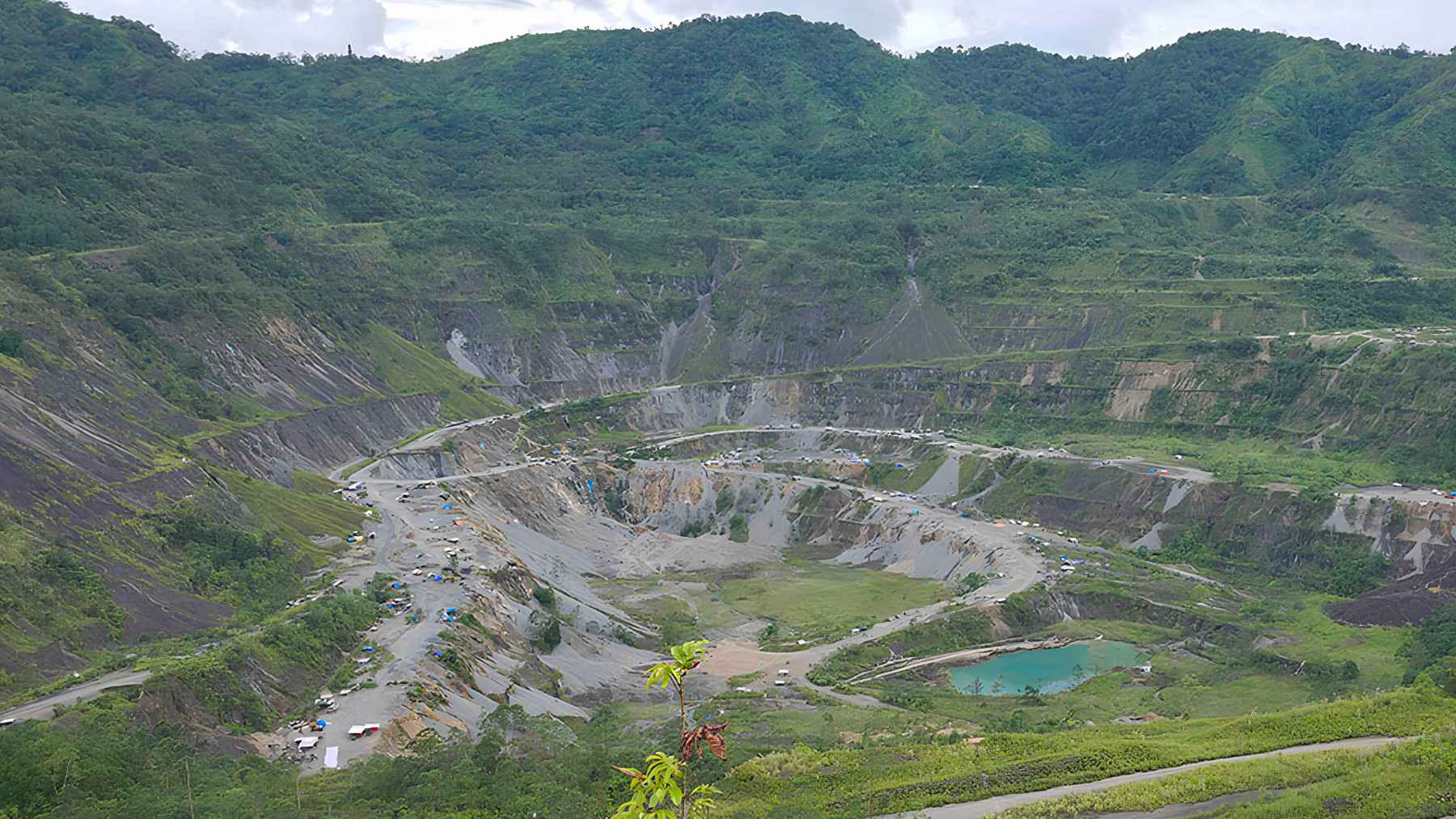
The Panguna copper and gold mine operated from 1972 to 1989 through Bougainville Copper Limited, which was then majority owned by Rio Tinto. During its working life, it became one of the world’s largest open-pit mines and accounted for about 44% of Papua New Guinea’s export revenue, according to the Goldman Environmental Prize.
But those numbers do not capture what people nearby say they lost. The mine was shut after an uprising against environmental destruction and unfair profit sharing, followed by a decade-long civil war. For many families, Panguna is not an abandoned industrial site. It is a wound that never really closed.
A complaint that changed the story
In 2020, affected Bougainville residents, represented by the Human Rights Law Centre, filed a complaint with the Australian National Contact Point for Responsible Business Conduct. The complaint alleged that Rio Tinto had failed to meet responsible business standards tied to human rights and the environment.
The complaint also described nearly 1.1 billion U.S. tons of mine waste left behind, with downstream communities reporting polluted water, flooding, dust, and health concerns. Imagine having to plan your day around finding safe water. For some families near Panguna, that has been part of ordinary life.
Rio Tinto’s new commitment
After years of pressure from communities, Rio Tinto, Bougainville Copper Limited, and the Autonomous Bougainville Government signed a memorandum of understanding in November 2024 to form a Roundtable and address the findings of the Panguna Mine Legacy Impact Assessment.
Rio Tinto said the process would consult local communities and develop a remedy mechanism aligned with United Nations business and human rights principles.
The impact assessment identified unstable buildings and landforms, mine-related flooding and sediment movement, contamination of soil and water in some processing and chemical storage areas, and pollution linked to waste rock and tailings. Rio Tinto said it recognized the seriousness of the findings and accepted them. That matters, but recognition is not the same as repair.
Why Matbob is skeptical
Roka Matbob has welcomed the fact that the story is finally being told, but she remains worried that Bougainville could rush back into mining without learning enough from Panguna’s history. In a recent interview, she described the mine as a “toxic legacy” left without a proper forum for affected people to speak about it.
Her concern sharpened after the Bougainville government signed a memorandum of understanding with Indian company Lloyds Metals and Energy Limited in November 2025. Bougainville Copper Limited later said the deal created a formal framework for collaboration on major development projects, including Panguna, although it was nonbinding.
Reopening without repeating mistakes
Can a mine be reopened before its old damage is fixed? That is the hard question hanging over Panguna.
BCL announced in April 2026 that it had entered a nonbinding cooperation agreement with Lloyds Metals for technical, commercial, financial, environmental, and social due diligence at Panguna. The agreement did not require either party to proceed with a binding redevelopment deal, but it showed that reopening discussions were moving from talk toward planning.
For communities, due diligence must mean more than checking whether copper can be mined again. It should also ask who bears the cleanup cost, how waste will be managed, where affected families get safe water, and whether landowners can meaningfully say no. Otherwise, Panguna risks becoming a lesson everyone claims to remember but nobody applies.
Justice before extraction
Roka Matbob’s campaign has already forced a powerful company to confront damage that communities say had been ignored for decades. That is why the Goldman Environmental Prize recognized her work as a major environmental justice victory. Still, her message is not just about Rio Tinto. It is about how governments and companies handle places where minerals, money, and memory collide.
At the end of the day, Panguna’s future will not be judged only by export revenue, investor confidence, or the promise of independence funding.
It will be judged by whether people living with the mine’s legacy can finally drink clean water, farm safely, and trust that a new project will not bury old harms under fresh promises.
The press release was published on the Goldman Environmental Prize.