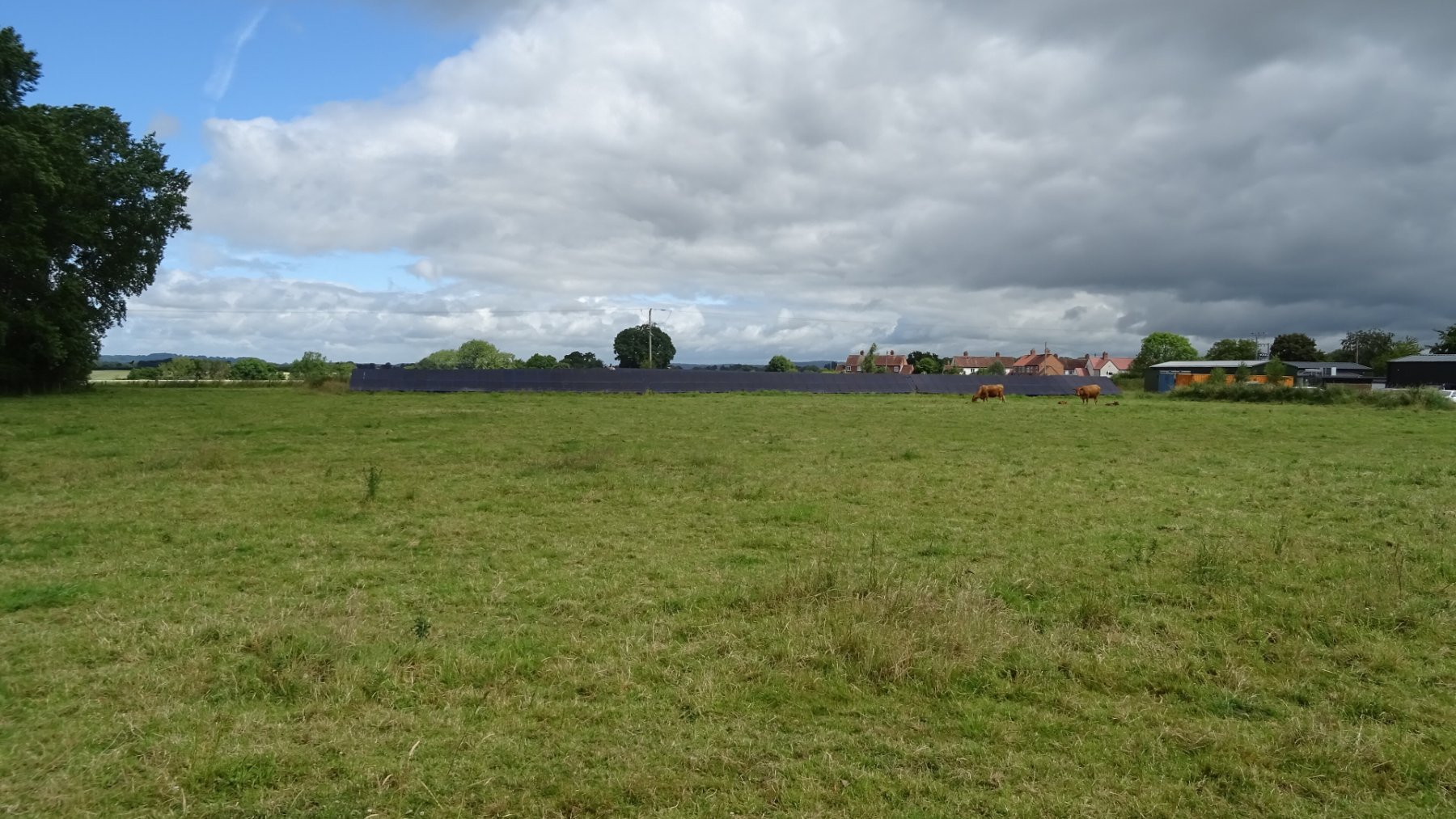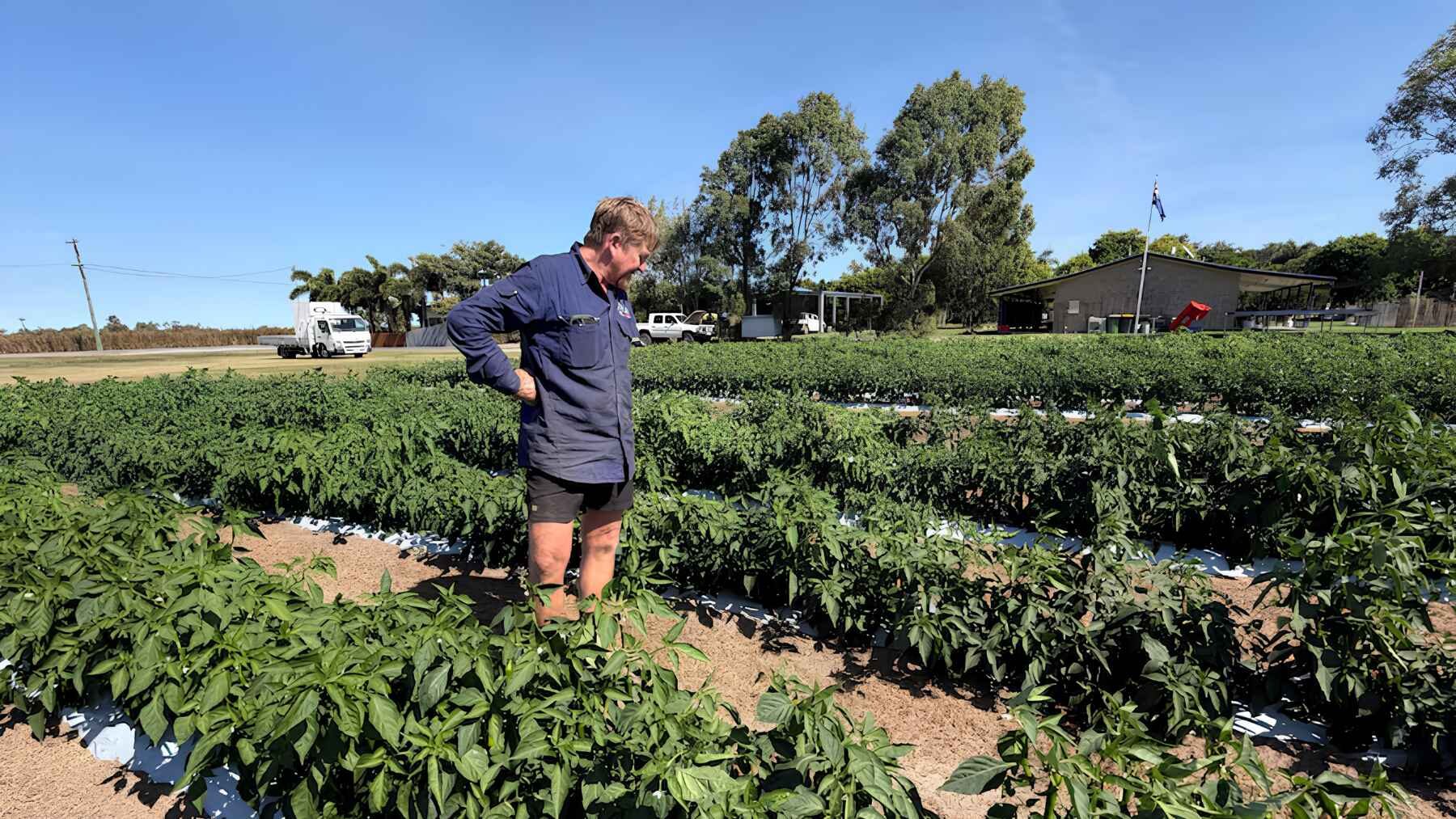
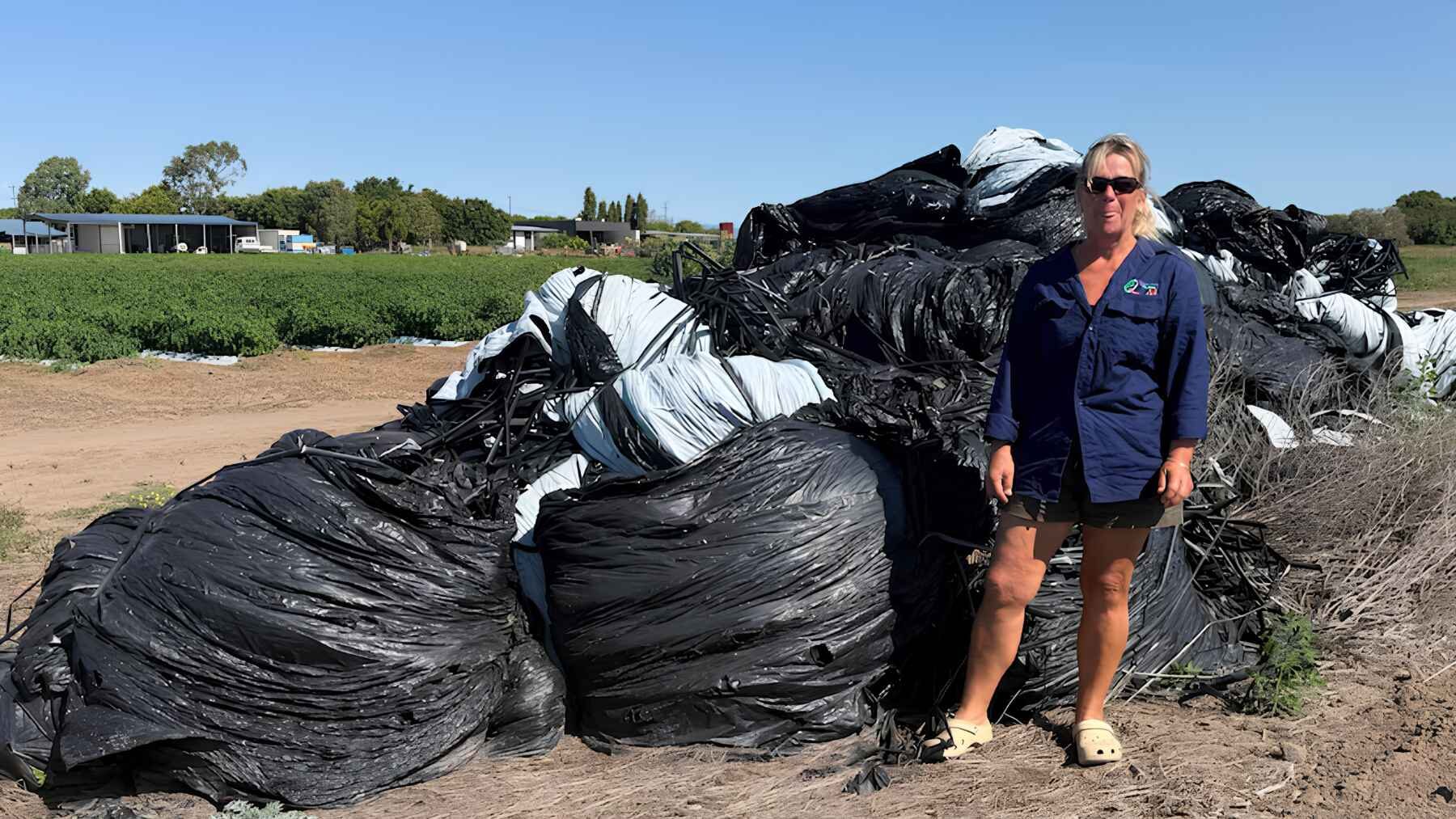
On Jodi and Phill Brown’s farm near Bowen, white and black weed matting gives tomato, chile, and bell pepper seedlings protection from weeds and the northern sun. Black drip tape beneath the rows delivers water and fertilizer to the roots, but after harvest those same materials become dirty, bulky waste with nowhere practical to go.
The Browns’ growing stockpile points to a much larger failure. Queensland’s new recycling strategy puts plastics on its priority list, yet it does not set out a dedicated pathway for the film, pipe, tape, netting, and mesh used on farms, especially in remote regions where a long truck trip can cost more than the recovered plastic is worth.
Plastic is useful until the harvest ends
Agricultural plastic is not a pointless extra. The Food and Agriculture Organization says products such as mulch, irrigation tubing, greenhouse covers, and protective films can raise productivity, conserve water, reduce agrochemical use, and extend growing seasons.
The trouble starts at the end of the crop cycle. Farm plastic is often mixed with soil, plant matter, moisture, or chemical residues, and FAO says that contamination makes the material difficult to recycle even when farmers want to do the right thing.
Australia recycles only a small share
The best available estimates use slightly different scopes, but both show a severe gap. RMCG puts Australia’s pre-farm-gate plastic waste at around 100,000 metric tons in 2020–21, while an Australian Government stewardship brief estimated about 90,000 metric tons of non-packaging agricultural plastic a year and said only around 7% was recycled.
Agricultural waste consultant Anne-Maree Boland told ABC that probably two-thirds of the total is generated by horticulture. She also said the economics start to fail when plastic must travel more than 300 kilometers, which helps explain why regional growers can face landfill bills running into thousands of dollars while still struggling to find a carrier.
One failed program cost growers real money
The Browns tried to prepare for recycling rather than wait for someone else to solve the problem. They spent about A$30,000 on a special tool that swept their plastic matting clean and kept it separate from drip tape, only for the proposed program to miss out on government funding and collapse.
That experience exposes the weak link in many recycling pilots. A machine on one farm is not enough without reliable collection, clear contamination standards, long-term financing, processing capacity, and customers willing to buy products made with the recovered material.
Townsville could change the math
Sandra Richards is now working with a family owned Chinese recycling company on a proposed Townsville facility that could wash and process about 20,000 metric tons of farm plastic each year. The partners say the material could return to agriculture in products such as produce bags, creating a more local loop instead of another trip to landfill.
On paper, that capacity equals roughly one-fifth of RMCG’s national estimate for annual farm plastic waste. The project is still looking for a site with the right combination of electricity, water, and access to the Port of Townsville, a reminder that a recycling plant needs far more than a steady pile of feedstock.
Queensland has funding but no farm-specific program
The Less Landfill, More Recycling 2035 strategy aims for a 65% overall recycling rate and 2.6 million fewer metric tons sent to landfill by 2035. Its public summary lists plastics among the priority wastes and is backed by more than A $487 million over five years, while another A$488 million over four years is intended to help offset waste levy costs for households.
Still, the published summary does not name farm or agricultural plastic as a dedicated stream. It does promise support for new waste technologies and regional transport challenges, and Environment Minister Andrew Powell has said the government is ready to work with farmers, councils, and companies that put forward a workable solution.
A national blueprint already exists
Australia has already tested the bones of such a system. A national agricultural plastics stewardship project ran from 2021 to 2023 and covered protective films, irrigation and drainage pipe, tape, nets, and mesh, with an implementation plan recommending an industry-led scheme from the 2024–25 financial year subject to further consultation and a working group.
The pieces are not mysterious. Growers need nearby collection points, agreed rules for cleaning and sorting, a fair way to share costs across the supply chain, dependable processors, and strong end markets for recycled material, all operating for years rather than disappearing after a short pilot.
The pile cannot be the final destination
Jodi Brown summed up the immediate reality by saying, “It’s a huge problem.” FAO warns that plastic left in agricultural landscapes can damage soil and ecosystems, while burying, landfilling, or burning it shifts the environmental cost away from the checkout and back onto the farm.
The answer is a durable regional system that keeps these useful materials in circulation instead of leaving growers to store them season after season.
The waste strategy was published on the Queensland Government website.