Captain Abraham Bristow left pigs in New Zealand’s remote Auckland Islands in 1807 for the benefit of future navigators. In January 1999, 192 years after 1807, volunteers carried 17 Auckland Island pigs to the mainland. Animals of that strain became donors in diabetes safety trials, and officials now plan, once funding is in place, to remove every feral pig left there.
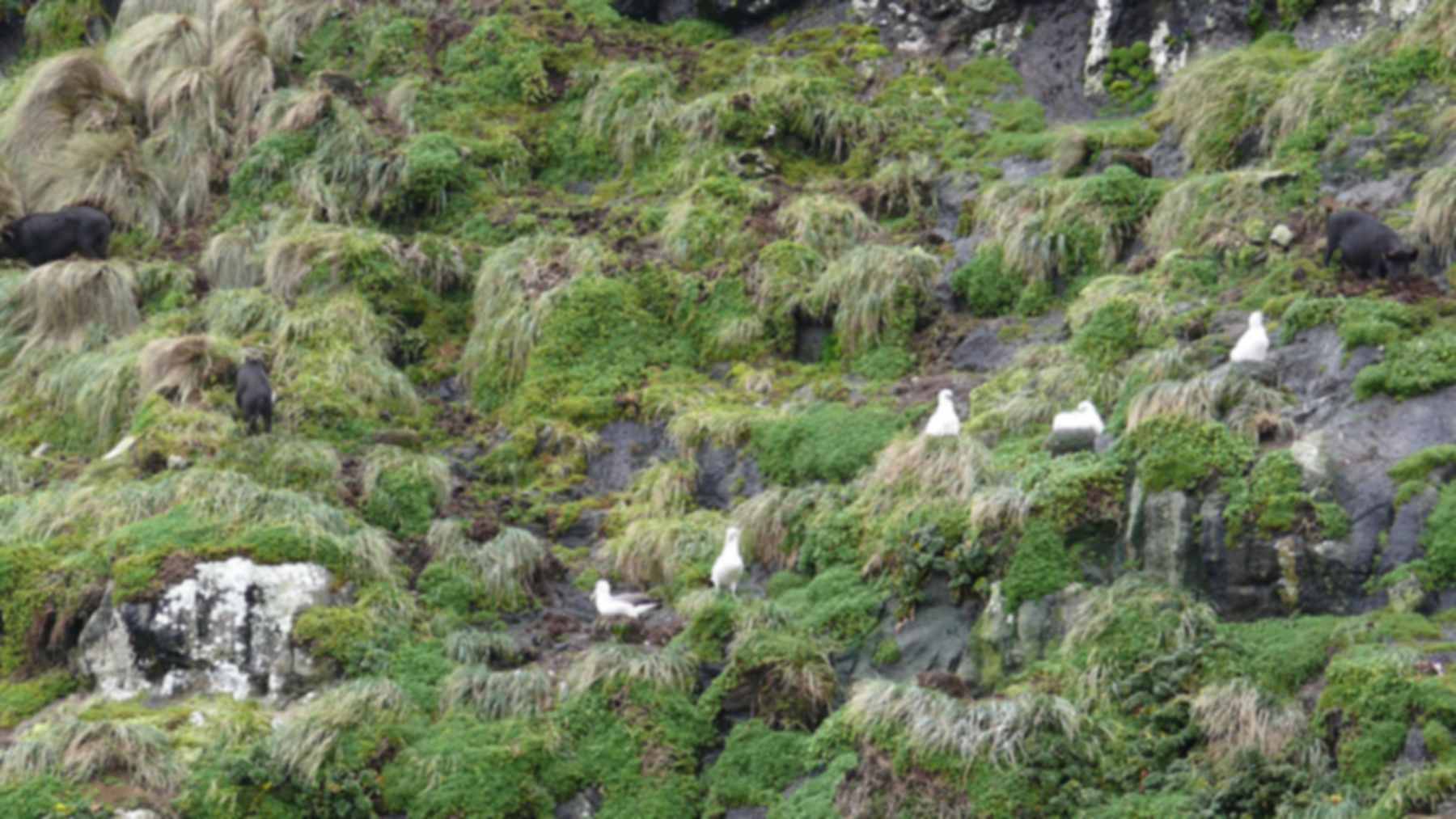
The islands lie about 200 miles (320 kilometers) south of the mainland, the Rare Breeds Conservation Society says. Feral pigs, cats and mice have badly damaged Auckland Island over 150 to 200 years, according to the Department of Conservation.
Hogs for future navigators
Writing in 1810, Bristow said he had “left a breed of hogs (the only quadrupeds I had on board) on Enderby Island.” That smaller island sits in the same group. His logbook no longer exists, and historians Michael Trotter and Michael Willis found no mention of pigs left on Auckland Island itself.
An American expedition spent several days in the north of Auckland Island in March 1840 and saw no pigs. James Clark Ross found numerous pigs there later that year, then released more from his ships. Trotter and Willis say the first arrivals may even have swum across from Enderby.
More releases followed until the 1890s, the Rare Breeds society records. The 1999 animals were therefore a mixture of several introductions, and they had lived in isolation for about a century.
Six dogs in the rata forest
The society wanted a live group saved before the department cleared the island. Its expedition left Bluff on January 12, 1999, with six trained dogs and two handlers. A Lotteries Commission grant of NZ$30,000 helped pay for it.
“It’s easier to get to Antarctica than to go to the Auckland Islands!” coordinator Michael Willis said in the society’s account.
Dogs found each pig in the twisted rata forest and held it at bay. Hunters then taped its jaws and legs with duct tape and carried it to the shore on their shoulders. One hunter took a tusk through his leg.
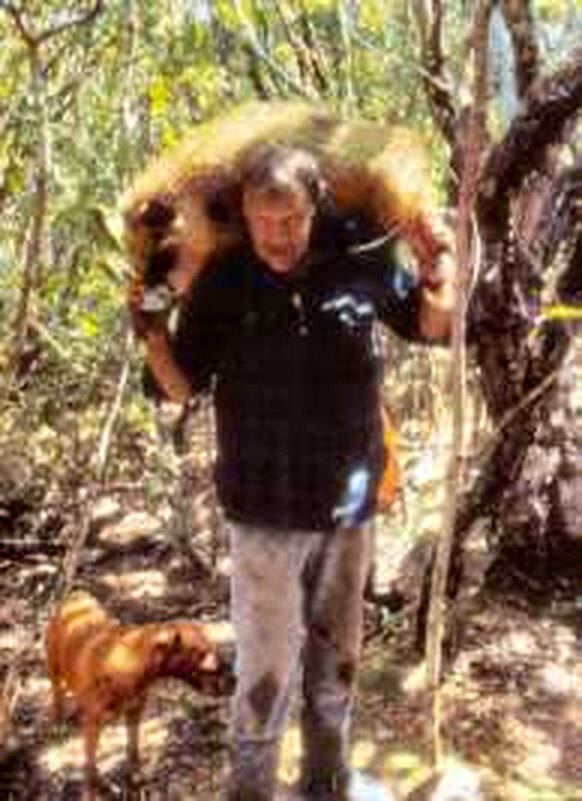
By January 23 the team was back in Bluff with 17 pigs, including several pregnant sows. Handlers remarked on how calm the animals were. Trotter and Willis suggest generations without hunters or predators may explain it.
A mayor paid for the feed
Quarantine in Invercargill should have lasted a few weeks and ran past a year. The Pig Breeders Association had objected that the animals might endanger domestic herds. When food money ran out, Mayor Tim Shadbolt bought feed with his mayoral funds.
Bob Elliott of Auckland University then saw a medical use for such isolated animals. Pig-to-human transplant work had nearly stopped over fears about a virus in pigs. According to the history, samples sent to laboratories abroad came back “clear of any such viruses.”
That phrase needs a caveat. A 2014 trial paper describes porcine endogenous retroviruses as “integrated in the genome of all pigs and able to infect human cells.” Because those retroviruses sit in pig DNA, isolation alone could not have erased them.
Fourteen patients, 26 microorganisms
Pancreatic islets are the clusters of cells that make insulin. In the New Zealand trial, doctors sealed pig islets inside alginate, a seaweed-derived gel. Starting in 2009, 14 patients with severe unaware hypoglycemia received a single dose, and the condition means dangerous blood sugar drops with little warning.
Researchers first screened Auckland Island donor pigs and the cell preparations for 26 microorganisms. Blood tests continued through week 52. They detected no transmission of retroviruses or other pig microorganisms.
A 2020 follow-up of three trials covered 38 patients treated with cells from New Zealand pathogen-free pigs. Blood from 36 of them, taken five to seven years later, showed none of the viruses tested. One patient died of complications the authors call unrelated.
Earthworms, megaherbs and seabird burrows
The department’s fact sheet records the cost on the island. Eight of the 10 earthworm species the pigs eat are endemic. The animals also root up to 3 feet (1 meter) deep through seabird colonies, eating adults and chicks.
Like feral pigs in Hawaii, they wreck native plant life. The department says 32 bird species have vanished from the island, and it blames the three pests together. Island seabird losses can also alter food chains offshore.
Pigs go first under the Maukahuka project, a partnership between the department and Ngāi Tahu. Temporary fences would divide the 113,700-acre (46,000-hectare) island into three blocks. Crews would then use thermal cameras, helicopters, baited traps and dogs.
A trial cleared every pig from a 2,355-acre (953-hectare) peninsula, the fact sheet reports. Such campaigns can drag on, as the 25-year goat hunt on Aldabra showed.
Funding decides the last pigs
The department describes an eight-year program ready to begin “as soon as funding is in place,” with no start date on its page. In July 2024 the minister announced NZ$3.65 million over two years for preparatory work. A six-week field trip, reported on May 1, 2026, gathered more data on cats, mice and plants.
Both trial abstracts measure infection safety, so neither shows a cure for diabetes. The 2022 history calls the early results very successful but gives no figures.
Mainland survival is uncertain too. Trotter and Willis doubt that the quarantined herd or the scattered animals elsewhere exceed 30 mature pigs each. They also report low genetic variability and no overall breeding program.
The full history of the rescue was published in the New Zealand Journal of Ecology.
Photo: Paul Sagar / Department of Conservation