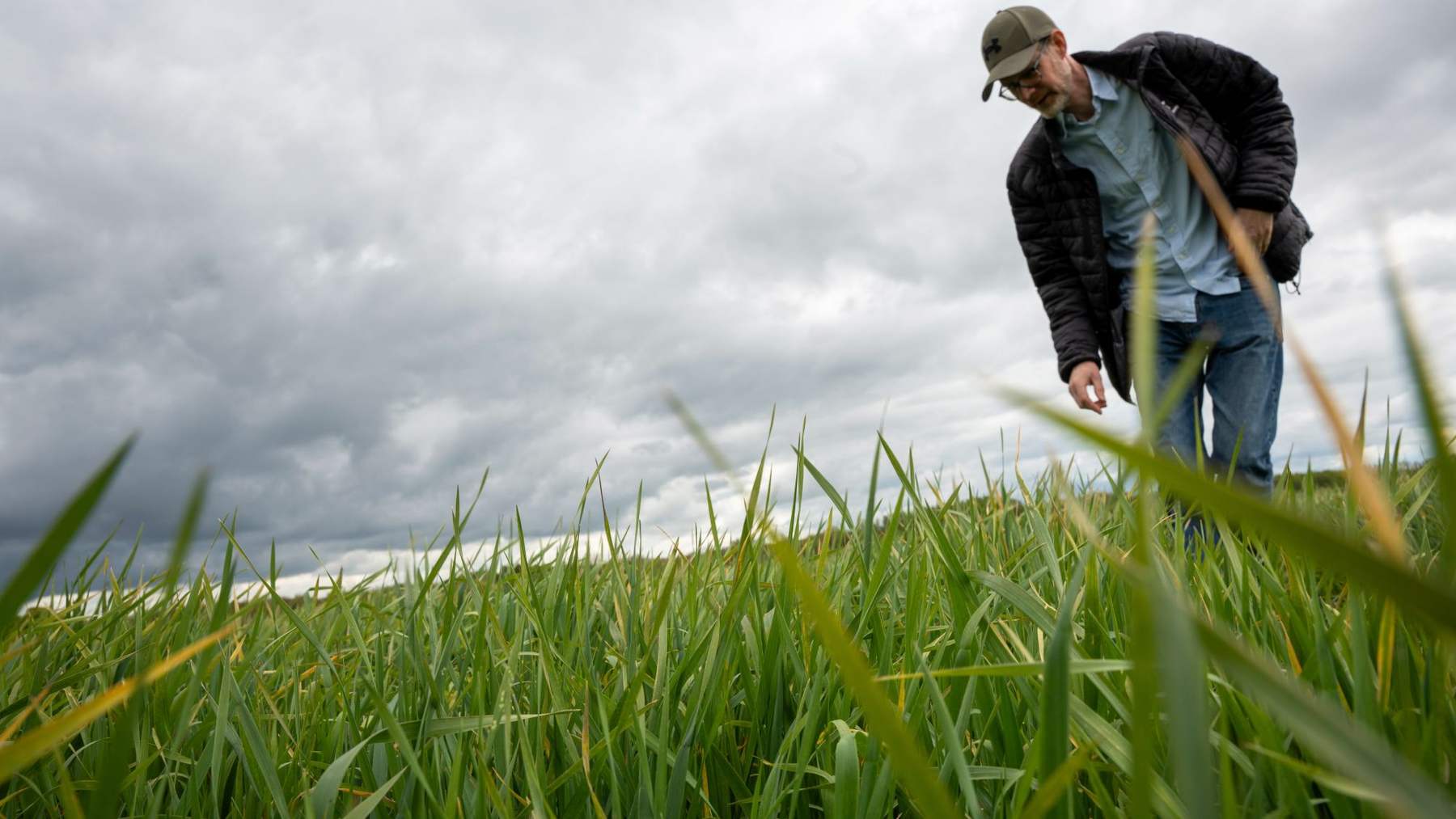
Kernza, a perennial grain that grows back after each harvest, can send roots about 10 feet (3 meters) into the ground. Researchers are testing it from Kansas to southern Sweden. A multi-state U.S. trial published in June 2026 also found a drawback: yields fell after the second harvest year at most sites.
Wheat has to be sown again for every new crop, while an established Kernza stand skips that step. That single difference keeps scientists working on a plant that still yields far less grain than its annual relative.
A forage grass turned food crop
Kernza is the trademark name for grain from selected lines of intermediate wheatgrass (Thinopyrum intermedium). This perennial cousin of wheat is native to western Asia. According to The Land Institute in Salina, Kansas, it was historically grown to feed livestock.
The institute started its own breeding program in 2003. The first commercial variety, MN-Clearwater, came from the University of Minnesota in collaboration with the Kansas group.
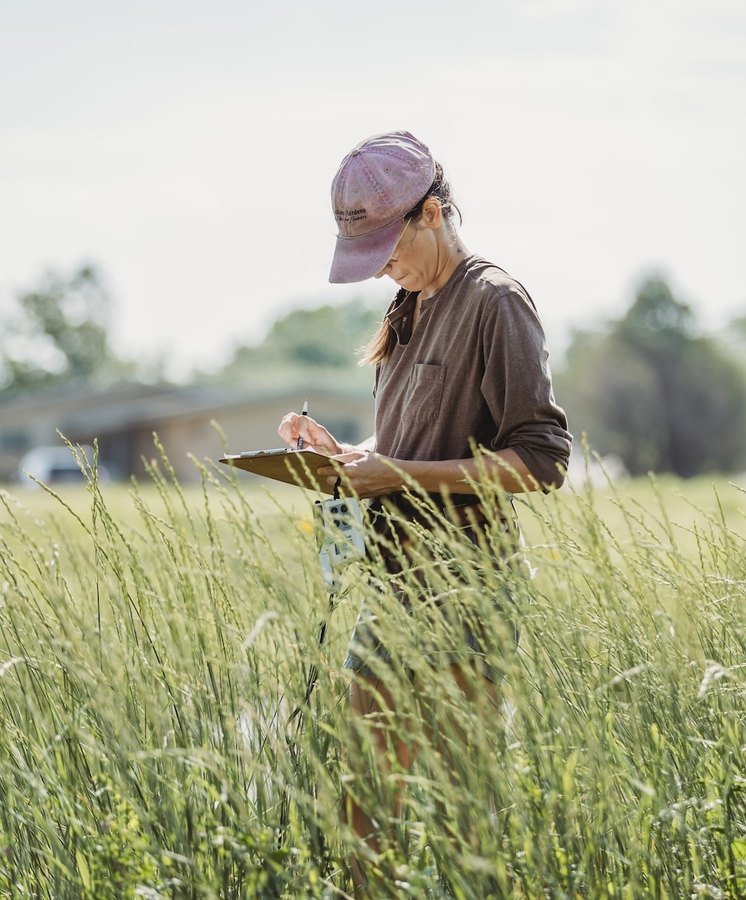
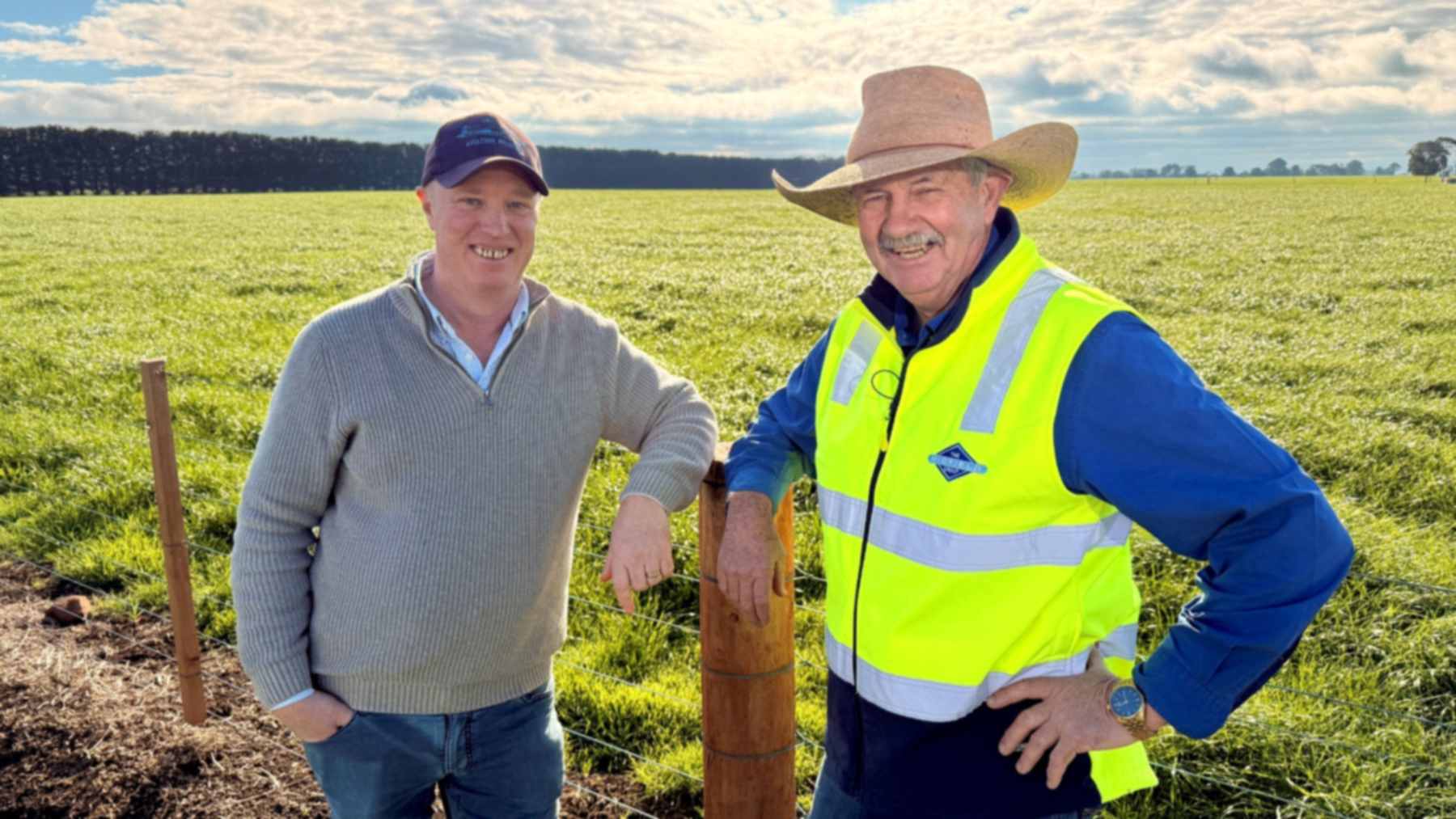
Farmers can also use the leaves and stems as forage, which gives one field two possible products. Valentin Picasso, a professor at the Swedish University of Agricultural Sciences (SLU), runs Kernza experiments in Alnarp. “I would say we are part of a new revolution,” he said in a June 2026 university release.
Ten feet of living roots
Those deep roots anchor soil throughout the year and add organic matter, The Land Institute says. Picasso adds that the root system absorbs nutrients in every season. Less of that fertilizer then escapes into rivers and seas.
Communities dealing with nitrate contamination in drinking water have reason to pay attention. The institute reports that Kernza absorbs up to 96 percent more nitrate than corn and soy. It also estimates carbon storage of 300 to 1,000 pounds per acre each year.
Both numbers come from the organization breeding the crop, so they work best as upper bounds. Interest keeps growing anyway, against a backdrop in which one third of global farmland drives two thirds of environmental degradation.
Skipping annual tillage also means fewer tractor passes, a cost that has drawn small farms toward electric tractors with solar roofs. Once established, the crop needs less fertilizer and little or no herbicide, according to the official Kernza grower page.
Rainfall beat plant genetics
Eight breeding populations went into the U.S. trial, which ran from 2018 to 2022. Plots sat at seven locations across Minnesota, Wisconsin, Kansas, Nebraska, North Dakota and Utah. Location and its interaction with harvest year explained 71 percent of the variation in seed yield.
Summer and fall rainfall were the main environmental drivers, according to the USDA’s Agricultural Research Service. The Land Institute says the crop can offer resilience to drought. Under stress, though, yields of the two best populations dropped by 82 and 74 percent.
Breeding has clearly helped, since MN-Clearwater and a line called TLI-C5 beat the forage variety Rush by 78 to 85 percent. Other farms are trying different answers to dry years, such as berries and herbs grown beneath solar panels in Colorado.
The grain bin tells another story
Average yields in 2021 were a little over 400 pounds per acre (about 450 kilograms per hectare), according to the official Kernza grower page. Experienced growers reached up to 1,200 pounds.
Picasso described a similar gap in the SLU release. “We have had yields of perhaps a thousand kilos per hectare, in some cases two thousand. But wheat yields are three or four times higher,” he said.
The study’s authors report that yields declined after the second harvest year at most sites. They link that pattern to challenges in stand longevity.
Small seeds and volatile prices
Combines need adjusting for the small, light seed, the grower page explains. SLU adds that parts of the plant are still green at harvest. Storage, cleaning and transport have their own official toolkit.
Prices have been volatile, shifting with each year’s yield, according to the same grower page. New Kernza acres can qualify for a federal crop rotation payment through two conservation programs, EQIP and CSP.
European farmers face a bigger obstacle, because Kernza can only be sold there as forage for now. “In the US, Kernza has long been approved, but in the EU, there is no system in place for approving new grains,” Picasso said.
Stand longevity remains unsolved
Nobody can yet say how many profitable years one planting will deliver. The U.S. trial itself flagged “challenges in stand longevity.” A field can stay green long after its grain stops paying the bills.
Growing limits are also unsettled, and the grower page admits, “We do not know the exact limits yet!” So far the crop has succeeded between Salina, at 39 degrees north, and Uppsala, Sweden, at 60 degrees north.
Breeders are now chasing higher yield and seed heads that hold on until harvest. The Land Institute says a 2023 advance lets it complete two breeding cycles in one year. Trials at Sweden’s Lönnstorp station have run for more than a decade, and nobody in Sweden grows Kernza commercially yet.
The full study was published in Agronomy Journal on June 18, 2026.
Photo: Johanna Grundström, SLU