Actor Paul Newman gave land near his home in Westport, Connecticut, to the town. That gift became part of a 39-acre nature preserve, which opened in May 2011, more than two years after his death.
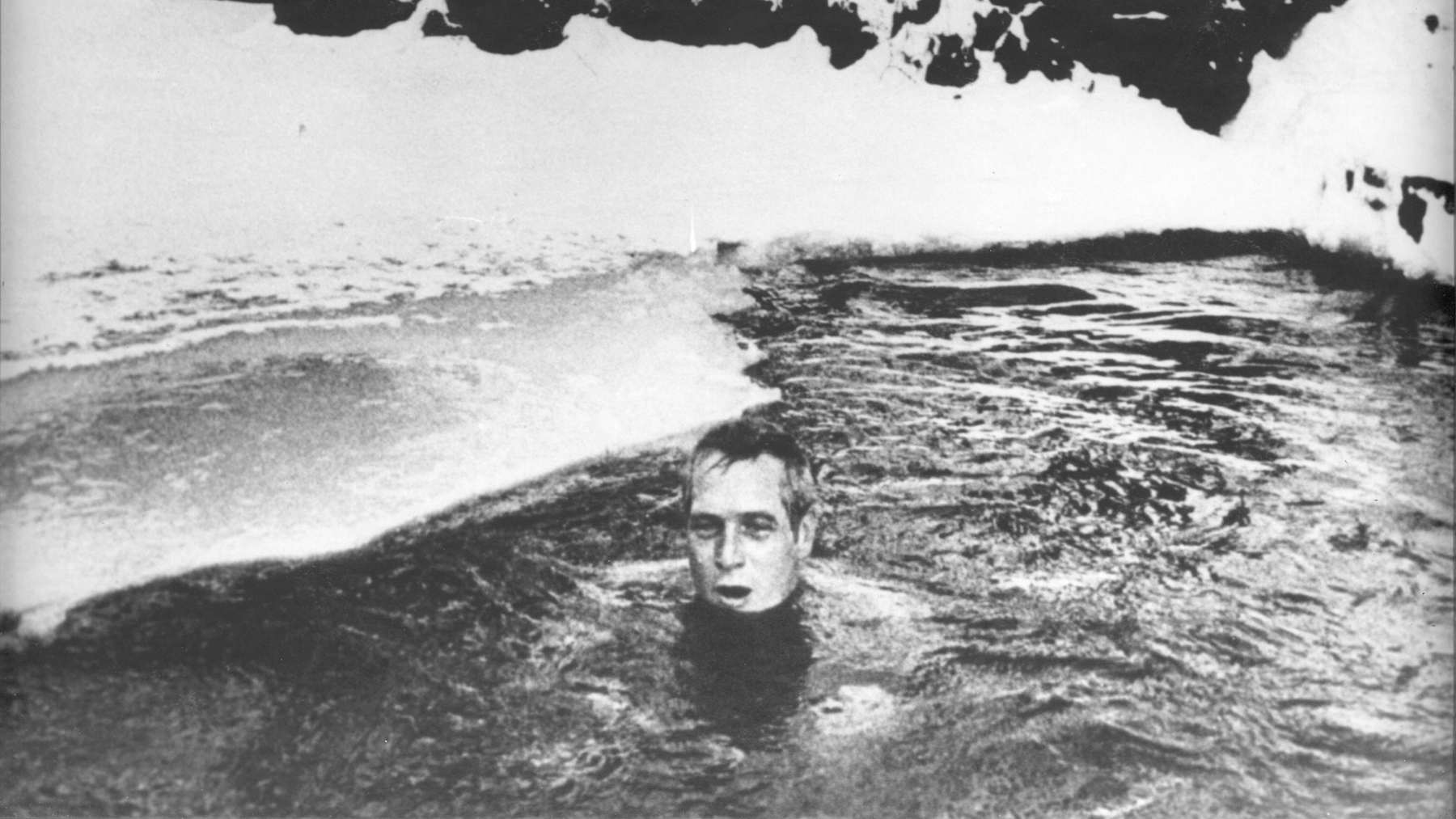
Aspetuck Land Trust manages the Newman-Poses Preserve for the town. On its official page for the site, the group calls it “the only public memorial approved by the family of the late Paul Newman.” The same page carries an old photo of the actor up to his neck in the Aspetuck River in winter.
A New Deal lawyer next door
Newman shares the sign with Lillian Poses, a neighbor and friend. According to the land trust, she sold the town another part of the parcel.
Poses worked on the New Deal in Franklin D. Roosevelt’s administration. The group also lists her among the first women to graduate from NYU Law School.
So the preserve rests on a gift and a sale, side by side. Owners often weigh that same trade, as a Pennsylvania farmer who turned down data center developers did much more recently.
Afternoons with the dogs
For Newman’s daughter Lissy, these acres were childhood territory long before they had trail markers. “I believed, from the time I was about seven, that all of this land was mine,” she wrote in a letter excerpted on the preserve page.
She ran there with dogs every day after school. She took in the place “the way a dog does, face first, running through thorns, snuffling in the mud, tracking deer.”
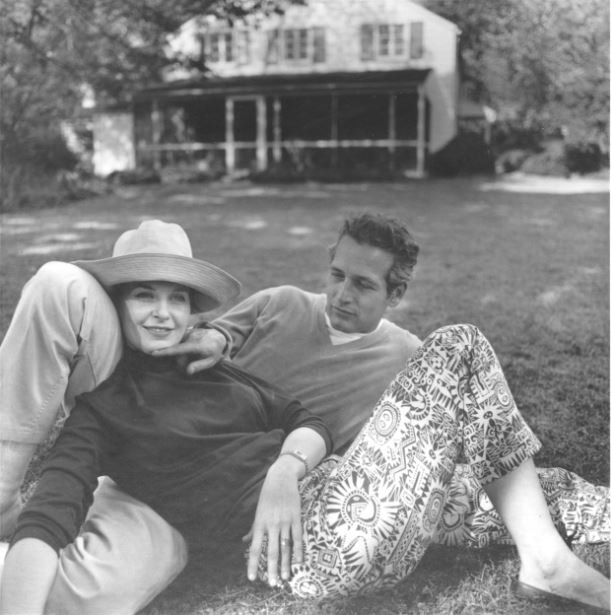
Lissy Newman later joined the land trust’s board, and the 2011 report shows her at the opening with executive director David Brant and board president Princie Falkenhagen. A photo on the group’s page shows her father on a lawn with his wife, Joanne Woodward.
Parking for three cars
Protecting land and making it walkable are two separate jobs. The land trust worked with the town and the Newman family to keep the property open, then added a driveway, a parking lot, trails, bridges and signs.
Brant, writing on the group’s blog, posted a note on April 27, 2011, just before the public arrived. “Our parking lot only has room for 3 cars,” he warned.
That is still the setup on Bayberry Lane. Drivers who find it full can stop at the Route 136 turnoff and walk 500 feet north.
In spring 2018, interns from Staples High School helped improve the entrance area. Local firms gave topsoil, gravel and native plants, and the town lent its public works crew.
Raccoon tracks and turkeys
A land trust trail guide from 2020 follows the red trail across a wetland on a boardwalk. The route then enters a meadow marked by large highbush blueberry and bayberry bushes.
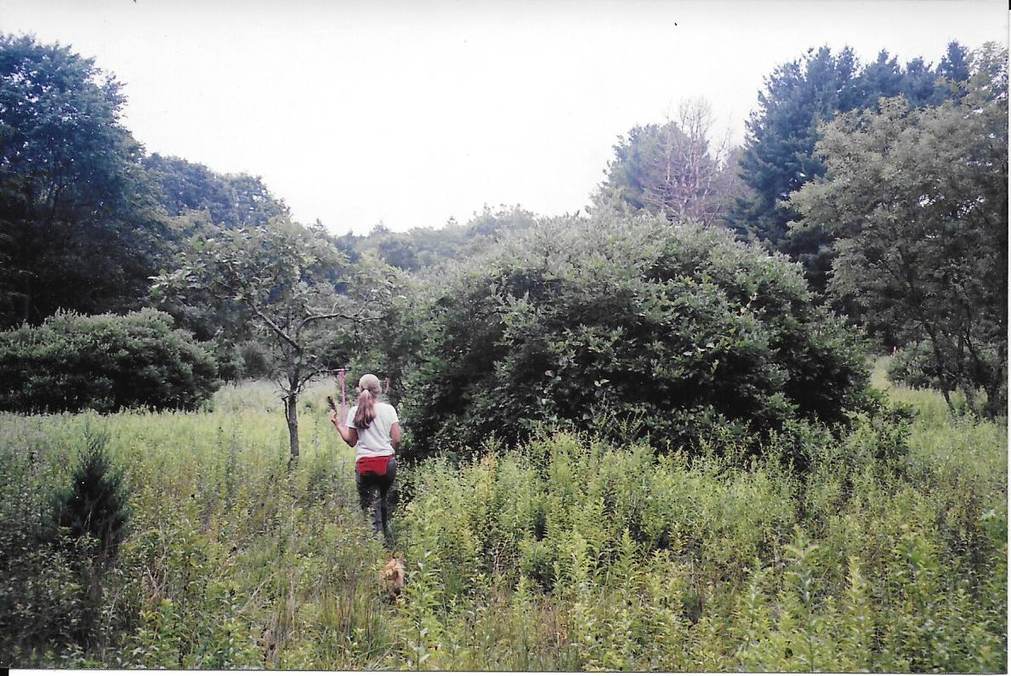
From there the path drops toward the river. On the bank sits a stone bench, at the spot where the guide says Newman used to float.
Old white pines stand on the property, and the land trust tells walkers to look for a flock of wild turkeys. One visitor hiking with a young child, writing on the group’s website, described deer and raccoon tracks in the mud and a crayfish shell on a river rock.
The child’s favorite find that day was a slug. Higher up, the pair passed logs crumbling under mushrooms and moss.
Boardwalks over soaked ground
That boardwalk crosses a habitat with real public value. The federal Environmental Protection Agency says wetlands can slow floodwaters, and their root systems hold soil in place and filter pollutants.
Wetlands can last in unlikely places, such as the Ohio nuclear plant where a threatened turtle found a home. They can also return fast, as when two beavers flooded a shaded wood in Dorset.
An $11.3 million valley
Westport was not the actor’s only local land fight. In 1999, the land trust and area residents saved Trout Brook Valley, a 730-acre tract slated for luxury homes and a golf course.
That deal cost $11.3 million, with money from the State of Connecticut and thousands of local contributors. The group’s page for the valley credits key support from Newman and from Lissy, and it lists the actor among the donors.
Twelve years later, the 39 acres in Westport joined a network the land trust then counted at 44 trailed preserves. Those lands covered more than 1,700 acres and over 30 miles of hiking paths, according to its 2011 report.
Acreage behind each family name
The land trust’s page does not say how many of the 39 acres came from each family. It also gives no date for either transfer, so this account leaves out the exact split.
The group’s pages offer no species count for the site either. The EPA’s benefits describe wetlands in general, with no measurements from this preserve.
The opening appears in the Aspetuck Land Trust’s 2011 annual report.
Photo: Aspetuck Land Trust