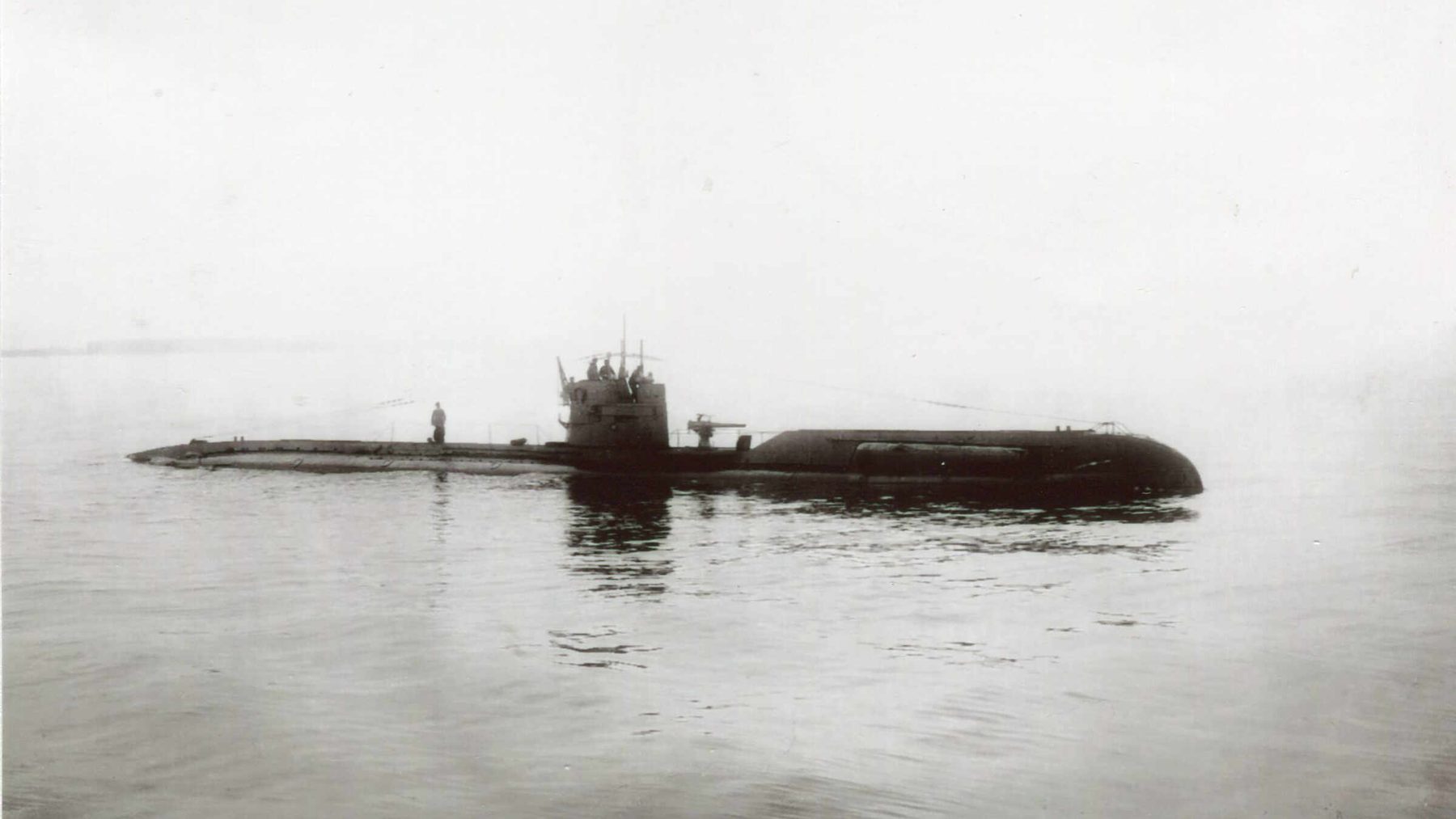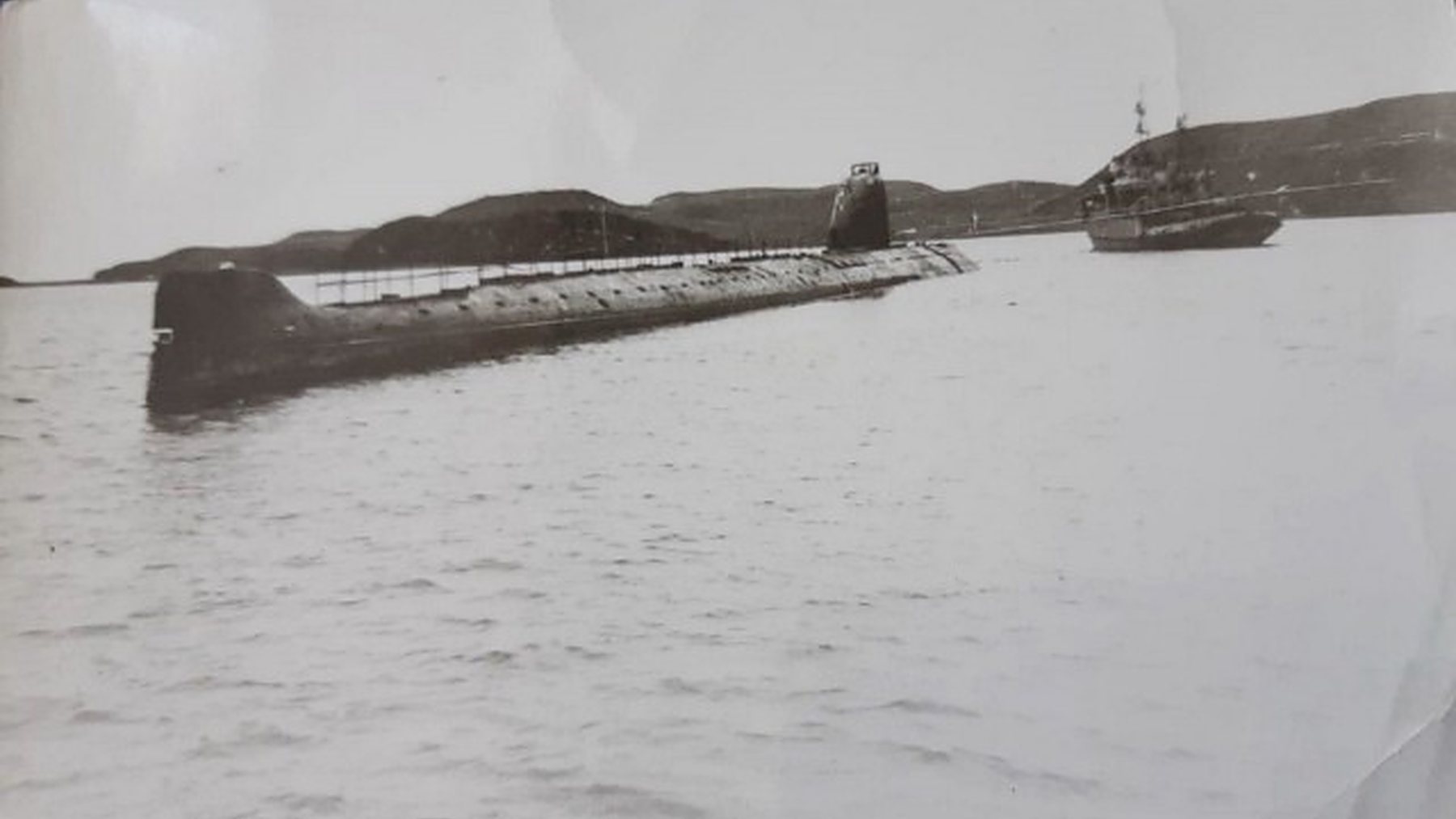
The Soviet nuclear submarine K-27 has rested about 100 feet (30 meters) down in Stepovogo Bay since September 1981. The bay cuts into the Arctic coast of Novaya Zemlya, and the wreck’s two reactors still hold their spent fuel. In November 2025, Russia’s Shirshov Institute of Oceanology reported no radioactivity escaping from them.
Nobody can say how long the furfural preservative sealing the fuel will hold. The institute calls K-27 potentially the most nuclear-hazardous object sunk in the world’s oceans. It also says the barriers around the fuel need regular checks.
Three passes with a gamma spectrometer
The team made three series of measurements over two days, according to the institute’s expedition report. Its remotely operated vehicle, GNOM-X, carried a gamma spectrometer onto the deck of the wreck. That instrument identifies radioactive substances by the energy they emit.
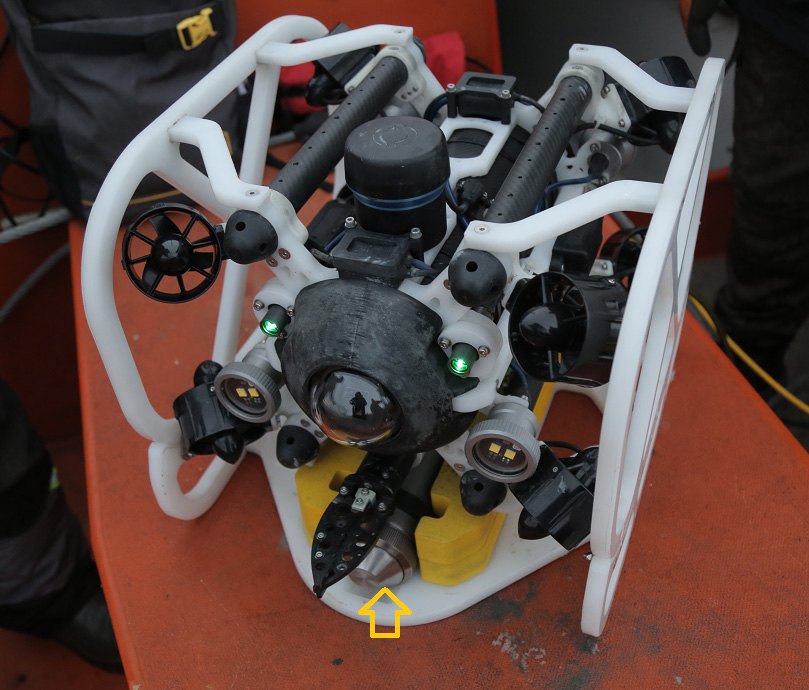
Those readings showed no release from the reactors into the reactor compartment, and so none into the sea. The institute blamed the cesium-137 in its spectra entirely on contamination of the hull’s surface.
For the bay as a whole, the main source remains the containers of solid radioactive waste dumped farther in. Background radiation runs higher at the head of the bay. Crews sampled the water there so any future signal from K-27 can be told apart.
Sea ice and temperatures near 10 degrees Fahrenheit (minus 12 Celsius) hampered the work. On November 13, a strong easterly wind drove the ship into the bay’s far northwest corner for almost a day.
An accident in May 1968
K-27 carried two experimental reactors cooled by molten lead and bismuth. A 2015 assessment by Norway’s radiation protection authority details the fuel. The 1967 refueling raised the load to 91.5 kilograms of uranium-235, about 202 pounds.
On May 24, 1968, the submarine was cruising submerged at maximum power when its port reactor was damaged. Twelve crew members received doses above 5 sieverts and went to the hospital. Five men died, and later figures cited in the report suggest perhaps nine radiation deaths.
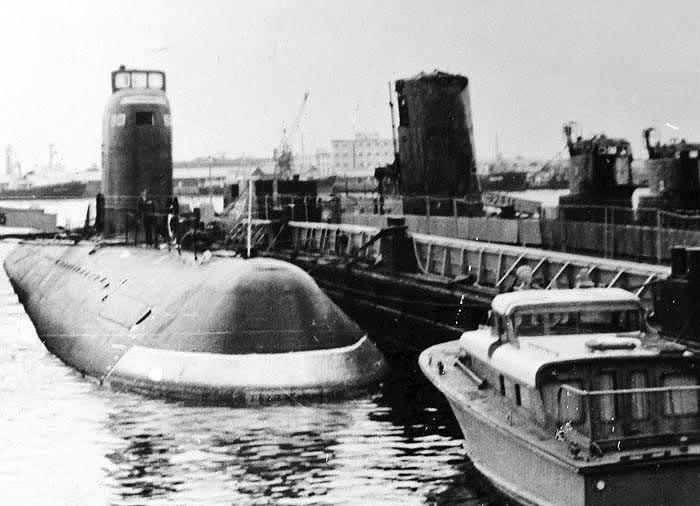
After the accident the boat spent 13 years in reserve, the Shirshov Institute says. Its reactor compartment was sealed at Severodvinsk in the summer of 1981. Tugs then took K-27 north, and it went down that September.
Bitumen, furfural and a shrinking estimate
Workers filled the compartment with 270 cubic meters of bitumen, about 71,000 gallons of the dark binder used in asphalt. They added 5.8 tons of a preservative based on furfural, an organic compound. Both materials were meant to keep seawater off the fuel.
Bitumen ages slowly, and the Norwegian authors judged it “a reliable protective barrier” for that moment and the immediate future. Furfural earned a weaker verdict, because studies of its long-term behavior are scarce.
Early estimates gave that preservative 100 years of life, later cut to 50. The report calls the available data “contradictory.” Its pessimistic reading stops counting furfural as a reliable barrier at all.
Adding 50 years to 1981 does not produce a leak date, since no source treats that figure as a countdown. The steel is aging too. The assessment adopted a corrosion rate of 0.05 millimeters a year for stainless steel in seawater.
Water reaching the uranium core
K-27’s cores hold a large amount of highly enriched uranium. The Norwegian report explains that enough water entering a core could trigger a self-sustaining nuclear reaction in spent fuel.
Its authors modeled that event as a planning scenario, partly with a future recovery in mind. The largest case equals about 350 pounds (160 kilograms) of TNT acting on the barriers. Nothing in the surveys suggests such a reaction has occurred.
A 2020 Norwegian modeling study covered hypothetical accidents involving K-27 and another sunken submarine, K-159. Location shaped the outcome, and results for bays were “very different than in open sea regions.”
Seafloor mud matters as well. In those simulations, sediment supplied a significant part of the external dose for crustaceans and mollusks. The 2025 crew accordingly mapped the bay’s sediments and tracked how its water moves.
Detectors planned for Stepovogo Bay
Russia’s Kurchatov Institute plans a permanent underwater radiation monitoring station in the bay, the Shirshov report says. Detectors would sit on the submarine and on the seabed beside it. A cable would link them to a shore unit with satellite communication.
Depth soundings and shoreline surveys in 2025 produced a possible layout for the station. K-27 lies far shallower than the Komsomolets wreck in the Norwegian Sea, within reach of the nearby shore.
No firm date for raising K-27
A timetable published in July 2020 by Strana Rosatom, the state nuclear corporation’s newspaper, set K-27’s recovery for 2028 through 2031. It depended on underwater surveys and a purpose-built lifting vessel. Rosatom official Oleg Kryukov said then that nobody in the world had ever done such a job.
The 2025 expedition report gives no lifting date. Its finding covers only the points measured, from the deck of the wreck, on those two days.
A joint Norwegian-Russian team reached a similar conclusion in 2012, when it saw no obvious corrosion damage on the outer hull. Its water and sediment results did “not indicate that any leakage has occurred.” Neither survey opened the sealed compartment itself.
Photo: Shirshov Institute of Oceanology