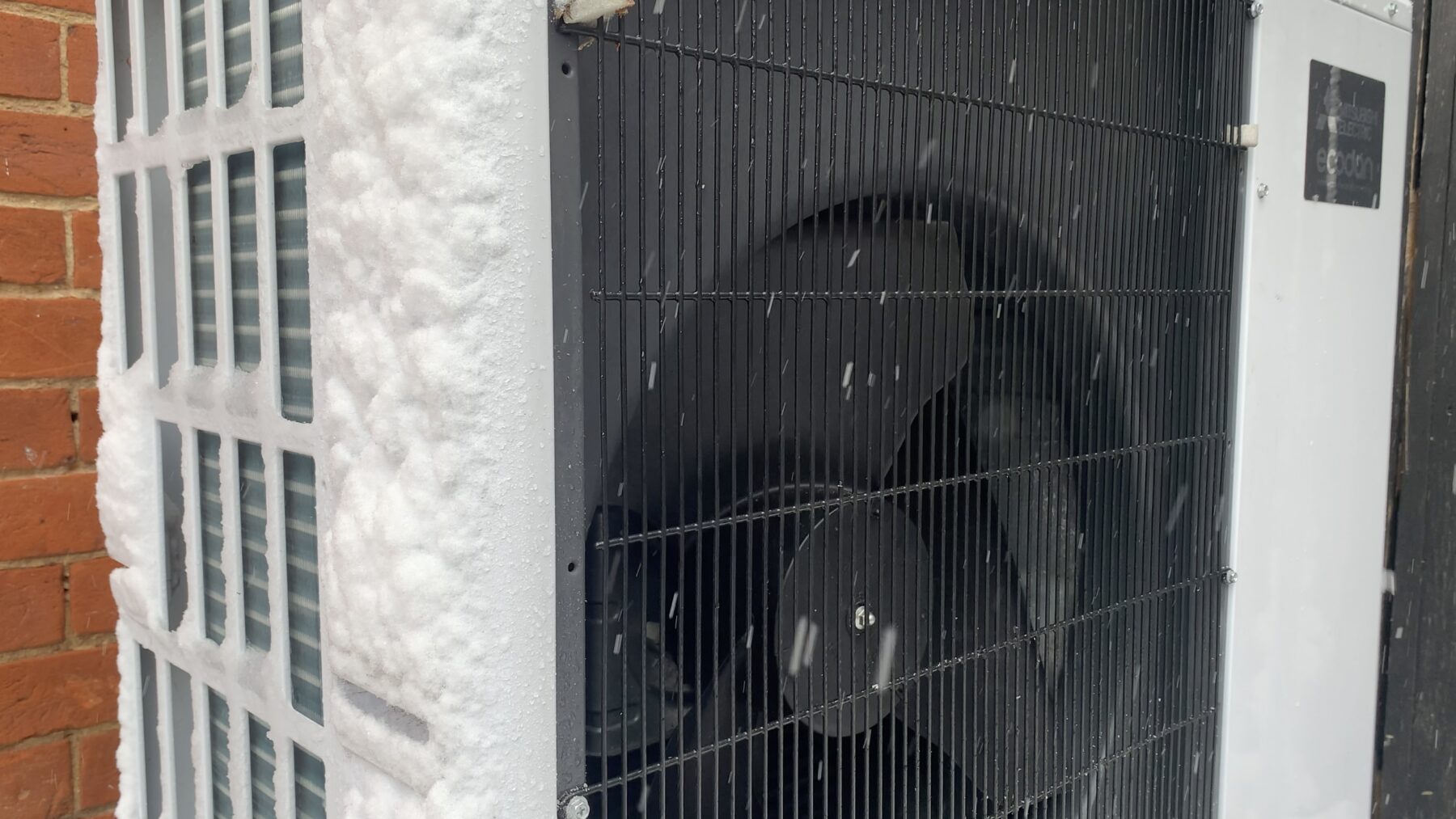
Heat pump vs furnace isn’t a fair fight in a gas home in Maine, and the furnace is the one winning it: the state’s Department of Energy Resources clocked piped gas at $13.37 to $24.95 per million Btu of heat on March 2, 2026, while an air-source heat pump cost $30.60 to $32.30 for the same heat, after you credit it for efficiency.
Swap out the gas line, though, and it’s the heat pump’s turn. Propane ran $36.79 per million Btu in that March table, and electric baseboard was a painful $89.68 to $94.67. (A million Btu is about what you’d get out of 293 kilowatt-hours, and Maine’s numbers are statewide averages, so your own bill may not match.)
That isn’t just a Maine quirk. Writing in Energy Policy on December 10, 2025, Harvard’s Roxana Shafiee and Daniel Schrag said a heat pump “would widely reduce heating bills in households using electric resistance, propane, or oil.” The gas side of their Belfer Center paper reads very differently. For “households using natural gas in northern regions with cold winters,” roughly half of all U.S. residential heating demand, they found “heat pump adoption would significantly raise annual heating bills.”
Three times the heat, still pricier than gas
Furnaces burn things. Heat pumps don’t, really. They scavenge warmth from outdoor air with a refrigerant loop, push it inside, and come summer they flip around and work as the AC.
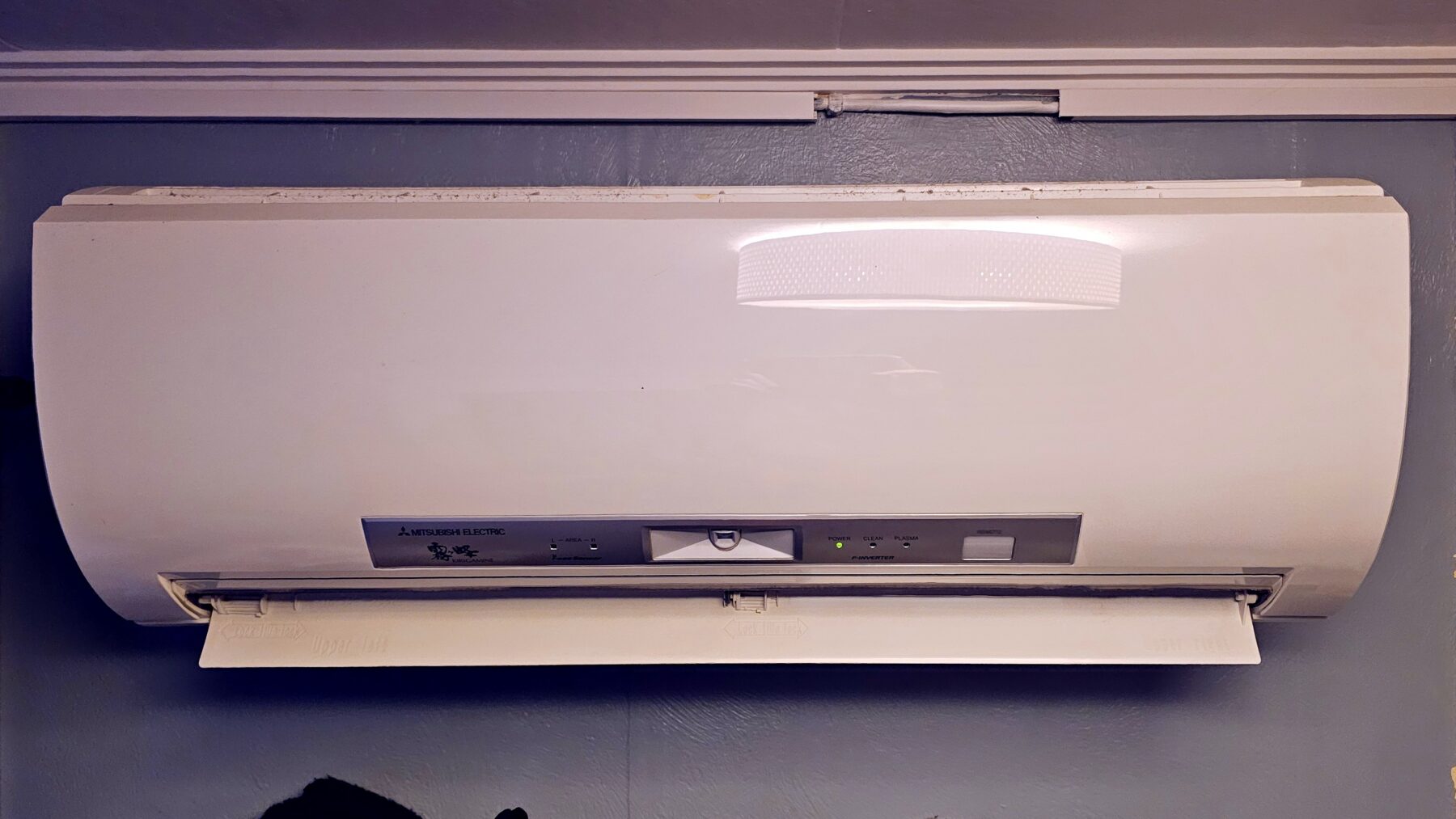
That’s how a unit can deliver up to three times more heat energy than the electricity it uses, according to ENERGY STAR, and Maine’s prices back it up almost to the decimal. A baseboard heater gives you one unit of heat per unit of electricity. Divide its price by the heat pump’s and you get 2.93, top and bottom of the range alike. That’s the heat pump’s coefficient of performance (COP), basically, showing up on a price sheet.
It still loses to gas because Maine electricity is expensive per Btu to begin with. The heat pump’s cheapest figure sits 23 percent over the priciest gas and more than double the cheapest.
The National Renewable Energy Laboratory hit the same snag. Its Joule study, built on simulations of 550,000 statistically representative households, found heat pumps would trim home energy use 31 to 47 percent on average, yet the dollar savings lagged because “natural gas prices are much lower than electricity prices on a Btu basis in many parts of the country,” the lab said in a statement.
Minnesota cold, Southern mild, and the furnace as backup
Cold is the old complaint. Minnesota’s Center for Energy and Environment put cold-climate heat pumps, ducted and ductless, into seven homes in the state and wired them with monitors. The newer models kept pulling heat indoors below 0°F, and owners saved 30 to 56 percent, the group reported. Homes that kept propane as backup burned about 60 percent less of it.
ENERGY STAR only tests its cold-climate units down to 5°F. Below that, “pairing it with a back-up energy source will heat your home the most efficiently,” the program says, and if you’ve got a fairly new furnace and a tired central AC, it suggests replacing the AC with a heat pump and running both as a dual-fuel setup for “a modest extra cost over an AC system.” The heat pump handles the shoulder months. The furnace kicks in when it’s brutal out.
NREL co-author Prateek Munankarmi said the savings were biggest in colder climates. Of the 49 million homes on electricity, fuel oil or propane that had air conditioning already, 92 to 100 percent saved money, a median $300 to $650 a year depending on the unit. Houses without AC were likelier to see bills go up.
Down South it’s another story. That’s where electric heat is common, and those homes get milder winters on average than gas-heated ones, the U.S. Energy Information Administration said in its October 6, 2026 Winter Fuels Outlook. Nationally, it expects electric-heat bills to rise 4 percent this winter on a 3 percent price bump, while gas and propane homes pay less.
The catch is the install. “There are millions of people who would benefit from putting in heat pumps,” Eric Wilson, the NREL senior research engineer who led the study, said in the statement. “But what this paper shows is that there are still millions more households for whom the technology is still pretty expensive.”
Part of that’s installers padding quotes “to cover the hassle and risk of working with unfamiliar equipment and sizing procedures,” the NREL team found. Insulate first and you can get away with a smaller unit, which Munankarmi said can “save thousands of dollars on average.” In the Minnesota homes, retrofits usually took more than 10 years to pay off, but only 5 to 6 if the old system had died anyway.
Don’t plan on the federal tax credit, either. The IRS says its $2,000-a-year heat pump credit only covers equipment installed through December 31, 2025, though some ENERGY STAR pages haven’t caught up and still say 2032.
And the EIA’s own warning applies to all of this: “an electric resistance heater used in a small, well-insulated home could consume less energy than an air source heat pump in a larger, drafty home.” Its next forecast update is due November 10, 2026.