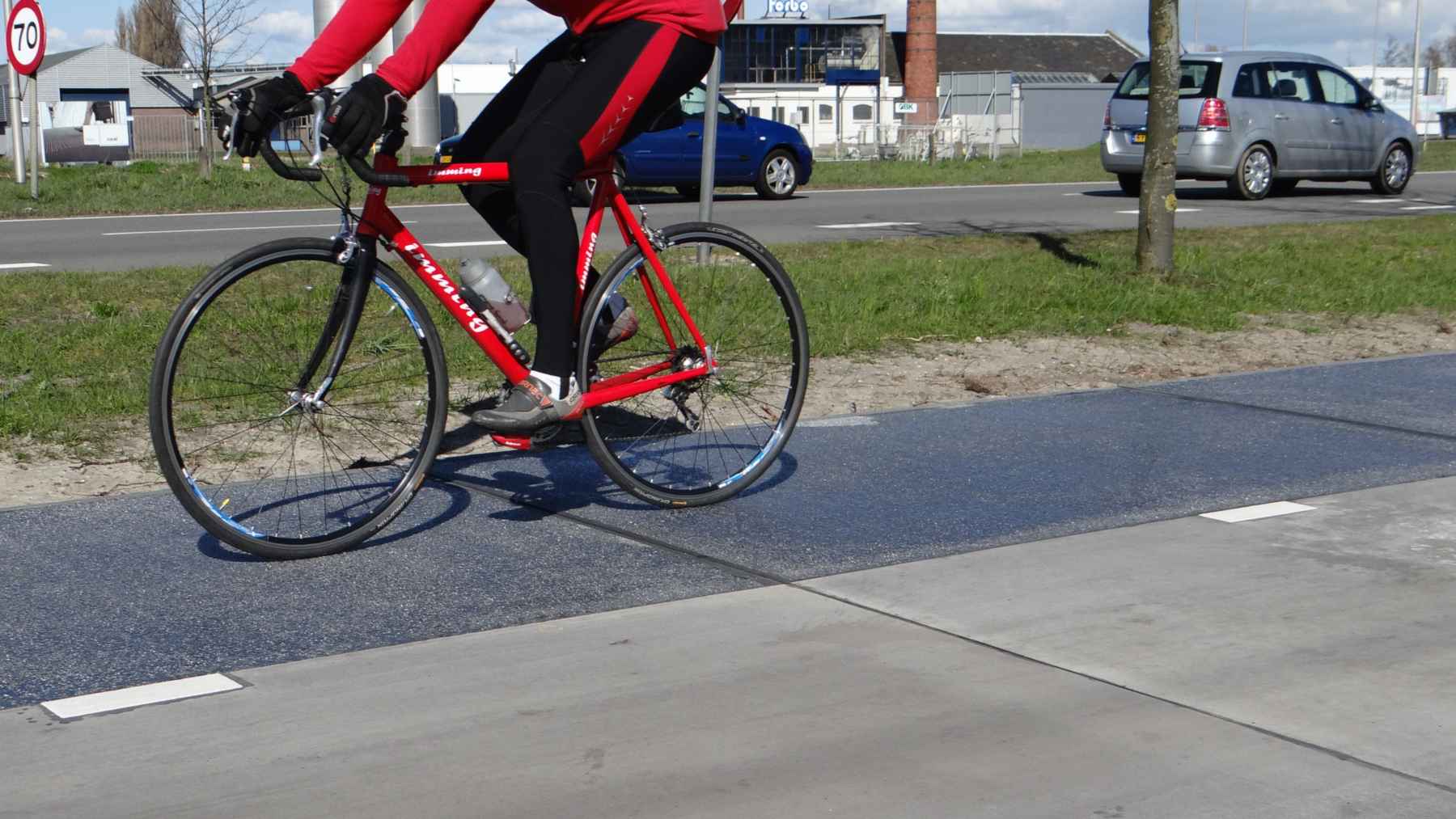
In 2014, a Dutch consortium built a 230-foot (70-meter) solar bike path in Krommenie, north of Amsterdam. Its silicon cells reportedly produced 9,800 kilowatt-hours of electricity in the first year, a figure from the project’s own press release. By the end of November 2020, the panels were gone and the path was plain asphalt again.
The pilot, called SolaRoad, was built by research institute TNO, the province of Noord-Holland, Ooms Civiel and Imtech. The goal was to make power on pavement people already use, instead of setting aside new land for panels.
Roughened glass over silicon
Each road element measured 2.5 by 3.5 meters (about 8 by 11 feet), as TNO described it in its winter 2014 magazine. One half of the lane held solar modules, and the other lane served as a reference.
The cells sat under hardened glass with a clear coating, roughened so tires would grip. A 2016 master’s thesis at Eindhoven University of Technology studied the pilot. It points to “a tradeoff between yield of the system and grip for the road users,” since a rougher surface lets less sunlight through.
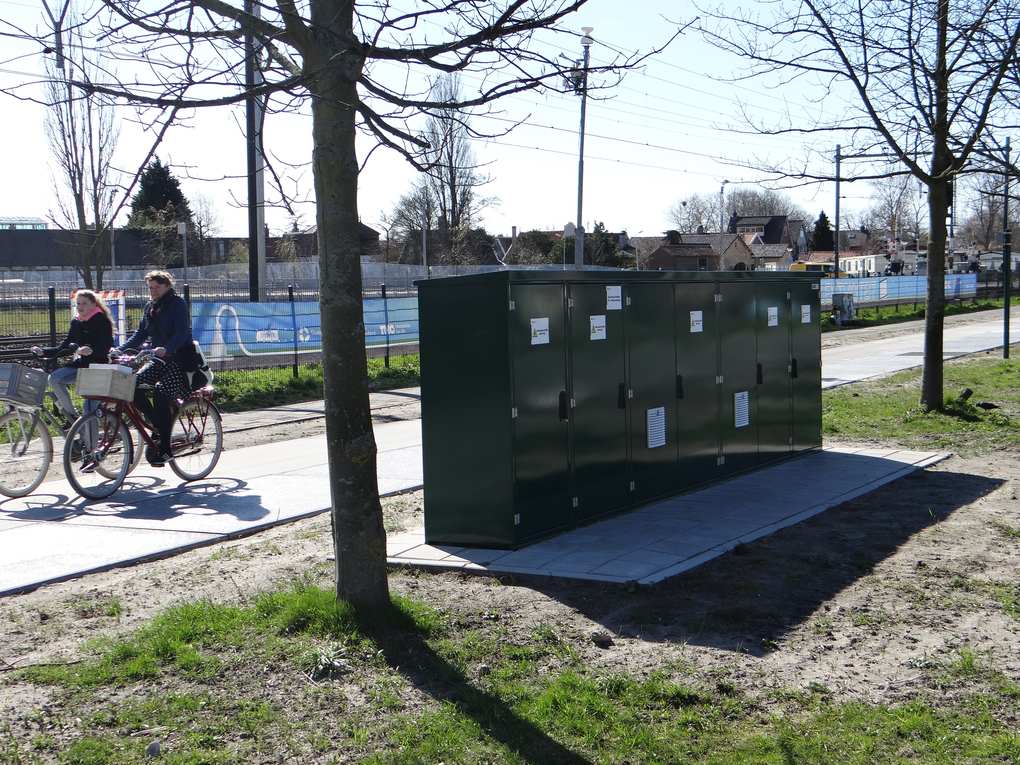
Two power optimizers in each element tuned the output, according to TNO. A cable then carried the current to an inverter cabinet beside the path, which fed the grid.
The first year’s 9,800 kilowatt-hours
The thesis, by Alex van Ginkel, puts the pilot’s capacity at 16 kilowatts peak. It cites a SolaRoad press release reporting 9,800 kilowatt-hours in the first year. That equals 612.5 kilowatt-hours for each kilowatt installed.
A kilowatt-hour is the unit printed on an electric bill. Here it came from a narrow lane shorter than a football field.
Van Ginkel writes that the yield was higher than expected, although the pilot still lost output to inefficient cells and to downtime while the top layer was replaced. In Wageningen UR field tests he cites for comparison, modules in an optimal open-field setup averaged 1,195 and 1,097 kilowatt-hours per kilowatt peak in 2012 and 2013.
Panels lying flat catch less sun this far north. Even so, Dutch tests cited in the thesis found only a 10 percent gap against panels tilted at the best angle.
A coating that came loose
According to the thesis, the weak point was the top layer. It says its coating is similar to the one on bridge asphalt, only transparent. A special resin glued it to the glass.
That resin had to be swapped during the pilot. In cold winter weather, van Ginkel writes, “the top layer separated from the glass.” Any chip or haze on this layer also cuts the light reaching the cells, much like dust on a rooftop panel.
Road authorities were reluctant to use the design on busy roads, the thesis notes. So the work focused on bike lanes. It expected the Krommenie path to be extended in 2016 and lists panels of 160 watts peak per square meter for the next project, up from 130.
Asphalt by Forbo’s factory
A study on public transport and cycling written for the province and dated December 23, 2020, examined the test strip next to the Forbo factory along the N203 road.
The protective top layer was crumbling, the report says. Parts were missing, parts had been patched and parts had been replaced with other materials. The authors also warned that the surface might turn slippery in frost and rain.
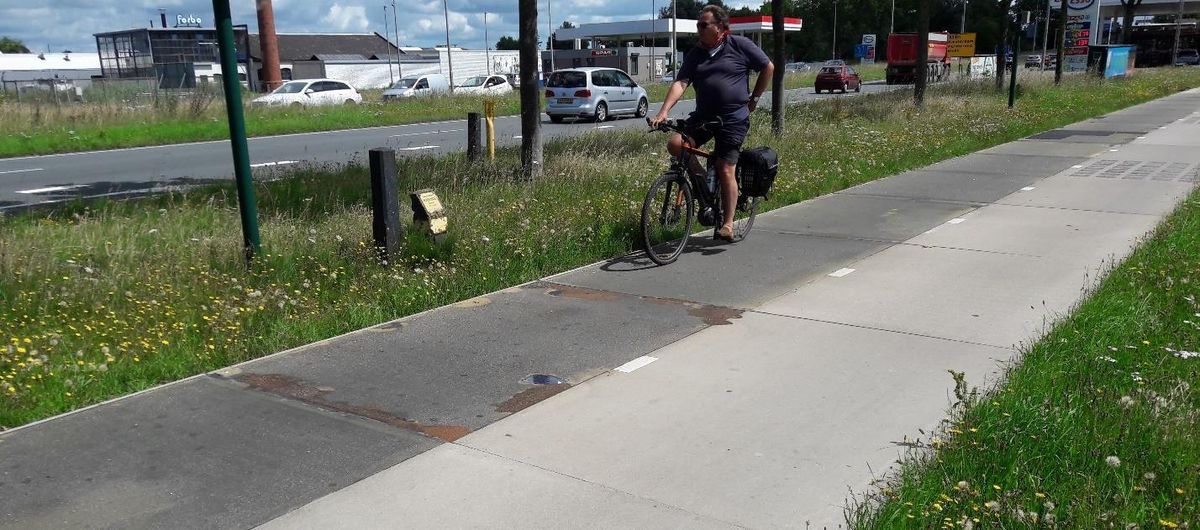
In their view, the trial that began in 2014 had already taught its main lessons. They also noted public resistance to the ragged surface. Their advice was to remove the panels and repave the path with asphalt.
An update added just before the study closed confirms that the solar road was removed at the end of November 2020 and the path was asphalted again.
SolaRoad dissolved in 2023
The company behind the design lasted about three more years. A list of decisions by the provincial executive, dated February 13, 2024, covers its end. As a shareholder, Noord-Holland agreed to dissolve SolaRoad B.V. as of December 31, 2023.
TNO Tech Transfer Holding B.V. was named keeper of the company’s records for at least seven years. Other projects still chase the same idea, such as solar panels laid between active railway tracks.
One 230-foot test lane
All of these results come from one short lane. They say little about a solar bike path at scale or in a sunnier place. The first-year figure also comes from a press release cited in the thesis, not from an outside audit.
Neither the thesis nor the provincial report adds up the total power made from 2014 to 2020. Neither lists the repair bills. Those numbers would show whether such pavement pays off over its working life.
Any future solar road will face the same test, because the energy from the road has to cover the cost of keeping it safe for the people riding on it.
The pilot’s design and first-year output are described in a 2016 master’s thesis from Eindhoven University of Technology.
Photo: Blueknight / Wikimedia Commons, CC BY-SA 4.0