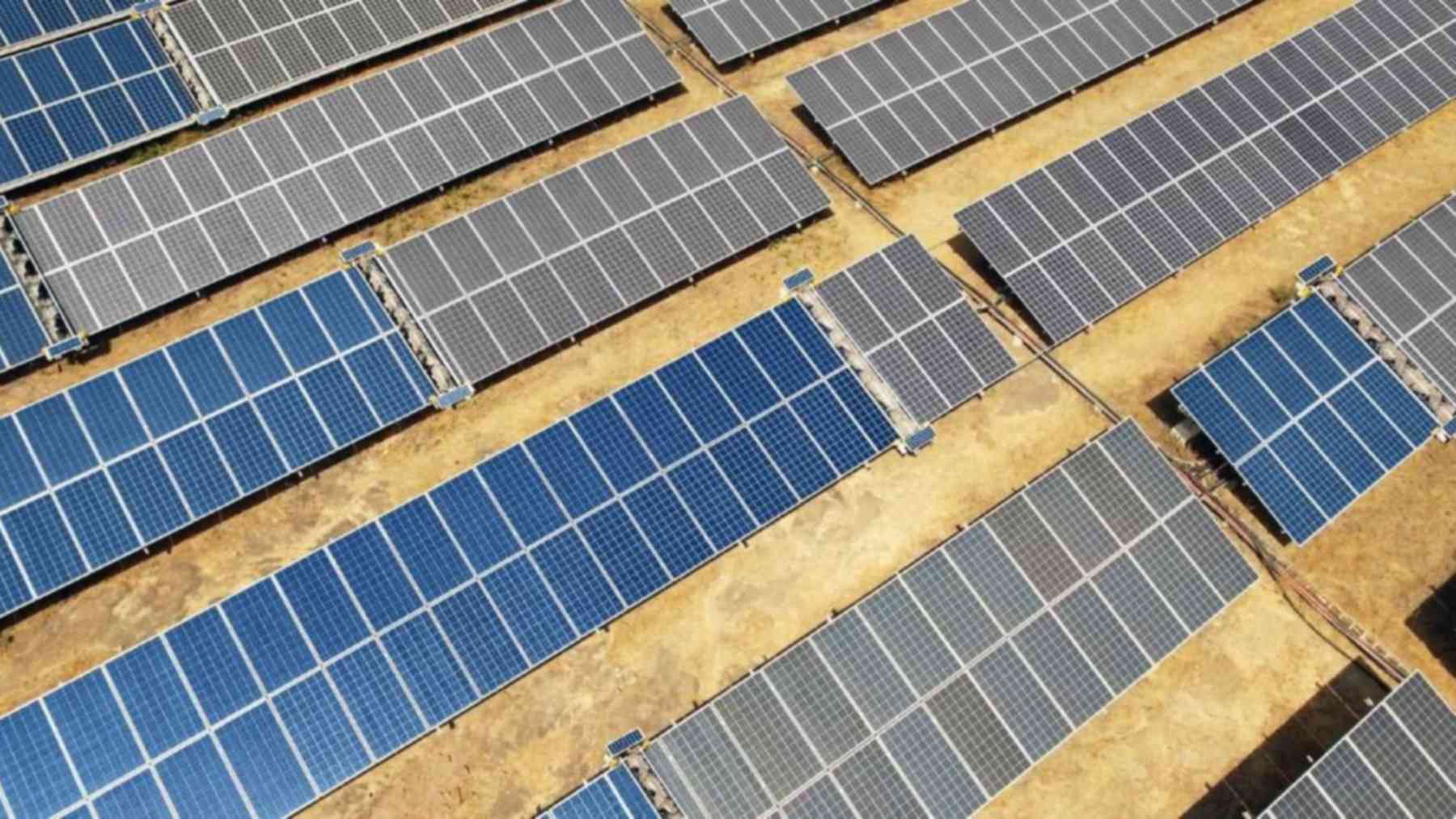
Picture a huge solar farm in the desert at night. No sun, no workers, just long rows of dark panels. And then, one by one, small machines start rolling along the glass, brushing off the dust that piled up during the day.
These are cleaning robots built by the Israeli company Ecoppia, and they do the job without a single drop of water. According to the company’s own figures, they have already saved around 2.6 billion gallons of water, which is a big deal in places where every gallon counts.
Why dust is a solar farm’s worst enemy
Solar panels only work well when sunlight reaches the cells inside. When dust, sand or pollen builds up on the glass, less light gets through and the panel produces less power. Engineers call this problem “soiling.”
How much does it matter? Annual energy losses from soiling range from about 7% in parts of the United States to as much as 50% in the Middle East, according to the National Renewable Energy Laboratory (recently renamed the National Laboratory of the Rockies). In the desert, where the sun is strongest, the dust is also at its worst.
That’s the irony of desert solar. The best places to catch sunlight are also the dirtiest.
Washing panels costs money and water
The usual fix is to wash the panels. But in the lab’s own words, a single cleaning of a 10-megawatt solar farm costs about $5,000, and the dust keeps coming back.
Water is the other problem. Cleaning solar panels uses roughly 10 billion gallons of water a year worldwide, “enough to supply drinking water for up to 2 million people,” according to MIT researchers. In dry regions, that’s a heavy price to pay for clean glass.
And timing makes it worse. Dust that sits too long can become much harder to remove.
When dust turns into “cement”
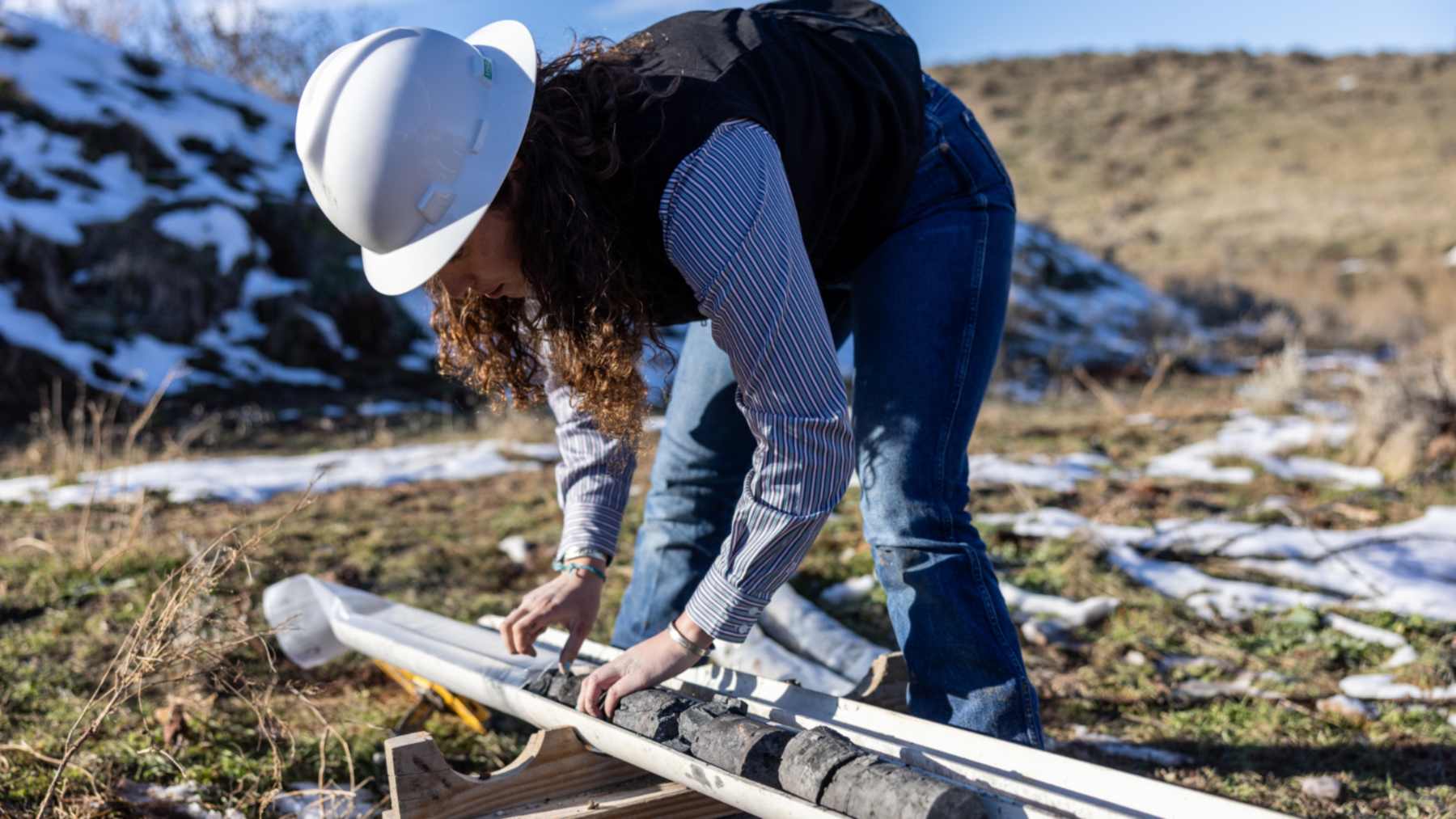
Scientists at the lab have studied a process called cementation. Solar panels cool down at night and attract morning dew, and that moisture helps glue dust particles to the surface.
“Once it goes through the cementation process, it can become much more difficult to remove to where even a strong rain won’t remove it,” Lin Simpson, a researcher who has worked on soiling, explained in a 2021 article from the lab. It’s a bit like a dirty car windshield after a foggy night, only spread across an entire solar farm.
That’s where the idea of cleaning a little bit every night, instead of a big wash once in a while, starts to make sense.
How the robots work
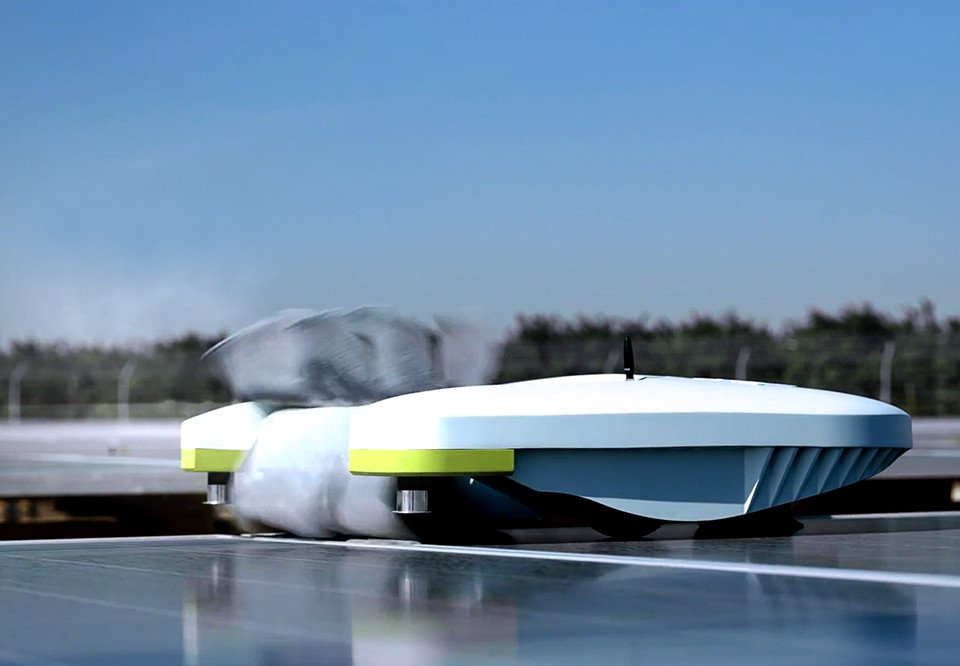
Ecoppia, founded in 2013, designs fully autonomous robots that run along each row of panels every night. Instead of water, they use microfiber to sweep dust off the glass, so they never get in the way of daytime power production.
They also power themselves. Each robot recharges from solar energy during the day, and a cloud-based system with machine learning keeps track of the whole fleet and flags maintenance before a breakdown happens. There are different models for fixed panels and for single-axis trackers (panels that turn to follow the sun during the day).
In practical terms, that means no water trucks, no cleaning crews on the night shift and no guesswork about when the next wash is due.
The numbers behind the headline
On its website, Ecoppia lists more than 35 large-scale sites, over 5,000 megawatts of deployments, more than 10.5 million autonomous cleaning sessions and about 3.9 billion panels cleaned. Its water-saving tally sits at roughly 9.8 billion liters, or about 2.6 billion gallons.
Recent reports in several countries have cited a smaller number, around 1.8 billion gallons. Either way, these are company figures, not independent measurements, so they are best read as estimates rather than audited totals.
The robots are already on the ground in several countries. One example is a solar facility in California run by AES. According to a 2021 press release, the site brought in Ecoppia’s water-free robots for its trackers.
Not the only way to beat the dust
Robots are not the only idea on the table. In 2022, a team at the Massachusetts Institute of Technology led by mechanical engineering professor Kripa Varanasi tested a waterless method that uses static electricity to push dust off the panels, recovering up to 95% of lost power in the lab.
“A mundane problem like dust can actually put a serious dent in the whole thing,” Varanasi said at the time. For the most part, the energy industry seems to agree, and different solutions will likely fit different climates and budgets.
Why this matters beyond the desert
Solar power keeps growing, and many of the sunniest spots on the planet are also short on water. If every panel needed regular washing, clean energy would end up competing with farms and towns for a scarce resource.
Waterless cleaning helps break that link. And for anyone who pays an electric bill, cleaner panels simply mean more power from the same equipment, without the extra cost of hauling in water.
The official figures have been published by Ecoppia.
Photo: Ecoppia