Microscopic algae at the base of the food web have crashed in Monterey Bay, California. El Niño has pushed exceptionally warm water into the bay, the Monterey Bay Aquarium Research Institute (MBARI) reported on November 18.
Comparing satellite data from October 2025 with this October, MBARI says the bay has become a blue desert. Humpback whales that usually feed there are now largely absent. Beachgoers have also seen large numbers of malnourished and dead seabirds.
Plankton fell off a cliff
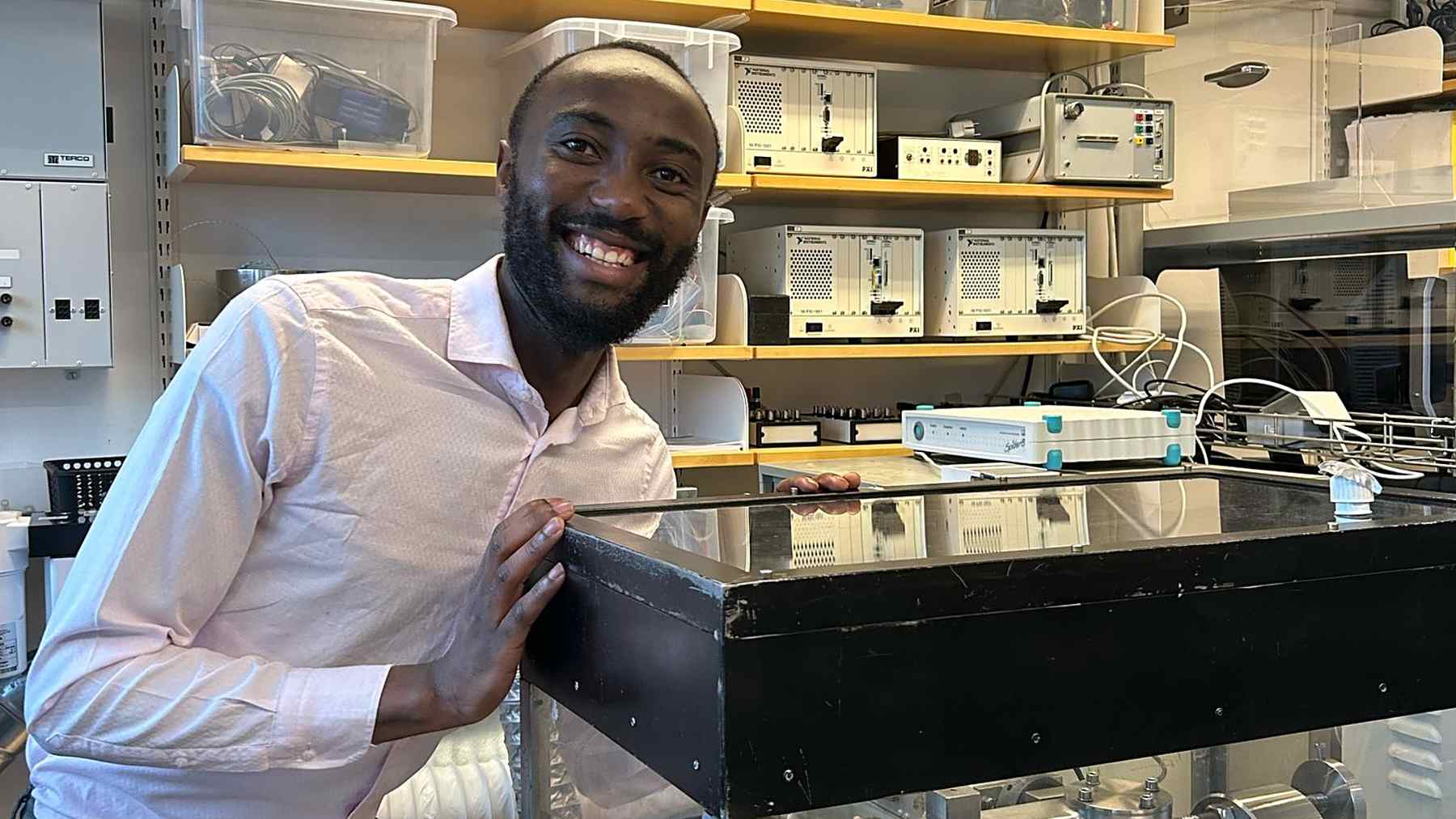
“It was only a matter of time until we would observe the biological consequences of El Niño,” said Francisco Chavez, a senior scientist and biological oceanographer at MBARI.
“MBARI and our partners in the CeNCOOS research collaboration have recorded a dramatic decrease in the microscopic organisms that form the base of the food web. It was like things fell off a cliff,” Chavez said.
Other marine life that depends on these plankton will be severely impacted, Chavez added. But the full impact won’t become clear until the coming spring and summer.
Record heat 200 feet down
Surface waters in Monterey Bay and across the northeastern Pacific had already been above average for most of the year. MBARI links that to the North Pacific Gyre Oscillation, also known as the warm blob and often described as a marine heatwave.
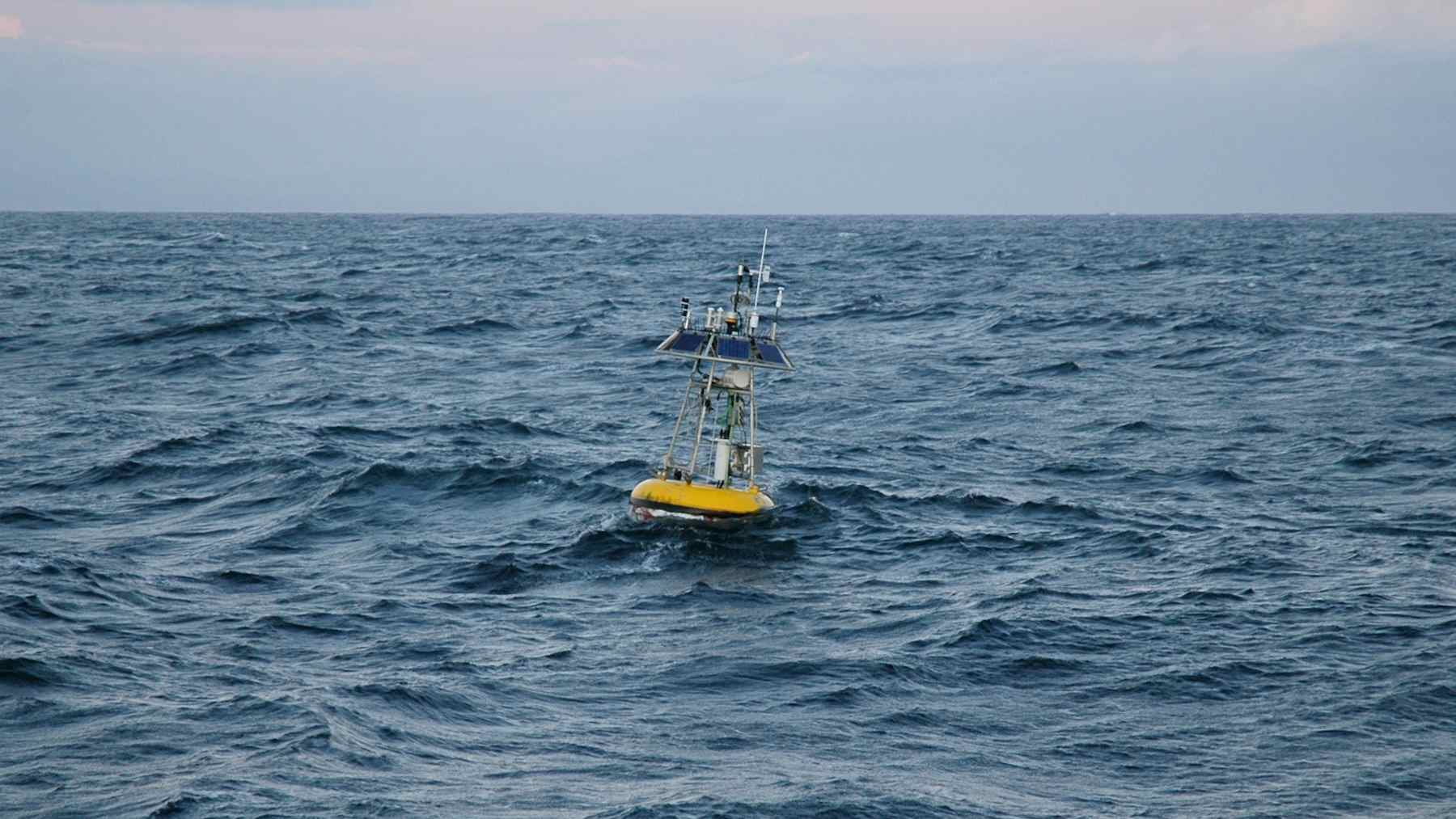
El Niño then pushed exceptionally warm water into the bay, blocking the upwelling of nutrients that phytoplankton depend on. MBARI’s M1 mooring has monitored the bay for nearly 40 years. On November 12, it recorded a new high of 19.22°C (66.6°F) at 60 meters (200 feet) underwater.
The strong warming that began in October fits the arrival of an El Niño-driven Kelvin wave at the California coast, MBARI says. As we reported earlier, NOAA ranked the 2026 El Niño the second strongest on record through August.
A tenfold drop in places
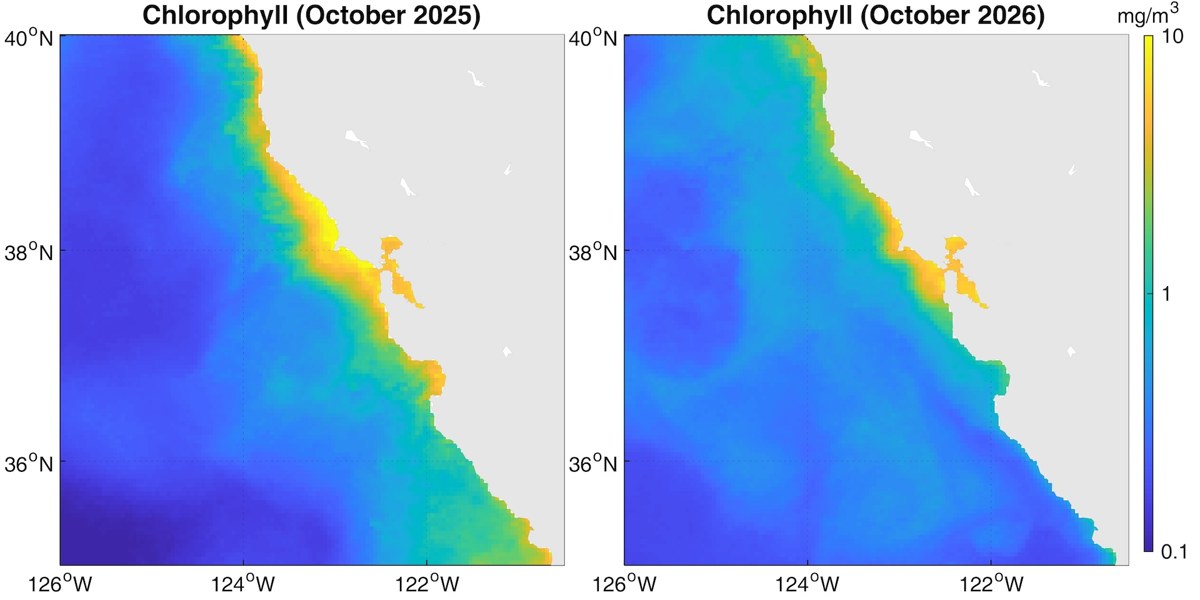
Satellite data on chlorophyll show a startling change off Central California. The pigment is used as a measure of phytoplankton abundance. “This really is a dramatic change,” said Monique Messié, a senior research specialist at MBARI.
The color scale is logarithmic, Messié said, so the maps show a 10-fold drop in phytoplankton biomass in some places, such as off Big Sur. These are the lowest chlorophyll concentrations in the region since before 2000, according to the satellite data.
Diatoms plunge in days
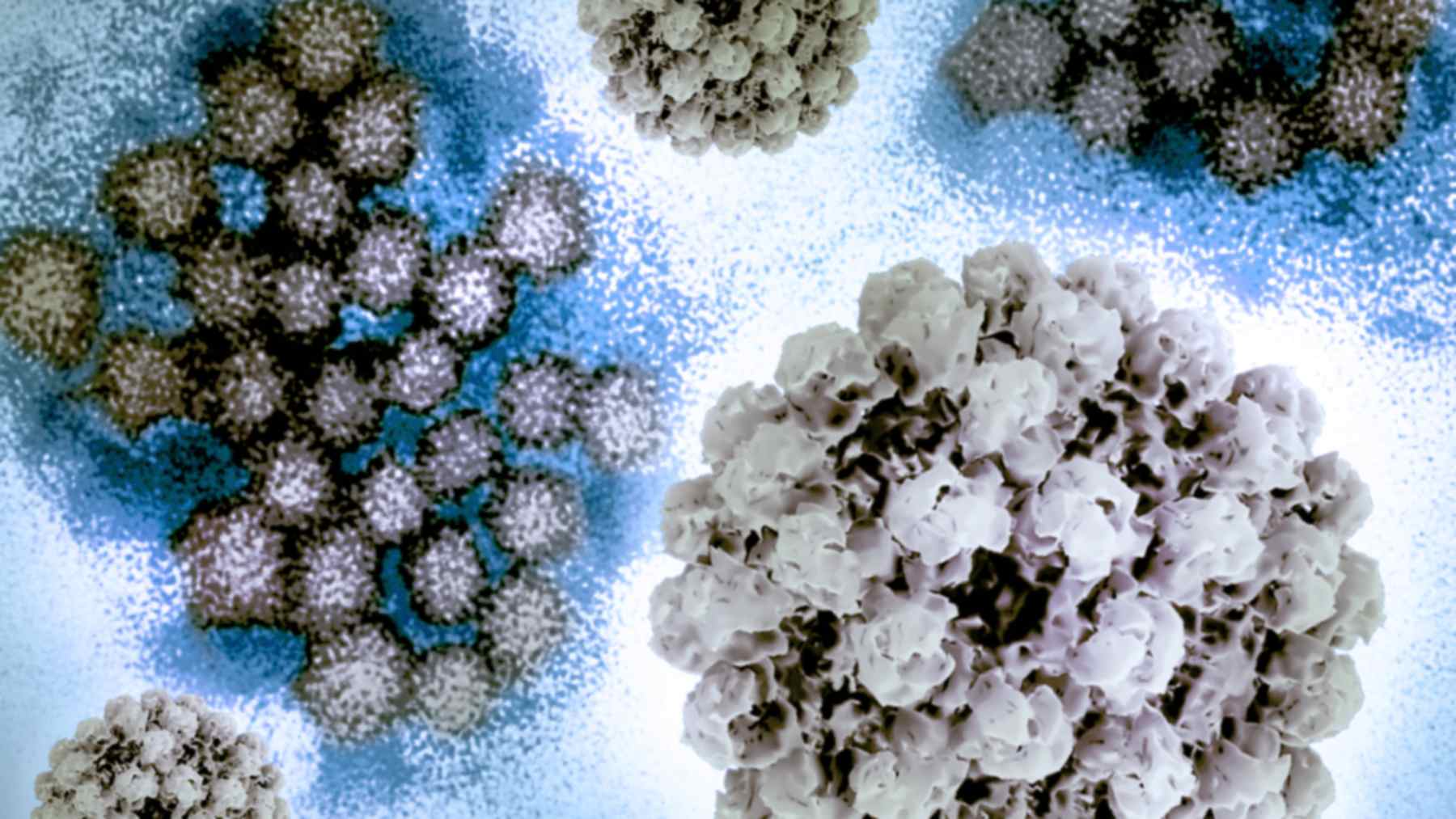
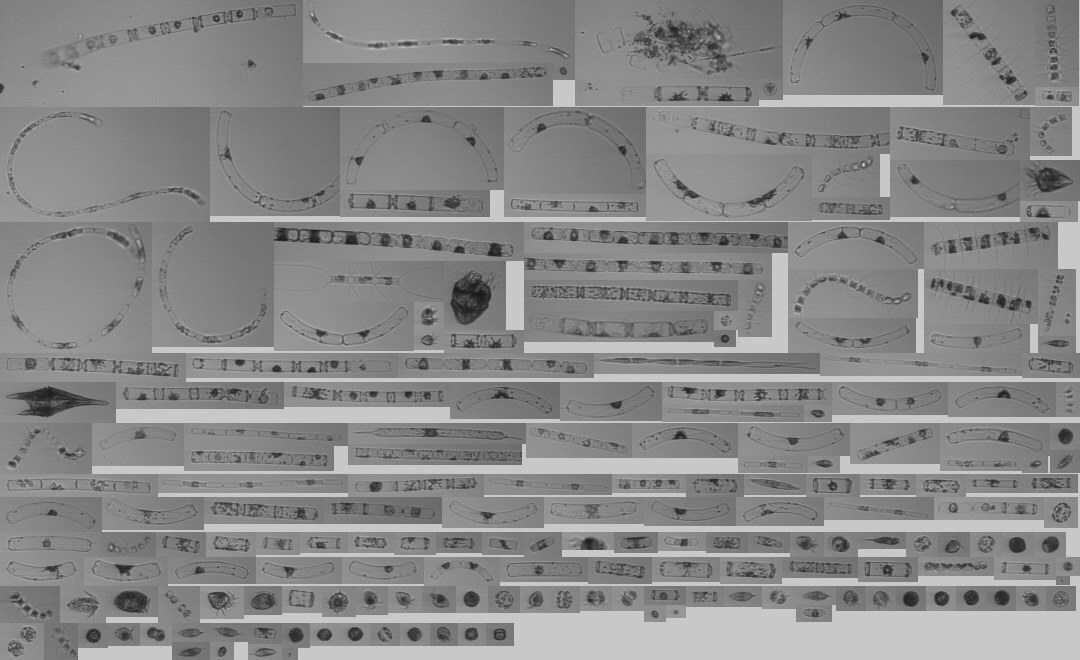
A robotic microscope called the Imaging FlowCytobot photographs plankton near the head of Monterey Canyon. Diatoms, tiny single-celled algae with glass skeletons, usually make up a large share of the bay’s phytoplankton.
Their numbers dropped significantly on October 4, according to MBARI, and they have been largely absent since October 8. The total carbon biomass, a measure of ocean productivity, has kept falling.
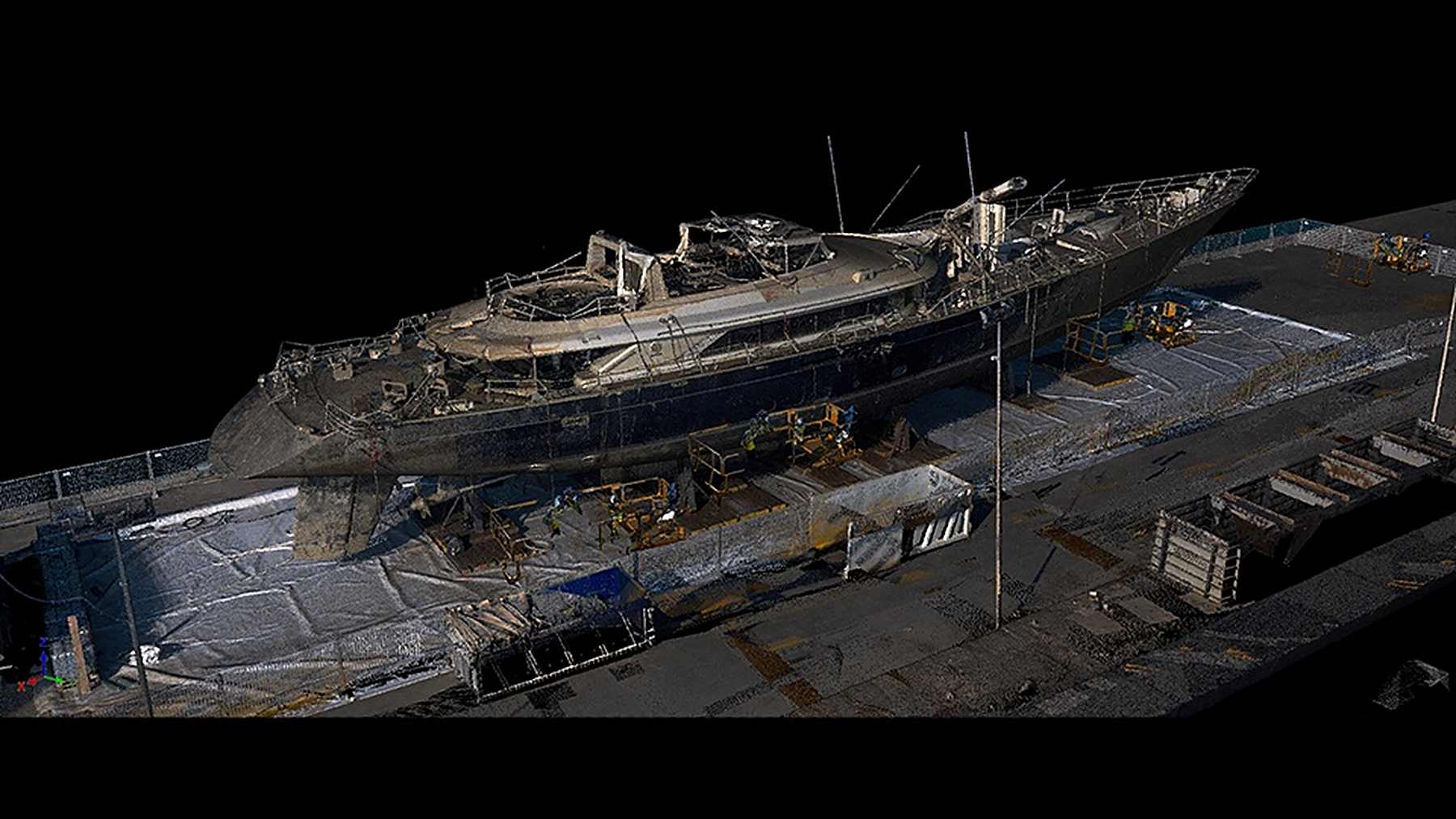
An autonomous underwater vehicle called Pontus surveys the north bay. It recorded warmer water from October 8, then a drop in chlorophyll and in bioluminescence. Both are signs that the foundation of the food web had collapsed.
Clear water and missing whales
Plankton feed krill and anchovies, which in turn feed whales, commercially important fish and many other predators. Humpback whales usually feed near the head of Monterey Canyon. El Niño has dispersed their food.
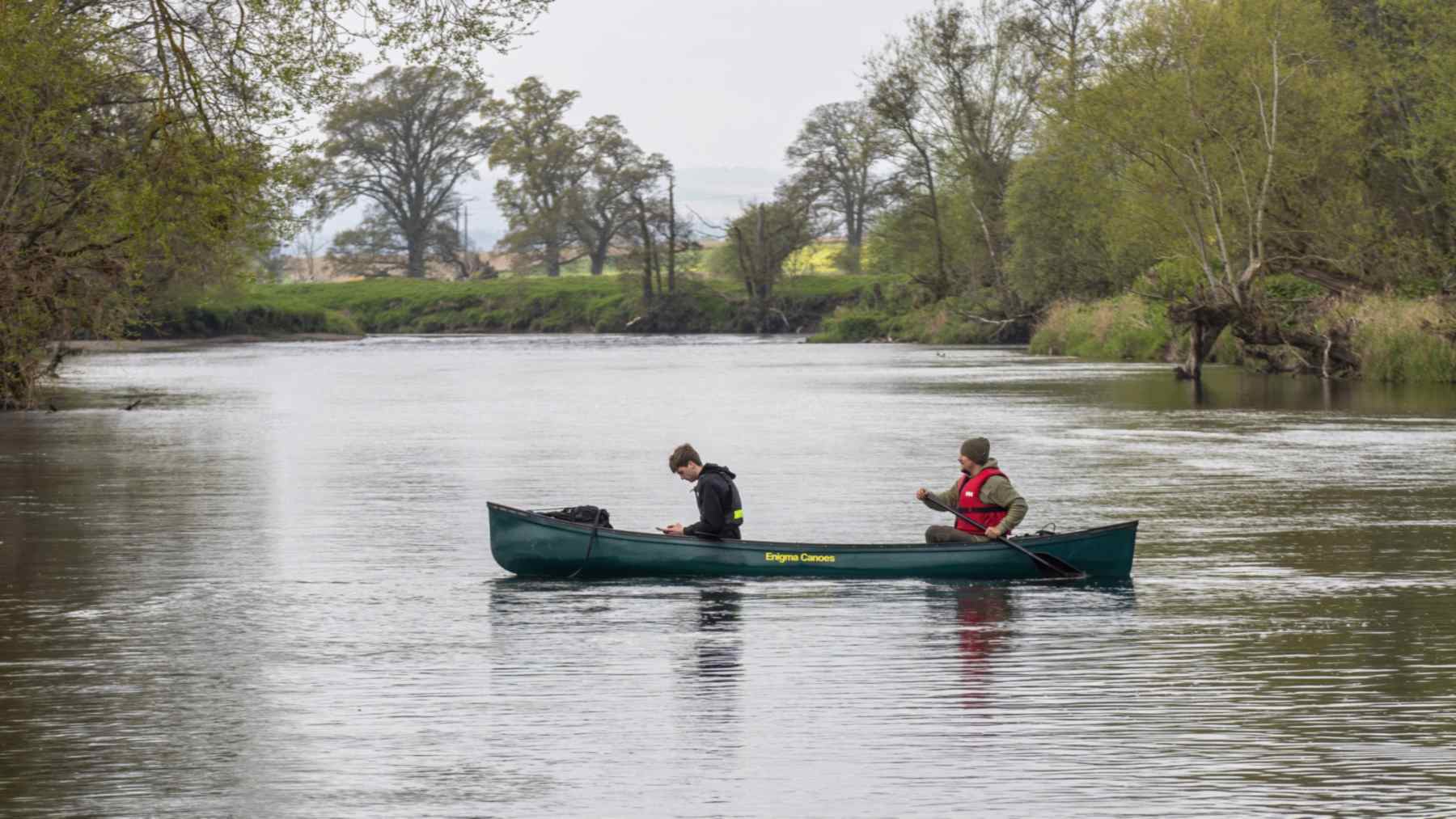
On October 26, divers servicing an MBARI buoy noted the clearest water they had seen since it was first deployed. Local whale-watching boats have also noticed that humpbacks are missing.
Separately, we covered the 2018 heat wave that pushed Baltic Sea surface water off Gotland to about 81°F. On land, aid agencies have been worried about what this El Niño could mean for the food of 49 million people, as we have reported.
Watching the rest of El Niño
MBARI is putting more observing systems in place to document further disruption. Through the Central and Northern California Ocean Observing System (CeNCOOS), it shares the data publicly. That gives resource managers and policymakers access to the science during what MBARI calls a historic El Niño event.
The plankton microscope is part of a statewide network that can also give early warning of harmful algal blooms. It gives researchers a near-real-time picture of how phytoplankton communities are shifting under El Niño, said CeNCOOS research specialist Patrick Daniel.
CeNCOOS director Henry Ruhl said investments in technology are proving very capable of capturing the dramatic shifts in ocean health caused by El Niño. MBARI’s El Niño research is supported by the David and Lucile Packard Foundation.
Photo: Todd Walsh / MBARI