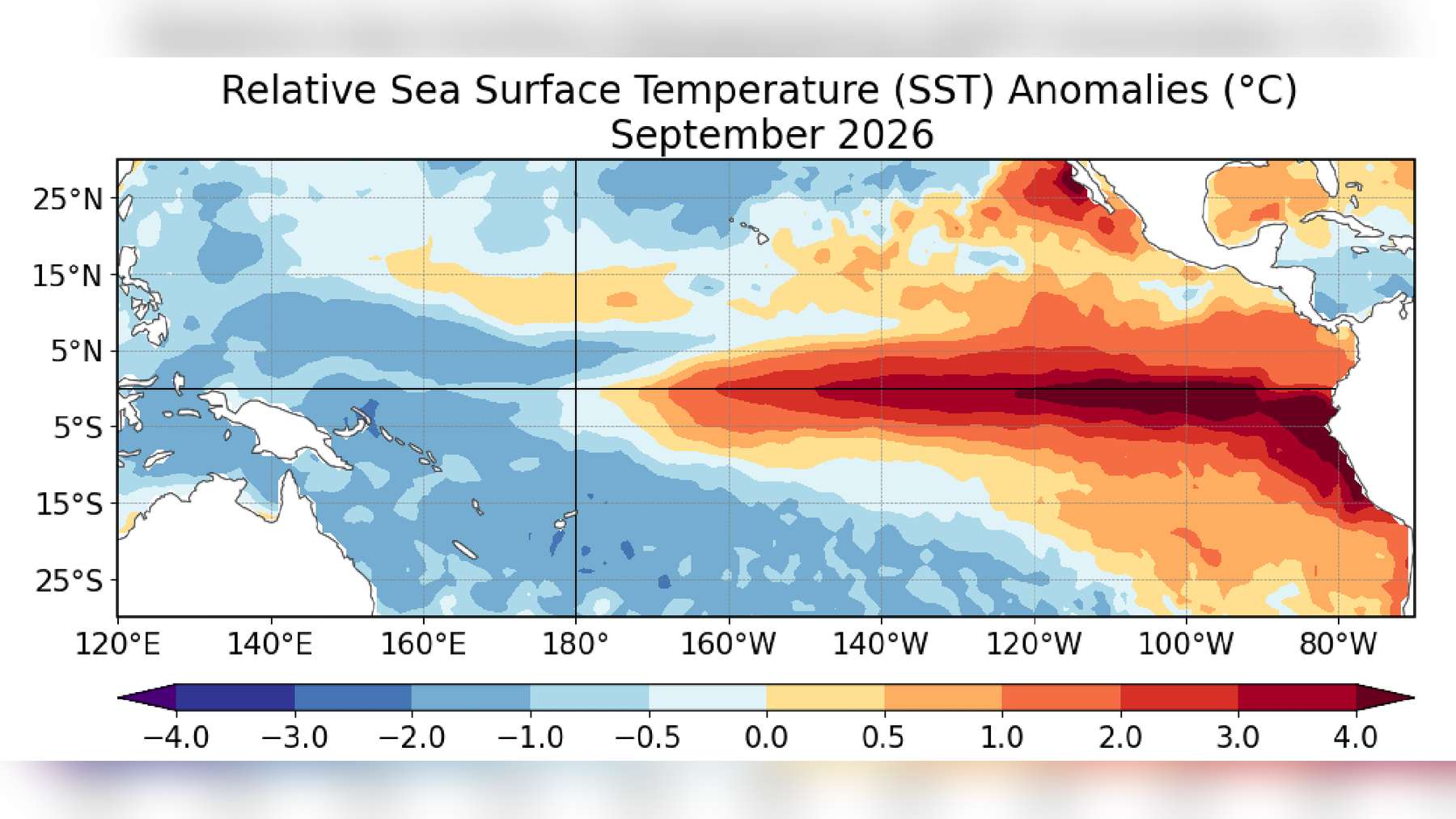
El Niño is strengthening in the Pacific, and forecasters say it could become one of the strongest events in modern records. An October 8 update from NOAA’s Climate Prediction Center puts the likelihood of strong to very strong conditions continuing through January to March 2027 above 83 percent.
But what does warmer ocean water mean for someone buying groceries or trying to sleep through a hot night? The concern is how this vast patch of Pacific warmth changes weather far away, adding pressure to harvests, water supplies, and health systems.
Pacific warming heads toward a peak
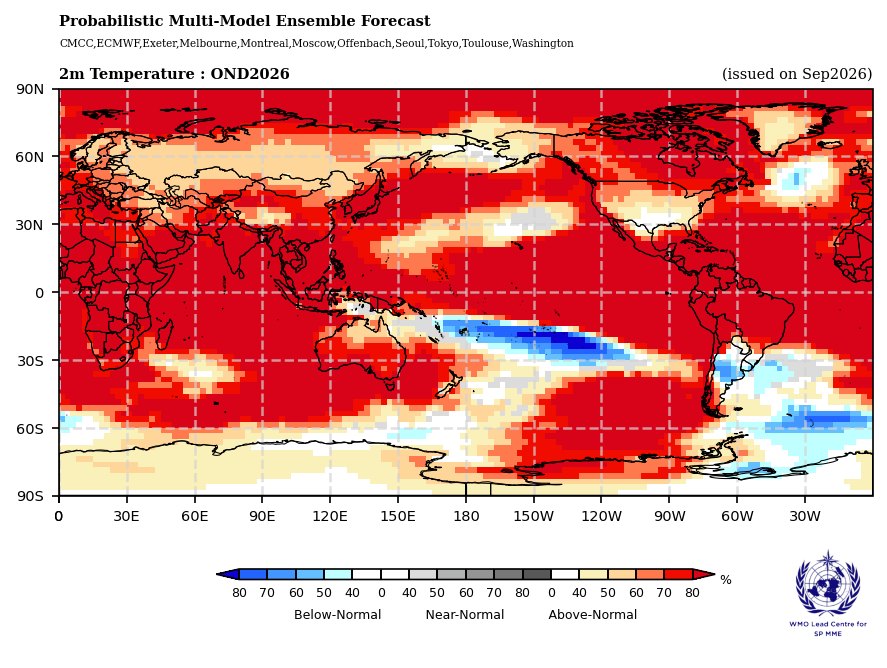
The World Meteorological Organization forecasts that temperatures in a key Pacific monitoring region could average about 6.7 degrees Fahrenheit above normal from October through December 2026. That would exceed the comparable seasonal record of about 4.7 degrees above normal during the 2015 to 2016 event.
These figures describe extra warmth above an established average, not the ocean’s actual temperature. “El Niño is firmly established and strengthening rapidly,” said Secretary-General Celeste Saulo, with the event forecast to peak around December.
How El Niño changes the weather
El Niño is the warm phase of a natural cycle linking the tropical Pacific Ocean and the atmosphere. Normally, trade winds push warm surface water westward, while colder water rises near South America.
When those winds weaken, warm water spreads eastward and patterns of air movement and rainfall shift. That can favor drought in parts of the western Pacific while bringing heavier rainfall farther east.
Think of it as moving a major heat source in a room, except the room is the atmosphere and the effects extend across continents. It changes where air rises, clouds develop, and rain falls, with consequences well beyond the warm water itself.
What the thousand-year record shows
Claims that this is already the strongest El Niño in 1,000 years need a distinction. A related coral study, led by Julia Cole of the University of Michigan, examined long-term changes rather than establishing a final ranking for the ongoing event.
Researchers analyzed cores from 13 living and ancient corals in the Galápagos Islands. As coral grows, its skeleton preserves chemical clues to the surrounding water temperature, allowing scientists to reconstruct conditions long before modern thermometers.
The research found that recent decades had unusually large El Niño-related temperature swings compared with the preindustrial record. That supports concern about a changing climate pattern, but the distinction matters because it does not establish that the unfinished 2026 event exceeds every individual event over a millennium.
A warmer starting point
Earth Sciences New Zealand explains that “Godzilla” is not an official scientific category for El Niño. Its assessment also says 2027 could approach or exceed global temperature records as this event overlaps with continued human-caused warming.
El Niño temporarily redistributes heat between the ocean and atmosphere. Greenhouse gases drive a longer-lasting warming trend, so a natural warm episode now develops against an already warmer background.
Friederike Otto of Imperial College London described a “much warmer, human-influenced climate system” in comments to The Guardian. The practical concern includes hotter homes and workplaces, especially where people have limited access to cooling.
Drought and smoke are already concerns
India’s June through September 2026 monsoon rainfall reached 87 percent of its long-term average, according to the India Meteorological Department. That national figure hides regional differences, with larger shortfalls in eastern and northeastern areas and the southern peninsula.
In Indonesia, the national weather agency reported expanding forest and land fires during September’s dry conditions. Satellite monitoring detected smoke over several major regions, creating concerns for air quality, visibility, and transportation.
Heat adds another layer of risk, particularly for older people, children, and outdoor workers. A World Health Organization assessment identifies heat-related illness, malnutrition, infectious diseases, and disrupted health services among the concerns associated with this El Niño.
Why hunger can outlast the heat
The World Food Programme warned on August 5 that El Niño could push at least 49 million additional people into acute food insecurity by the end of 2027. Its analysis covered 45 vulnerable countries and drew on previous events, existing hunger levels, and expert judgment.
Acute food insecurity means people cannot adequately meet their food needs and require urgent help. The estimate is not a declaration that 49 million people will experience famine, and it remains a projection rather than an observed count.
The effects can continue after ocean temperatures begin falling because damaged harvests influence food supplies and incomes months later. “Severe floods and droughts can quickly push communities from coping to crisis,” said the agency’s acting executive director, Carl Skau.
The forecast offers time to act
For families already struggling, the risk goes beyond losing food grown on their own land. Climate specialist Richard Choularton explains that poor harvests can also reduce farm hiring, taking away wages that people depend on to buy groceries.
That is why early support matters before the next failed crop or flood. Aid agencies are arranging funding and assistance ahead of emergencies, while local forecasts remain essential because the effects will vary from place to place. The official forecast was published in the World Meteorological Organization’s Global Seasonal Climate Update.
Photo: NOAA Climate Prediction Center