The Mjønes shipwreck, a wooden jekt cargo ship in northern Norway, stayed in service for more than a century. It was built from local pine in the mid-1700s and repaired into the mid-1800s, according to a report published September 9, 2026.
That working life far exceeds the roughly 30-year average for a jekt. The authors are maritime archaeologists Stephen Wickler of the Arctic University Museum of Norway, part of UiT, and Fredrik Skoglund of the NTNU University Museum.
Frames in the Mjønes River mouth
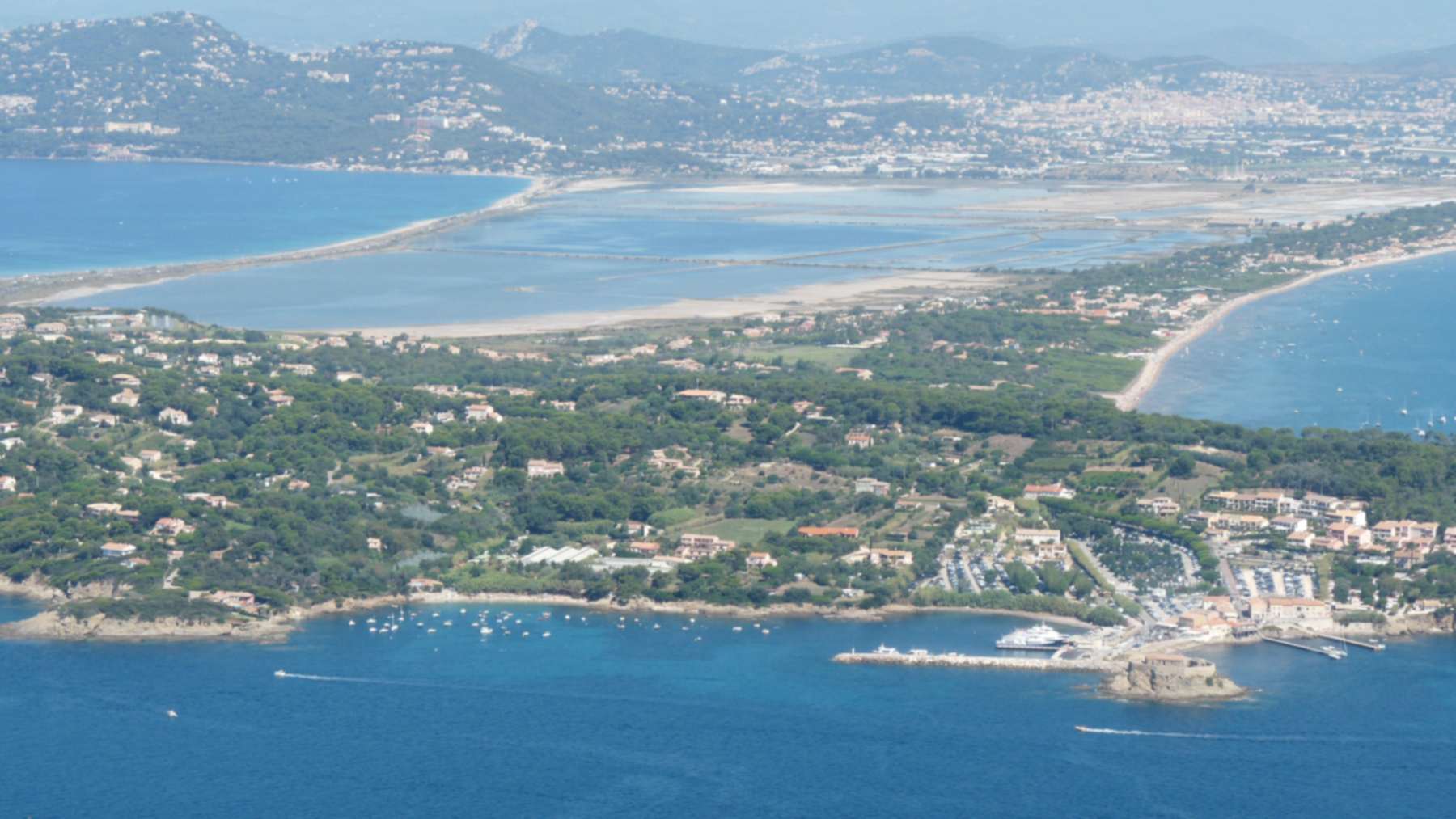
The wreck lies at the mouth of the Mjønes River, midway between the towns of Bodø and Fauske in Nordland. In February 2021, a county heritage archaeologist told the museum about a line of ship frames showing at low tide.
Erika Søfting, who leads research at the Jekt Trade Museum in Bodø, contacted landowner Svenn Karl Larssen. He said the frames, which he called “jekt posts,” had been there for at least 75 years.
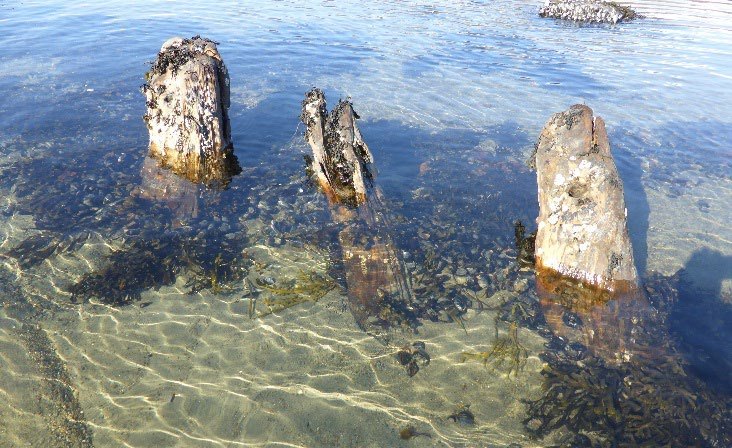
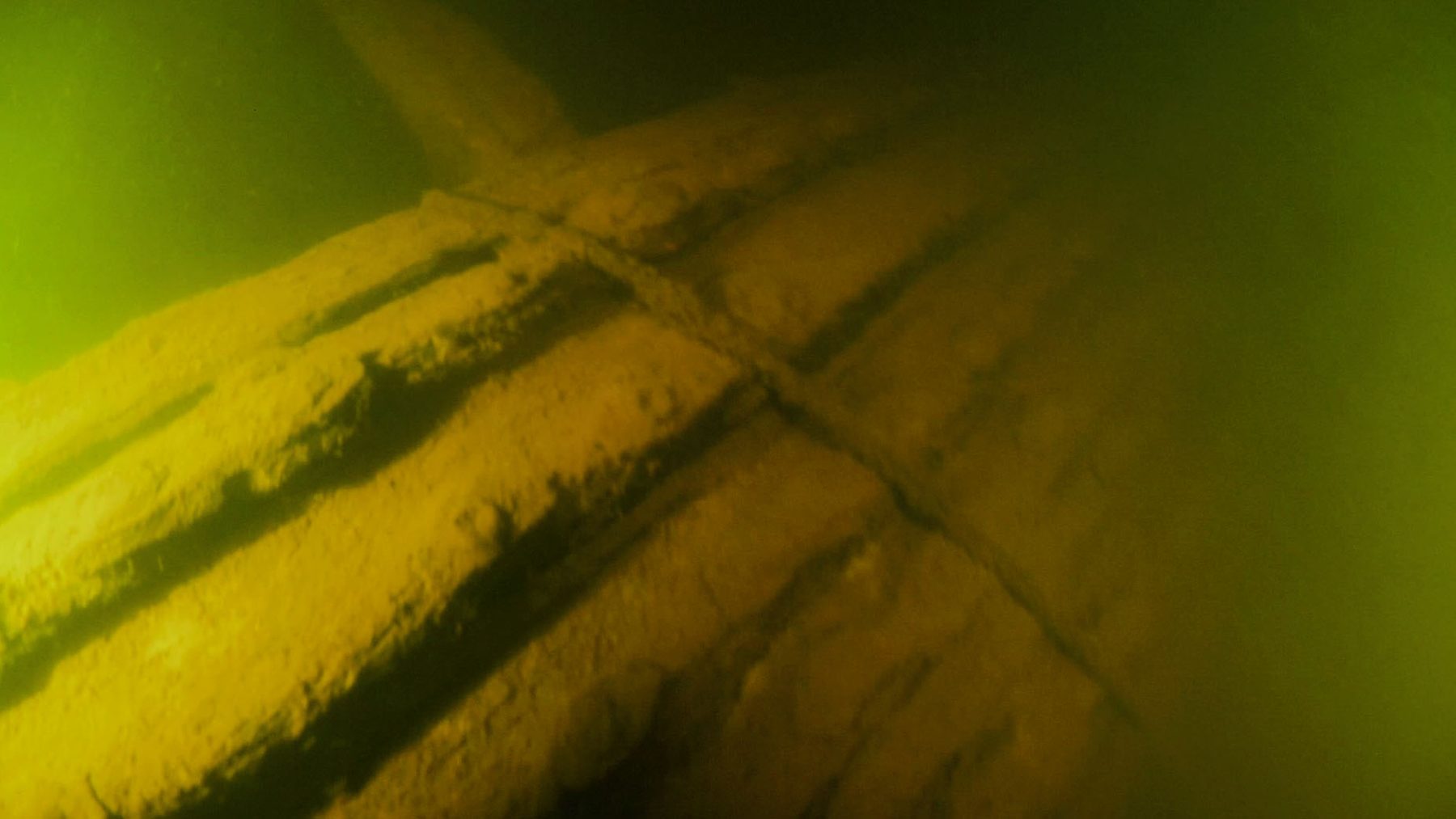
Kai Linde, a traditional boatbuilder from Rognan, surveyed the site at low tide on February 27, 2021. He measured three pine frames above the surface. He confirmed a clinker-built hull, meaning planks that overlap along their edges.
“The ship was most likely beached and abandoned due to old age and unseaworthiness,” the report states. It lies on its starboard side in a clay trench, its hull full of river gravel, and the bow end has been ripped away.
Pine rings from Saltenfjord
Dendrochronologist Andreas Kirchhefer sampled frames, planks and wooden pegs called treenails. His method compares yearly growth rings with reference sequences, much as tree rings helped date Viking woodcutting in Newfoundland.
The best frame sample placed construction sometime after 1705. The pine most likely grew along Saltenfjord, a fjord about 25 miles (40 kilometers) long.
Three replacement planks have outer rings from 1838, 1846 and 1859, and a spruce treenail dates to 1807. That plank wood came partly from southern Helgeland or Trøndelag. Spruce pegs are uncommon, so the authors think someone needed a quick fix.
Then there was the rope, a thick rope jammed between frames D and E at the bottom of the hull. Fiber specialist Jenni Suomela, at the University of Helsinki, matched it to linden bast, the inner bark of the lime tree. NTNU’s dating lab put it at 1727 to 1785.
Fourteen frames packed tight
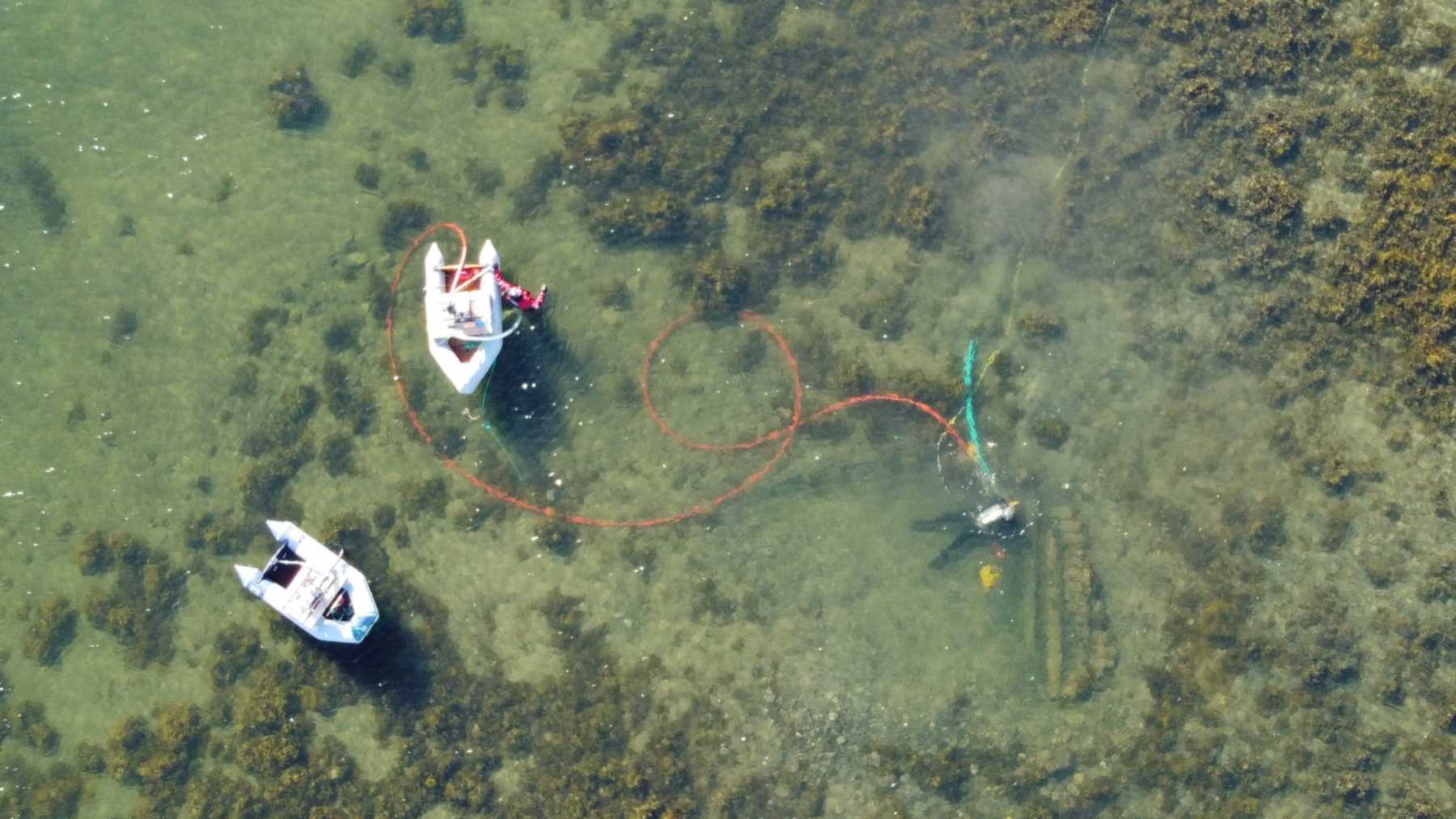
Skoglund, Wickler and NTNU colleagues Staale Normann and Terje Hellan excavated part of the wreck from May 31 to June 4, 2022. A Zodiac carried the water pump for two dredges, and digging went best midway between high and low tide, when the water was clearest.
Roughly half of the ship is still there, about 30 feet (9 meters) of hull from the transom forward and up to 16 feet (4.8 meters) across.
The team exposed 14 frames, the curved ribs that shape a hull, set 16 to 20 inches (40 to 50 centimeters) apart. In the Holvik jekt, built in 1881, the gap is 26 to 28 inches. Tight framing may have strengthened the hull for more cargo, the report says.
Holvik, kept by the Nordfjord Museum of Cultural History, is the largest surviving jekt. The report gives it 19.7 meters (about 65 feet) of length. The Mjønes ship may have been almost that big.
Small jekts from the late 1700s were about 33 feet (10 meters) long. The authors suggest that rising cod fishing and stockfish production pushed Nordland builders toward larger ships earlier than historians assumed. Stockfish is cod dried in open air, the cargo behind a coastal trade that the Jekt Trade Museum in Bodø says linked northern Norway with Europe for centuries.
Kattmarka’s twin near Namsos
The project compared Mjønes with a jekt wreck found in 2017 at Kattmarka, near Namsos. A quick clay landslide in 2009 had exposed it.
Clay can protect old hulls for centuries, as with a medieval ship found under a Tallinn street or wrecks unearthed by builders in Sweden. Kattmarka was raised in September 2019.
Kattmarka was built around 1750 from local pine. Its owners later covered the overlapping planks with two smooth outer skins, according to Skoglund’s 2020 excavation report.
“The longevity of the Mjønes jekt that was in use for about a century may be more common than previously thought,” the report says.
“Archaeological facts challenge widely held assumptions,” the authors add. They call Mjønes the only existing Nordland jekt actually built in Nordland.
A stone mooring at Erikstad
About 11 miles (17 kilometers) from Mjønes, at Erikstad, a stone structure sits 164 feet (50 meters) offshore. A resident reported it in 2016 to Asbjørn Lind of the Fauske History Association.
Under roughly 750 stones lay a frame of notched logs, 11.8 by 10.5 feet (3.6 by 3.2 meters). Its tree rings point to construction in the 1730s.
The authors read it as a mooring for large cargo vessels such as jekts. Big ships that could not be hauled up the beach tied a line to a post on top. The nearest jekt owner then, Jens Jørgensen Erikstad, shipped fish products to Lofoten and Finnmark.
Missing bow, missing rivets
Without the bow, the jekt’s original length can only be estimated. The keel stayed buried, out of reach of the dredges, and the report says nothing about how much stockfish the ship carried.
Bodø customs accounts list four jekts owned by J.P. Schjelderup, a jekt owner at Mjønes. The wreck could be one of them, though it seems larger than all four.
Someone also pulled almost every iron rivet from the hull after it was abandoned. “The removal of rivets would have required extensive effort, and we are not aware of similar evidence from other wrecks,” the authors write.
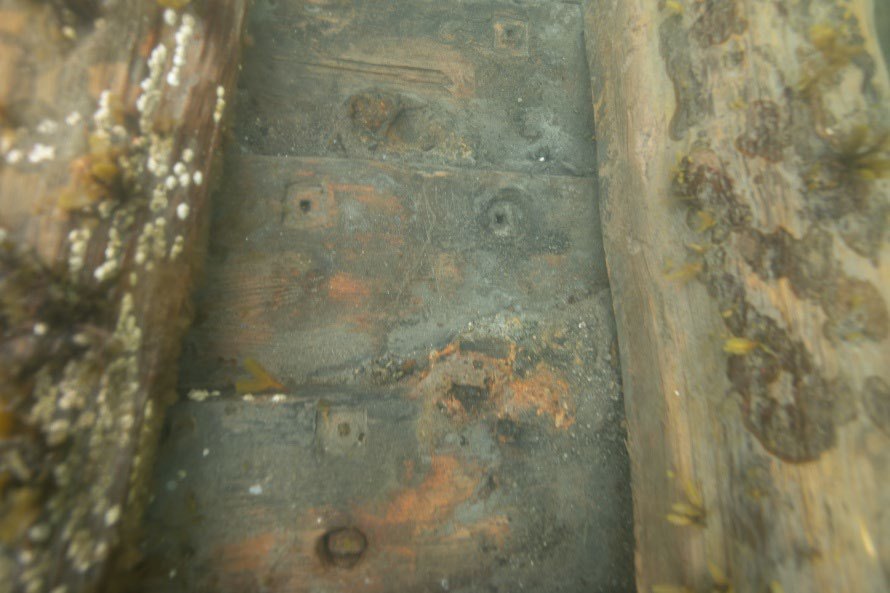
They doubt that iron prices in the mid-1800s justified the work. The full report, “The Mjønes shipwreck: An 18th century Nordland jekt cargo ship,” was published in Tromura.
Photo: NTNU University Museum / Tromura, CC BY-SA 4.0