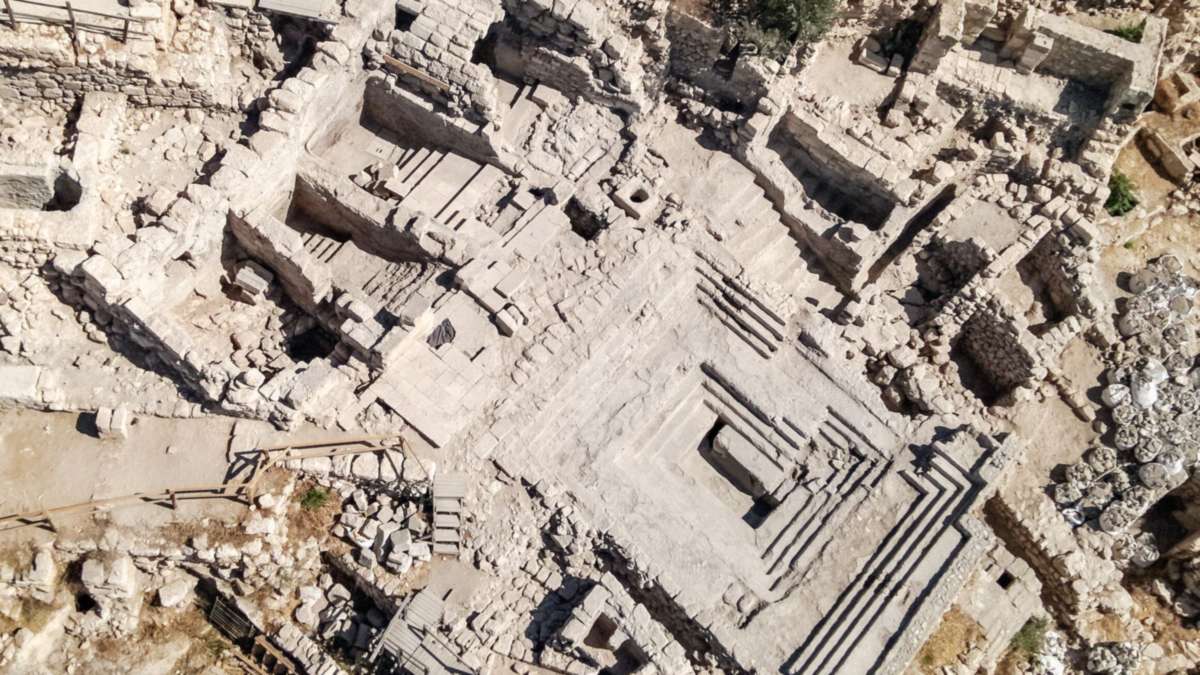
Five summers of digging by the Hebrew University of Jerusalem have exposed a monumental purification complex at the foot of the Temple Mount. It lies in the Ophel, the area just south of the platform in the Old City. Inside are three large public ritual baths, a stepped pool and a paved courtyard.
One of the baths still stands 13.8 feet (4.2 meters) from floor to stone ceiling. Professors Uzi Leibner and Orit Peleg-Barkat of the university’s Institute of Archaeology directed the dig. The Hebrew University put out the news on the morning of September 24, 2026, days before the Sukkot pilgrimage festival.
Steps on all four sides
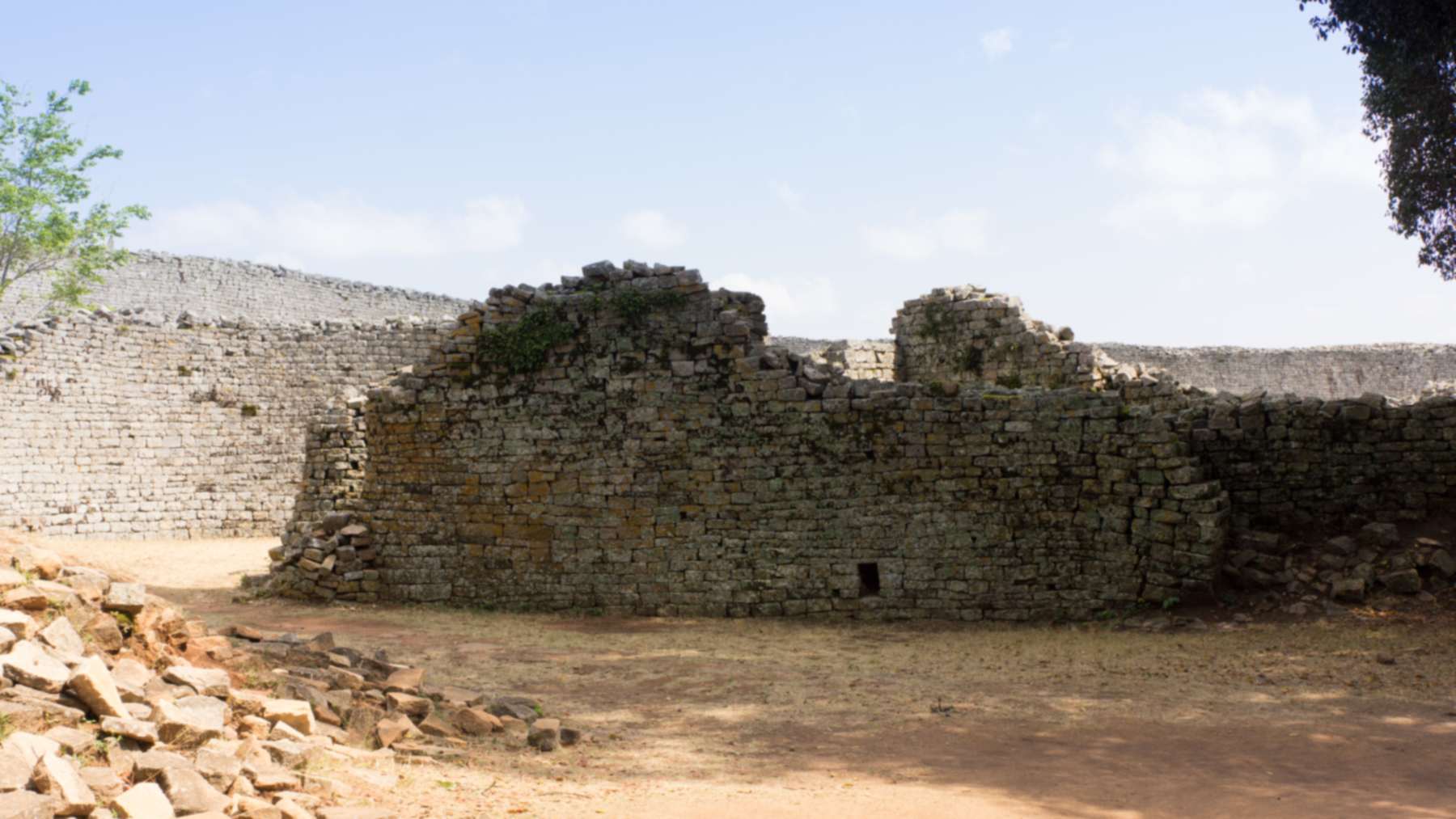
The main building dates to the early first century CE. At its center lies a plastered pool about 39.4 by 31.2 feet (12 by 9.5 meters). Steps lead down into it from all four sides.
On the pool’s northwest side, builders put up four rooms in finely cut ashlar blocks. The team identified three of them as large public ritual baths, or mikvaot in Hebrew. Two have carefully hewn stone steps.
Between the pool and the building, the excavators found a forecourt paved with large, finely dressed slabs. According to the university, the whole complex covers roughly 3,014 square feet (280 square meters). The Armstrong Institute of Biblical Archaeology, a partner in the dig, has nicknamed it Beit haMikvaot, Hebrew for House of Mikvehs.
A vault 13.8 feet high
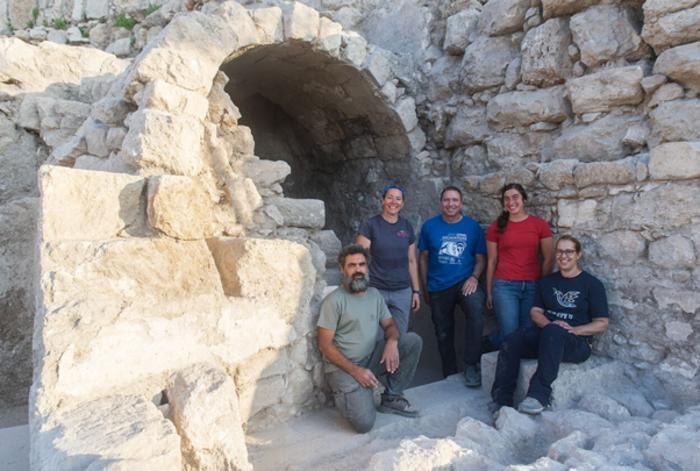
In the best preserved bath, you could still stand on the original floor and look up at the original roof. Its stone vault survives, and so does the shaft that brought in the water. Buildings from the Second Temple period almost never survive to the ceiling in Jerusalem, the university notes, least of all in such a central spot.
According to the Armstrong Institute, three of the four rooms once had vaulted stone ceilings. Only this one is still in place. Leibner called it the “crown jewel” of the site.
Drains tall enough to walk
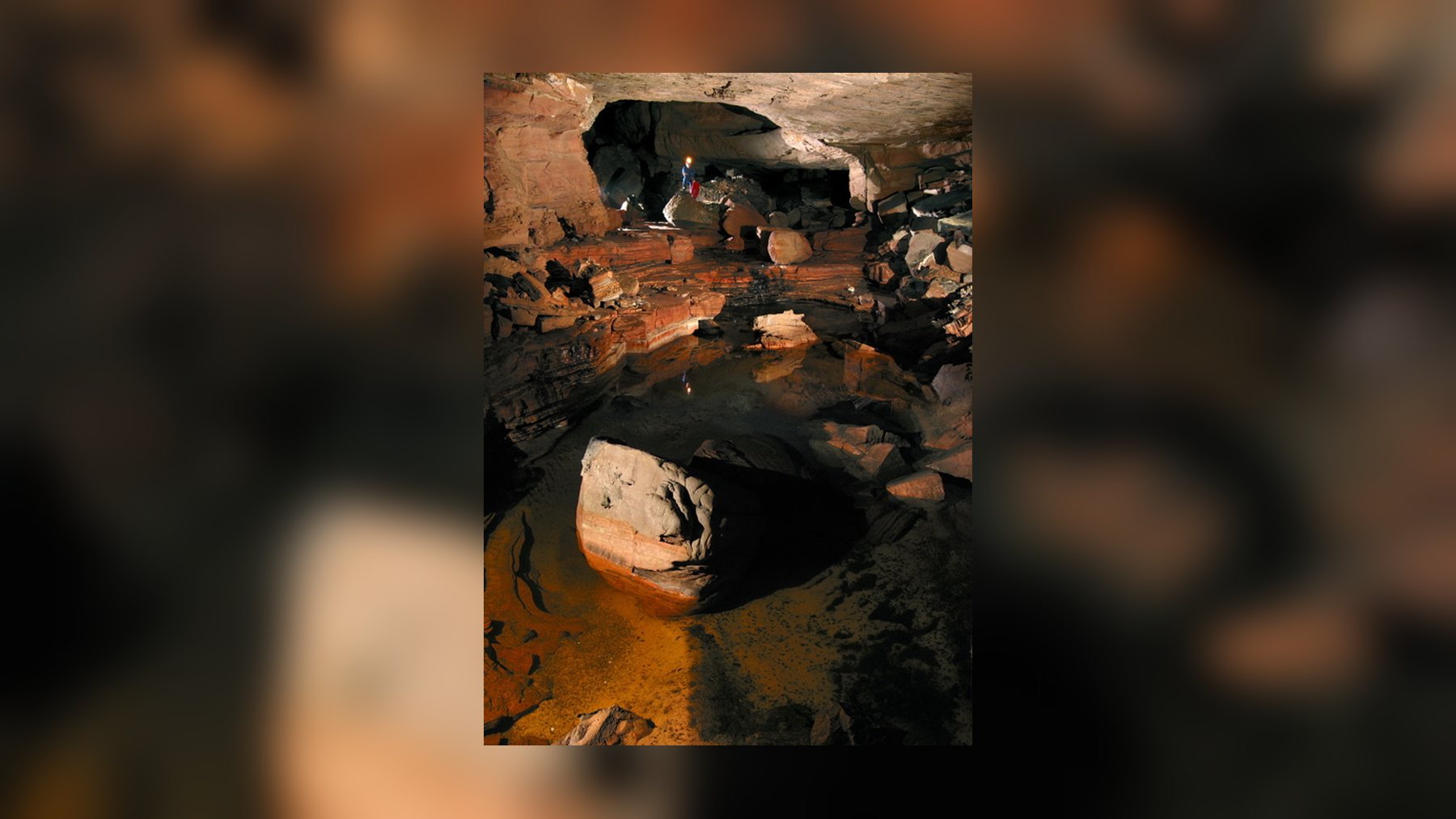
A large drainage system ran under the baths and the pool. In places its channels still stand more than 6.6 feet (2 meters) high. They carried water toward the Kidron Valley, the university said.
For the excavators, channels that size mean a lot of water moved through the building. The university suggests a permanent source of running water fed the complex. One candidate is a branch of the aqueduct that supplied the Temple.
Christopher Eames supervised the underground tunnels for the Armstrong Institute. He writes that mikvehs with drains are rare. He describes a walkable channel with inner arches, built into the foundations, and an exit tunnel curving east toward the valley.
In the institute’s view, the water probably came along the long aqueduct from the Hebron Hills. The university’s own release is more careful and says only “possibly.”
Pilgrims at the Triple Gate
The complex sits near the Triple Gate, one of the main entrances to the Temple Mount. According to the university, its location and size suggest it served the crowds of Jewish pilgrims. They underwent ritual purification before visiting the Temple.
Leibner and Peleg-Barkat called a monumental building “devoted entirely to ritual purification” near one of the Temple Mount gates “a truly unparalleled phenomenon.” “The complex goes to the heart of our research into the archaeology of Second Temple-period pilgrimage,” they added.
Peleg-Barkat’s faculty page at the Hebrew University describes that wider project. It treats the Ophel as a space that absorbed crowds in the late Second Temple period.
Josephus, a first-century Jewish historian, wrote of up to 2.7 million visitors at one Passover. Most researchers consider that number greatly inflated, the Armstrong Institute notes. Earlier digs found 18 pools around the main building, inside about 17,200 square feet (1,600 square meters).
Revolt coins on the floors
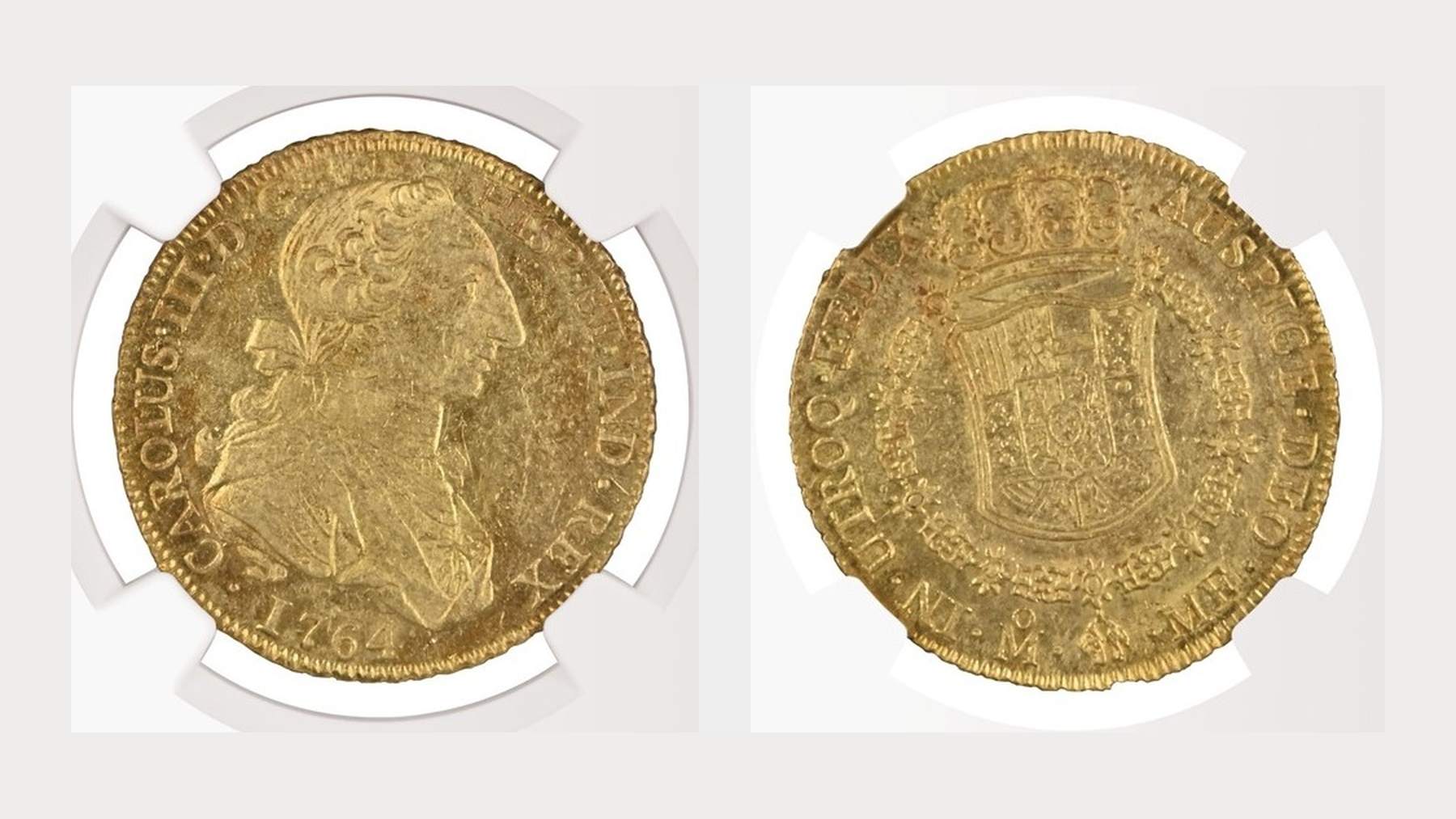
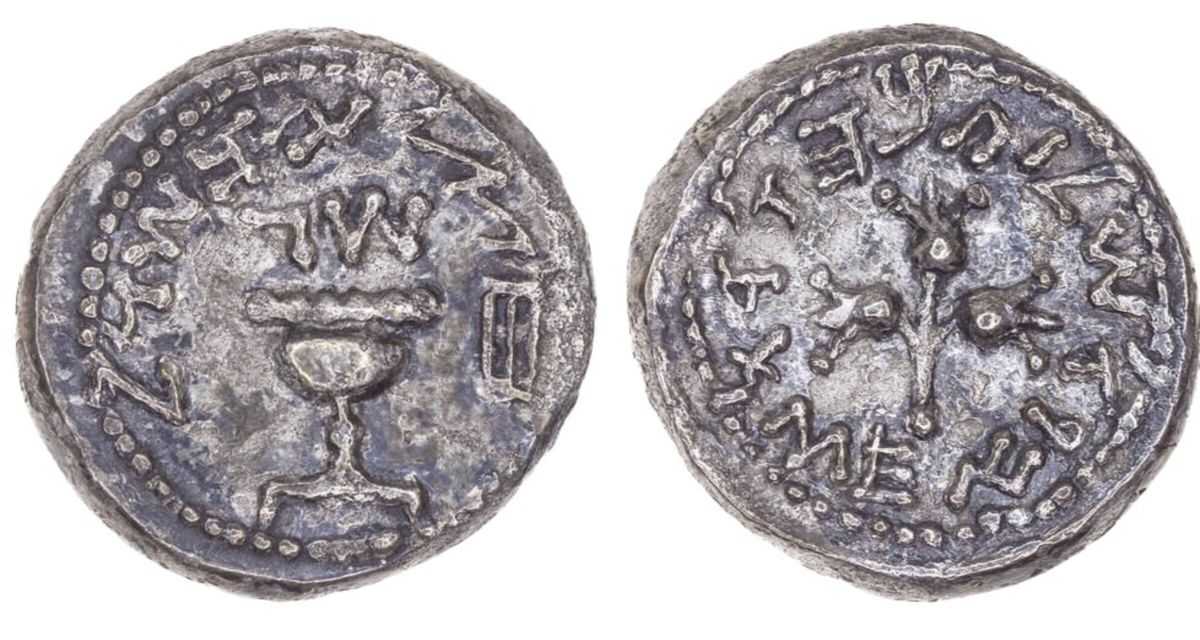
Roman troops destroyed Jerusalem and the Temple in the summer of 70 CE. The complex went down with them. On its floors and in the debris, the team found dozens of coins from the First Jewish Revolt against Rome.
The Armstrong Institute counts well over a thousand coins from the five seasons. One is a silver half shekel from the third year of the revolt. Another is a silver tetradrachm from the Hellenistic period.
Beneath the monumental building lay an older ashlar complex with its own large ritual bath. The university dates it, probably, to the first century BCE. Coins place the later building around 10 CE, the institute says, so it stood for about six decades.
Five decades on the Ophel
Parts of the site came to light long ago. The Armstrong Institute’s report says Benjamin Mazar’s team first exposed the pool in the early 1970s. Eilat Mazar uncovered part of the four-room building in 2013 and 2018.
After Eilat Mazar died in 2021, Leibner took over the area in 2022. Peleg-Barkat joined him in 2023, and the fifth and final season ended in the summer of 2026. The Israel Science Foundation, the Armstrong Institute and the Hertog Center for the Archaeological Study of Jerusalem paid for the work.
The site lies within Jerusalem Walls National Park. Old water works keep turning up under the city, like a 164-foot tunnel found under Jerusalem. Farther away, archaeologists traced ancient water channels beneath Hagia Sophia in Istanbul.
Aqueduct link remains unproven
Nobody has yet traced the channel that filled the baths, so the aqueduct is still a hypothesis. Mineral crusts helped date the end of supply in the Roman aqueduct at the Pont du Gard. No such study of this system has been announced.
How many people went down those steps on a festival morning is anyone’s guess, since the finds carry no head count. Who they were is open too. Eames, pointing to the fine stonework, suggests the building may have served the upper classes or Temple workers.
A peer-reviewed paper has not appeared yet, and the institute promises more once research and publications are done. The main source is the Hebrew University announcement, republished by American Friends of the Hebrew University on October 2, 2026.
Photo: Emil Sadikov / Armstrong Institute of Biblical Archaeology