Mineral deposits inside a Roman aqueduct have preserved clues to a mystery in southern France. Researchers studying the system that includes the famous Pont du Gard found that it stopped supplying Nîmes around AD 270, during the era of the Plague of Cyprian, while water continued flowing toward farmland upstream.
The findings raise the possibility that an epidemic reduced the city’s population enough to change its water needs. But the deposits do not prove that plague depopulated Nîmes, and their clearest message is about how a water system gradually shifted from serving a city to supporting rural estates.
The water kept flowing beyond the city
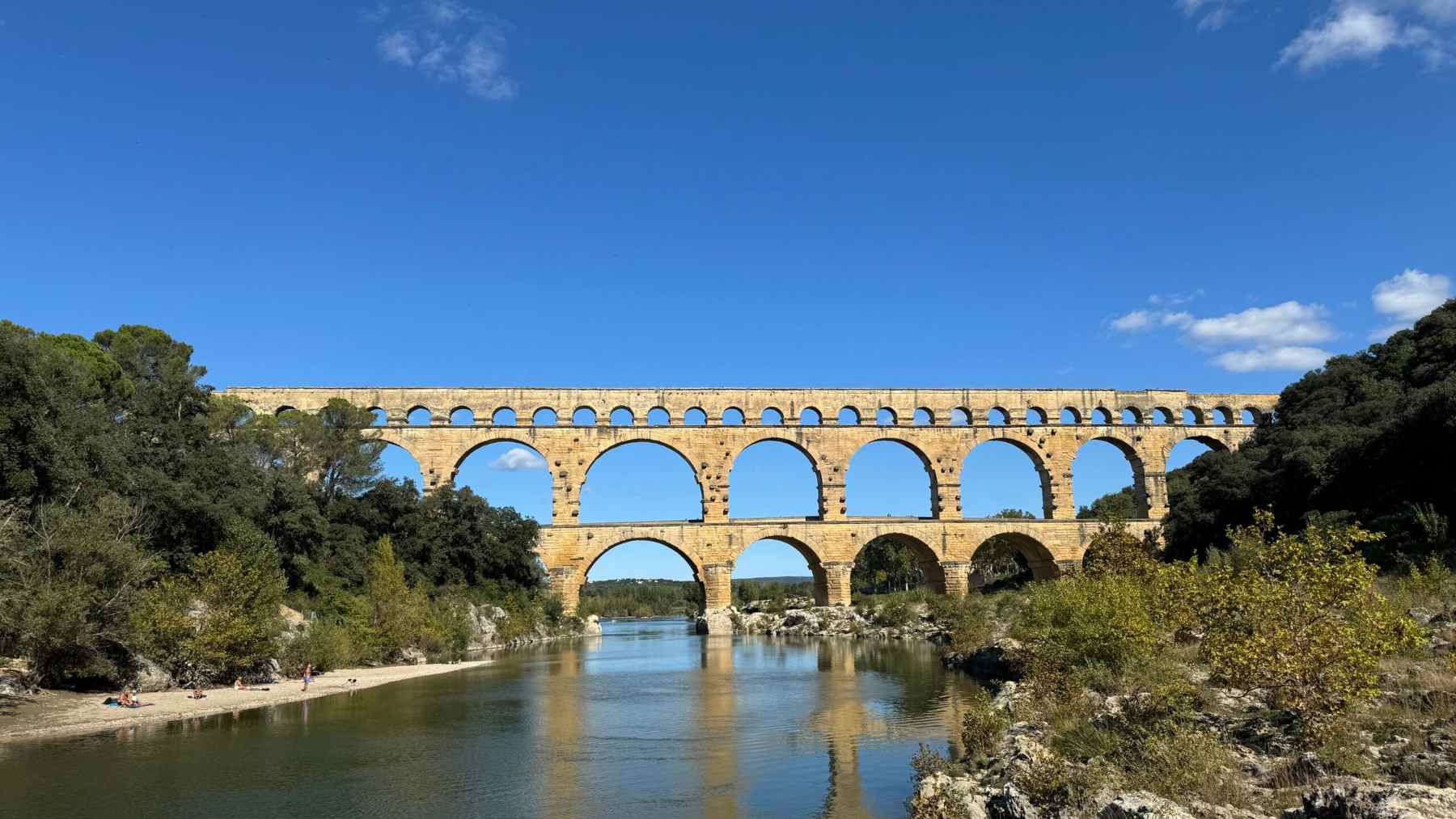
The aqueduct was built around AD 50 and stretched approximately 31 miles (50 kilometers). Its route included the Pont du Gard, the monumental bridge that carried water across the Gardon River on its journey to Nîmes.
Researchers at Johannes Gutenberg University Mainz found that carbonate deposits near the city ended abruptly around AD 270. Farther upstream, those deposits continued forming, indicating that parts of the aqueduct remained in use for roughly another 140 years, into the fifth century.
Why would a city stop receiving water from a system that still worked elsewhere? That contrast is central to the investigation, because it points toward changes in maintenance, water demand, and control over the supply rather than a source that simply dried up.
A mineral record hidden inside the channel
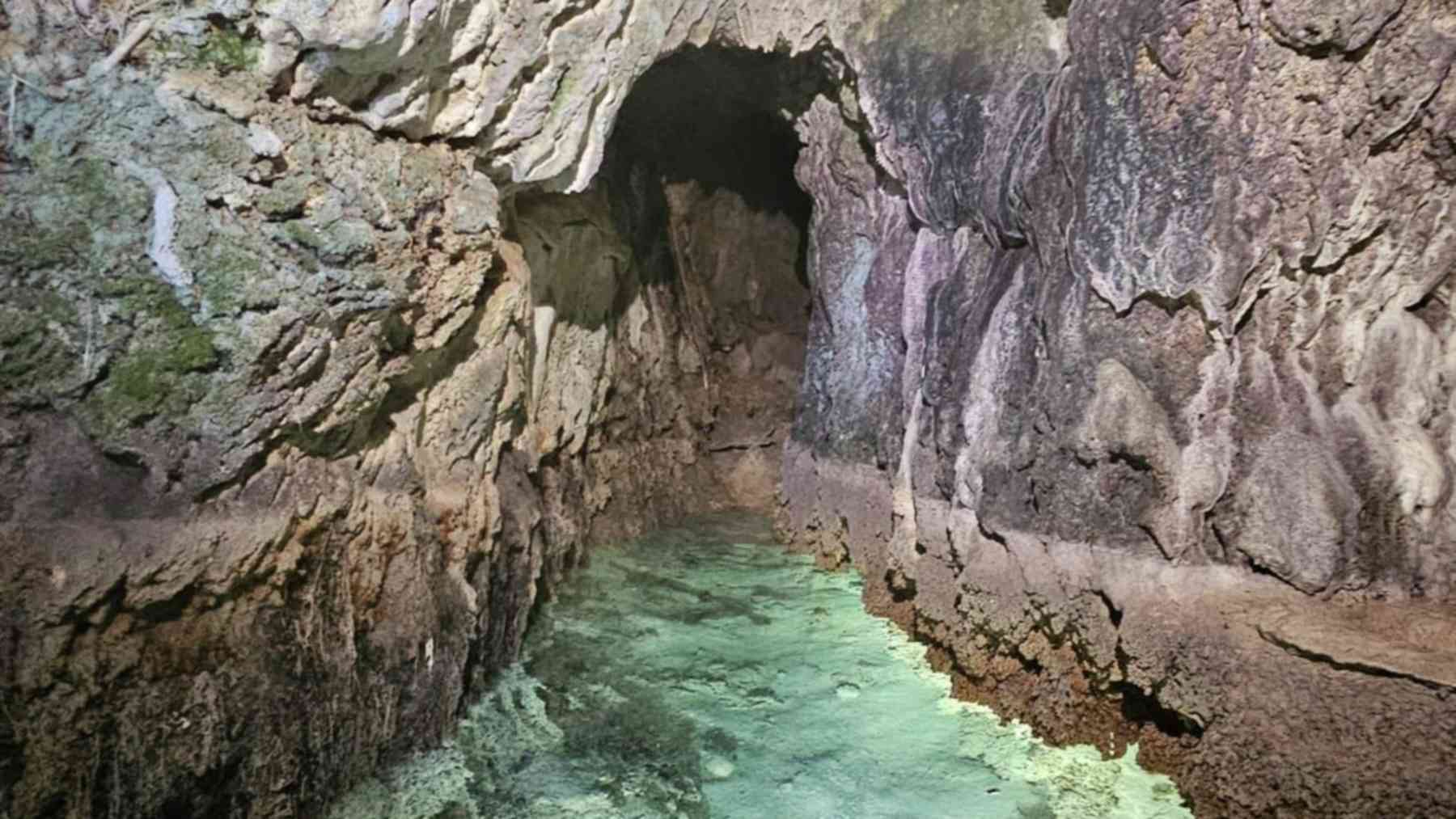
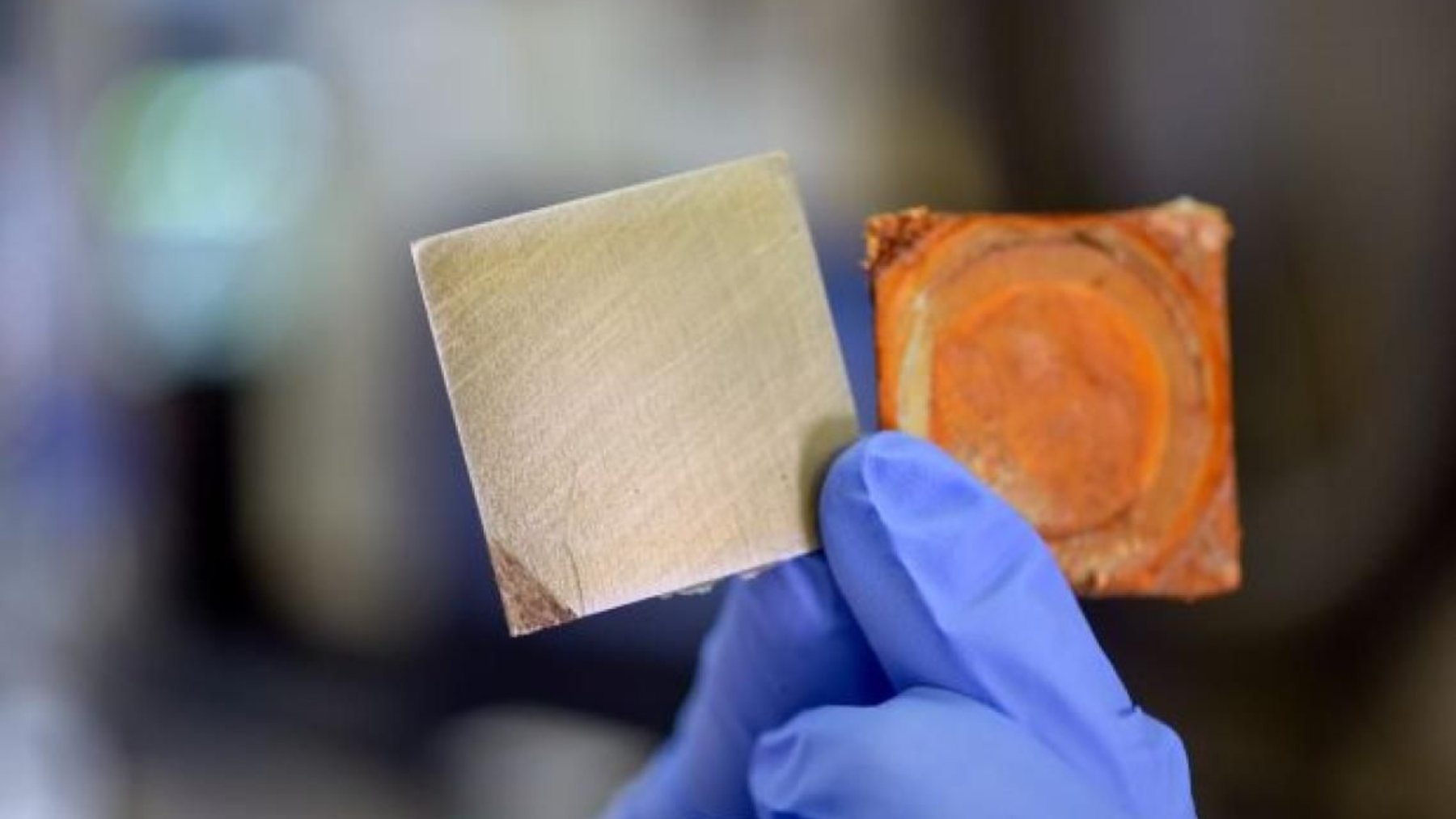
Geoscientists Gül Sürmelihindi and Cees Passchier examined carbonate samples collected from ten locations along the aqueduct. Flowing water had gradually left mineral layers on the channel’s surfaces, preserving a record somewhat like the rings inside a tree.
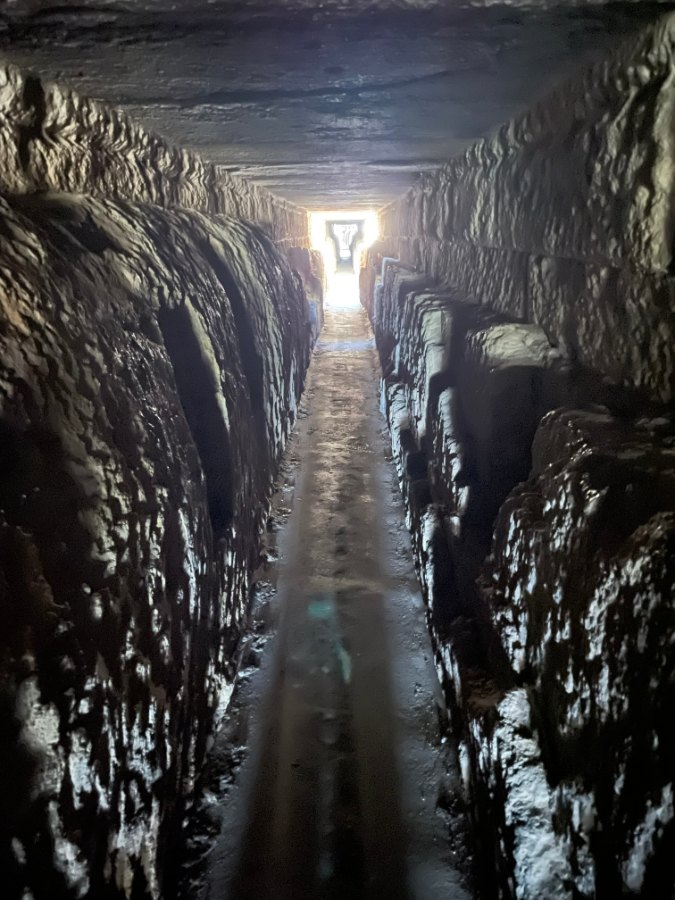
Changes in the layers’ chemistry and structure helped the team reconstruct variations in water sources, temperature, and operating conditions. For anyone familiar with mineral buildup around a faucet, the basic process may sound ordinary, but here the accumulated material became an archive of Roman infrastructure.
The researchers combined isotope measurements with other chemical evidence to reconstruct that history. The study dates the end of the urban aqueduct supply to approximately AD 270, with an uncertainty of about 20 years, so the timing should not be read as an exact calendar date.
More water at first, then less for Nîmes
The record begins with adaptation. After about eleven years of operation, a change in the carbonate chemistry indicates that an additional water source entered the aqueduct, around a period of dry conditions.
The researchers interpret the expansion as a possible response to drought, rising demand, or both. Changes to the channel, including raised walls and reinforcement around the Pont du Gard, fit the need to accommodate more water.
By around AD 150, another shift appeared, with thinner deposits indicating reduced water delivery downstream. Sürmelihindi estimates that about half the city’s supply was diverted for irrigation, probably through an authorized arrangement involving influential landowners, while the aqueduct continued operating with less water reaching Nîmes.
Why the plague remains a possibility
During the third century, deposits became more porous and contained clay and sand, which the team interprets as evidence of deteriorating maintenance. The eventual cutoff overlapped with political and economic instability across the Roman Empire and the Plague of Cyprian, dated in the study to approximately AD 250–270.
“The results suggest that something happened to the population of Nîmes,” Sürmelihindi said in the university’s announcement. The researchers suggest that substantial population loss could have reduced the demand for a large municipal supply, making continued investment less necessary.
Yet the local archaeological record is incomplete, and mineral layers cannot establish how many people died or identify the cause. Nîmes also had its own spring, the Source de la Fontaine, which the authors suggest might have met the needs of a smaller population after the aqueduct stopped supplying the city.
What the surviving rural supply reveals
Upstream, water continued serving agricultural land long after the urban connection ended. Openings made in the channel walls allowed water to escape toward fields, leaving substantial carbonate deposits on the outside of the structure.
That continued use gives the research an environmental significance beyond the possible epidemic. In the authors’ interpretation, the aqueduct’s changing role reflects a shift in local power and priorities, with rural landowners benefiting from water that had once supported urban life.
The evidence leaves an unresolved question about disease, alongside a clearer account of how people managed a shared resource over centuries. The official press release was published on September 16, 2026, on the Johannes Gutenberg University Mainz website.
Photo: Johannes Gutenberg University Mainz