Ancient Rome
Romans left lots of traces. AI has been used to make out worn inscriptions from Rome. Amateurs have found treasure troves of gold coins in fields. Ancient texts show sieges with surprisingly unusual weapons. We have information on many Roman discoveries in one place.
24 stories · since 2026 · latest, November 20, 2026
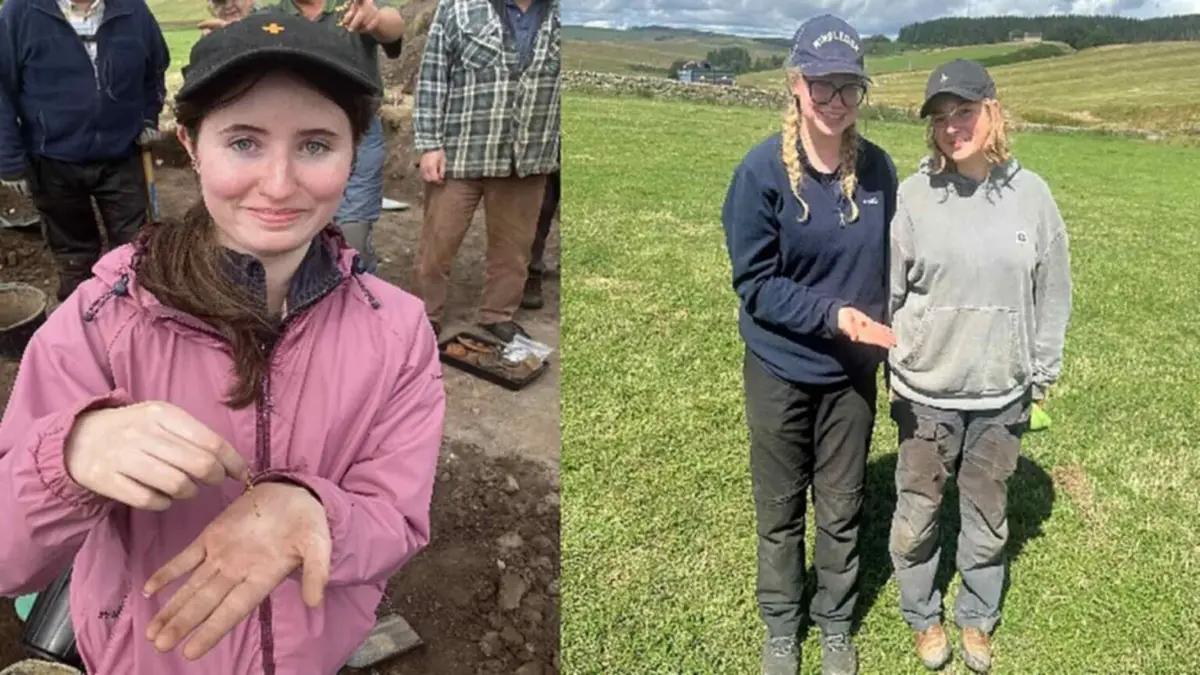
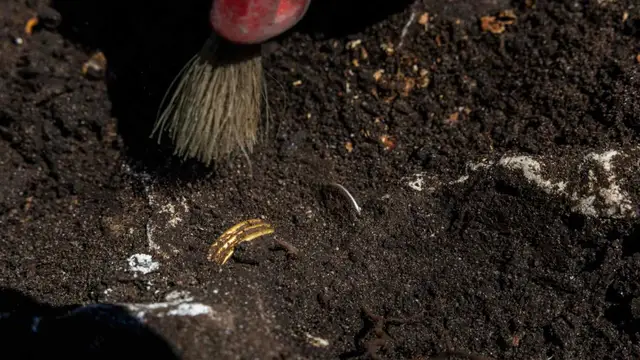
A first-year archaeology student found a Roman gold chain on the first day of a first dig in Northumberland, and it is so well preserved that, if complete, it could still be worn today
A student in northern England found a Roman gold chain on the very first day of a first dig. Newcastle University said on November 18 that the piece is so…
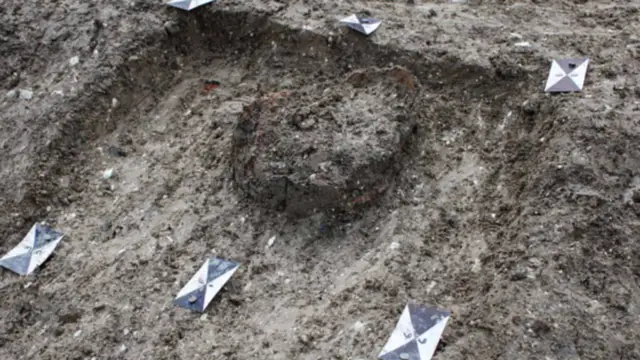
Archaeologists digging ahead of a new cricket ground in England found a Roman baby buried inside an upside-down pot with a hen and a songbird, and they say it may be a first for Britain
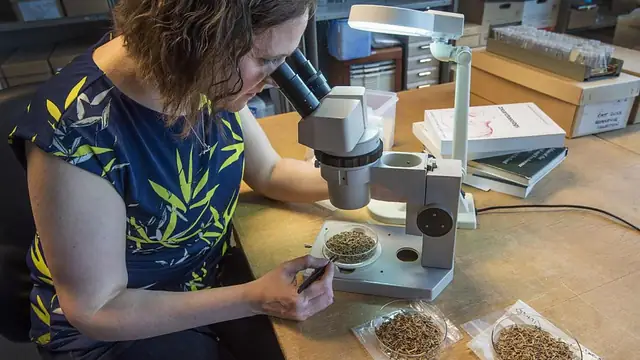
Archaeologists found more than 8,000 frog bones in one ditch near Cambridge, and four years later the culprits in this murder mystery turned out to be owls feasting within a single Roman year
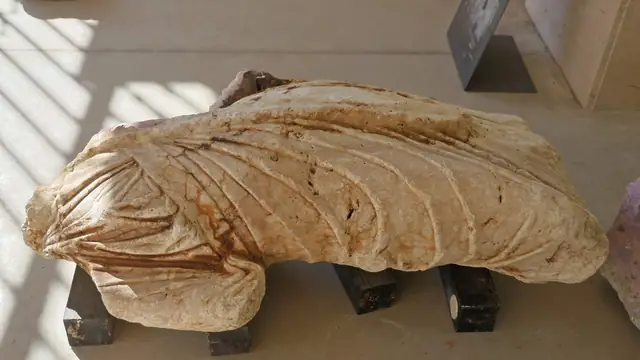
Hungary’s Danube dropped so low that divers working almost blind pulled a 1,100-pound Roman marble statue from the riverbed, and archaeologists still cannot say whether she was an empress or a goddess
Divers in Hungary have lifted a Roman marble statue of a woman out of the Danube at Dunaújváros, a city about 40 miles south of Budapest. Carved in the…
ECOnews Newsroom · November 6, 2026
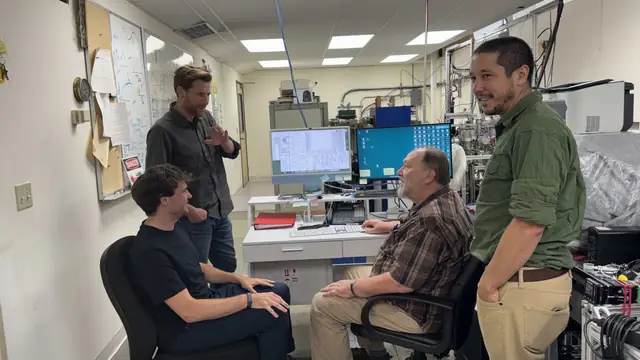
The eruption that buried Pompeii is now helping scientists date volcanic rock with a margin of just 13 years, and the pumice behind the result had sat unused for decades
Nearly 2,000 years after the eruption that buried Pompeii, a lab in California has dated its pumice more tightly than ever before. Scientists from the…
Adrian Villellas · November 6, 2026
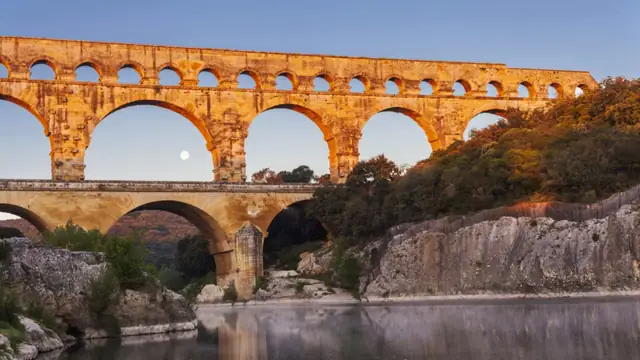
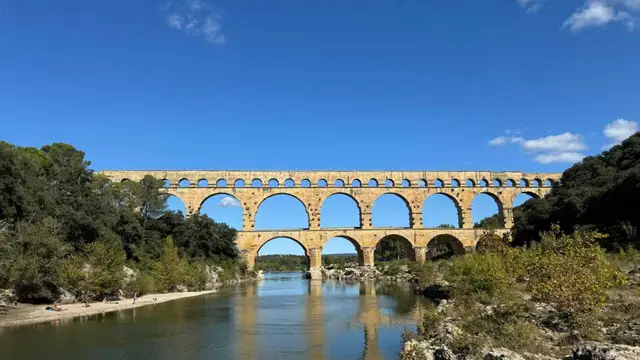
Medieval workers carved the Pont du Gard’s piers to less than half their thickness so carts could cross a Roman aqueduct, and what finally took the traffic off was a second bridge
Workers in the 1300s cut deep into the piers of the Pont du Gard, the Roman aqueduct bridge over the Gardon River in southern France. The goal was to let…
Adrian Villellas · November 5, 2026
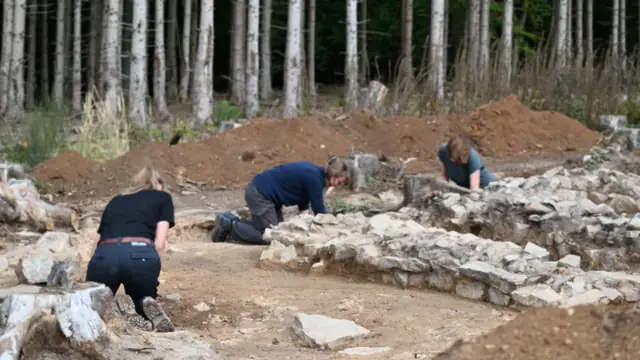
Roman soldiers guarded a German forest fort for 150 years, and archaeologists digging just inches below the forest floor have found a temple of Mars and a pin hinting at who came after
Archaeologists in the wooded eastern Taunus hills of Germany have uncovered a Roman temple of Mars, the god of war. It stood in the civilian settlement…
ECOnews Newsroom · November 4, 2026
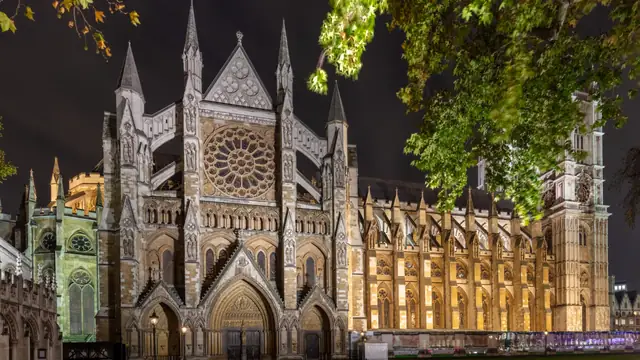
Westminster Abbey’s Roman stone coffin was made for a Londoner named Valerius Amandinus in the fourth century, yet the man inside died between 987 and 1052, and the Abbey’s archaeologist has narrowed him down to two Saxon abbots
Bones found in a Roman sarcophagus at Westminster Abbey belong to a late Saxon man, very probably an abbot, who died between A.D. 987 and 1052, about 700…
Javier Niño · October 31, 2026
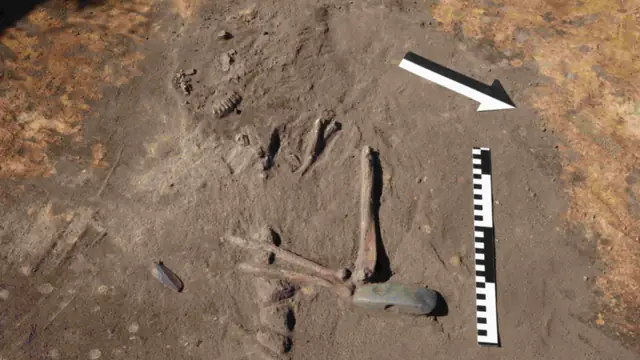
Archaeologists packing up a Roman-era cemetery near Wrocław, Poland, found a 5,000-year-old grave with a necklace of 42 drilled teeth and two extra skulls, and researchers want to know whether the heads were cut off
Archaeologists digging a late Roman cemetery outside Wrocław, Poland, had started tidying up the site when a circular outline about 13 feet (4 meters)…
ECOnews Newsroom · October 18, 2026
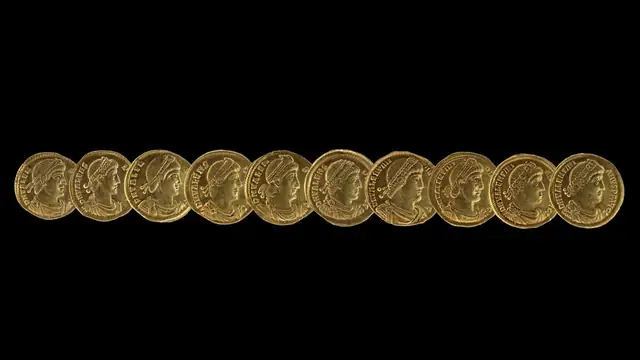
Two amateur archaeologists found 141 Roman gold coins in a field in Luxembourg, and beneath them, they also discovered a fortification that had been buried for more than 1,600 years
Two amateur archaeologists prospecting a plowed field near Holzthum, a village in northern Luxembourg, set off a find that ended with 141 Roman gold coins…
ECOnews Newsroom · October 16, 2026
NASA’s Roman Space Telescope held steady for eight hours and saw its first coronagraph starlight
Two coronagraph operators, Amelia Nash and Judy Adler, sat in a control room at IPAC at Caltech in Pasadena on September 22, 2026, watching telemetry and…
Adrian Villellas · October 9, 2026

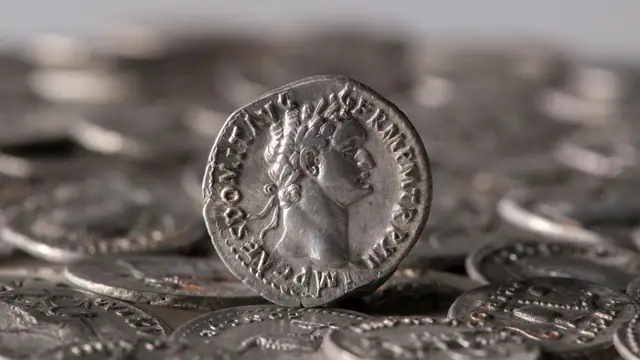
A metal detectorist near Cologne stopped digging after 15 silver coins and called archaeologists, who then found 934 Roman denarii, the largest hoard from Hadrian’s time ever found in Germany
Oliver Riedl had already pulled 15 silver coins out of a field near Wesseling, south of Cologne, and his metal detector was still beeping. He stopped…
Javier Niño · October 2, 2026
Mineral layers in the Roman aqueduct that crosses the Pont du Gard show it stopped supplying Nîmes around AD 270, during the Plague of Cyprian, while water kept flowing to farms upstream for 140 years
Mineral deposits inside a Roman aqueduct have preserved clues to a mystery in southern France. Researchers studying the system that includes the famous…
ECOnews Newsroom · October 2, 2026
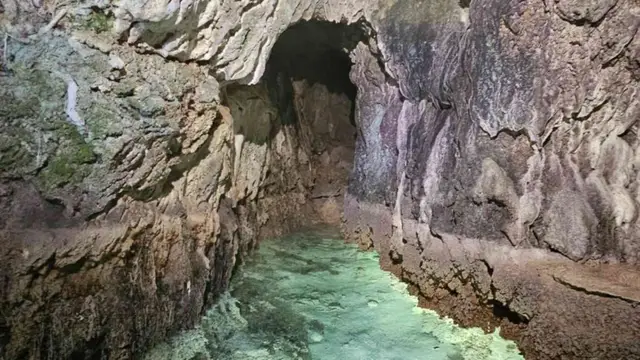
Cavers in Italy’s Rieti province explored about 328 feet of a pre-Roman aqueduct carved through a hillside, and archaeologists believe small farming villages built it to drain their land
An ancient water tunnel explored in Monteleone Sabino, in Italy’s province of Rieti, is offering a closer look at how rural communities managed their land…
ECOnews Newsroom · October 1, 2026
Archaeologists on Sweden’s Gotland found 45 Roman silver coins and a gold ring buried beside a farm building around AD 450, and two coins are ancient forgeries probably made in what is now Ukraine
Archaeologists on Sweden’s Baltic island of Gotland have uncovered 45 Roman-era silver coins and a gold ring beside an ancient farm building. Researchers…
Adrian Villellas · September 30, 2026