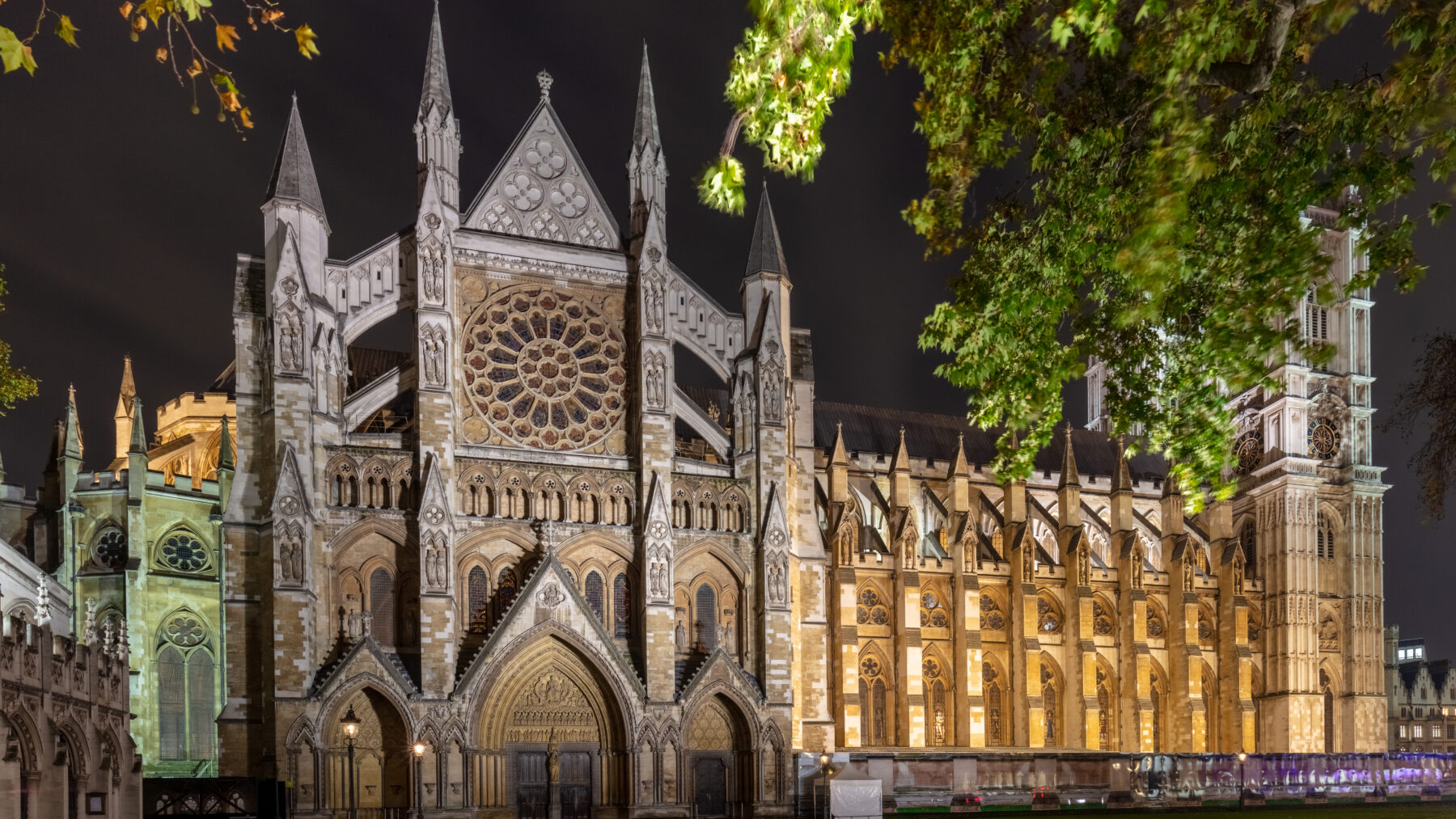
Bones found in a Roman sarcophagus at Westminster Abbey belong to a late Saxon man, very probably an abbot, who died between A.D. 987 and 1052, about 700 years after the limestone coffin was carved for a Londoner named Valerius Amandinus.
Warwick Rodwell, the Abbey’s consultant archaeologist, made the case in a study published Oct. 20 in the Journal of the British Archaeological Association.
Nothing of Valerius Amandinus is left inside the coffin, but his name is still on its front, in an inscription saying that his sons, Valerius Superventor and Valerius Marcellus, had it made for him.
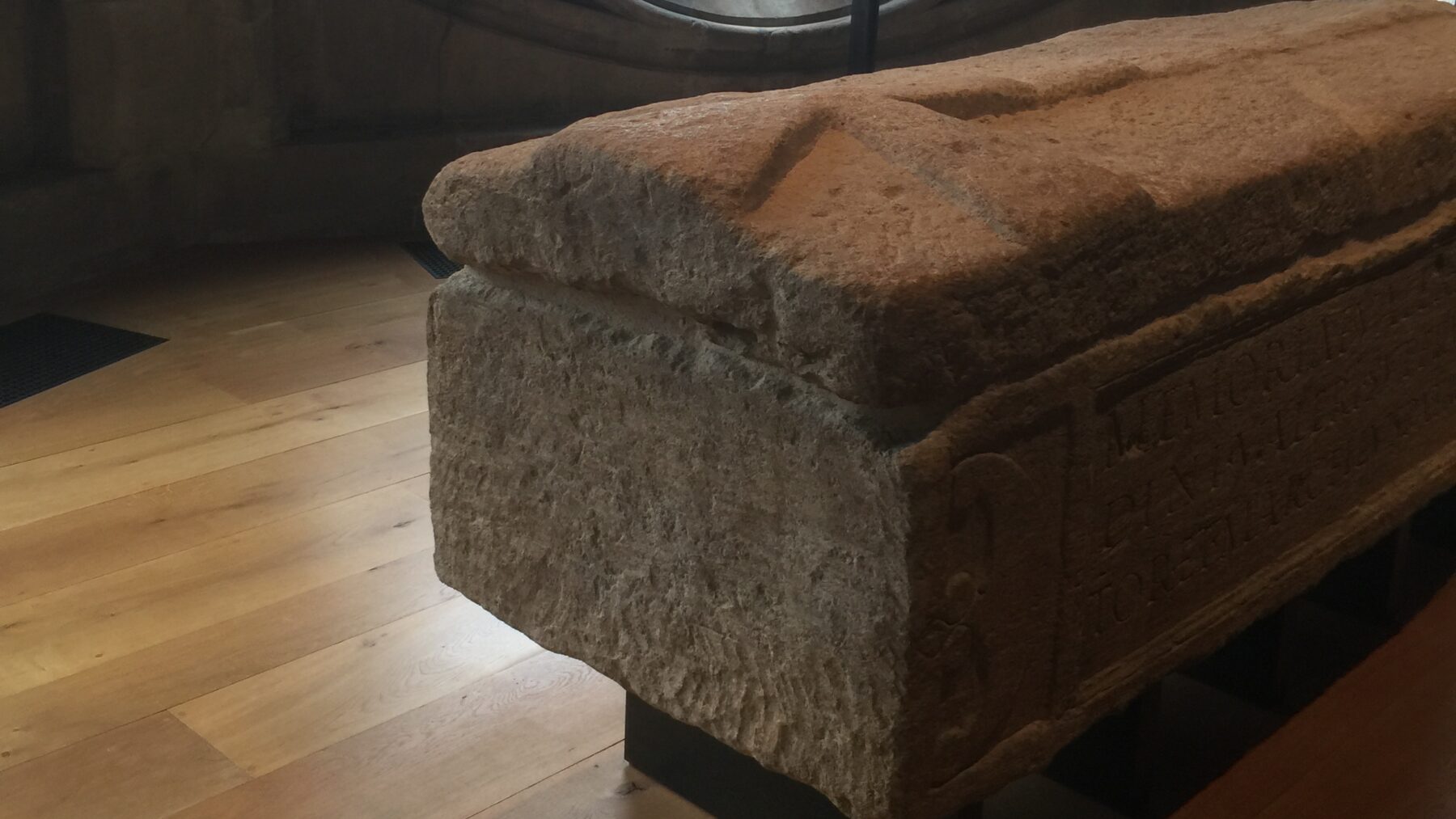
The lid doesn’t match. Someone recut it in the 10th or 11th century with a large Latin cross (the mark of an important Christian burial), and specialists spent 157 years trying to square the Roman coffin with the Christian lid.
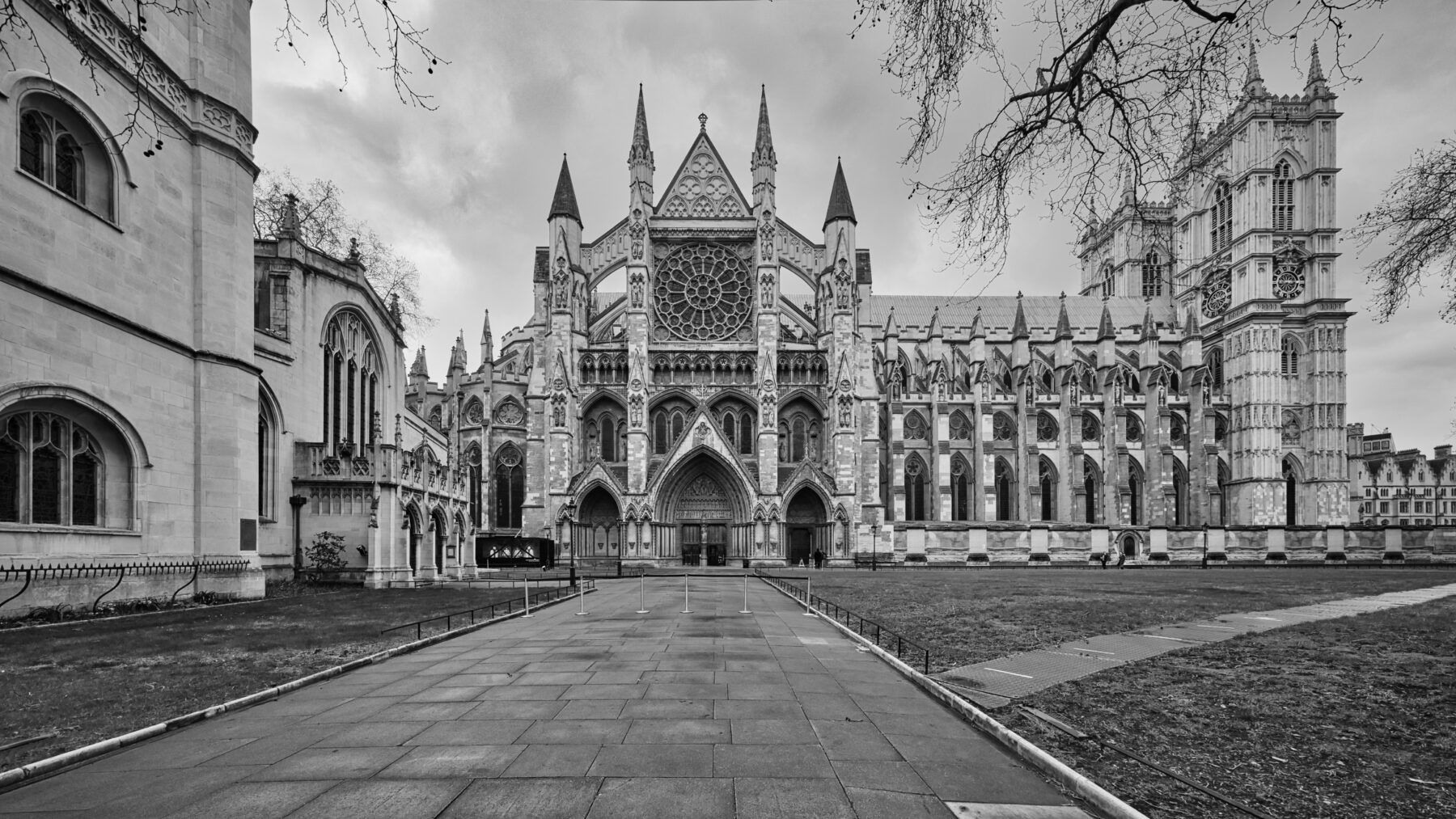
Workmen first came across the sarcophagus in 1820 and broke its lid into six pieces, yet it wasn’t officially discovered and repaired until 1869, on the Abbey’s North Green. Today it’s on display in the Abbey’s Queen’s Diamond Jubilee Galleries.
Victorian examiners described the skeleton as that of a man about 5 feet 7 inches (1.70 m) tall and no older than 30, and the bones were later assumed to have disappeared.
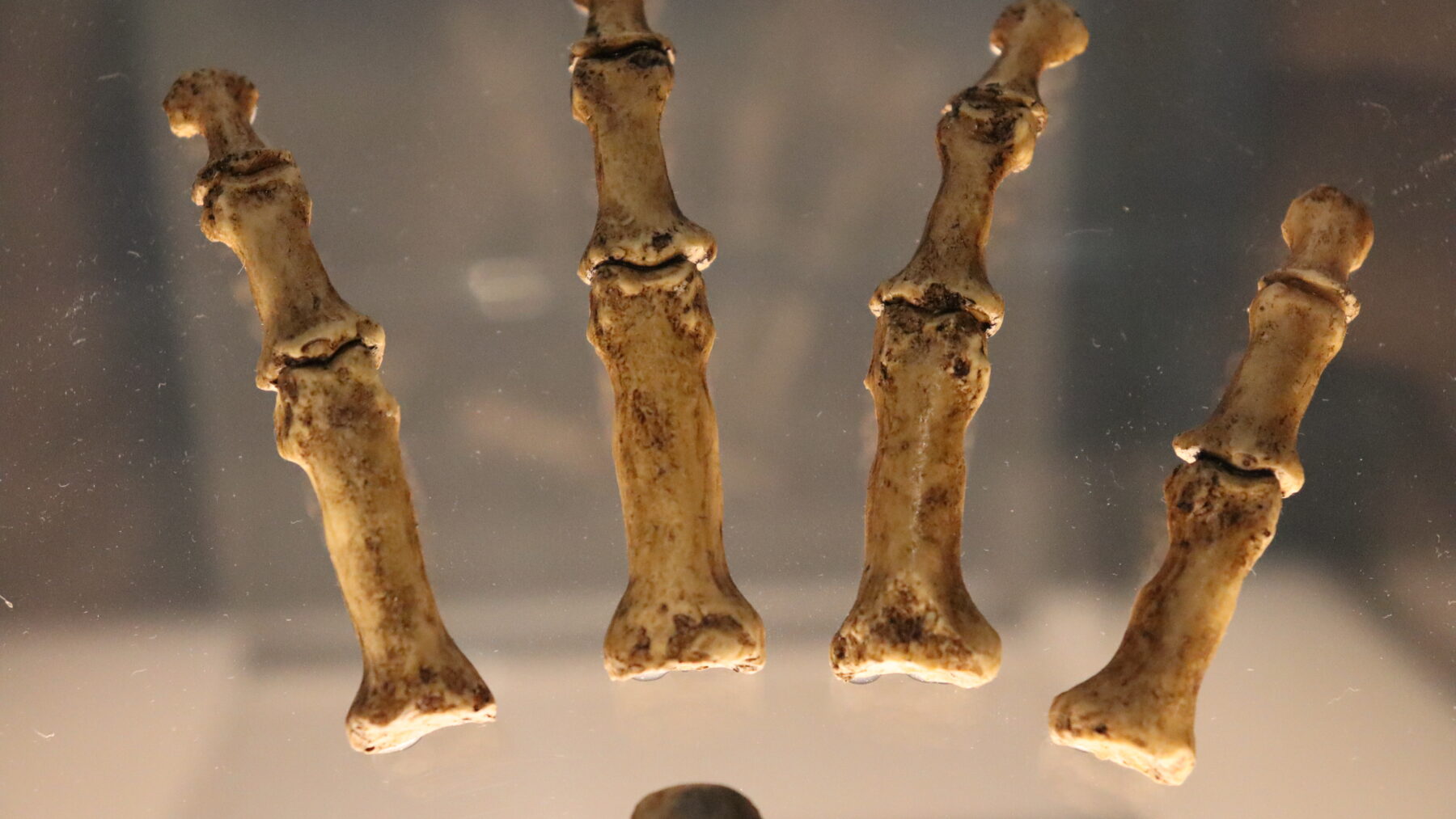
But in 2016, the sarcophagus was sent to a conservation studio, and when the lid was lifted, researchers with Pre-Construct Archaeology found a nearly complete skeleton inside.
James Young Langthorne, a human bone specialist, determined that the man was between 35 and 49 years old and stood about 5 feet 9 inches (1.75 m) tall. That’s at least five years older, and roughly 2 inches taller, than the Victorian description.
A bone sample was sent to the Scottish Universities Environmental Research Centre, which dated it to A.D. 987 to 1052, “confirming that the reuse of the sarcophagus, and the associated remodelling of its cover, occurred in the late Saxon period,” the Abbey said in an announcement.
Rodwell’s study also works out how the man was buried: his body was laid in a wooden coffin, covered in lime and set inside the Roman one. Around 1258, the sarcophagus was moved to the courtyard of the new sacristy built by Henry III.
No trace of the wooden coffin survives, but it “can only have been a timber coffin,” Rodwell wrote in the study, as quoted by Phys.org. It rotted away entirely over the centuries the sarcophagus spent buried in the sacristy courtyard.
Ælfwig or Wulnoth
The date range leaves two abbots of Westminster who fit: Ælfwig, who was abbot from 993 and died around 1020, and Wulnoth, who died in 1049. A third possible candidate, Wulfsige, doesn’t qualify because he left the abbey to become a bishop, Live Science reported.
“We have two viable contenders for the occupant of the sarcophagus,” Rodwell said. “We do not know the date of birth of either. But either would fit equally well if we assume the Abbot was in his early twenties when the appointment was made and close to fifty when he died.”
Neither an inscription nor a DNA test names the man, so his identity is a well-founded proposal rather than a proof. In the paper, Rodwell leans toward Ælfwig but stops short of certainty.
“The fact Aelfwig was already a monk of Westminster might favour him,” Rodwell said.