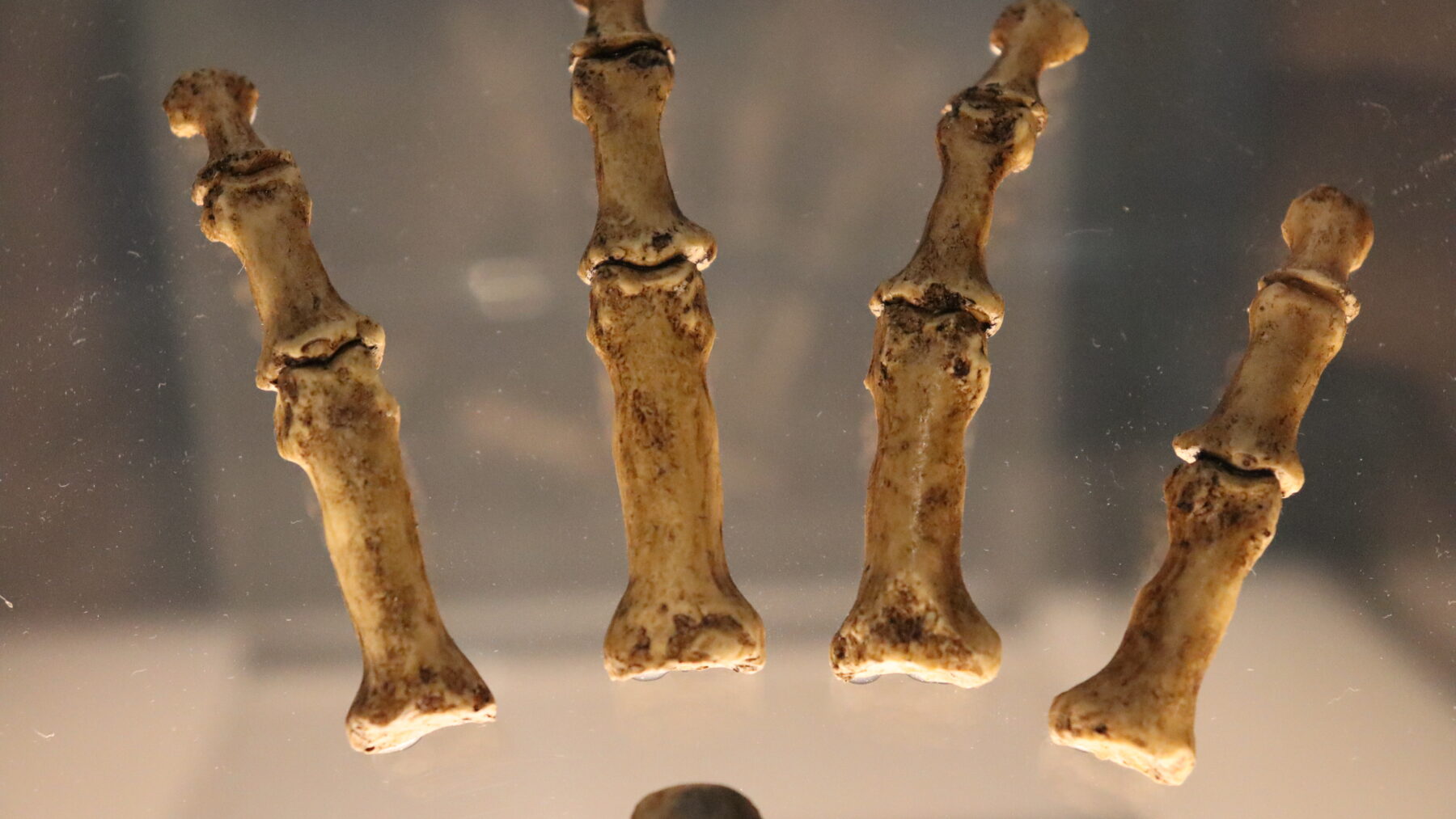
An adult Neanderthal man who lived about 46,000 years ago has become the first Neanderthal in Navarre, in northern Spain, to be identified from his own bones. All that archaeologists have of him, though, is six bones from his right hand, which turned up in Abauntz Cave alongside stone tools and animal bones with butchery marks.
The cave is in Arraitz-Orkin, in the Ultzama valley, and a team from the Catalan Institute of Human Paleoecology and Social Evolution (IPHES-CERCA) has been excavating it since 2022. María Chivite, who heads Navarre’s regional government, presented the find with the researchers on Oct. 19.
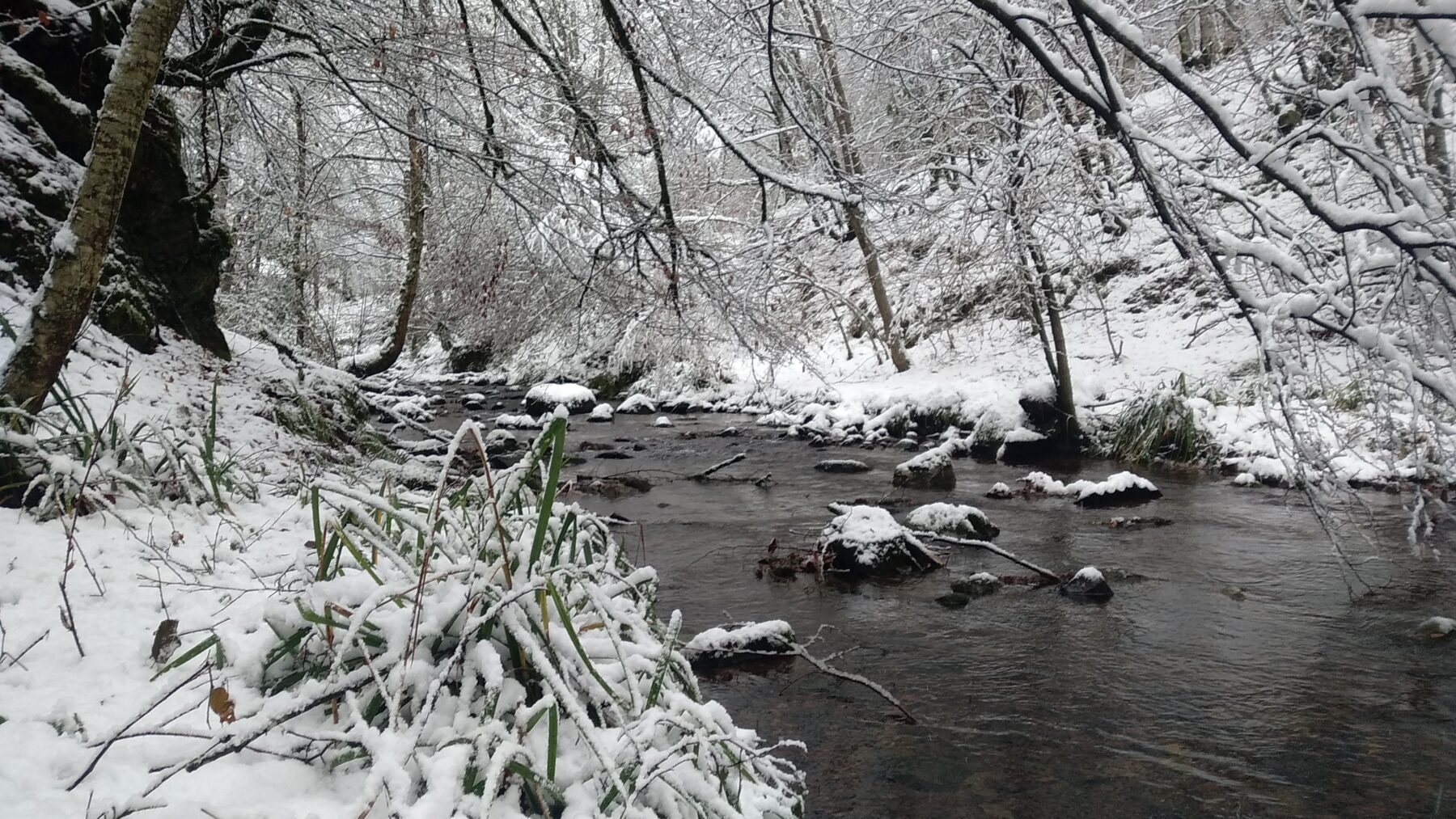
“For the first time we have human remains that allow us to directly identify the presence of Neanderthals in Navarre,” Andion Arteaga, a co-director of the project and a researcher at the University of Warsaw’s Centre of New Technologies, said in a statement in Spanish. Arteaga also described the discovery as filling “an important gap in the paleoanthropological record of the western Pyrenees.”
Three of the six bones are metacarpals (the long bones of the palm), and one is a middle phalanx from a finger. The other two are tiny fragments that could only be identified as human from the proteins still preserved in them, using a technique called paleoproteomics.
All six belonged to the same individual, and the bones themselves have been radiocarbon dated. That’s where the age of about 46,000 years comes from.
When the first pieces came out of the ground in 2023, they went unrecognized. Arteaga told the Spanish newspaper elDiario.es that the team only realized they were human later on, while studying the animal bones from the same deposit.
Some of the bones carry bite marks from carnivores, and there’s no sign yet of the rest of the man. “It would be nicer to think we have a whole Neanderthal there,” Mikel Arlegi, the project’s other co-director and a postdoctoral researcher at the Musée de l’Homme in Paris, told elDiario.es.
But his working hypothesis is less romantic than that. Foxes that lived around the cave may have found the remains and carried them off “to bite and gnaw” them, Arlegi said.
This isn’t the first evidence of Neanderthals at Abauntz. The cave sits on a natural corridor between the Iberian Peninsula and the rest of Europe, and it was already the only stratified site in Navarre (a site where the deposits are laid down in distinct layers) with clear signs that Neanderthals had been there. According to the team’s 2025 excavation report, those signs were stone tools and animal remains. However, there wasn’t a single human fossil to confirm who had left them.
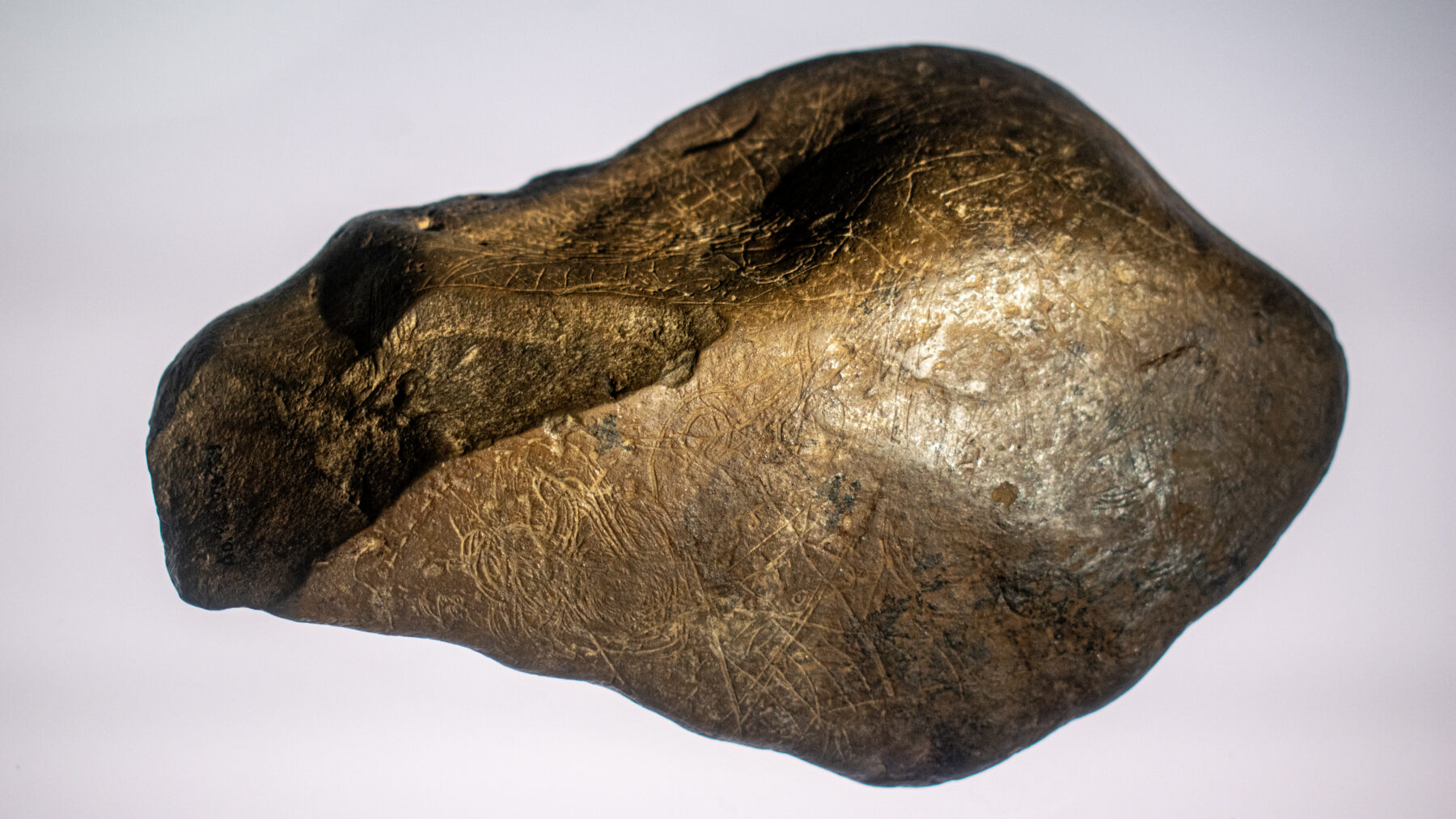
The cave’s deposits cover some 50,000 years in all. In the 1990s, it also produced the so-called Abauntz map, a stone that was engraved about 13,600 years ago and that’s one of Navarre’s best-known prehistoric pieces.
“Being able to recover ancient DNA and obtain direct dates for the fossils is especially significant,” Arlegi said in the IPHES statement. The genetic analysis is being carried out in Germany, and the Max Planck Institute for Evolutionary Anthropology in Leipzig is one of the partners. It should reveal which Neanderthal lineage the man belonged to.
That kind of analysis has already changed what researchers know about Neanderthals in other places. For example, another recent study from Belgium and France found that the last Neanderthals weren’t the isolated, inbred groups they were once imagined to be.
For now, though, the Abauntz results haven’t been published in a scientific journal, and they’re still awaiting peer review, as the Spanish science agency SINC has pointed out. Navarre’s regional government gives a range of 44,000 to 49,000 years for the remains, which would be a few thousand years before Neanderthals disappeared from Europe.
Abauntz has now also produced the oldest human remains ever found in Navarre. Once the research is finished, the hand bones will go on display at the Museum of Navarre in Pamplona, where the Abauntz map is already shown.