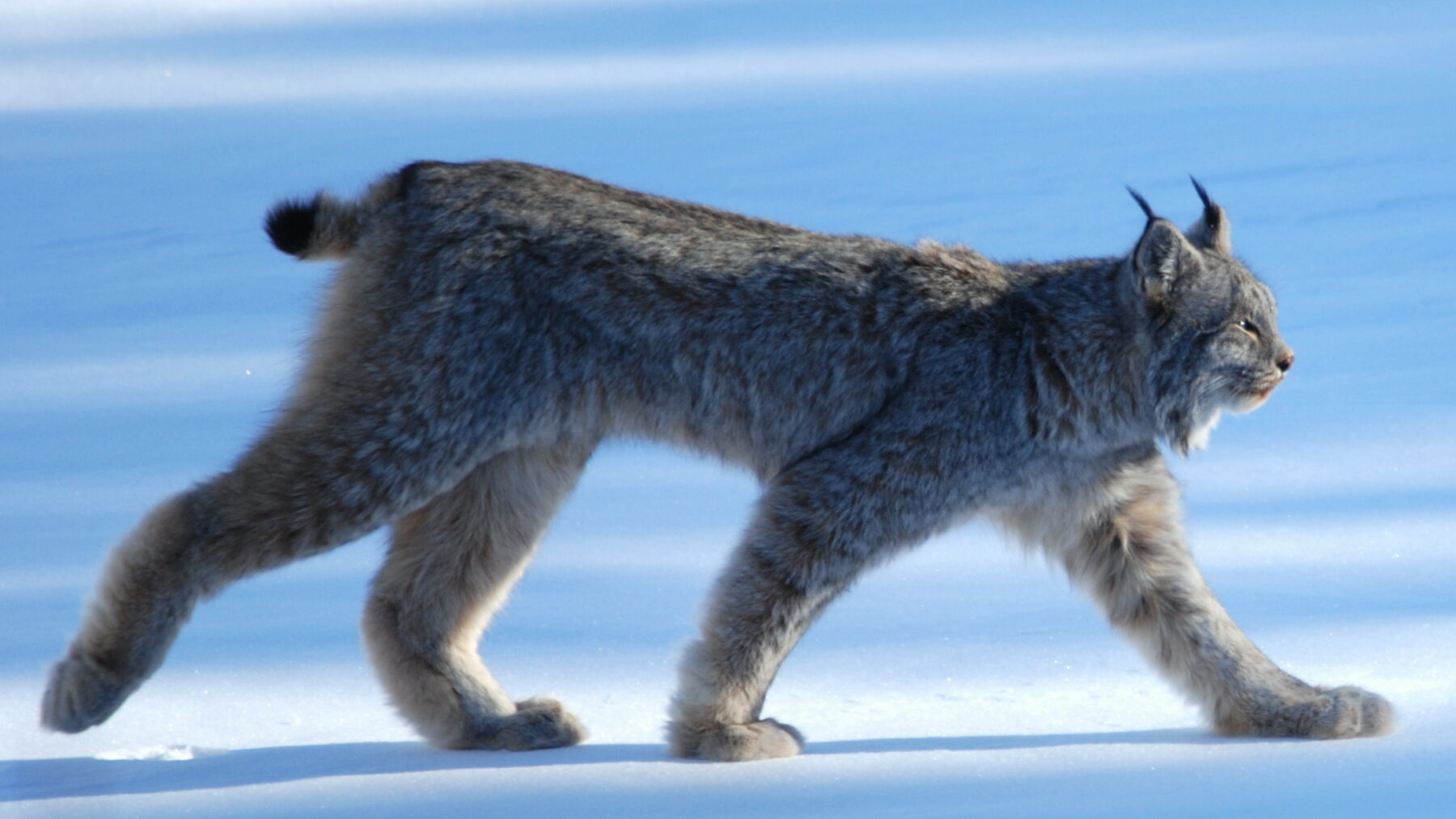
A doctoral student sorting through camera-trap photos from a forest study in northern New Mexico found something he could hardly believe at first: a Canada lynx.
William Grooms, a Ph.D. student at New Mexico State University (NMSU), spotted the cat in images taken in June 2026 by a motion-activated camera in Carson National Forest. According to the university, it’s the first lynx documented in the state in about 25 years.
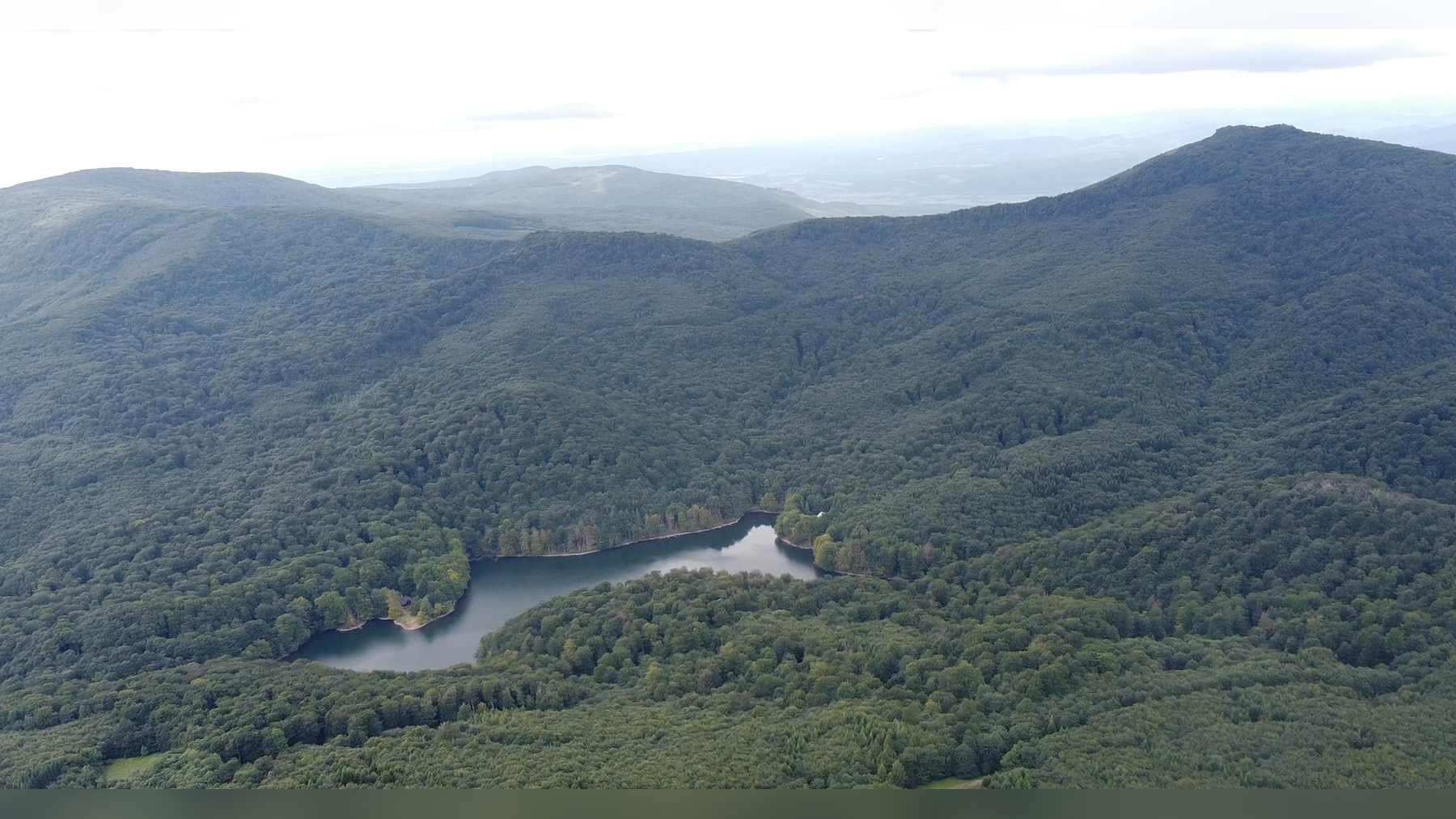
Grooms and his team, working with the conservation group Wildlands Network, had set up cameras at 120 sites across the forest to work out how its structure affects ten different species. The project builds on a camera survey Wildlands Network started in 2022 to look for Pacific martens and Canada lynx in the same forest. According to KFOX14, the camera that picked up this lynx was in the San Juan Mountains, which straddle the border between New Mexico and Colorado.
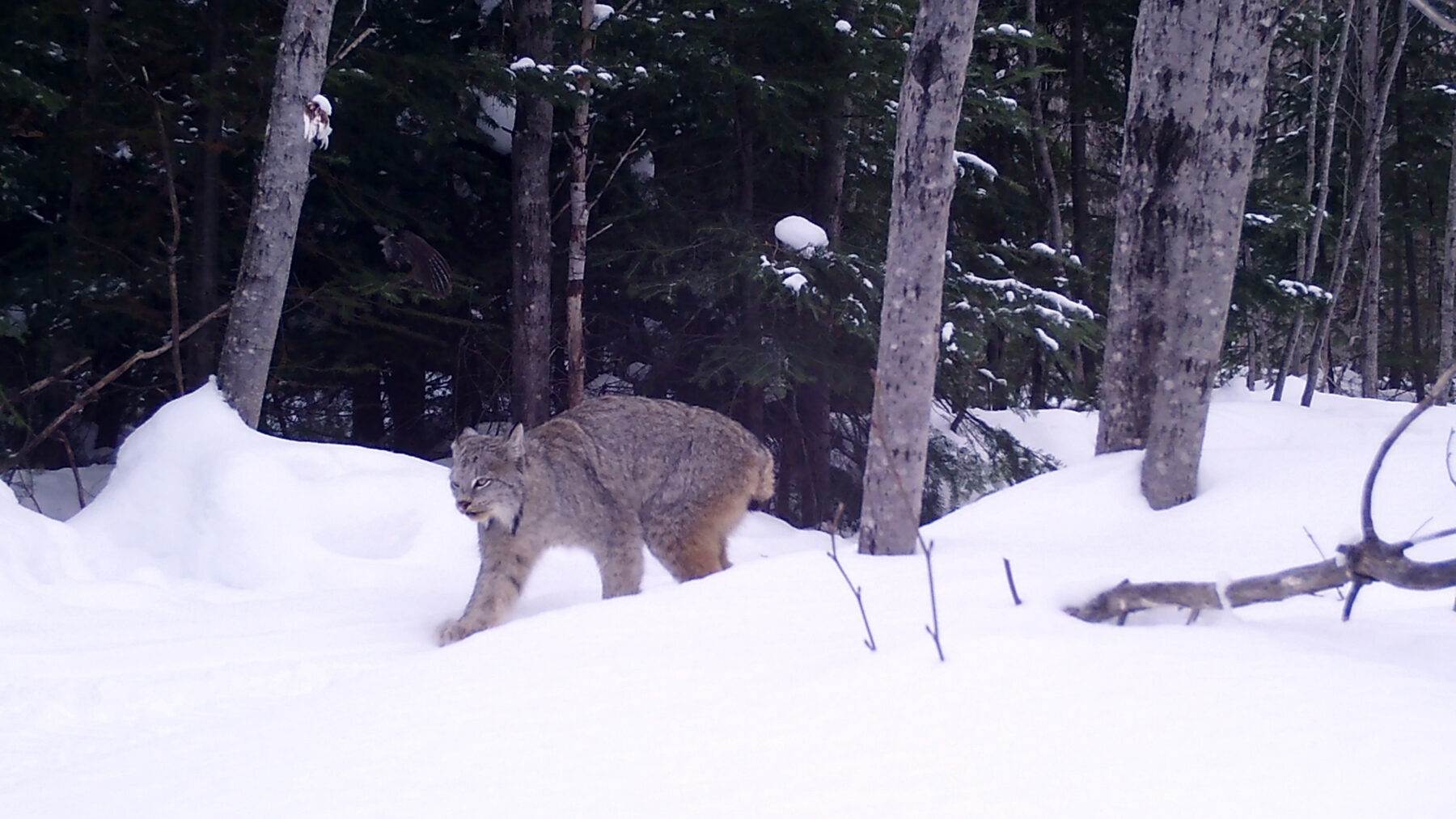
The photos went off to experts for confirmation. In the university’s announcement, Grooms says the team is “confident it’s a lynx – no question about it.”
It also turned up early. When the university announced the find in late October, the team had barely started on the pile of images from this first season, and Grooms admits they were thrilled to land something like this so quickly.
Where it was found isn’t a total shock. Colorado released lynx in the San Juan Mountains between 1999 and 2006, and by 2008 the U.S. Fish and Wildlife Service (FWS) wrote that the lynx seen in northern New Mexico were “believed to be dispersers from the State of Colorado reintroduction efforts.” In other words, cats that had drifted over from Colorado’s releases.
Canada lynx weigh up to 20 pounds (9 kg). They’ve been listed as threatened under the Endangered Species Act since 2000.
Jennifer Frey, a professor of mammalogy (the study of mammals) at NMSU and Grooms’s adviser, says lynx are very rarely seen and knowing they’re here gives people “something like an inner joy.” Then she adds: “But there’s also real-world ramifications.”
That’s because of where the cats live. Lynx depend on dense spruce-fir forests, where they hunt snowshoe hares, and those are exactly the stands that often get thinned out to cut the risk of wildfire. As Grooms puts it, “these types of forests and conditions are often targeted for hazardous fuel removals.”
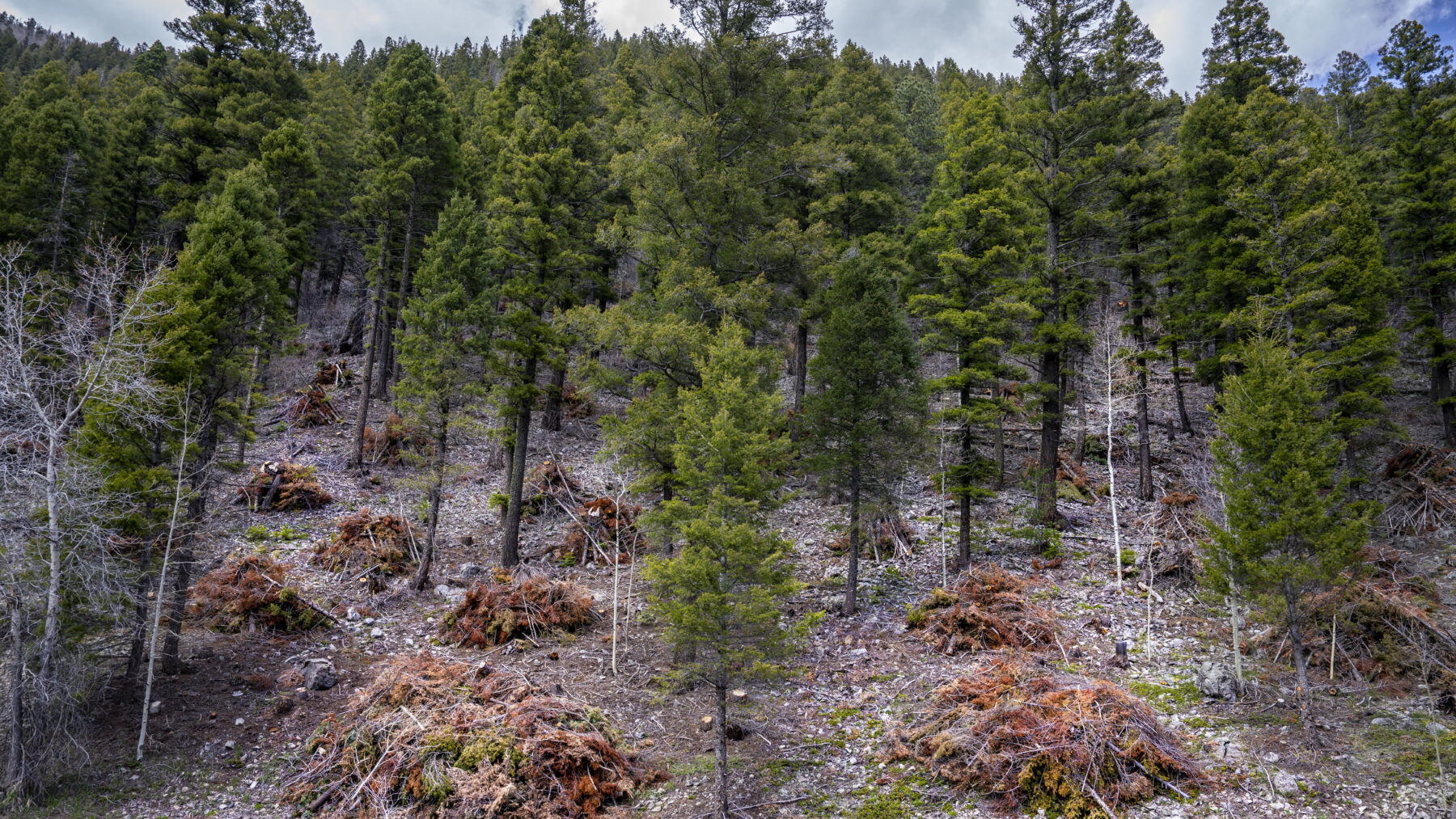
Frey says the photo “may create additional considerations for how state and federal governments manage this species and its habitat.”
The federal government finalized a revised critical habitat designation for the species in July 2026. It covers about 14,030 square miles in Colorado, Idaho, Montana and Washington, and the New Mexico areas included in the 2024 proposal were left out of the final rule.
Grooms and the team will be back in the forest for a second round of fieldwork in the summer of 2027.