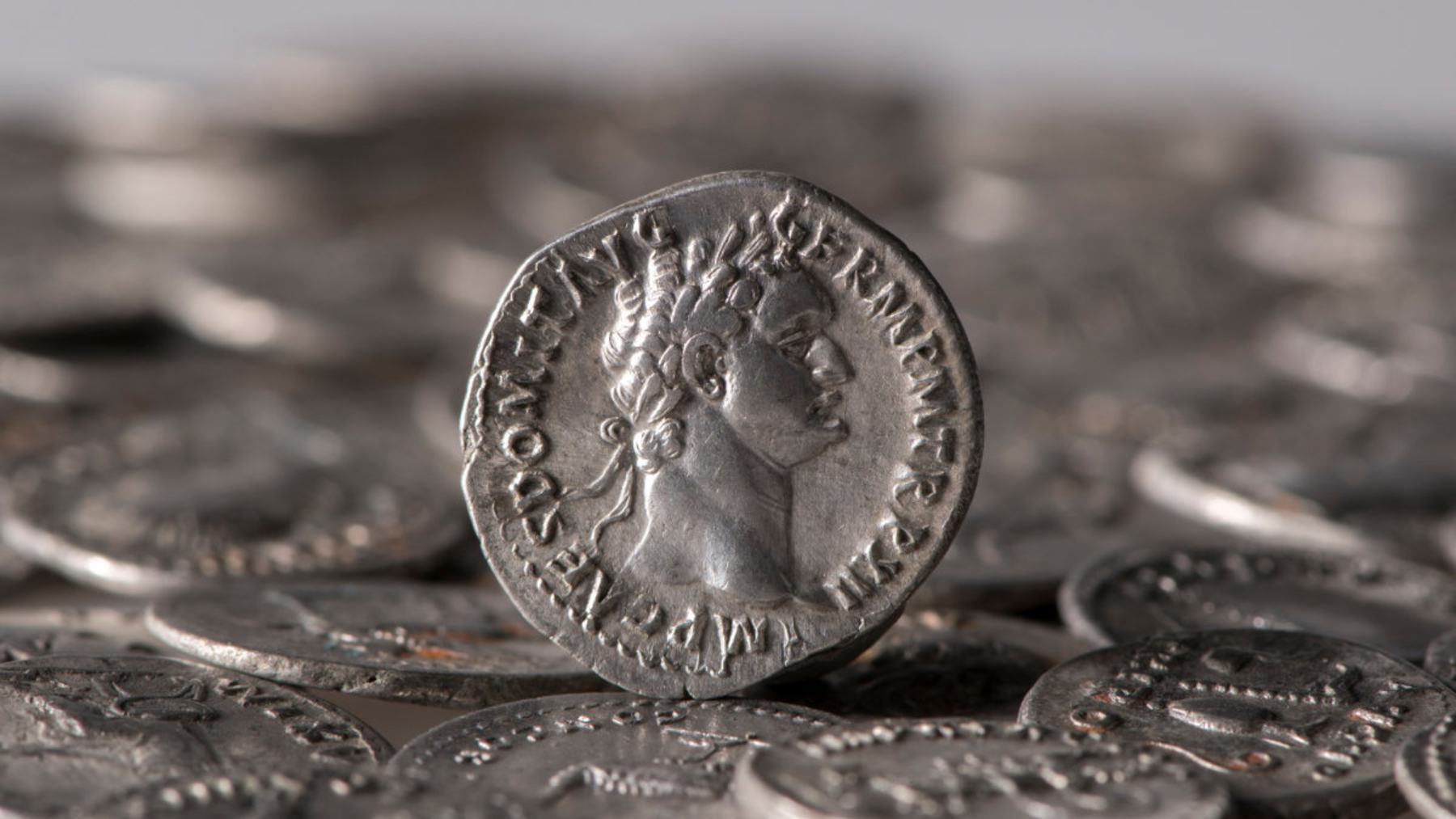
Oliver Riedl had already pulled 15 silver coins out of a field near Wesseling, south of Cologne, and his metal detector was still beeping. He stopped digging and called the archaeologists.
“It was clear to me that there was something bigger buried here,” Riedl said, according to The Associated Press, which reported the find Sept. 22, the day the coins went on display at the LVR-LandesMuseum in Bonn.
The team that took over the dig counted 934 Roman silver denarii, 6.8 pounds (3.1 kilograms) of silver in all. The newest coin was struck in A.D. 124 or 125, which puts the burial in the reign of the emperor Hadrian, and the regional archaeology office says it’s the largest hoard from that time ever found in Germany.
“That makes it the largest coin hoard from this period in Germany, and the fifth largest in the world,” Erich Classen, the state archaeologist who directs the LVR Office for the Preservation of Archaeological Monuments in the Rhineland, said in the office’s announcement, which was issued in German.
Six years of a soldier’s savings
“At that time, an ordinary soldier in the legion earned 300 denarii a year,” Rahel Otte, a research associate at the office who studied the coins, told AP. “However, about half of that was withheld for food and equipment. A legionary would therefore have had to save all of his disposable income for about six years to amass the Wesseling hoard.”
Most of the coins are older than the burial. The bulk date from the Flavian emperors, A.D. 69 to 96, and the oldest was minted in 148 B.C., when Rome was still a republic. It was more than 270 years old when it went into the ground, the office said, and still good money.
Who saved it is unknown. The office thinks the money was gathered around A.D. 100 and buried during Hadrian’s reign, possibly by someone living on one of the Roman farm estates nearby. The Cologne area was under Roman control from roughly 39 B.C. to A.D. 459, AP noted.
“Of course, we can only speculate about the motives, but it’s very likely that someone wanted to keep this money safe. After all, banks didn’t exist back then,” Classen said.
A pot, some straw and a plow
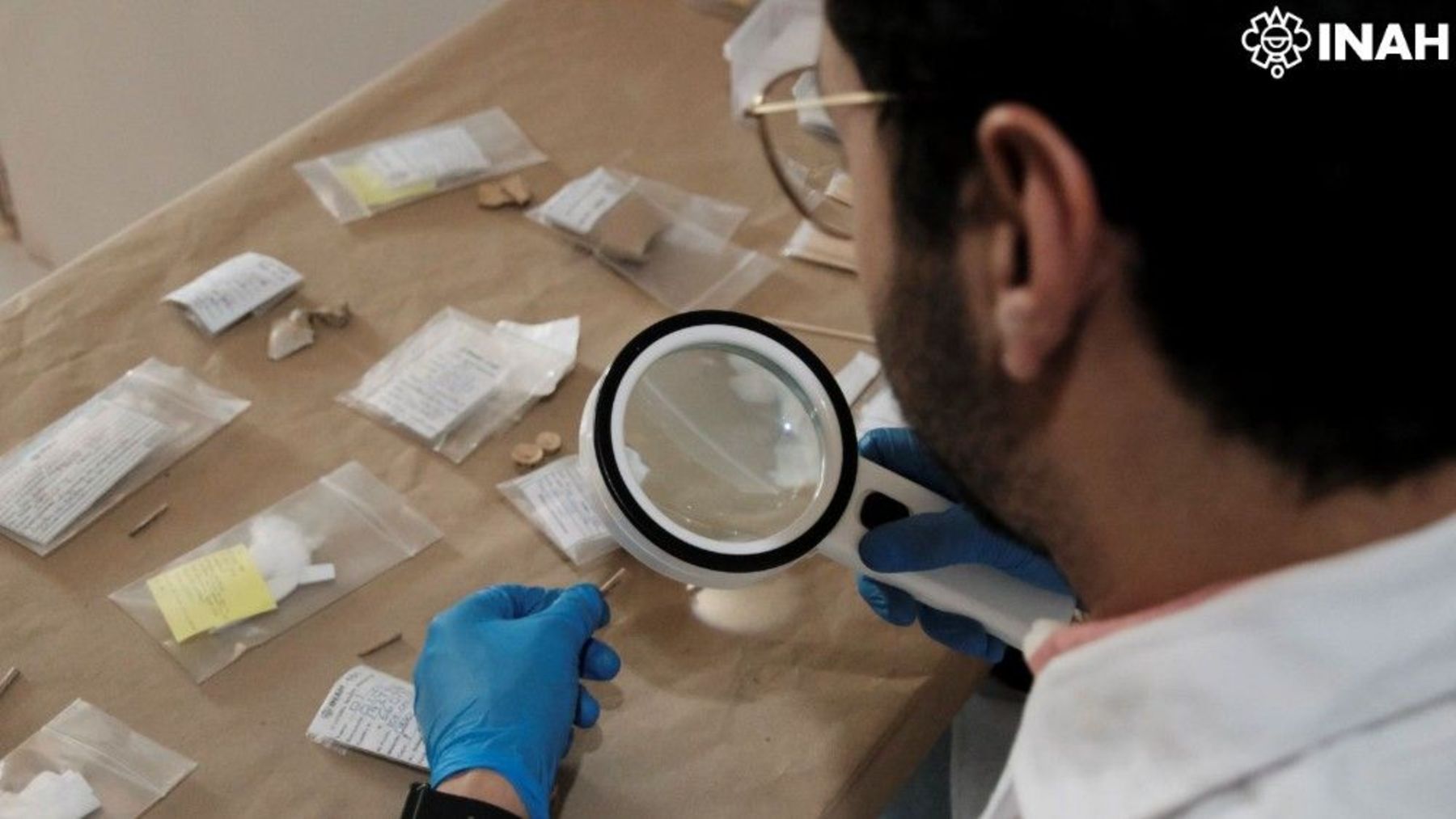
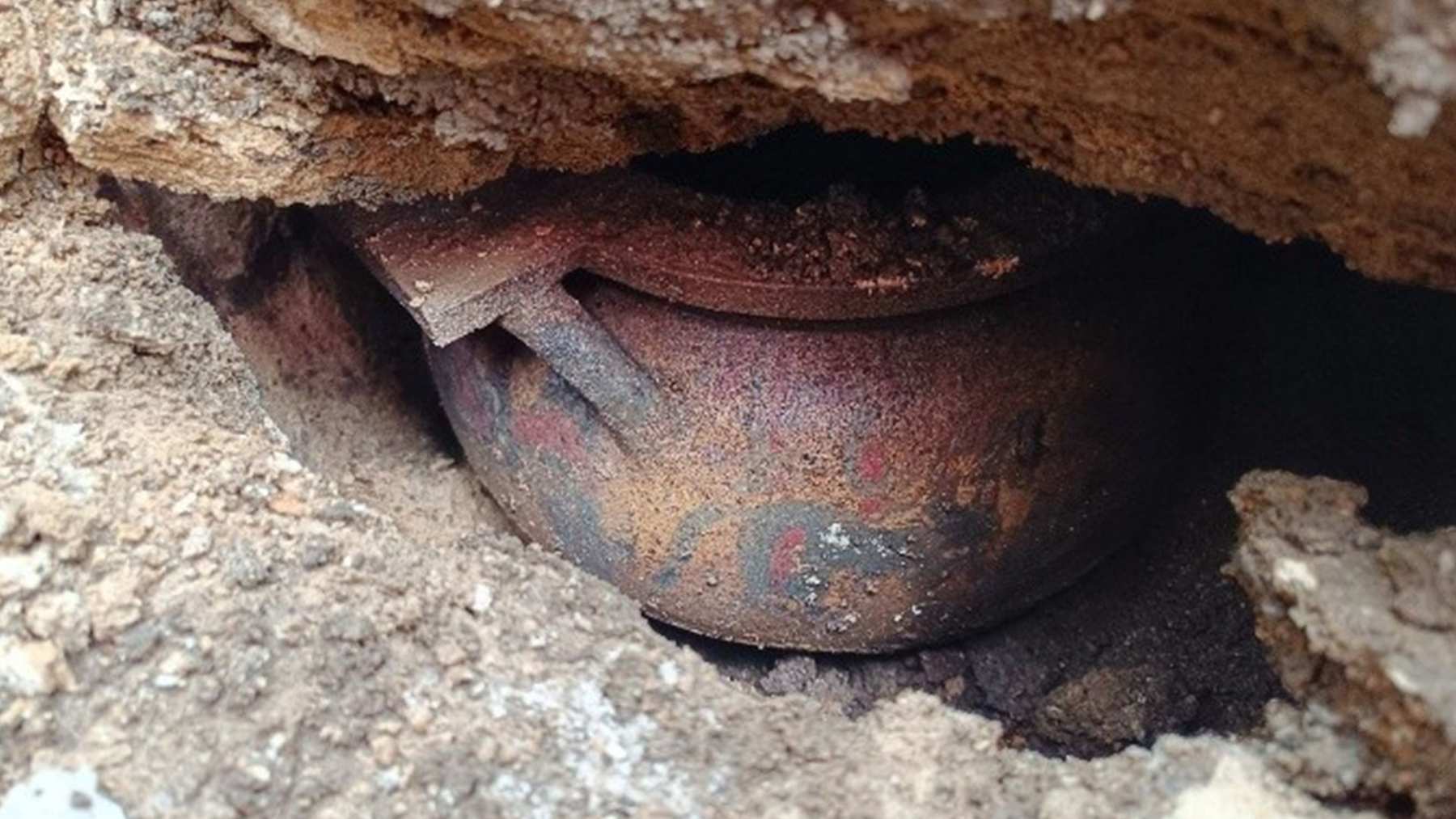
Because Riedl stopped when he did, the archaeologists could lift the find as a single block of soil and take it to the museum’s restoration workshop in Bonn, where it was X-rayed before anyone freed a coin. Inside were pieces of a ceramic pot and bits of straw.
“The coins were probably buried originally in a pot padded with straw,” Otte said in the announcement. Years of farming had broken the pot and spread the coins through the soil. “But in our investigations we were able to find and recover all the coins,” she said.
Classen gave the credit to the finder. “Mr. Riedl really behaved in an exemplary way,” he said. “Thanks to his care, we were able to recover the hoard properly and completely.”
What the finder keeps
Under the monument protection law of North Rhine-Westphalia the hoard belongs to the state, the office said, and because Riedl followed the rules, the state ministry responsible will pay him a reward. Anyone who wants to search with a metal detector there needs a permit from the monument authorities, the landowner’s permission and training from an office like Classen’s.
The hoard was shown that week to about 300 archaeologists meeting in Bonn. Simon Matzerath, who chairs the association holding the conference, said private metal detecting, “when everyone sticks to the rules,” can be “an incredible support for science,” and that archaeologists too often deal with illegal digs instead.
Why the owner never came back for the money isn’t known. Classen’s guess, as AP quoted it, was that “perhaps the owner died before that could happen, without being able to pass on the knowledge about the coins.”