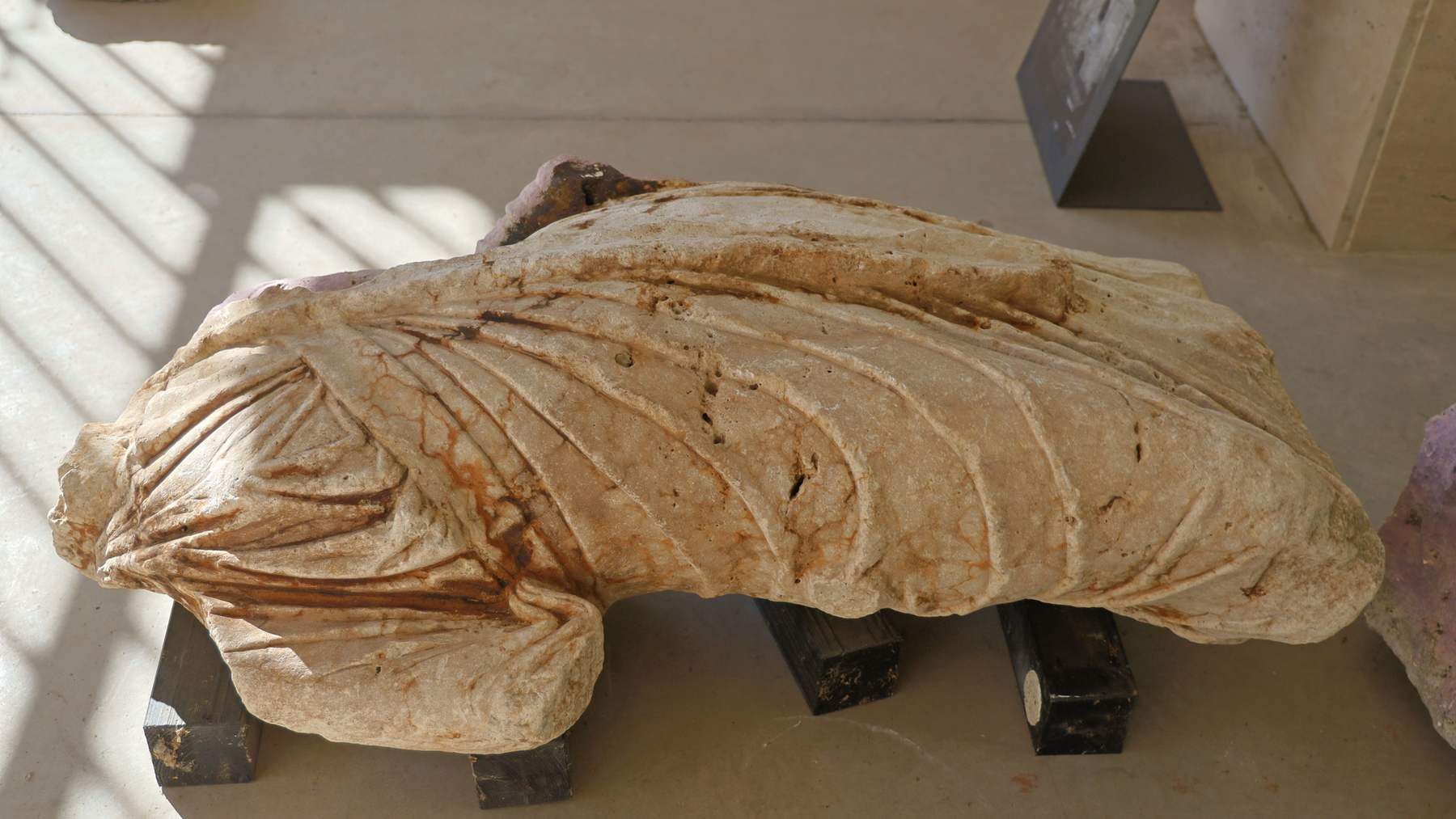
Divers in Hungary have lifted a Roman marble statue of a woman out of the Danube at Dunaújváros, a city about 40 miles south of Budapest. Carved in the third or fourth century, it weighs about 1,100 pounds (500 kilograms) and surfaced after exceptionally low water exposed parts of the riverbed. At a press conference reported by the city on August 27, 2026, Mayor Tamás Pintér said the piece deserves to be called the archaeological discovery of the year.
The statue now sits in the local Intercisa Museum. Other Roman stone remains have also come out of that stretch of river in recent weeks, among them an altar to Jupiter, gravestone inscriptions and carved building blocks, the city says.
Tunic, cloak and no head
According to the city’s announcement, the figure wears a long tunic and a pleated cloak. Her head and arms have not survived.
Museum director Lajos Farkas and archaeologist and curator Antal Tibor Szabó presented the finds at a press conference. In the experts’ view, the sculpture could portray a wealthy Roman woman, an empress or a goddess. So far nobody has picked one.
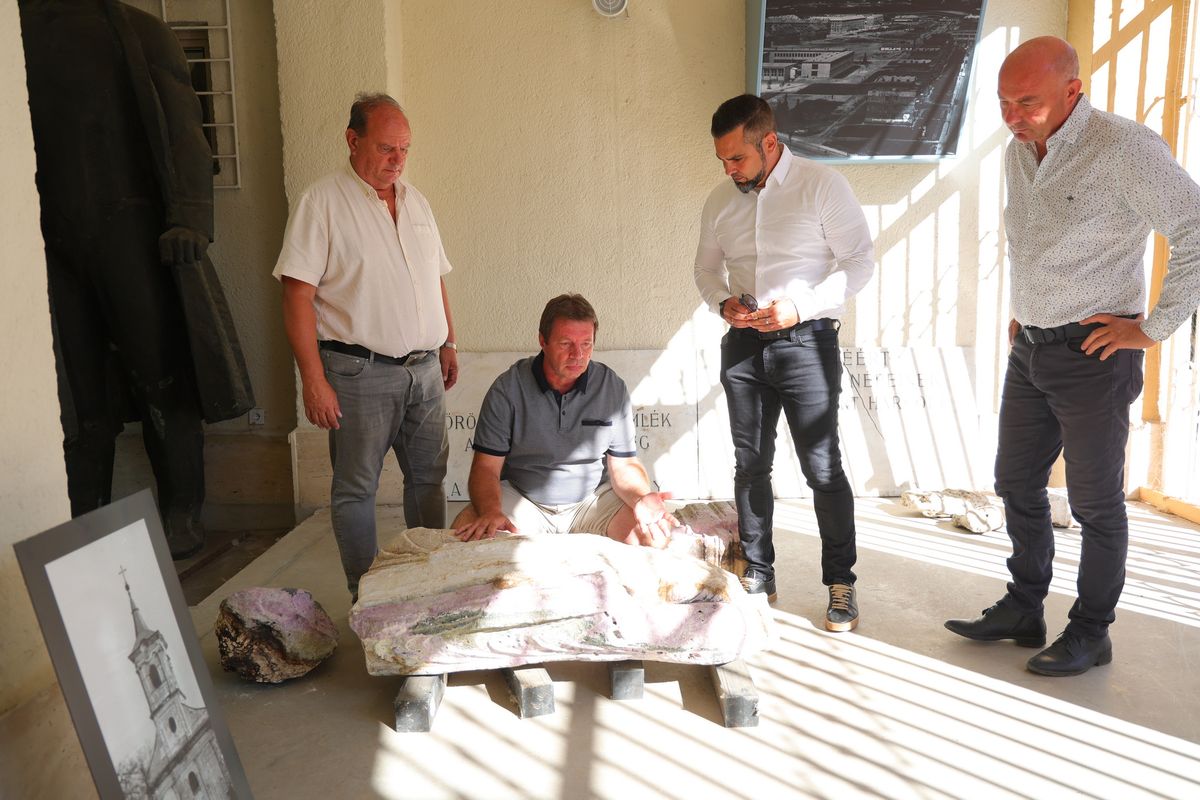
The city describes the piece as more than 1,500 years old. A third or fourth century date puts it closer to 1,700 years. Even without a face, it is the most valuable object in the group, the city says.
Twelve inches of visibility
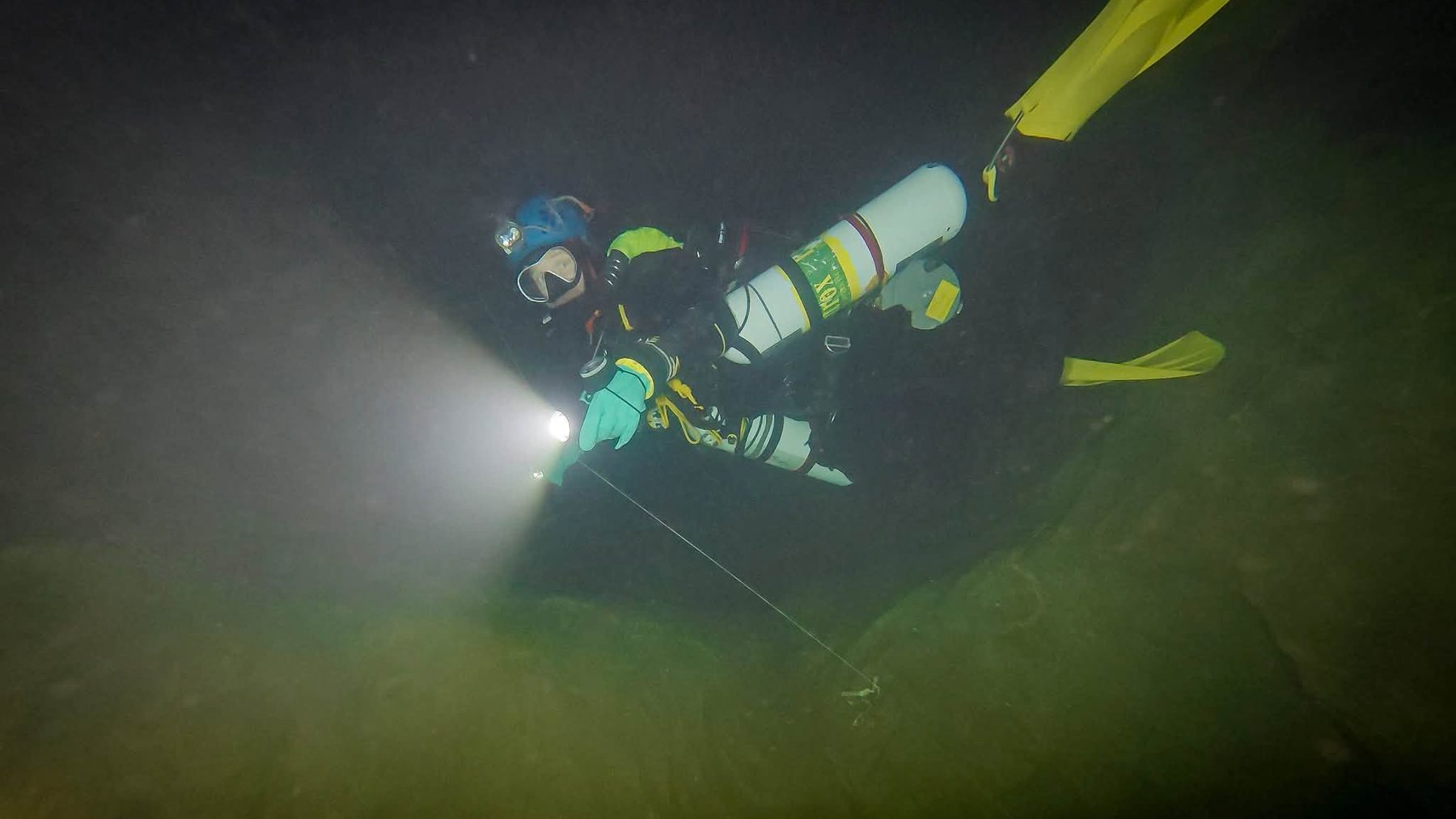
Down in the river, visibility was only about 12 inches (30 centimeters), the city said. The crew also had to fight a current in water between 3.3 and 8.2 feet (1 to 2.5 meters) deep.
Much of the time, the divers worked almost entirely by feel. They had to fit special straps and ropes around the stone underwater before it could be raised. The job fell to the company Dunai Ipari Búvárok, or Danube Industrial Divers, helped by the Pentele Volunteer Firefighters Association.
Those involved in the recovery singled out the work of Zoltán Balázs and Norbert Bálint, who played an important part in the operation. At the press conference the mayor also thanked city councilor Csaba Orosz, the specialists and the volunteers who took part.
Jupiter’s altar and grave stones
Besides the statue, the river gave up an altar stone raised in honor of Jupiter Optimus Maximus, the chief god of the Roman state. Grave inscriptions and carved architectural pieces turned up too. The specialists link the stones to the Roman settlement of Intercisa.
How did Roman stones end up in the Danube? The city’s account says carved blocks from Roman buildings were reused in medieval construction, and that is how they could have reached the riverbed. Old stones often traveled that way, like the Greek decree set into a Romanian monastery floor.
Intercisa’s soldiers and civilians
Modern Dunaújváros stands on the site of Intercisa, a Roman fort on the Danube frontier. The museum’s page on its Roman collection says the camp was founded in the first century. A large civilian town later grew up beside it.
Intercisa had its best years from the late second century until a barbarian attack in 259 or 260, the museum says. Even so, a garrison stayed until the early fifth century. Digging began in the late 1800s, and the larger excavations only started in the 1940s.
The museum says most of its Roman-era material comes from the people who lived in that town. Its galleries cover their clothing, work, burial customs and religious life. Those rooms show a civilian town that lived next to the fort, not only the soldiers inside it.
Europe’s rivers hit record lows
The finds are a side effect of a hard summer for Europe’s rivers. On August 12, the European Commission’s Joint Research Centre reported record low levels on the Loire, Po, Rhine and Danube. It blamed poor rainfall and repeated heatwaves, citing the Copernicus program.
In Hungary and Romania, critically low levels disrupted Danube shipping, water supply and farming, the report said. To the west, Lake Constance fell below a 1947 record for the date on October 13.
The International Commission for the Protection of the Rhine notes that low flows often come with high temperatures and less oxygen in the water. That can harm river life. It is a general risk in droughts, not something measured at Dunaújváros.
Her identity remains a guess
The experts have not settled on whether she shows a wealthy Roman woman, an empress or a goddess, and the city’s account names no one. Visitors can already see the finds at the Intercisa Museum. The city plans a separate exhibition and expert programs around the finds.
“These finds show how rich a past lies beneath our feet,” the mayor said, according to the city (translated from Hungarian). “It is important not only to preserve this heritage but also to show it to younger generations.”
For restoration and display, the city is seeking help from Hungary’s state secretariat for culture and from lawmaker Ervin Nagy. Specialists also say many more carved blocks still lie on the riverbed. This summer’s haul of Roman finds may not be the last.
The details of the recovery were published by the City of Dunaújváros on August 27, 2026.
Photo: City of Dunaújváros