Geology
Interesting discoveries can be made in geology. The US wants to auction the minerals on the ocean floor around American Samoa. Unusual reactions in the ground of Greenland as ice is lost, and discoveries changing our understanding of the planet as a whole, are both discussed.
69 stories · since 2024 · latest, November 16, 2026
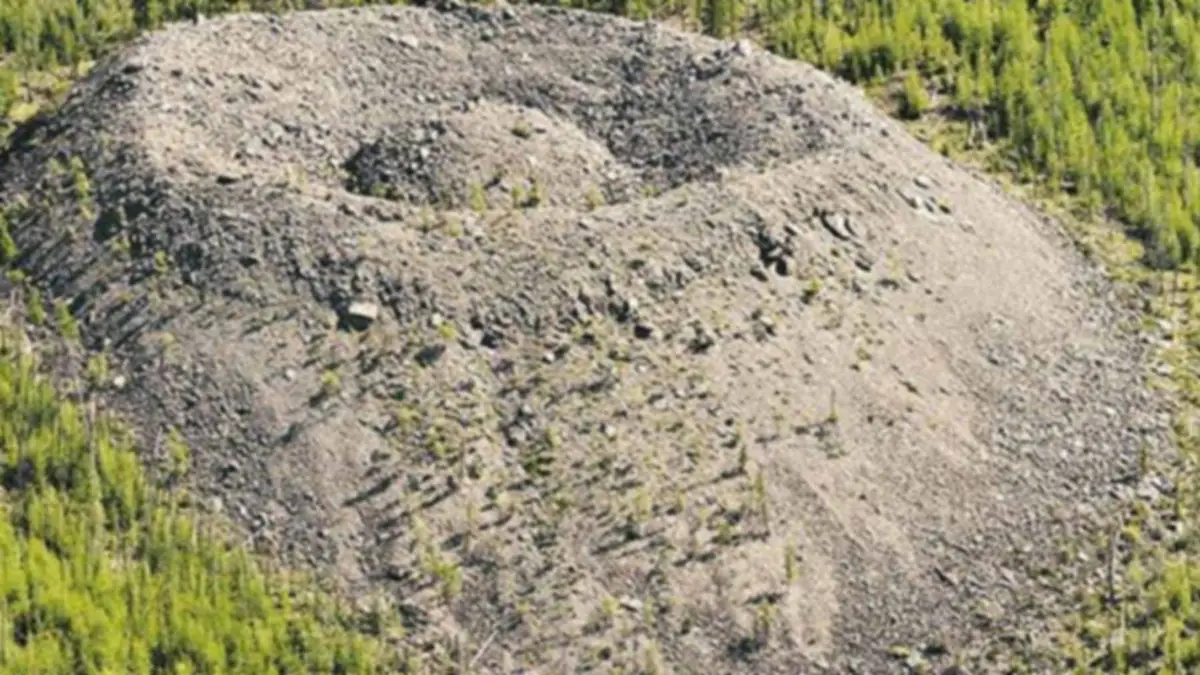
A geologist found the 525-foot-wide Patom crater in Siberia in 1949, and larch trees at its edge turned out to carry the scars of a catastrophic event from 1841 or 1842
Irkutsk geologist Vadim Kolpakov came across the Patom crater in 1949, on the Patom Highland above the Lena River. It sits about 112 miles (180…
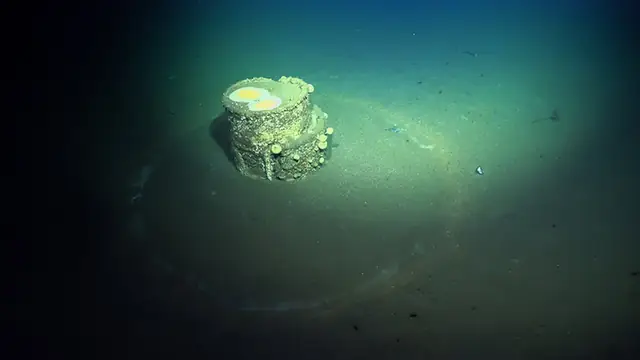
Scientists sampling white halos around waste barrels off Los Angeles found seafloor mud with a pH near 12, and the crust that stopped their coring tools had set like concrete
Italy’s Apennine Mountains are coming unzipped 19 miles underground, and geologists say the hidden split explains why parts of the range are rising while others sink
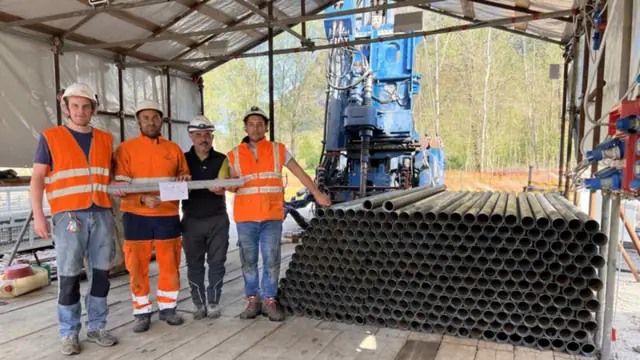
Scientists want to drill about 1.2 miles beneath an Alpine valley in Italy to look for Earth’s mantle, and the rock waiting at the bottom could turn out to be something else
Geologists are planning a borehole in Valsesia, an Alpine valley in northern Italy, that could reach Earth’s mantle. The paper puts the crust-mantle…
ECOnews Newsroom · November 8, 2026
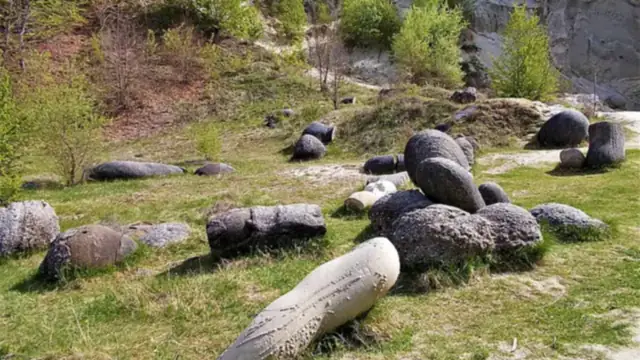
Romania has living stones said to keep growing, and scientists who cultured microbes from stones like them found 19 bacterial isolates able to make the mineral cement that holds sand together
In Costești, a village in Romania’s Vâlcea County, a protected site at the foot of a sand quarry holds rounded sandstone boulders known as living stones.…
Adrian Villellas · November 7, 2026
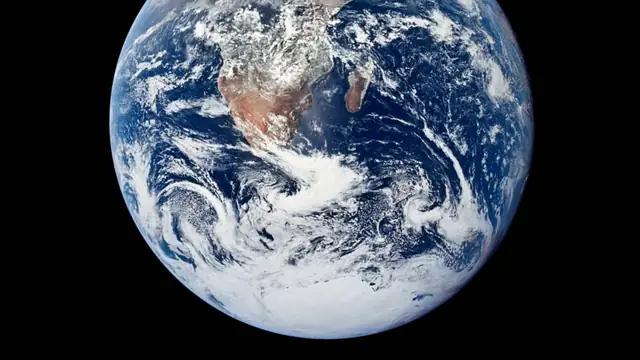
Earth’s crust and mantle rapidly shifted relative to the planet’s spin axis four times in the past 320 million years, and the evidence comes from an unusual record left by ancient seas
Earth’s crust and mantle shifted rapidly relative to the planet’s spin axis during four intervals over the past 320 million years. That is the finding of…
Adrian Villellas · November 6, 2026
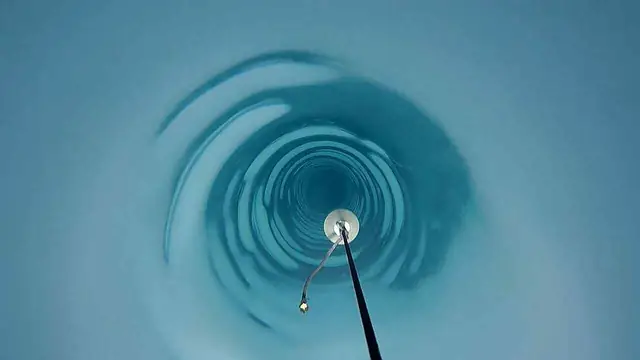
Geologists drilled through 2,860 feet of Antarctic ice shelf hoping to bring up mud and their camera found sponges living on a boulder in total darkness, and the team could not say what they eat
British Antarctic Survey geologists drilled through the Filchner-Ronne Antarctic ice shelf to collect seafloor mud. Their camera found a boulder covered…
ECOnews Newsroom · November 2, 2026
Finland has granted the world’s first operating licence to permanently bury spent nuclear fuel, in copper canisters about 1,410 feet down in the bedrock of Olkiluoto island, and the last tunnels are not due to be sealed until after the 2120s
Finland will be the first country to bury its spent nuclear fuel for good, after the government granted Posiva on October 22 the operating licence for its…
Javier Niño · October 27, 2026
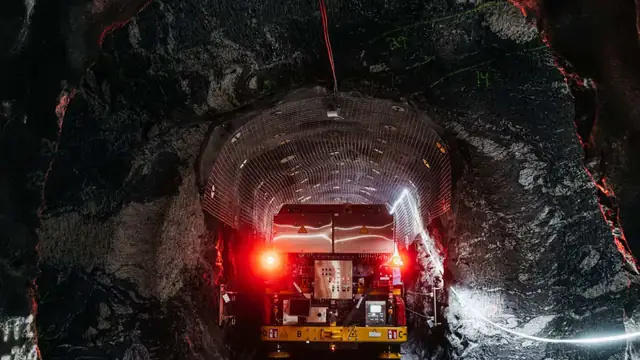
Geologist Arthur Hickman spotted an 850-foot circle on Google Earth in 2007, and drilling 212 feet into what is now Hickman Crater turned up melted rock laced with nickel from an iron meteorite
Hickman Crater is a ring of rock about 850 feet (260 meters) wide in Western Australia’s Pilbara region. Arthur Hickman, a geologist with the Geological…
ECOnews Newsroom · October 25, 2026
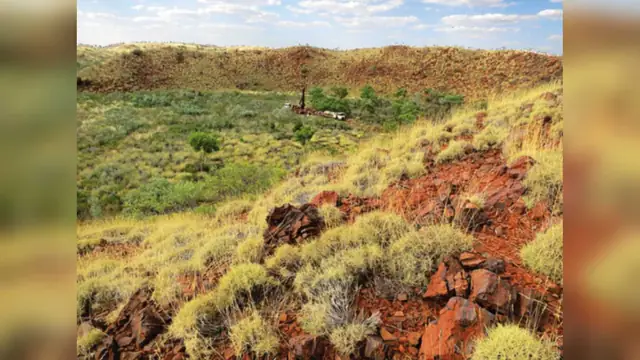
Dust buried more than 2,300 feet down in an Antarctic ice core grew new iron minerals inside the ice, and its researchers say the same chemistry could explain why Martian dust is red and magnetic
Dust buried more than 2,300 feet (700 meters) deep in an Antarctic ice core has grown new iron minerals inside the ice. The study, published September 24,…
ECOnews Newsroom · October 25, 2026
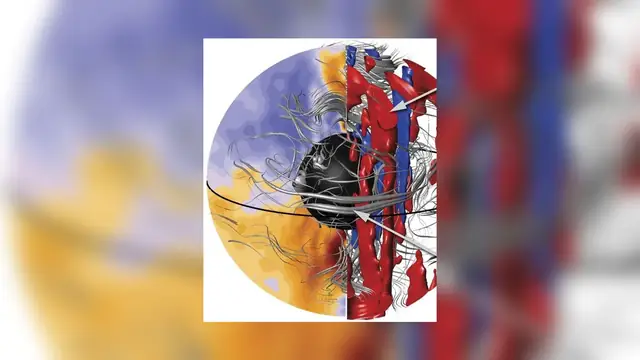
Two University of Alberta physicists traced millisecond swings in Earth’s length of day to the inner core’s gravitational tug on the mantle, and their model suggests the solid core deforms in about 10 years
A day on Earth isn’t exactly 24 hours. Physicists at the University of Alberta now say the solid inner core’s gravity explains a big part of why Earth’s…
Adrian Villellas · October 25, 2026
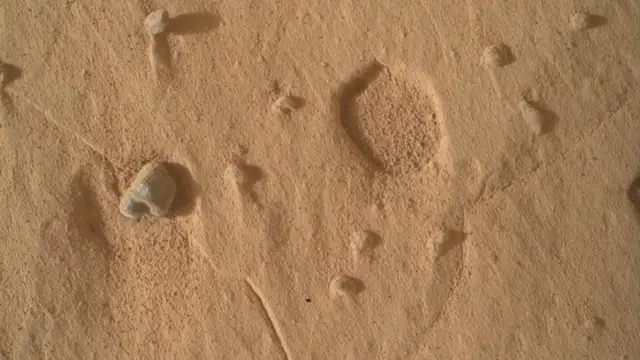
In Mars’ Gale Crater, NASA’s Curiosity rover photographed unusually broad, shallow pits in bedrock, one roughly 0.4 inches across, and the mission’s September 3 update still could not explain how they formed
NASA’s Curiosity rover has photographed unusually broad, shallow pits in Martian bedrock, including one roughly 0.4 inches across. An image created on…
Adrian Villellas · October 20, 2026
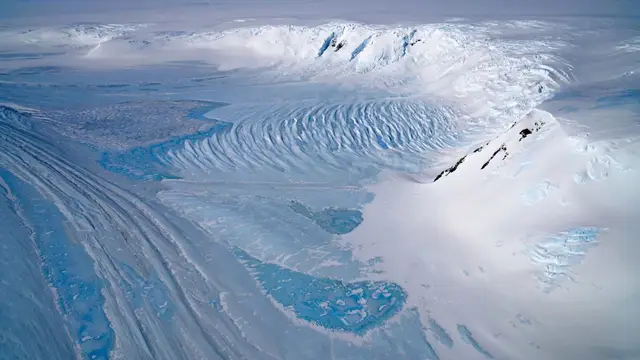
Around Antarctica, 1,712 zircon crystals drilled from the seafloor point to Himalayan-style mountains now buried under the ice, and two geologists say their erosion may have helped set the stage for the Cambrian explosion
Under the ice of Antarctica lie the roots of Himalayan-style mountains, according to two geologists tied to the Australian National University (ANU), who…
ECOnews Newsroom · October 17, 2026
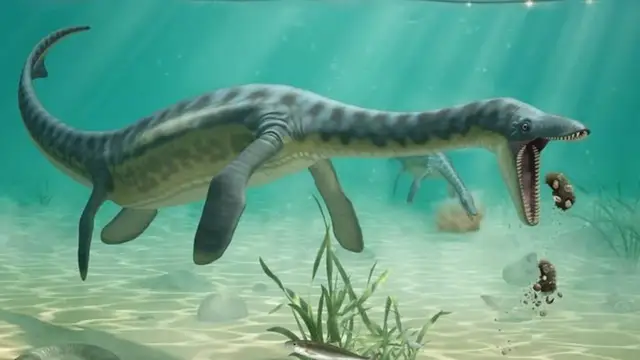
A geologist studying drill cores from under the North Sea found Jurassic fossil vomit packed with shells and squid-like remains, and he believes long-necked plesiosaurs brought it up in river deltas
Dirk Knaust has spent three decades looking at rock pulled up from under the North Sea. A specialist in the traces that invertebrates leave in sediment,…
Adrian Villellas · October 3, 2026
Mineral layers in the Roman aqueduct that crosses the Pont du Gard show it stopped supplying Nîmes around AD 270, during the Plague of Cyprian, while water kept flowing to farms upstream for 140 years
Mineral deposits inside a Roman aqueduct have preserved clues to a mystery in southern France. Researchers studying the system that includes the famous…
ECOnews Newsroom · October 2, 2026