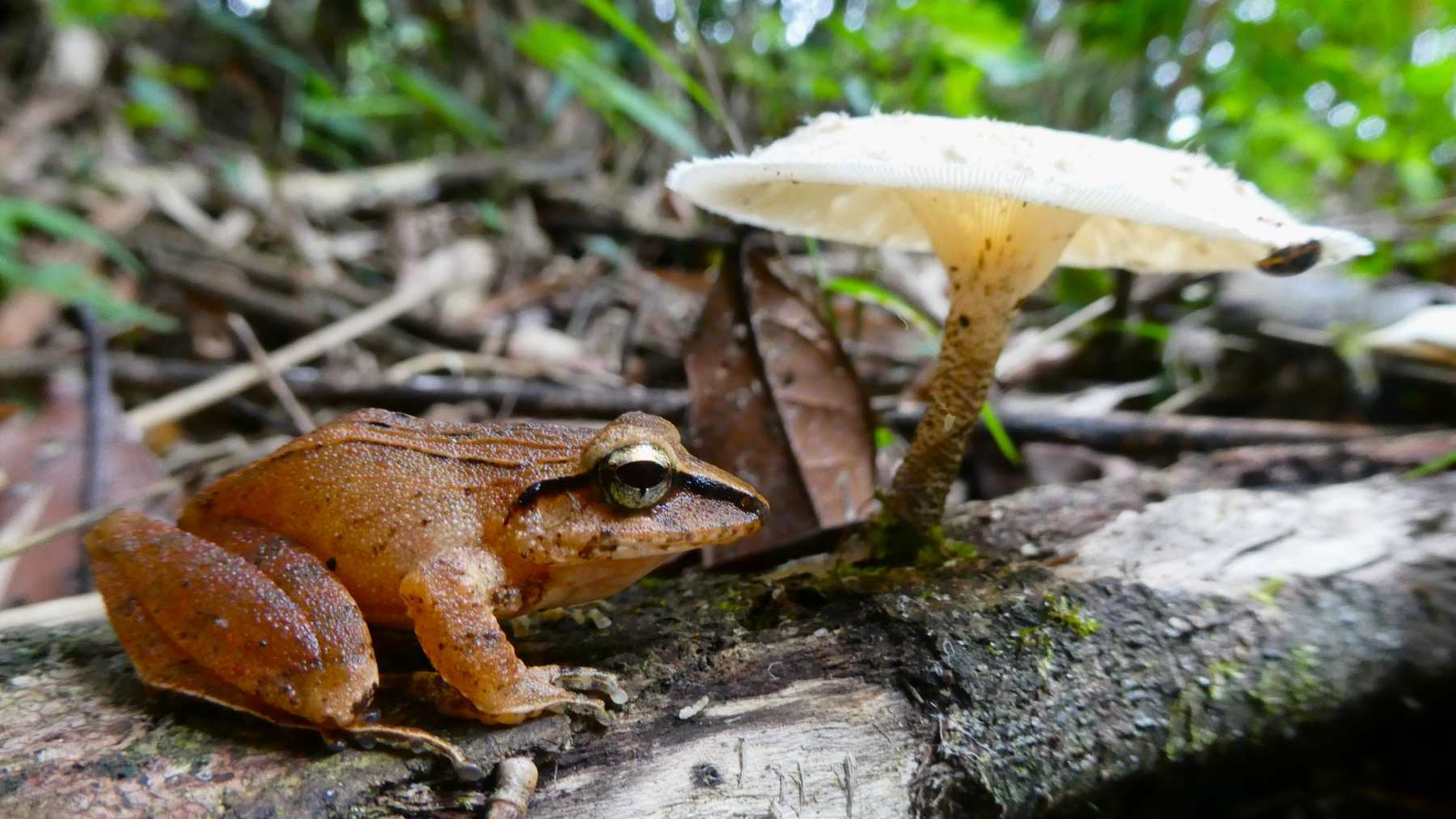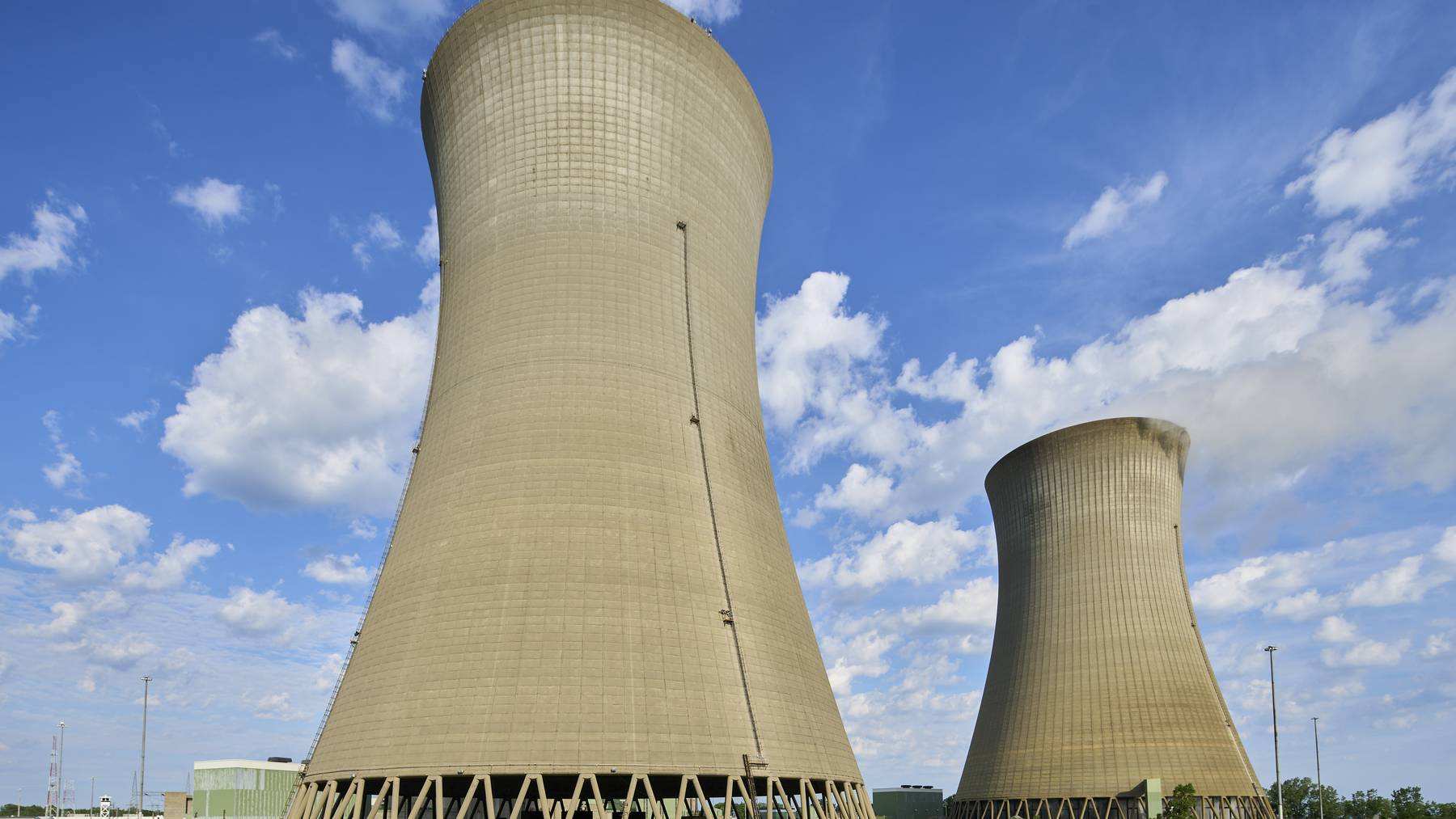
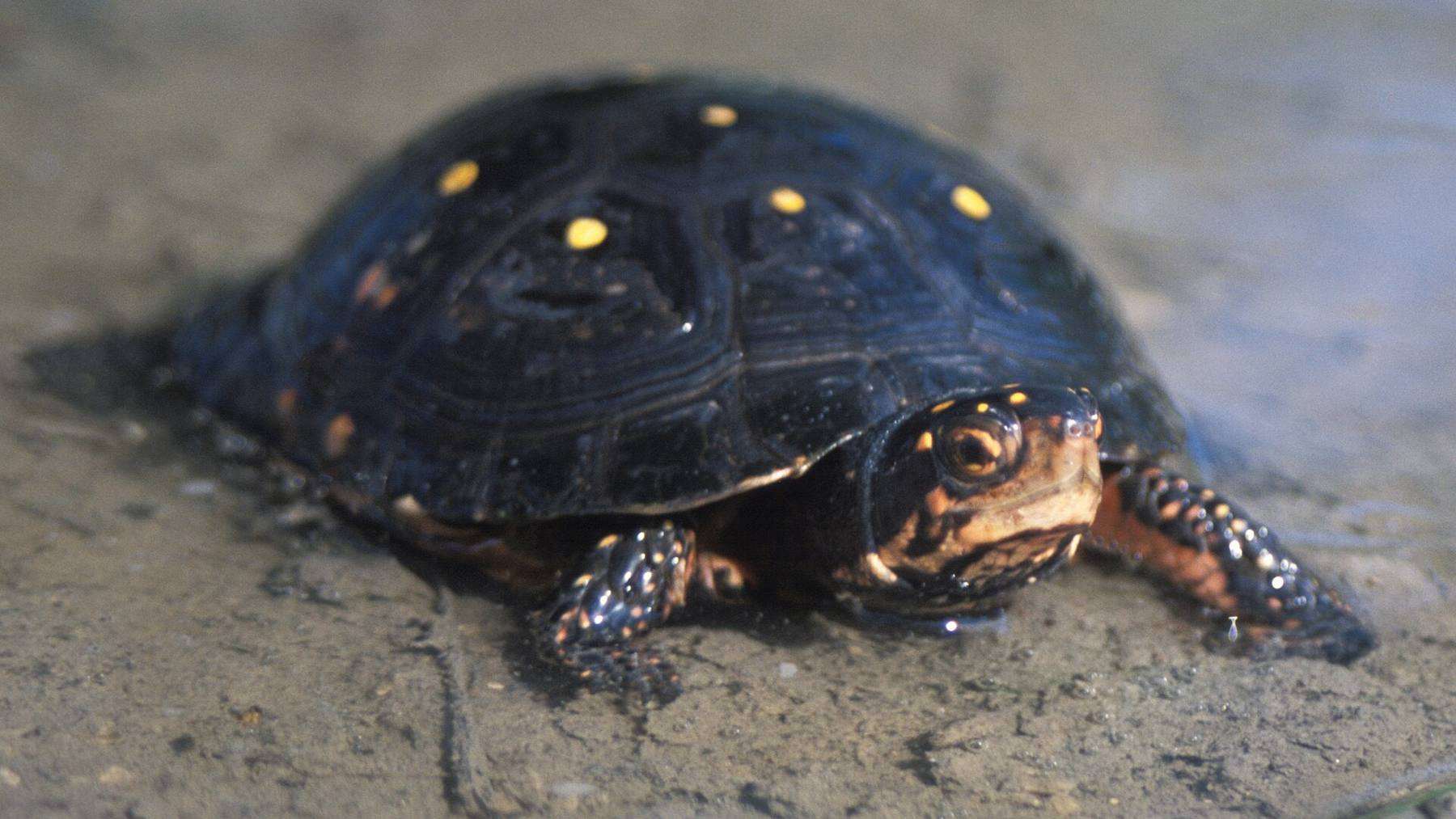
Among buttonbush, far from the Perry Nuclear Power Plant reactor building near Ohio’s Lake Erie shores sits a shallow brown pool. Looking close to the duckweed the attentive eye sees an almost black shell dotted with yellow spots on its surface. It is a rare spotted turtle, living in one of the last remaining wetlands that has been largely undisturbed since the early 1980s.
The fact that this marsh exists as a turtle reserve was not intentional. It happened to survive because a wider buffer around the nuclear plant was demanded through federal safety rules. In turn, for a state that has already drained about 90% of its original wetlands, accidental protection matters. A lot.
Ohio’s vanished wetlands made this marsh unusually valuable
The state of Ohio’s wetland loss can not possibly be understated. The once Great Black Swamp that covered a big part of the state’s northwestern corner has had its underground drains, ditches and levees all converted into highly productive farmland.
At the risk of being renamed to Black Swamp what remained of it are often small and isolated areas, often cut off by roads and farms. For endangered species like the spotted turtle a four-lane highway is usually a death sentence. Between one seasonal pool and another a short movement usually becomes a trap, which makes it so that holding water through midsummer is of fundamental value for the wetlands.
Why the Perry nuclear buffer stayed wild
In Lake County, 40 miles southwest of Cleveland the Perry plant was built and started supplying electricity to the grid in 1986. Only a fraction of the company’s 1,100 acres property is used to generate power though. The rest is needed because of the possible risks nuclear plants can pose. Its boiling water reactor producing roughly 1,240 megawatts each hour must have a controlled surrounding land area for emergency planning, exclusion distances and physical protection.
Because of that at Perry more than 850 acres of pure forest and marshes were left between the powerplant and the public road. After 3 decades of being untouched the area began to function as an habitat conservation program. Later studies done around the area recorded herons, kingfishers and even a rare species of an orchid. Which gives a simple lesson: the most effective conservation measure is to just leave a place alone.
The turtle hidden in the buttonbush
The spotted turtles love shallow marshes, wet meadows, swamps, seasonal pools and slow moving ditches with soft bottoms and open sky. Interestingly every individual carries a pattern of yellow dots on their backs, each of them functioning like a fingerprint that fades with age. While the turtle is not on a federal list of threatened animals Ohio does indeed lists the species as threatened. According to the U.S. Fish and Wildlife Service since 2015 there is a petition requesting the addition to make sure they are added to the federal list.
The habitat loss situation is only part of the problem. As any other species of turtles every detail of their lives runs on a slower timer. The spotted turtles need about a decade to reach reproductive age and only lay a handful of eggs each year, which means the already low population takes forever to recover. Add to that the fact that because of their beauty and uniqueness the illegal collectors of aquatic wildlife markets create another threat.
What the buffer proves and what it does not
Similar events of conservation have emerged on other similarly isolated areas: military ranges, bombing grounds, or for example in Chernobyl or around the Korean Demilitarized Zone, where restricted human access has allowed wildlife to persist in places that were not meant to be nature preserves. The stories may not be tidy, but the wildlife does not care about that.
The Perry powerplant is not environmentally neutral though. Its cooling system needs to draw water from Lake Erie to work and that affects the marine wildlife and the whole food chain. That makes it so that the protected marsh and the plant’s ecological footprint must be considered and respected.
Twenty more years could change a turtle population
The power plant’s original operation license was due to expire in March 2026, but in July 2025 the Nuclear Regulatory Commission approved a renewal that allows the facility to operate until November 2046! That is great news to the turtles, since it extends the period in which the land is unlikely to be drained or used as farmland.
For us 20 years may sound like a routine licensing period but for animals that take 10 years just to open their reproduction window 2 full decades represent a period that their adults can survive, a period in which their nesting can continue and a gap that can allow young turtles to comfortably grow and start to breed more and more.
That surely does not guarantee the species’ future though since the threats still come from all around and are not solved. But it gives the small population time, space and a tiny area of water that nobody is rushing to remove.
The official press release was published on Vistra Corp.