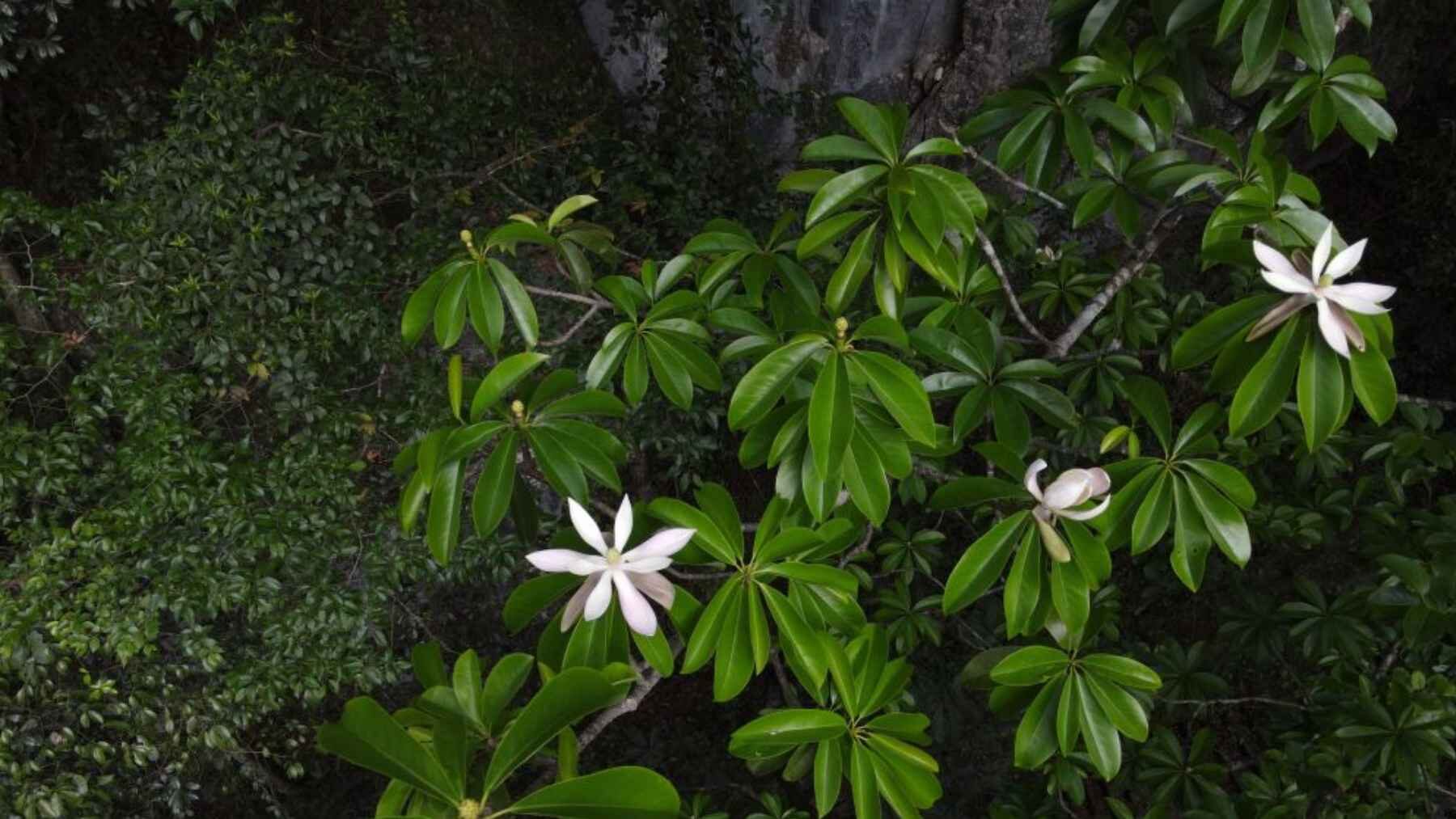
Deep inside China’s massive limestone sinkholes, a rare magnolia tree has found a cool, humid sanctuary from rising global temperatures. But this natural shield comes with a hidden cost: new genomic research reveals that trees living at the bottom of these giant pits suffer from lower genetic diversity and carry more harmful mutations than their neighbors outside.
That is the troubling paradox at the heart of a study published in Current Biology. After building a high-quality reference genome and analyzing 112 trees from 26 populations, researchers found that the same landscape that protects the species today may gradually weaken its ability to adapt tomorrow.
A refuge with steep walls
Known in China as tiankengs, these vast enclosed sinkholes hold shaded forests beneath steep limestone cliffs in Southwest China. Magnolia aromatica grows in fragmented karst habitats across Guangxi, Guizhou, and Yunnan, including both the sheltered interiors and the harsher land around them.
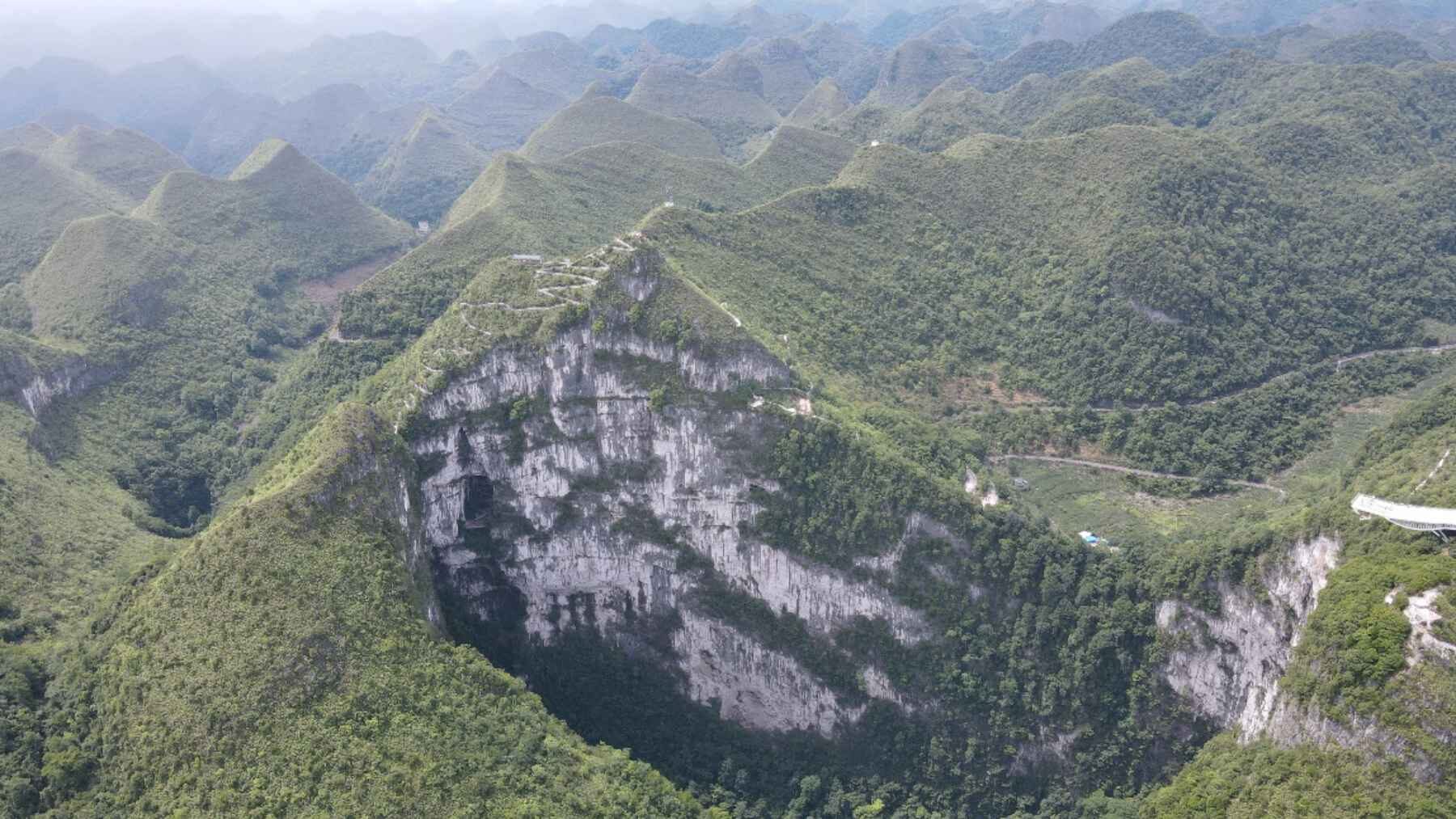
Down below, the climate is cooler, wetter, and more stable. While this turns the forest floor into a critical climate refuge, the surrounding cliffs and jagged terrain restrict the flow of pollen and seeds, trapping genetic material at the bottom.
What 112 genomes revealed
The researchers assembled a near-complete reference genome that covered the tree’s chromosomes almost from end to end, then resequenced individuals from 26 natural populations. Their analysis identified four major evolutionary lineages, including separate groups associated with the interior and exterior of the Leye Tiankeng landscape.
Across the species’ wider range, sinkhole-associated lineages retained intermediate genetic diversity and mutation loads, which supports the idea that tiankengs can preserve populations through difficult climates. Up close, however, the interior trees had significantly lower diversity and more deleterious mutations than neighboring exterior trees.
Isolation changes the genetic picture
Why does that matter? Genetic diversity gives a population more possible responses when its environment changes, while restricted gene flow leaves small groups more exposed to genetic drift and the gradual buildup of harmful variants.
The study also found similar inbreeding levels inside and outside the sinkholes, suggesting the decline was not simply caused by recent mating among close relatives. Instead, the pattern was more consistent with long-term population isolation, smaller effective population size, and stronger genetic drift.
Built for deep shade
The magnolia is not merely surviving in the darkness. Genes under selection in sinkhole populations were linked to photosynthesis and carbon fixation, while controlled experiments showed that seedlings died quickly under full or strong light. However, they survived and grew well under 50% to 90% shade.
Deep shade produced especially strong performance. The tiankeng floor is more than a temporary shelter — it is a specialized nursery to which young trees have become closely adapted.
Climate change tightens the trap
The team combined species distribution models, genomic offset analysis, and projections of mutation load to examine what may happen as the climate changes. Under a high-emission scenario, about one-third of the species’ current habitat could become climatically unsuitable by 2100, with areas near barriers to gene flow emerging as major risk zones.
At the same time, deleterious mutation loads are projected to rise in most populations. The implication is unsettling, since a sheltered stand could persist while losing some of the evolutionary flexibility needed to cope with a rapidly changing climate.
Saving the pit is not enough
Corresponding author Ming Kang said tiankengs are “not simply safe havens,” and the conservation message is clear on a map. Protecting the forest at the bottom matters, but so do nearby exterior populations, transition areas, and possible dispersal corridors.
Those surrounding populations may help maintain connectivity and adaptive variation across the landscape. The research team also recommends long-term monitoring of genetic health and says carefully assessed assisted gene flow may be worth considering for populations that remain isolated.
A wider warning from China’s sinkholes
This is bigger than one rare magnolia. Climate refuges can buy species valuable time, but a cool pocket of habitat may become a genetic island when plants, pollen, and seeds cannot move freely across the wider landscape.
At the end of the day, Kang’s call to “protect both the shelter and the connections around it” means a refuge works best when it is not cut off from the evolutionary options beyond its walls.
The study was published in Current Biology.