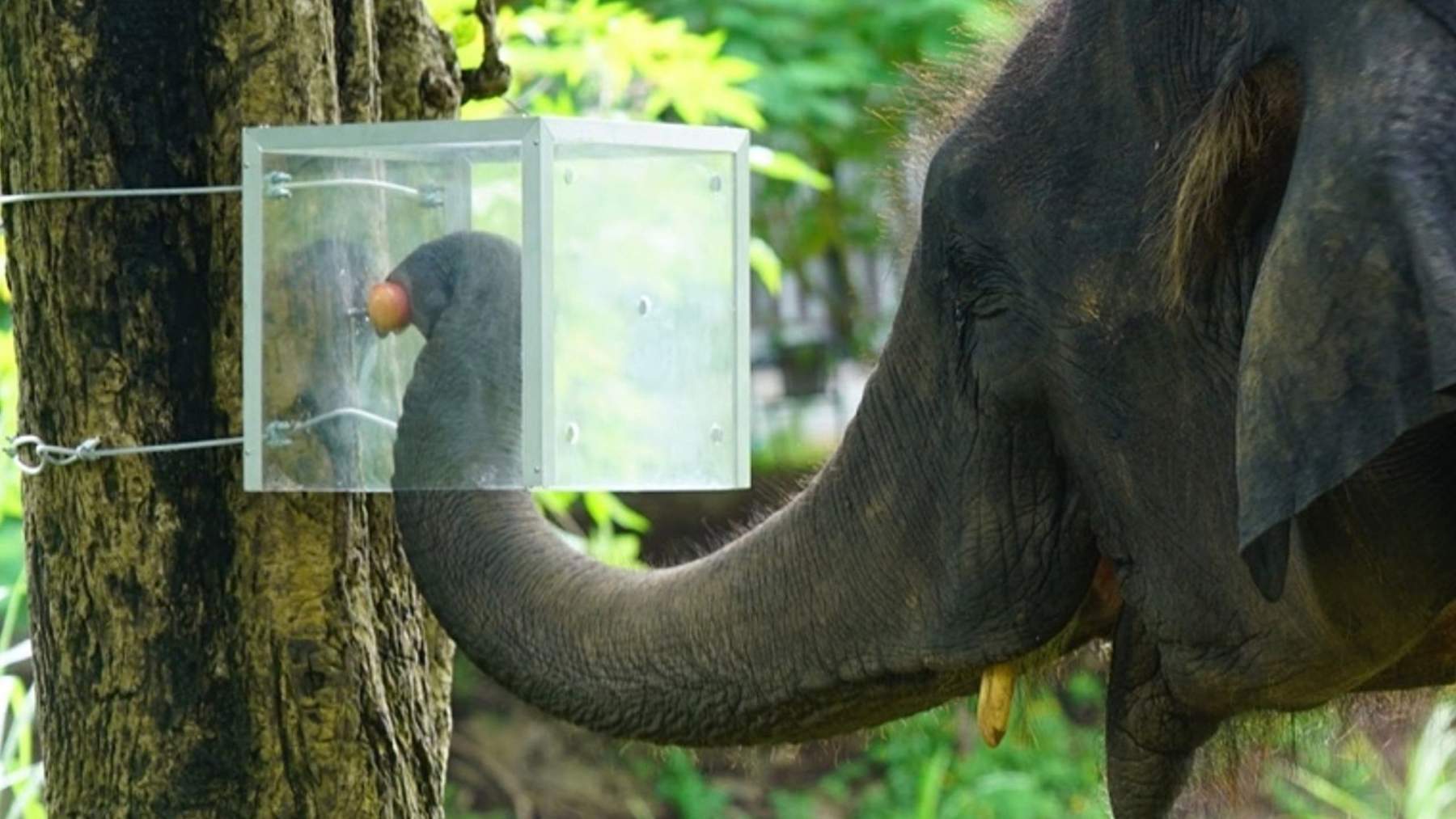
A lemur leaping through Madagascar’s dry forests, a salamander hiding in a North Carolina cliff and a Mexican fish already gone from the wild now share the same lifeline. The Phoenix Species Project launched on Aug. 4 with a $200 million commitment to recover 100 species classified as Critically Endangered or Extinct in the Wild across 30 countries.
The famous names may draw attention, but the project’s most important idea is less glamorous. Instead of another burst of short-term funding, Re:wild and the Bezos Earth Fund are promising sustained support for locally led recovery work, with population gains and reductions in threats used to measure progress.
A rescue plan built for the long haul
The launch commitment is split evenly, with $100 million from the Bezos Earth Fund and $100 million from Re:wild, supported by Leonardo DiCaprio, Age of Union and the Todd Graves Family Foundation. More than 100 local and international partners, including Indigenous Peoples, communities, scientists and governments, are expected to lead work tailored to each species and place.
That work may include conservation breeding, raising young animals before release, moving individuals to safer habitats, controlling disease and invasive species, and restoring damaged ecosystems. The initiative grew from a 2021 meeting involving DiCaprio, Re:wild chief executive Wes Sechrest, Jeff Bezos and Lauren Sánchez Bezos, followed by years of consultation.
The Phoenix 100 reach beyond famous wildlife
There are rhinos and orangutans on the list, but also plants, frogs, fish, birds, reptiles, invertebrates and small mammals that rarely make the evening news. The official portfolio stretches from oceans and freshwater lakes to tropical forests and volcanic plains, a reminder that extinction does not choose one kind of animal or one corner of the map.
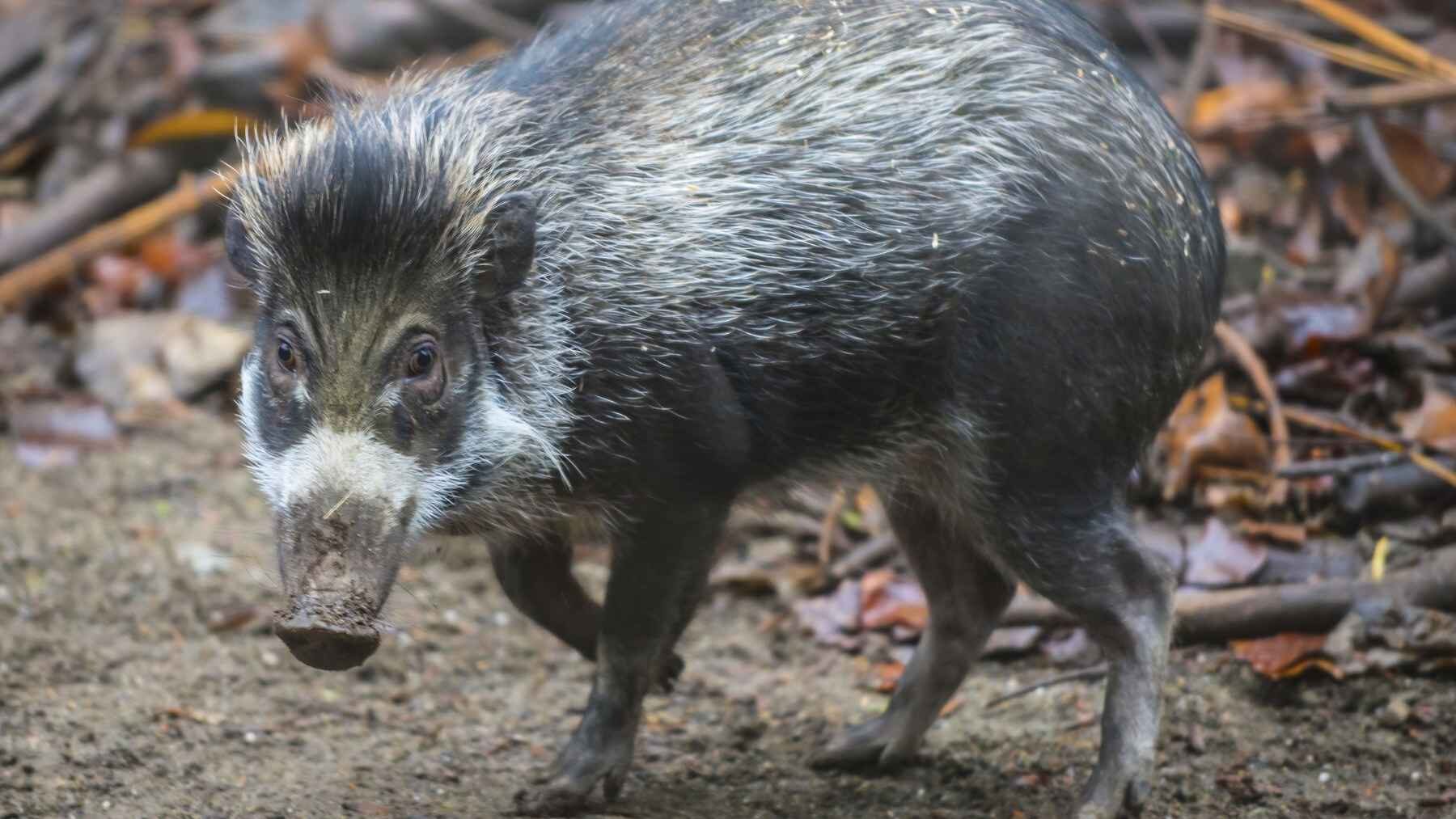
Among the selected species are the Visayan warty pig from the Philippines, the Malayan pangolin, Tanzania’s pancake tortoise, the pink iguana of the Galápagos and Attenborough’s long-beaked echidna from New Guinea. The list also includes the Charco Azul pupfish, which survives through conservation breeding after its only natural spring dried up in Mexico.
Madagascar’s sifaka shows what is at stake
Roughly 10,000 golden-crowned sifakas are estimated to remain, and the project says the population has fallen by at least 80% since the 1980s. These lemurs disperse seeds from more than 40 tree species, which means helping them recover could also help fragmented forests regenerate.
Association Fanamby plans to restore and reconnect habitat in Madagascar’s Loky-Manambato region while working with communities on fire detection, logging prevention and ecotourism. Its executive director, Tiana Andriamanana, put the change plainly when she said, “This funding, this global platform and technical support change what is possible.”
A rare American salamander gets a path back
The Hickory Nut Gorge green salamander was recognized as a distinct species only in 2019 and is estimated to number about 500. Surveys cited by the project indicate a decline of around 56% in two decades, while Hurricane Helene’s 2024 floods and landslides damaged several of its few known habitats.
The recovery plan aims to expand the population in human care and release up to 200 salamanders within five years. It also calls for protecting nests, replanting native vegetation to reduce landslide risks and reaching conservation agreements with communities in Rutherford and Henderson counties.
Evidence says conservation can work
A 2024 global meta-analysis published in Science examined 186 studies containing 665 trials. Conservation improved biodiversity or at least slowed its decline in two-thirds of those trials, with particularly strong results from invasive species control, habitat restoration, ecosystem management and protected areas.
Still, this is not proof that every dollar saves wildlife. About one-fifth of the trials performed worse than comparable situations without intervention, which is why the Phoenix project’s promise to track populations and threats matters as much as the size of the check.
The project also tests a global promise
The Phoenix Species Project is designed to support Target 4 of the Kunming-Montreal Global Biodiversity Framework. That target calls for urgent action by 2030 to halt human-caused extinctions, recover threatened species and maintain genetic diversity.
Private funding cannot substitute for public policies addressing habitat clearance, wildlife trafficking, pollution and climate change. But long-term grants can give local teams the staff, equipment and time needed to turn recovery plans into visible results, then adjust course when the evidence says an approach is failing.
Success will be measured after the headlines fade
The real test will not be how much attention the $200 million announcement receives this week. It will be whether populations grow, habitats reconnect, threats fall and local communities retain a leading role after the first round of publicity has moved on.
Lauren Sánchez Bezos described the intended shift as “Not managing their decline” but “Recovering them,” a difference that could determine whether these species remain part of daily life or become names in an archive.
The press release was published by the Bezos Earth Fund.