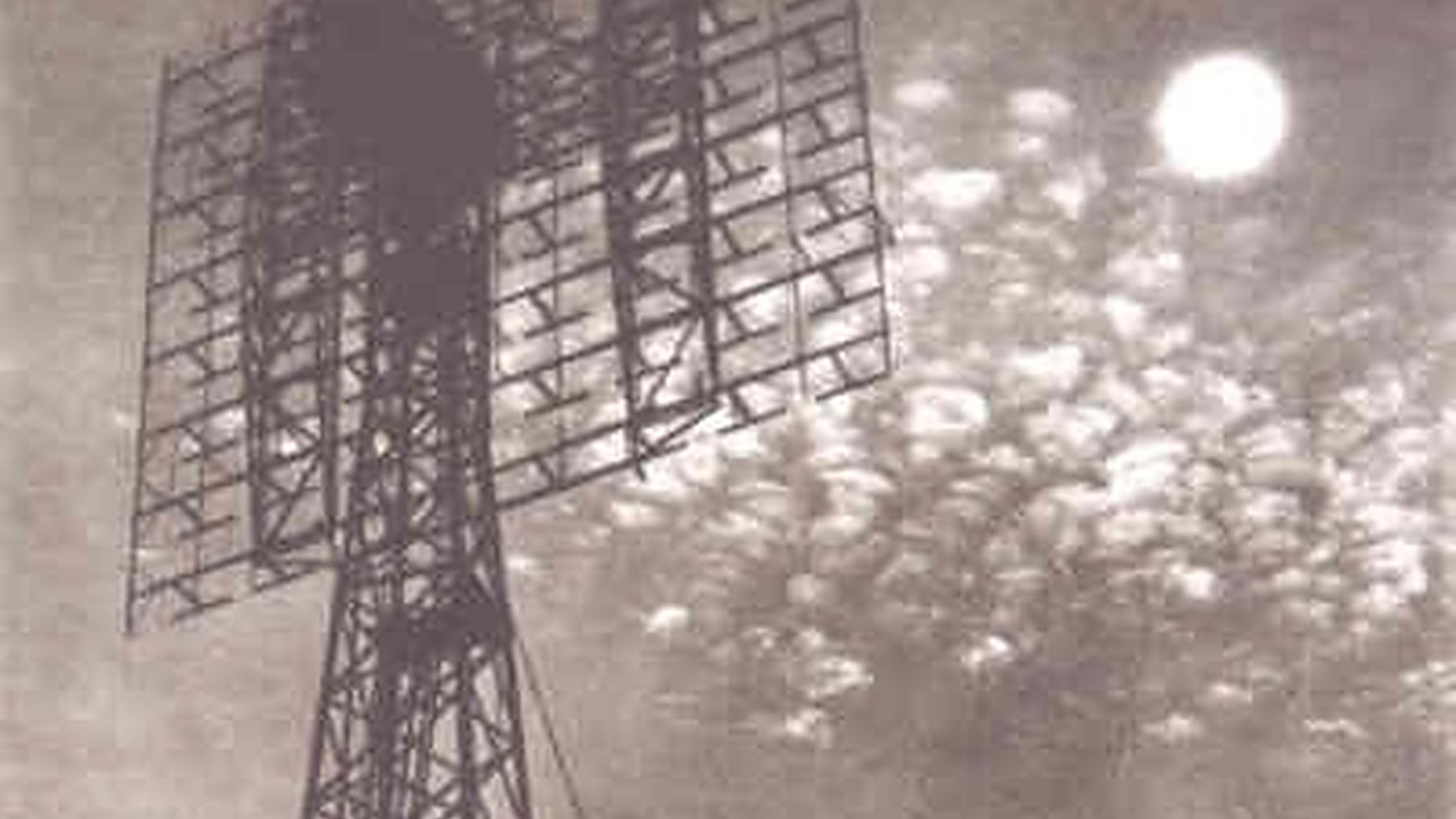
The United States launched a canister of copper needles in May 1963 under Project West Ford. MIT Lincoln Laboratory ran the military experiment, which called for 480 million wires circling about 2,200 miles above Earth.
Engineers wanted those wires to carry radio signals across the country. The belt did its job and faded within three years, yet NASA’s orbital debris office still counted 46 clumps of the needles in orbit in 2013.
A blackout over Johnston Island
A history by Lincoln Laboratory staff traces the idea to the HARDTACK nuclear tests near Johnston Island in August 1958. The first high-altitude blast wrecked the ionosphere over a vast area. High-frequency radio failed, and commercial flights across the Pacific stopped.
Military planners could picture the same failure during a crisis. That year, Walter Morrow of Lincoln Laboratory and Harold Meyer of TRW proposed a man-made reflector in orbit.
Donald MacLellan, a former assistant director of the laboratory, explained the concept in a Lincoln Laboratory retrospective. “The dipole belt was to serve, in effect, as an artificial ionosphere,” he wrote.
Forty-two pounds of copper wire
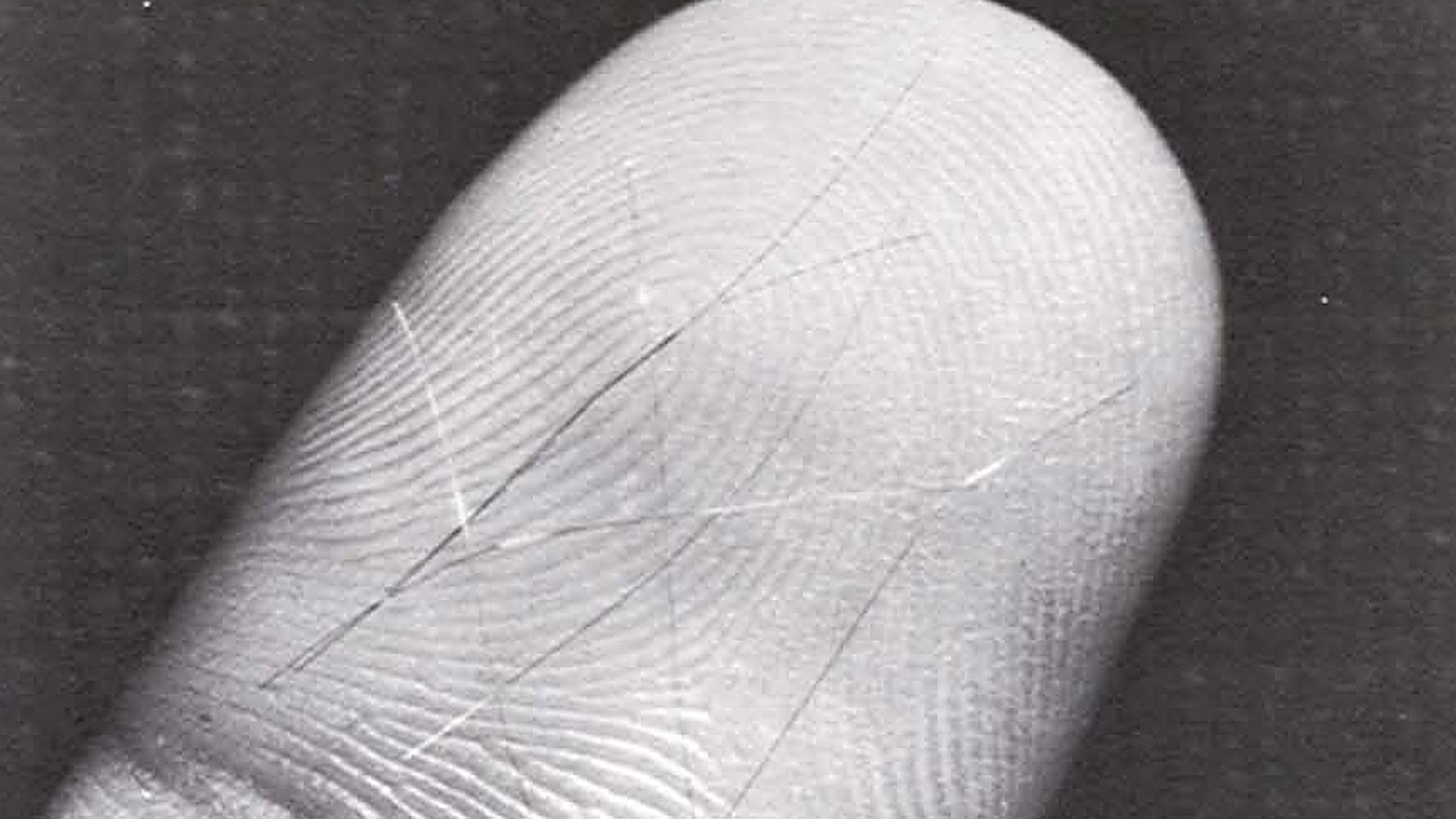
Each needle measured 0.7 inch (1.78 centimeters) long and just 0.0007 inch across. That length let the wire resonate at about 8 gigahertz. All 480 million planned dipoles weighed around 42 pounds (19 kilograms) together.
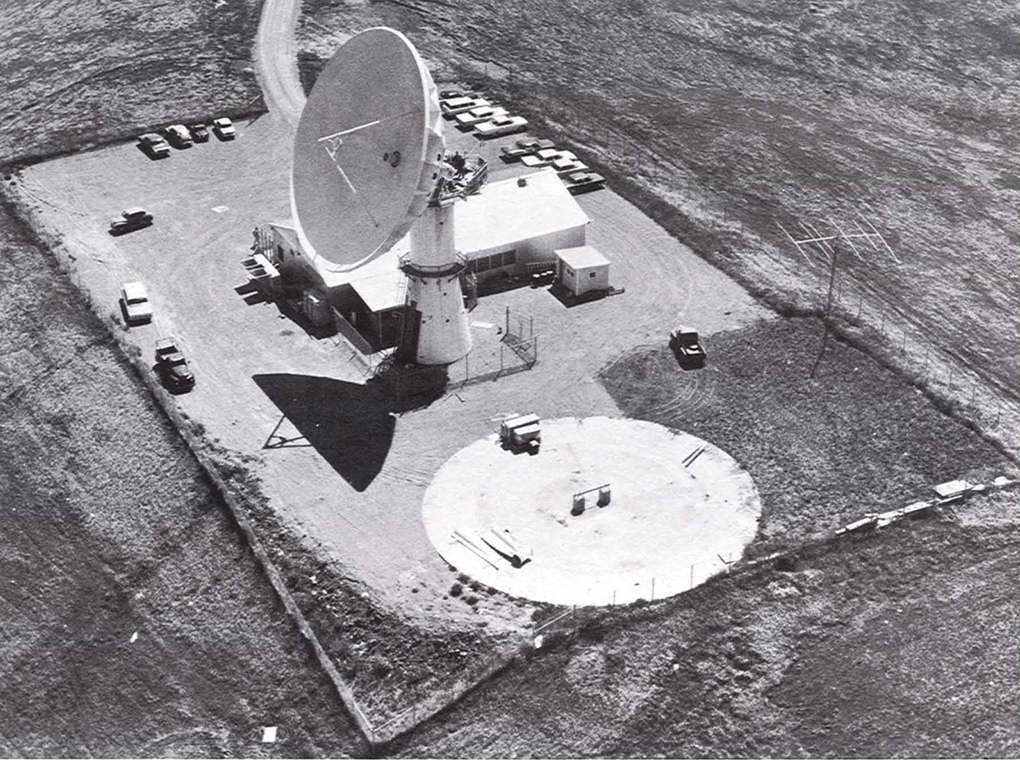
The plan put them in polar orbits roughly 2,200 miles (3,600 kilometers) up, about 0.3 kilometer apart on average. Camp Parks in California and Westford in Massachusetts each got a 60-foot dish antenna.
Launch packing took some ingenuity, according to a paper from a European Space Agency debris conference. Engineers set the wires in naphthalene, a compound that evaporates in a vacuum. A spinning dispenser would then fling them outward.
Astronomers saw trouble coming
Lincoln Laboratory’s own account says “a proposal to place vast numbers of anything in orbit would be controversial.” The secret effort began as Project Needles, and the laboratory unveiled it in 1960 as West Ford.
Optical and radio astronomers feared the wires would block their view. Others worried about collisions with satellites, and the laboratory’s history records protests from both sides of the Iron Curtain.
Sunlight became the designers’ answer to those fears. Radiation pressure would stretch each needle’s orbit until its lowest point touched the thin upper atmosphere. Drag would finish the job within a few years.
Presidential approval eventually came, with launches limited to the bare minimum.
Teletype by copper cloud
The first attempt left Vandenberg on October 21, 1961, and the needles did not disperse. NASA cataloged seven small pieces believed to come from that mission, and all seven remained in orbit in 2013.
A redesigned dispenser flew in May 1963, split into smaller units that spun more stably. Over about 40 days the belt closed around the planet, with roughly five dipoles per cubic kilometer.
Voice, data and teletype then moved regularly between Massachusetts and California. While the wires were still bunched together, data rates reached 20,000 bits per second.
MacLellan called it the first demonstration of reliable transcontinental military satellite communications. By early 1966 the belt had essentially left orbit, as planned.
Active relay satellites such as Telstar, launched in 1962, had already overtaken the technique. The laboratory’s authors judged West Ford “an undeniable success, but it had little impact in terms of operational employment.”
Welded wires that stayed up
Far fewer needles scattered than the plan required. A 2013 article from NASA’s Orbital Debris Program Office says only 25 to 45 percent of the 480 million dipoles dispersed properly. NASA estimates 120 million to 215 million wires came free.
The rest are believed to have stayed stuck together. Since 1966, the U.S. Space Surveillance Network has cataloged 144 small objects tied to the 1963 mission.

Those clumps fall far more slowly than single needles, and one of the best-tracked pieces only reentered in 2007. Researchers at TU Braunschweig offered a possible cause in their European Space Agency conference paper. Clean metal surfaces touching in a vacuum can weld together.
A clause in the 1967 treaty
NASA links West Ford to the rules of space itself. The 1967 Outer Space Treaty calls for consultations before an experiment that might cause “potentially harmful interference with activities of other State Parties in the peaceful exploration and use of outer space.”
After the 1961 failure, the Committee on Space Research created a group to study harmful space experiments. Its successor panel is where the committee discusses orbital debris today.
Other orbital hardware has followed in very different forms, including the 59-foot mirror a California startup won approval to launch. Radio astronomy, meanwhile, now runs instruments as large as China’s giant single-dish telescope.
Lincoln Laboratory’s ground work also produced the Haystack system, “so named because its main job was to look for needles in space,” MacLellan wrote. Military satellite links are now moving toward laser communications.
NASA’s count stops in 2013
The figure of 46 clumps dates from that 2013 article, so the current number may be lower. An earlier NASA chronology listed about 65 survivors on January 1, 1998.
Payload numbers also differ between documents, and that chronology cites 350 million needles in 1961 and about 400 million in 1963. Radar data from the mid-1990s suggested more small debris above about 1,550 miles (2,500 kilometers), possibly from the 1961 flight.
The Lincoln Laboratory Journal published the technical history in 1989, and NASA’s update appeared in its Orbital Debris Quarterly News in October 2013.
Photo: MIT Lincoln Laboratory