Solar farms were built to make clean electricity, not to become refuges for endangered predators. Yet, in California, the San Joaquin kit fox has been documented using photovoltaic solar sites as everyday habitat, turning fences, shade, quiet ground, and open space into tools for survival. It was not part of the original plan.
That does not mean every solar farm is suddenly good for wildlife. The stronger lesson is more careful, and more useful. When solar projects are placed and managed with species in mind, some of them can do more than feed the grid; they can also leave room for life.
A small fox on the edge
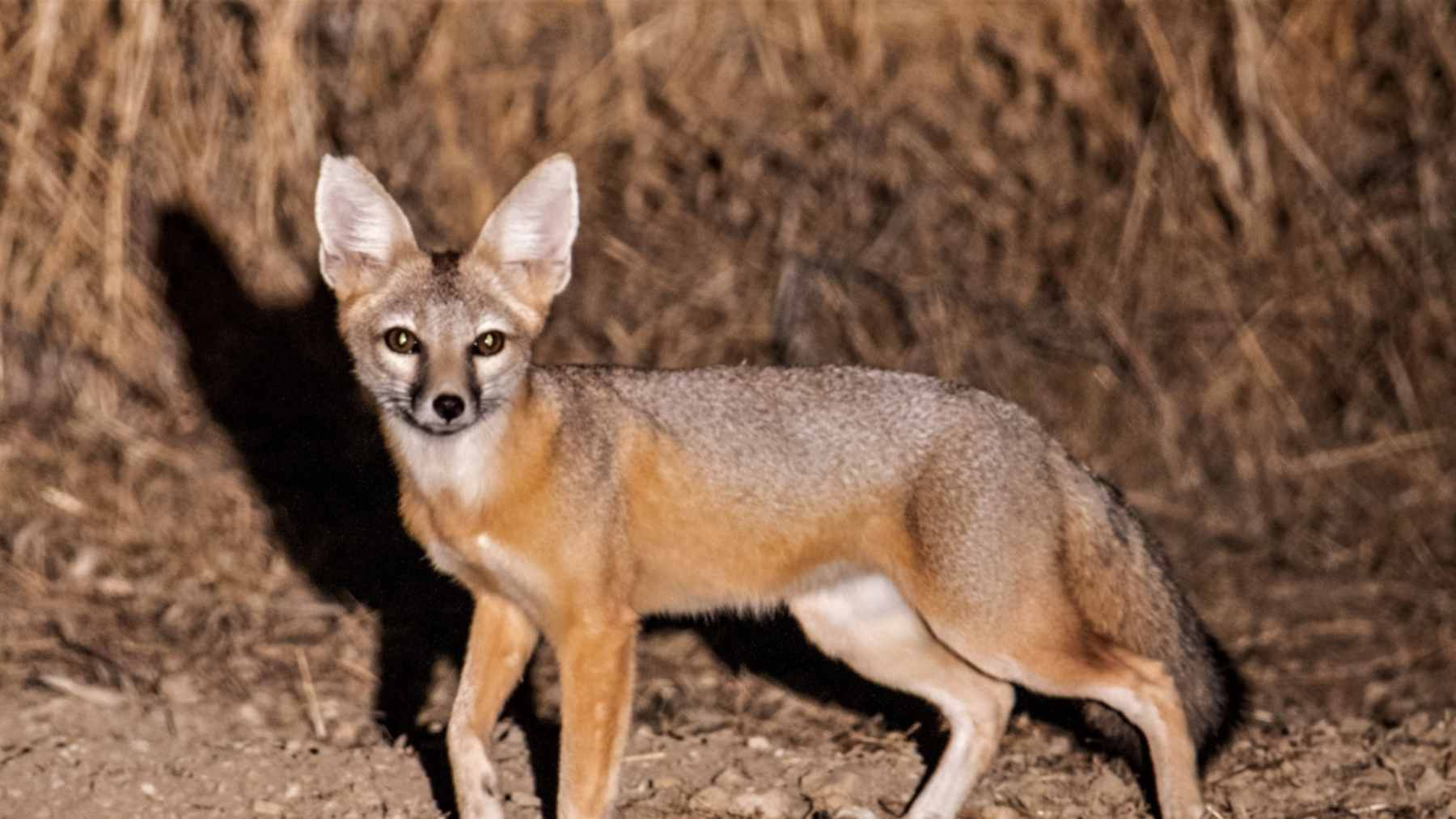
The San Joaquin kit fox is not a large predator. Adult males average about 5 pounds, adult females about 4.6 pounds, and the animal stands roughly 12 inches at the shoulder. Small, yes, but ecologically important.
Read More: {{post_title link:post}}
The species was listed as federally endangered in 1967 and later as threatened under California law. The U.S. Fish and Wildlife Service lists habitat loss from agriculture, oil exploration, urban growth, solar facility development, and infrastructure as key threats.
Solar farms became quiet ground
At first glance, utility solar looks like infrastructure only. Rows of panels, access roads, and fences. Once construction ends, though, some sites can become quieter than the surrounding landscape, with less traffic, fewer people, and less day-to-day disturbance.
At Panoche Valley Solar Farm in eastern San Benito County, researchers studied a roughly 1,245-acre project completed in 2018. They tracked 23 foxes using the solar site and nearby land within about 0.93 miles, then compared them with 26 foxes on nearby reference land.
The animals were fitted with GPS collars and VHF transmitters so their movements, dens, survival, and diet could be followed over three years.
What the foxes did there
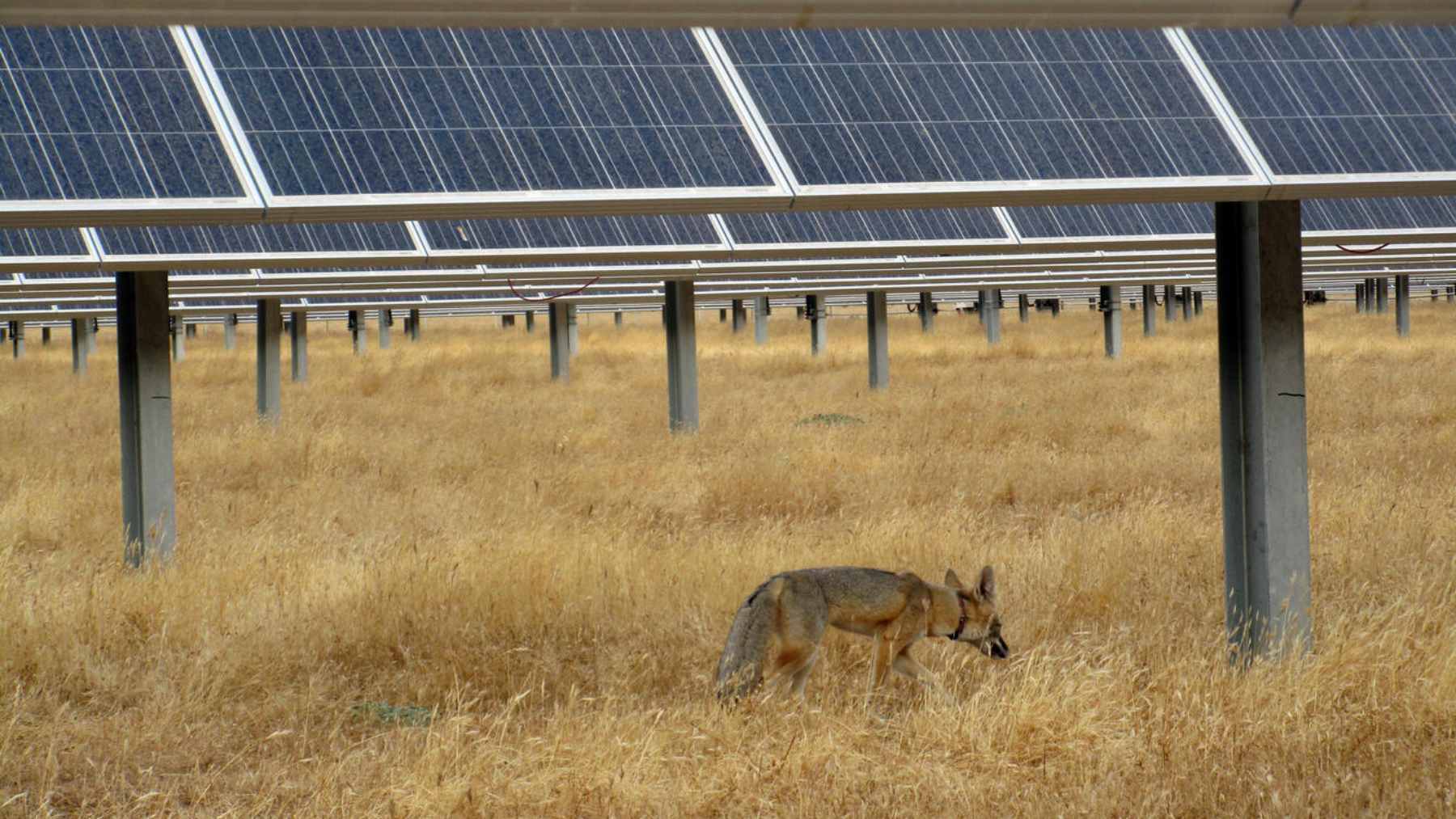
The foxes did not just slip through the area and leave. In the Panoche study, about half of daytime locations for solar-site foxes were inside the security fence, compared with about one-fifth of nighttime locations. Researchers suggested the animals were likely foraging outside the facility at night, then returning inside for daytime rest.
The den data were just as telling. The share of dens used by foxes on the solar facility declined from 73% in the first year to 50% by the third year, but that still showed major use of the site. For a small desert fox, shade and a lower-risk resting area can matter a lot during long, hot days.
Survival was not a miracle
Survival was not different between the solar and reference sites, and reproductive success and mean litter size also did not differ. The study said larger predators were suspected in many deaths, although the exact cause was often hard to confirm.
Read More: {{post_title link:post}}
That last point matters. The researchers found no evidence that any collared foxes died directly because of solar farm operations or maintenance activities. Still, the panels were not a magic shield, and the study noted that damaged fencing later allowed coyotes greater access to the array areas.
Design did the heavy lifting
The reason this story matters is not simply that foxes are adaptable. The solar farms that worked best for them were not bare fields with panels dropped on top. They included conservation measures designed to keep the animals moving, feeding, resting, and breeding with fewer conflicts.
At Panoche, those measures included fox-permeable fencing, artificial escape dens, movement corridors, managed vegetation in the arrays, worker education, and restrictions on feral dogs, trash, off-road travel, high vehicle speeds, and biocide use. Sheep were also used to manage vegetation, which helped reduce fire fuel and improve habitat conditions for foxes and their prey.
Without that care, the result could have been very different. The authors warned that the absence of significant adverse effects was largely tied to the conservation measures in place, and they still recommended against putting new solar facilities in high-quality habitat for San Joaquin kit foxes or other rare species.
Clean energy has a wildlife test
Clean energy has to count land, not just carbon. If a solar project replaces intact habitat, it can still create ecological damage. If it is built on row crops, degraded land, or lower-quality habitat with the right wildlife plan, however, it may help connect better patches of habitat instead of cutting them apart.
A 2025 U.S. Fish and Wildlife Service review also pointed to a wider pattern. It noted reports of San Joaquin kit foxes frequently using photovoltaic arrays for natal dens at California Flats, and said the Panoche work found no significant adverse impacts when conservation measures were used.
Read More: {{post_title link:post}}
The review summed up the bigger idea by saying solar development is not incompatible with use by the subspecies.
For the most part, this fox story is not about wildlife moving into technology because technology is harmless. It is about design making the difference between a fenced-off obstacle and a livable patch of land.
As solar expands, that question will only get more important. Who else will live here when the construction crews go home?
The full report was published on the Endangered Species Recovery Program’s website.