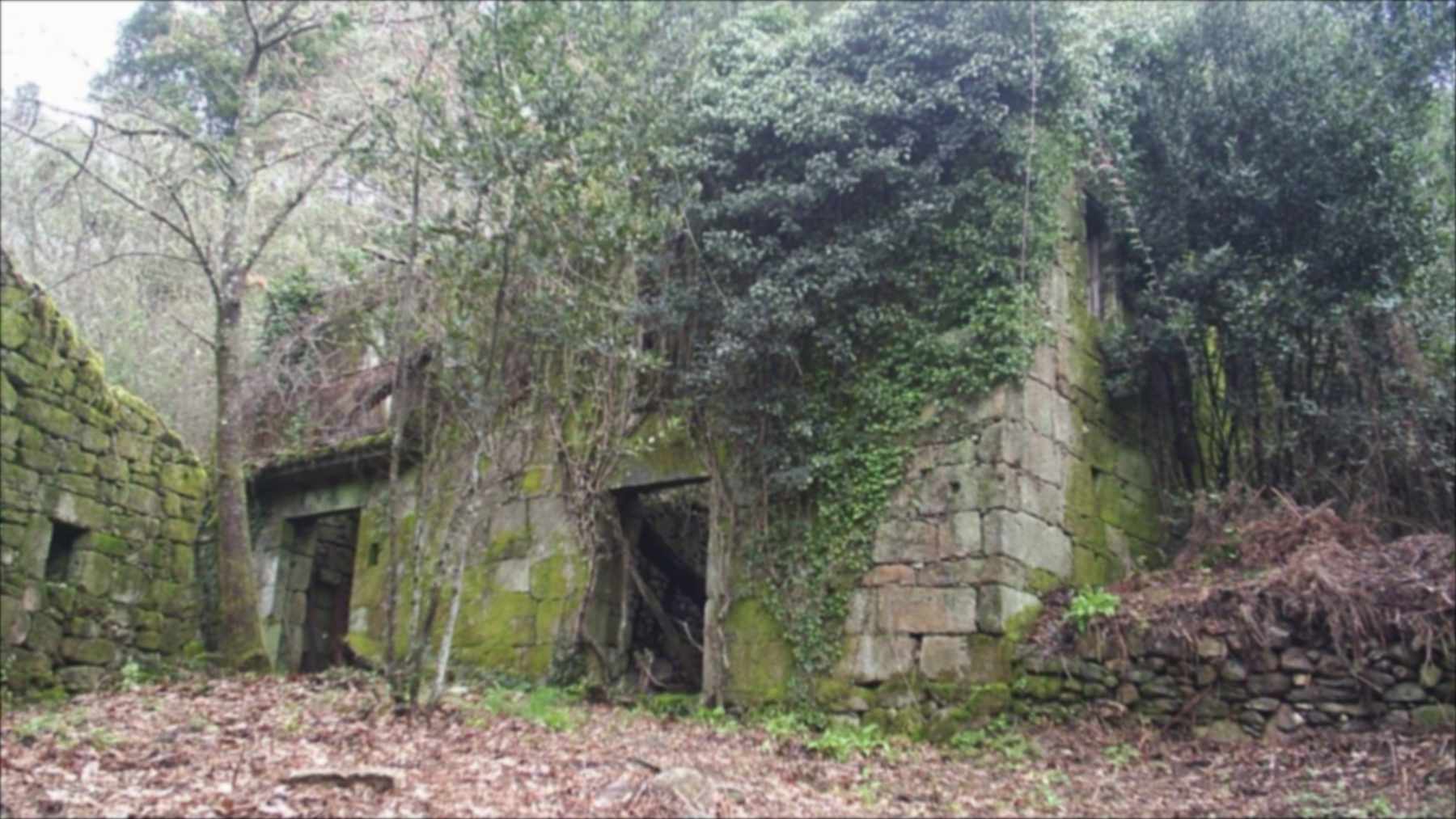
A routine repair at El Perdiguero reservoir in Calahorra, La Rioja, has turned into a warning about the hidden wildlife costs of emptying water infrastructure.
The drawdown was carried out to replace safety valves, but Ecologistas en Acción warned that fish, eels, turtles, and freshwater mussels were left facing shrinking pools of water as the reservoir level fell.
The reservoir has since started refilling, and La Rioja’s 2026 fishing rules closed the Perdiguero fishing preserve for the season because of the work. Still, the case leaves a practical question. How do you repair aging dams without turning maintenance into a trap for the animals that live there?
A repair with wildlife consequences
El Perdiguero is not just a patch of water on a map. It is a working irrigation reservoir, and local reporting says it helps regulate water for about 1,570 acres of farmland around Calahorra.
The repair itself was not cosmetic. The Community General of Irrigators of Calahorra said the two safety valves had to be replaced to keep the reservoir operating properly and safely. In practical terms, that meant lowering the water during fall and winter so workers could reach the infrastructure.
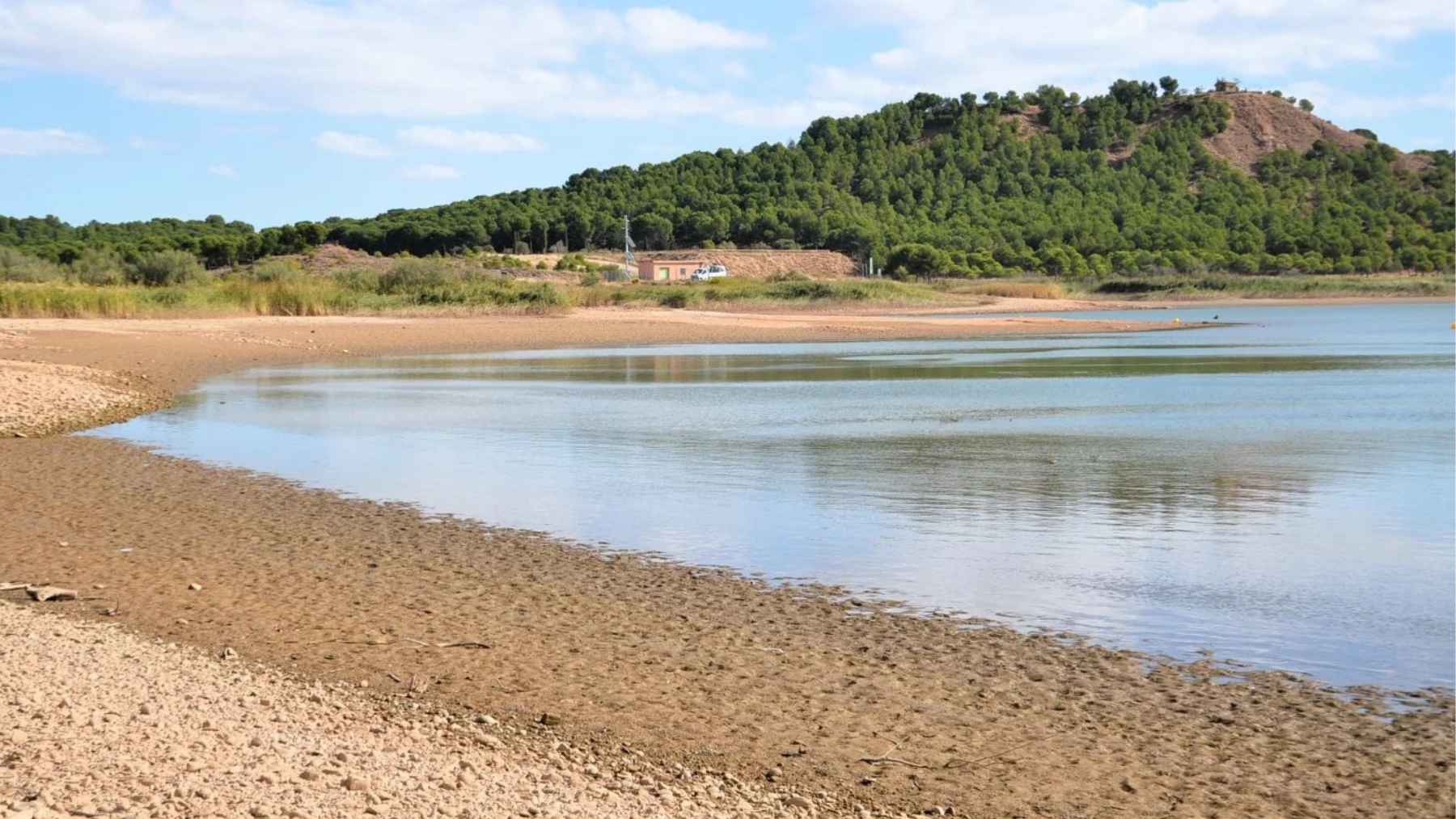
That is where the problem started. When a reservoir drains, fish and other aquatic animals do not simply pack up and leave. Many get pushed into smaller and warmer pools, where oxygen can drop and mud can become a deadly barrier.
Why the alarm was raised
Ecologistas en Acción said the regional environmental authority had already rescued some European freshwater blenny and freshwater naiads during the first stages of the drawdown. The group called that step positive, but warned it was not enough because other species were still living in the remaining water.
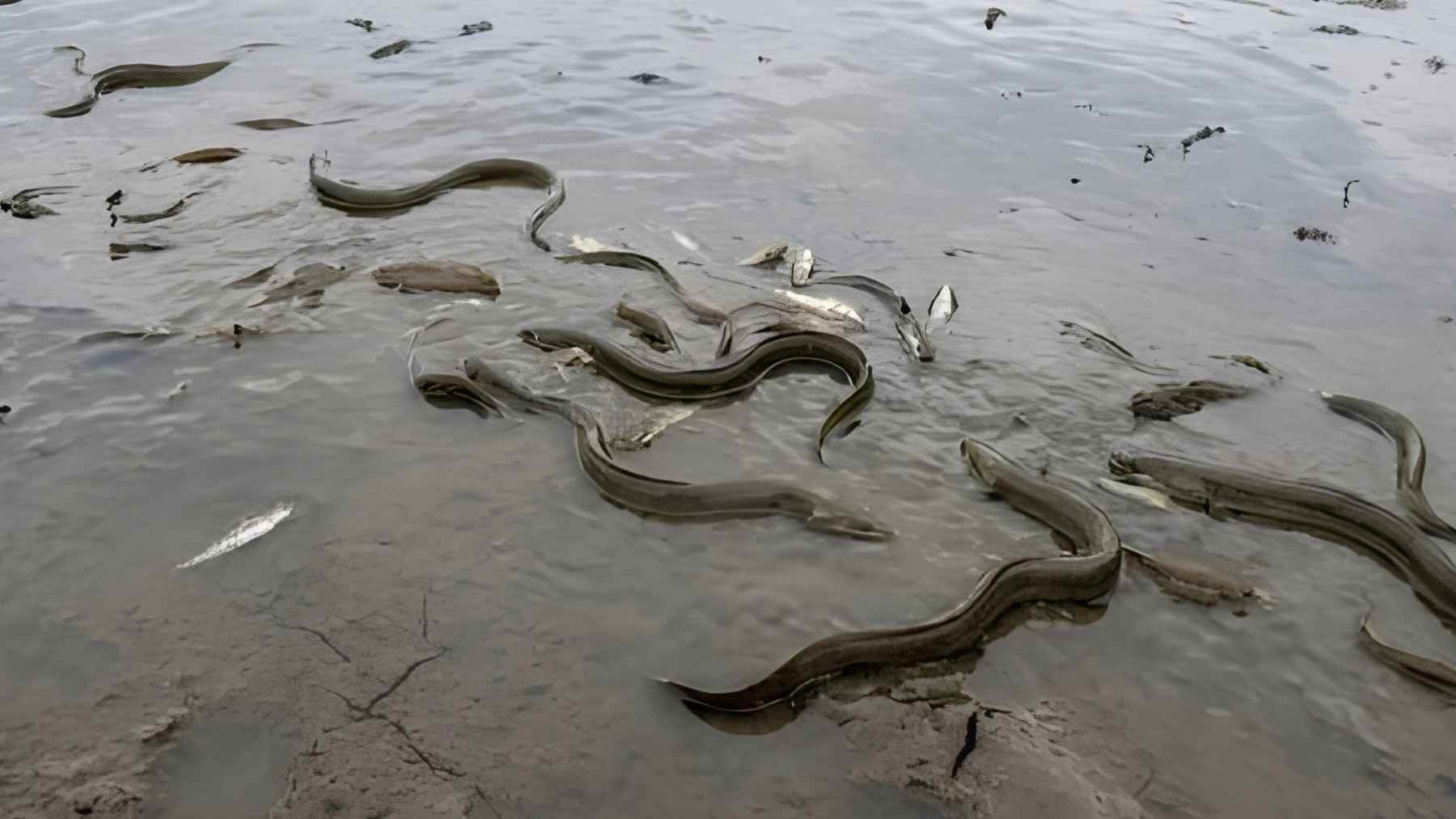
The organization said dead European eels had already been observed in the reservoir. It also urged officials to keep rescuing animals from the little water that remained and to move them to suitable stretches of river or nearby wetlands.
It is easy to think of a reservoir as infrastructure first and habitat second. But for the animals inside it, the distinction does not matter much. When the water disappears, their world disappears with it.
The species under pressure
The most delicate case is the European freshwater blenny, known locally as “pez fraile.” La Rioja’s biodiversity law lists Salaria fluviatilis as endangered in the region, placing it in the regional catalog of threatened species.
The European eel adds another layer of concern. The European Commission notes that the species is listed as critically endangered on the IUCN Red List, with human pressures including fishing, migration barriers, and pollution. A reservoir drawdown is not the only threat it faces, but it can become one more stress at the worst possible time.
There is also the Mediterranean pond turtle, known in Spain as “galápago leproso.” Spain’s natural heritage inventory identifies Mauremys leprosa as native and under special protection, with a vulnerable conservation status in Spain.
What changed after the drawdown
Later statements from the irrigators described a more controlled operation. According to reports, technicians separated invasive and native species, water containers were prepared, and a remaining sheet of water was kept in place so fauna could be preserved.
The valve replacement and testing took place from February 3 to February 9, and water was allowed back into the reservoir on February 6. The Ebro River Basin Authority also authorized about 1,216 acre-feet of water from the Enciso reservoir, which is roughly 396 million gallons, to speed up the refill.
That later account does not erase the earlier concern. It shows something more useful. Reservoir work can move from emergency reaction to planned ecological management, but only if wildlife rescue is treated as part of the job from the start.
A legal and ecological test
La Rioja’s biodiversity law says the region’s natural heritage framework is built around conservation, restoration, sustainable use, and the precautionary principle. Those are not abstract words when fish are crowded into the last pools of a drained reservoir.
There is some nuance here. Reservoirs like El Perdiguero support agriculture, safety, recreation, and local life, so maintenance cannot simply be ignored. At the end of the day, the harder task is making sure the work plan includes wildlife before the first gate opens.
That means gradual drawdowns when possible, water quality monitoring, rescue teams ready to act, and clear destinations for native species. It also means deciding what to do with invasive species without putting protected animals at risk in the same operation.
The lesson from El Perdiguero
For Calahorra, the immediate consequence is already visible in the fishing rules. The Government of La Rioja closed the Perdiguero preserve for the season because of the drawdown needed to replace the dam’s safety valves.
For everyone else, the bigger lesson is simple. As reservoirs, canals, and dams age, more repairs will be needed, and that sticky balance between infrastructure and nature will keep coming back. Protected species should not be discovered only when the mud appears.
The official statement on the 2026 fishing season, including the closure of El Perdiguero after the drawdown, was published on Government of La Rioja.