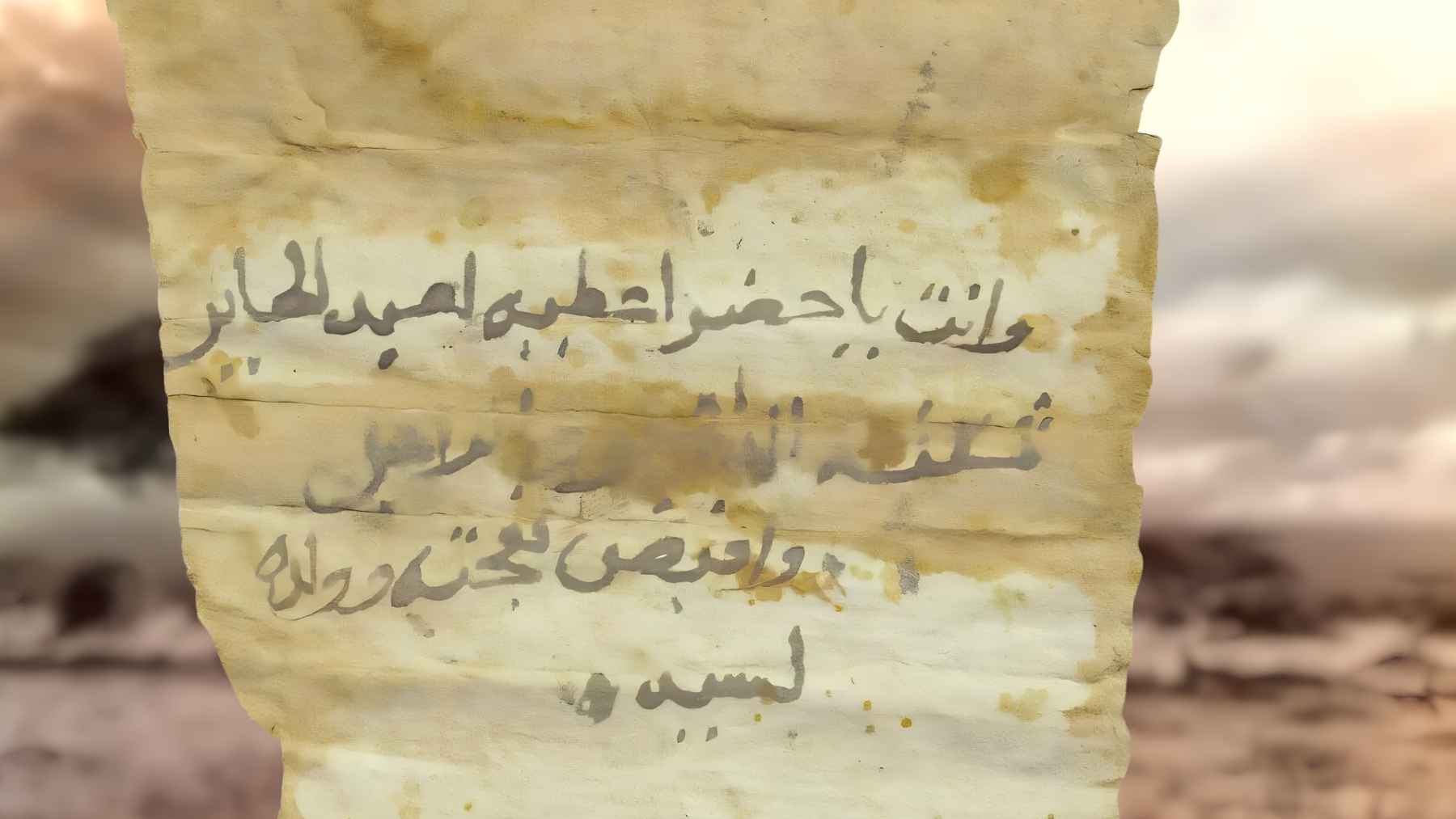
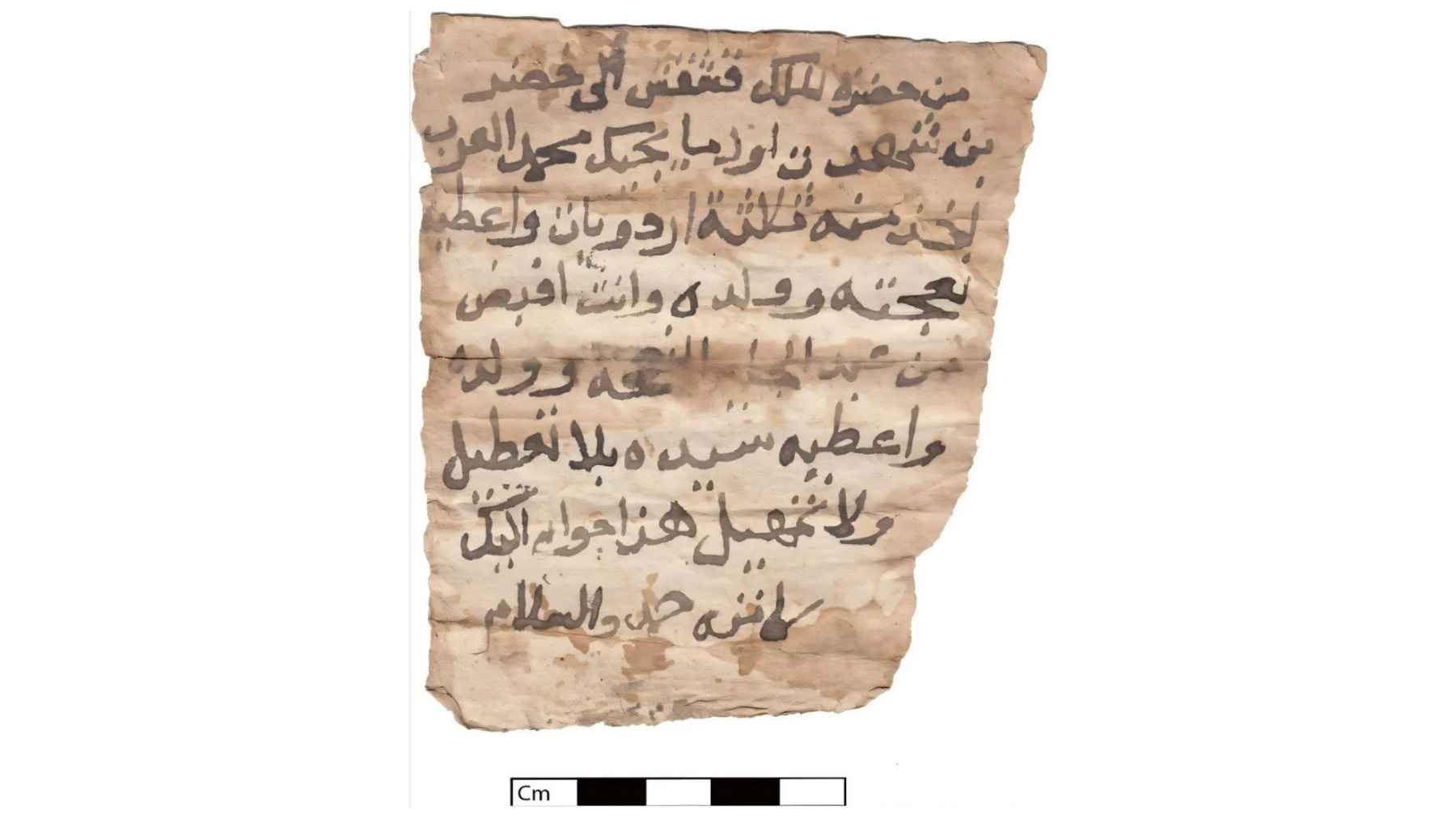
A small Arabic document pulled from a trash heap in Old Dongola, in northern Sudan, has given historians something rare. It provides direct evidence that King Qashqash, a Nubian ruler long treated as partly legendary, was a real political figure with authority over people, goods, and court officials.
The discovery matters because it opens a window into a poorly documented time after Old Dongola lost its role as the capital of Makuria, a powerful Christian Nubian kingdom. Instead of showing a sudden collapse, the letter points to a slower, messier transformation involving Arabic writing, royal patronage, local memory, and changing religious life.
A king steps out of legend
For years, Qashqash was known mostly from later traditions, including a 19th-century work based on stories about Sudanese holy men. That made him difficult to place in history. Was he a real king, a remembered ancestor, or a name shaped by generations of storytelling?
The new document changes the question. It is not a grand royal inscription carved in stone, but an everyday order written on paper. That almost makes it more interesting, because power often shows up in simple records, the kind of note that tells someone what to deliver, collect, or settle.
Tomasz Barański from the University of Warsaw’s Polish Centre of Mediterranean Archaeology led the study of the text. According to the university, the paper order confirms that Qashqash was not just a figure from later memory, but a ruler active in Dongola’s post-medieval world.
Inside Old Dongola
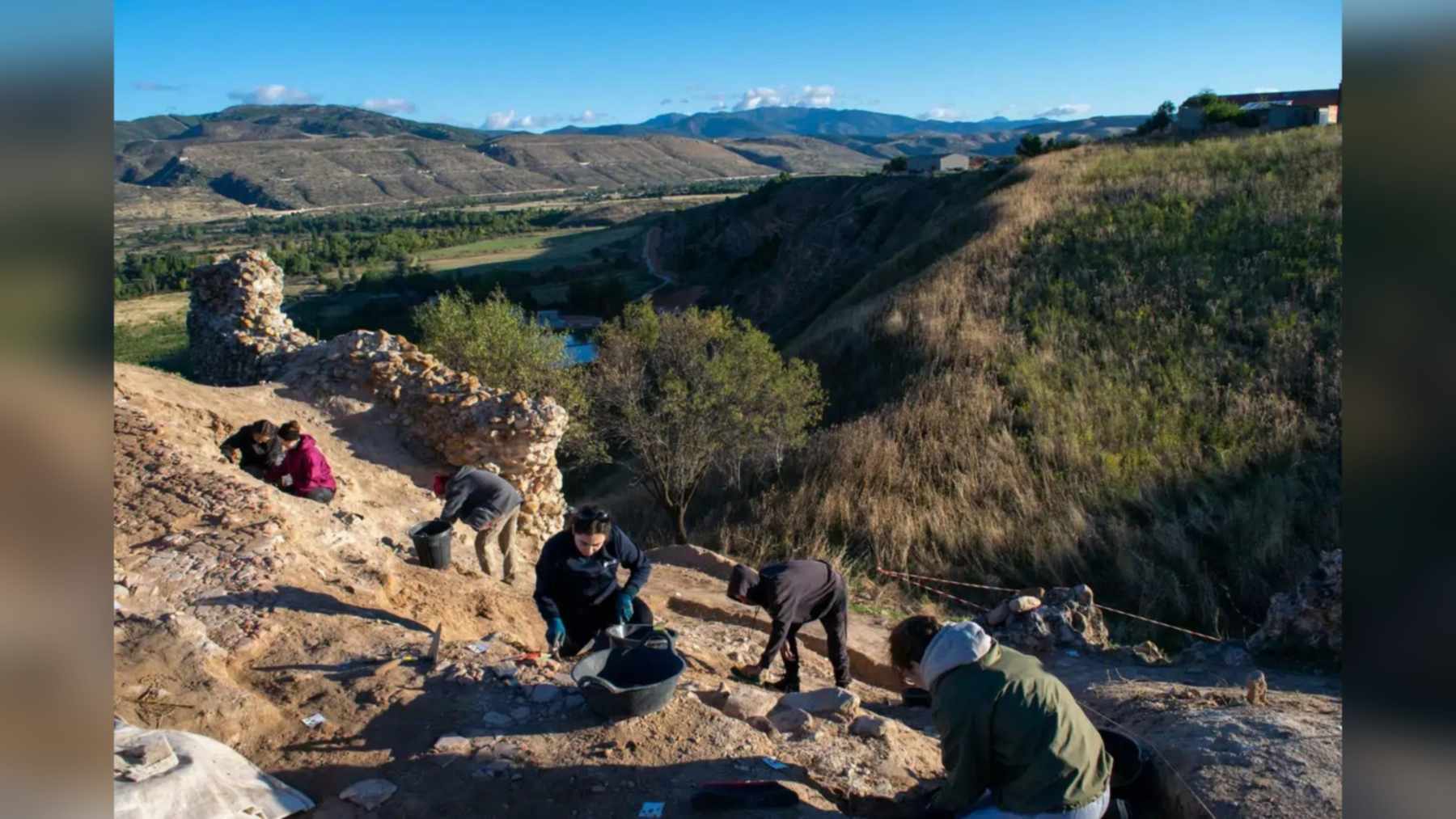
Old Dongola sits along the Nile in present-day Sudan. For centuries, it was the capital of Makuria, one of medieval Africa’s major Christian kingdoms, but by the mid-1300s it had lost that political role.
That later period is sometimes called a “Dark Age” in Sudanese history, but the term can be misleading. It does not mean nothing was happening. It means written records are thin, and historians have had fewer clues to follow.
Nubia was never just a quiet edge of the map. It was a corridor between the Mediterranean world and sub-Saharan Africa, where gold, ivory, enslaved people, technologies, beliefs, and political ideas moved along the Nile. In practical terms, Dongola was changing, not simply disappearing.
Found in the King’s House
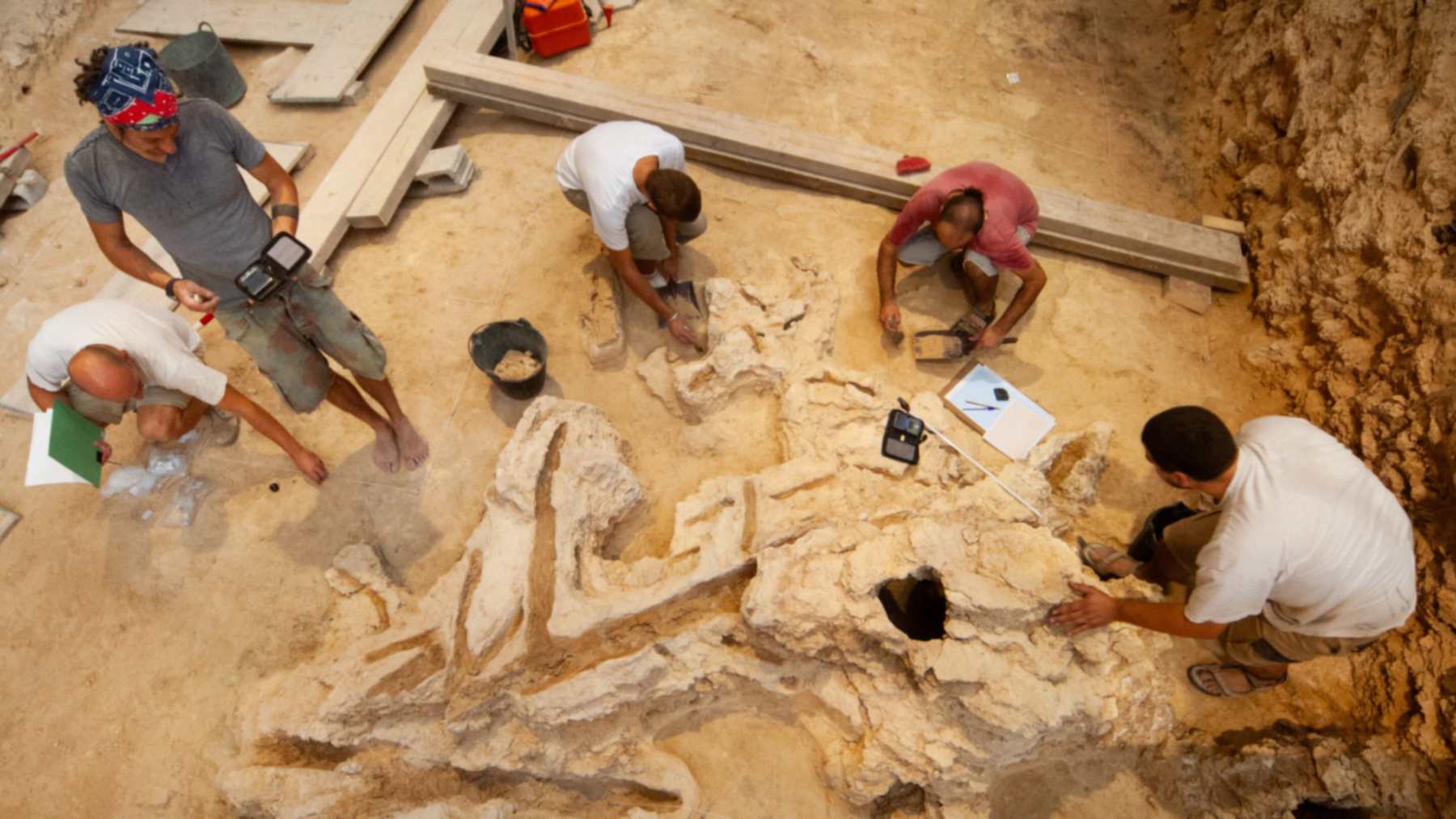
The letter came from Building A.1, a large residence in Old Dongola’s citadel area. Local tradition identifies the ruins as the “King’s House,” and the find gives that memory new weight.
Archaeologists working through the UMMA project, short for Urban Metamorphosis of the Community of a Medieval African Capital City, also recovered signs of elite life there. The finds included cotton, linen, silk, ivory, objects made from rhinoceros horn, and more than 20 Arabic texts.
One of those texts was the order issued in Qashqash’s name. It tells a man named Khidr to take textiles from Muhammad al-Arab, give out a sheep and its young, and recover livestock from Abd al-Jabir. At one point, the instruction is blunt and human. “Do not hesitate!”
Power in cloth and sheep
Why would a short note about cloth and sheep matter so much? Because it shows how authority worked on the ground, far from the polished world of royal titles and victory stories.
The order suggests Qashqash’s court helped move goods through a system of patronage. Patronage means powerful people gave gifts, favors, or protection, and those exchanges helped build loyalty and social rank. It was politics you could hold in your hand.
The possible mention of a head covering is also important, though researchers treat the reading carefully. In Nubian elite culture, such items could signal high status. A small gift, then, may have carried meaning beyond its practical value.
Arabic at the royal court
The letter also tells a language story. Its Arabic was not polished classical Arabic, and the handwriting was not highly formal. Researchers say this fits a setting where Arabic was important, but not yet fully settled as a native language for everyone involved.
That matters for understanding Arabization and Islamization. Arabization means Arabic language and identity became more influential. Islamization means Islamic beliefs, customs, and institutions spread through society.
The key point is pace. This was not a clean overnight switch from one world to another. The document suggests Arabic was already being used by scribes serving Dongola’s rulers around the turn of the 1600s, while many people away from the court probably still spoke local Nubian languages in daily life.
Oral memory mattered
The discovery also shows why local memory should not be brushed aside. The building was still remembered as the “King’s House,” and the name Qashqash remained alive in traditions around Dongola.
Artur Obłuski, who led the European Research Council-backed project behind the excavations, said local residents are partners in the research. That detail is easy to skip, but it matters. Archaeology is not only about objects buried in the ground, but also about the people who live near those places today.
Still, the paper does not answer everything. It does not give a full biography of Qashqash, explain how long he ruled, or settle every question about Dongola’s politics. It gives something narrower, but solid. A king once known mostly through memory now appears in an administrative order.
What comes next?
The wider batch of Arabic texts may reveal more about how letters moved through Dongola. Early analysis suggests a communication network that may have linked court officials, religious leaders, administrators, and perhaps nomadic groups moving through the surrounding regions.
That is where the story gets bigger. A discarded paper scrap, found in a refuse layer, may help connect daily life with political history. Like a receipt found at the bottom of a drawer, it seems ordinary until you realize whose world it records.
For now, Qashqash is no longer just a shadow from tradition. He appears as a ruler involved in textiles, livestock, scribes, and obligations, the practical machinery of power in a changing Nubian city.
The main study has been published in the journal Azania, Archaeological Research in Africa.