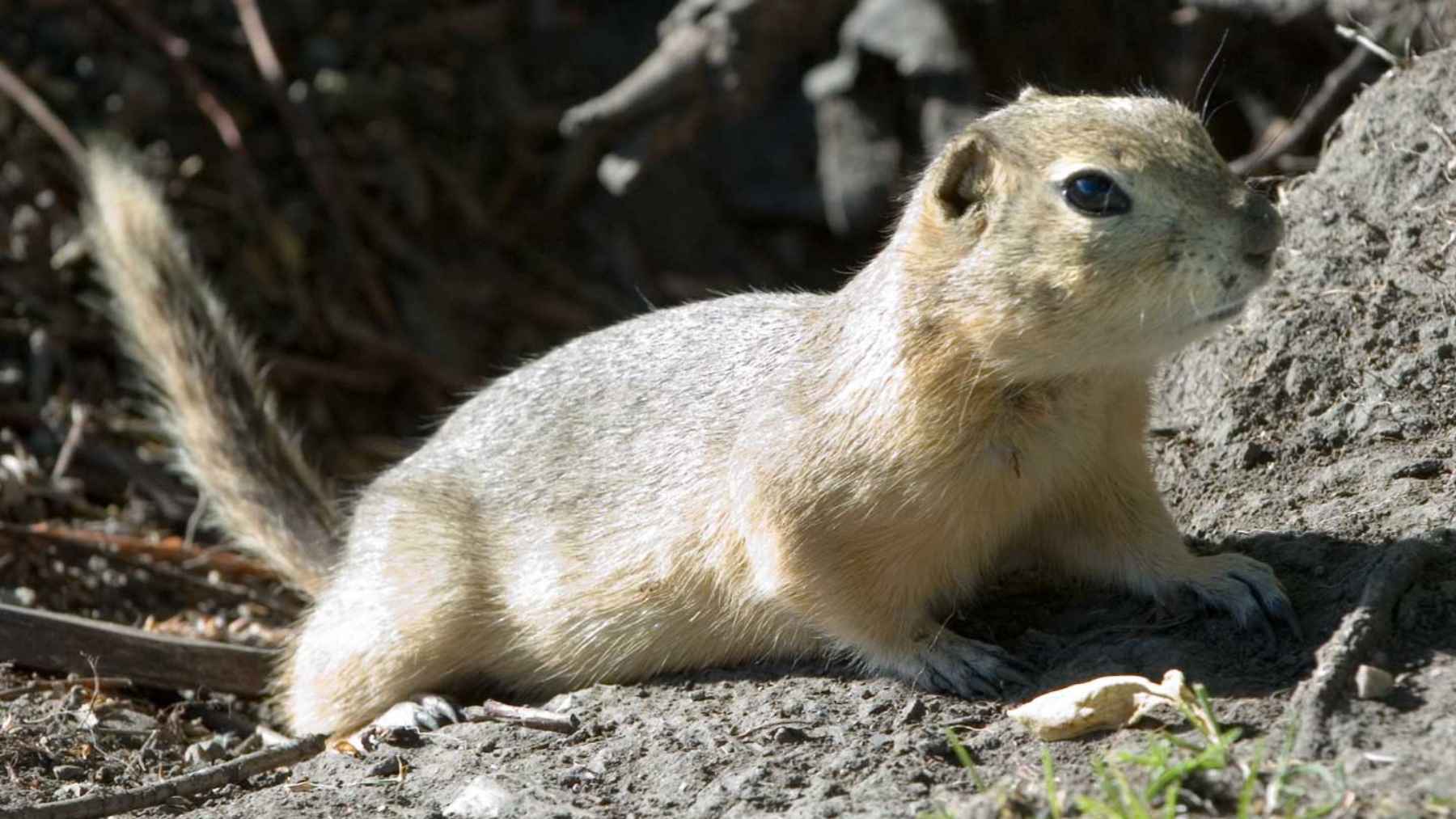
What can a pocket gopher do against a volcano? At Mount St. Helens, the answer may be far more than anyone expected.
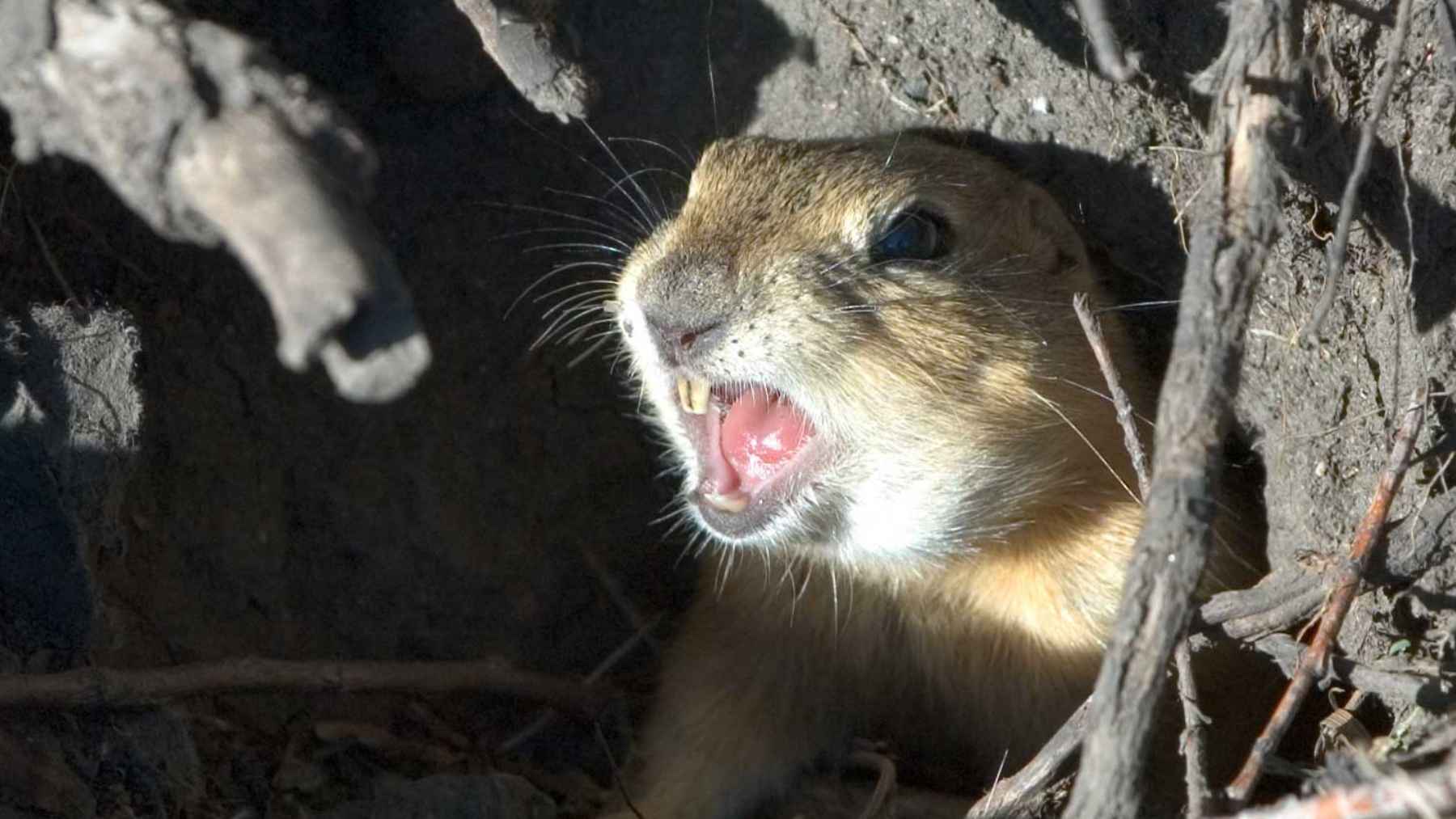
A study of the mountain’s recovering soils suggests that one brief gopher experiment in the early 1980s helped restart an underground recovery process after the famous 1980 eruption. The animals did not rebuild the landscape by themselves, but their digging appears to have moved fungi, bacteria, and older soil toward the surface, giving plants a better shot at coming back.
A mountain changed in minutes
On May 18, 1980, Mount St. Helens erupted after an earthquake and a huge landslide tore open the volcano’s north side. The disaster killed 57 people, leveled forests, and devastated about 230 square miles, leaving whole slopes coated with hot volcanic debris.
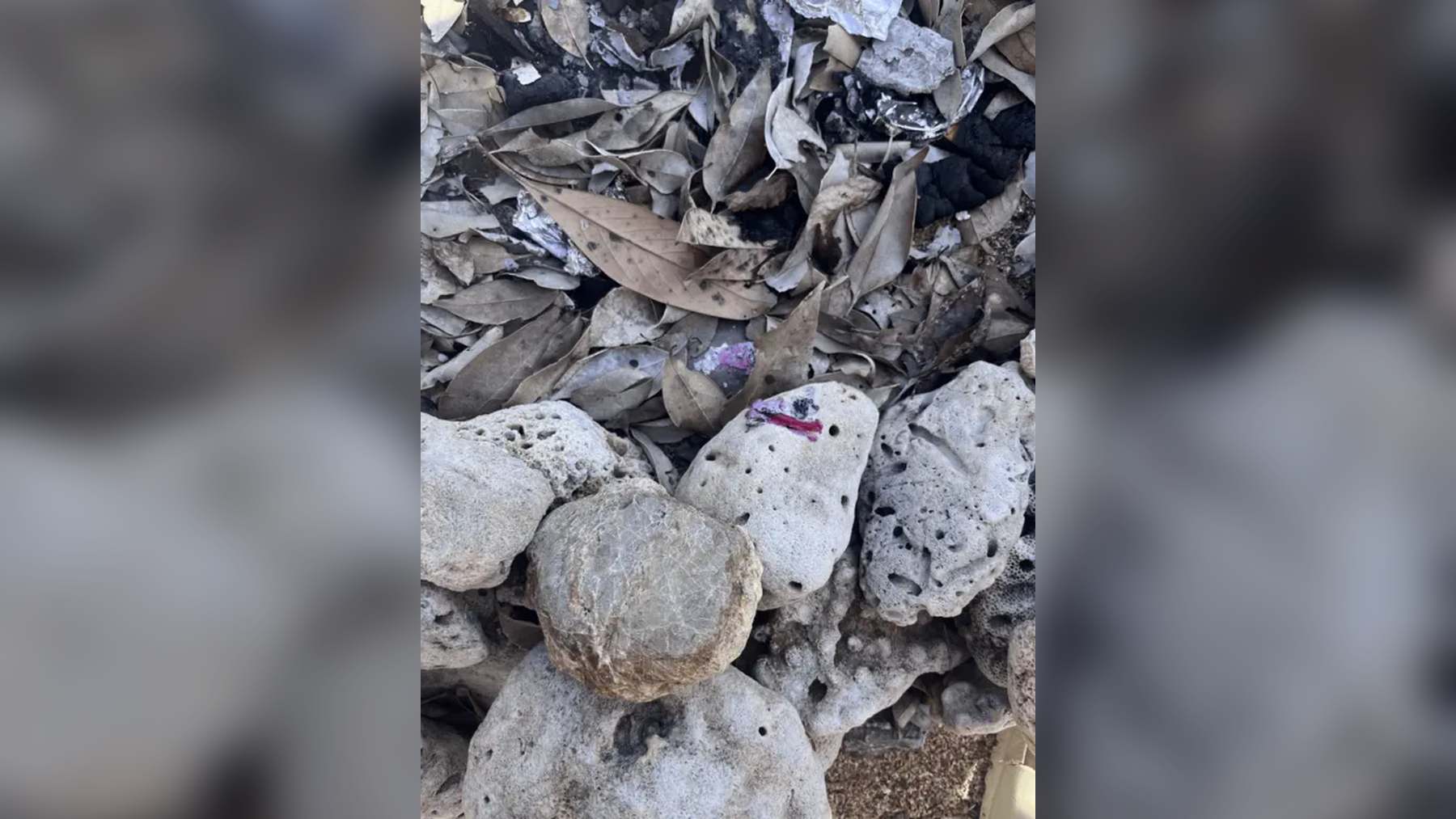
For plants, the damage was not just what people could see from the air. In the Pumice Plain, a broad area made by fast-moving volcanic flows, fresh ash and broken rock covered the old ground so deeply that many useful microbes were buried or destroyed. Tephra, the name for ash and shattered volcanic rock, is not the same as healthy backyard soil.
The one-day gopher test
A few years later, researchers tried something that sounds almost too odd to be real. UC Riverside microbiologist Michael Allen and Utah State University ecologist James MacMahon placed local pocket gophers on small barren plots to see whether their digging could bring older soil back into play. “They’re often considered pests,” Allen later said.
The setup was simple. The animals were kept in small enclosures for only 24 hours, with one reported enclosure covering about 11 square feet around a young lupine plant. Before the test, only about a dozen plants had appeared on the pumice slabs, but six years later, the gopher-treated plots held roughly 40,000 plants while nearby untreated ground remained mostly bare.
Why fungi mattered
The key was not the gopher’s charm. It was the hidden cargo in the soil.
Mycorrhizal fungi are fungi that form partnerships with plant roots. Think of them as thin underground delivery lines. They help plants collect water and nutrients, and in return the plant shares food made from sunlight.
That matters on a raw volcanic surface, where a seed may land but still struggle like a seed dropped onto a driveway. By stirring buried soil, gophers can move fungal spores, bacteria, and even seeds into places where new roots are trying to grow. In practical terms, they may turn a harsh patch of rock and ash into a small starter kit for life.
What the study checked
The later research was led by University of Connecticut mycologist Mia Rose Maltz and examined bacterial and fungal communities from Mount St. Helens recovery sites. The team compared old forest, clearcut land, and long-term lupine plots with and without historic gopher activity, using modern genetic tools to see which microbes were present.
The work also looked at soil chemistry, because recovery is not only about whether a plant appears above ground. Soil needs stores of nutrients and living partners that can keep those nutrients moving.
In the gopher plots, the researchers found long-lasting differences in microbial communities, including more root-associated mycorrhizal types than in similar plots without that gopher history.
Forests told another story
The mountain also offered a second comparison. In an old-growth forest, ash caused many needles from pines, spruces, and Douglas firs to fall, but those needles became food for existing fungal networks. In nearby clearcut areas, where trees had already been removed before the eruption, there was no similar blanket of needles to feed the soil community.
That difference helps explain why some forested areas recovered more quickly than expected. Environmental microbiologist Emma Aronson said, “The trees came back almost immediately in some places.” The trouble is, land without roots, needles, and fungal partners had a much harder road back.
Why it matters now
The gopher story is not a green light to release animals into every damaged ecosystem. Restoration is local work, and what helped on Mount St. Helens might fail, or cause trouble, somewhere else. But the study makes one point hard to ignore, because recovery often begins underground.
That matters after eruptions, fires, floods, and even heavy human disturbance. We often notice the first green shoots, the young trees, or the return of birds. The slower work beneath our feet is easier to miss, even though it can decide whether those shoots survive their first dry spell.
Gophers and the hidden recovery
This idea also fits earlier Mycologia research, which connected pocket gophers with the return of mycorrhizal partnerships in colonizing plants. The newer work adds a longer view, showing that a short burst of animal digging may leave a microbial footprint for decades.
At the end of the day, the unlikely lesson is humble. A volcano can remake a landscape in minutes, but a small burrowing mammal can help decide what grows back, one tunnel at a time.
The main study has been published in Frontiers in Microbiomes.