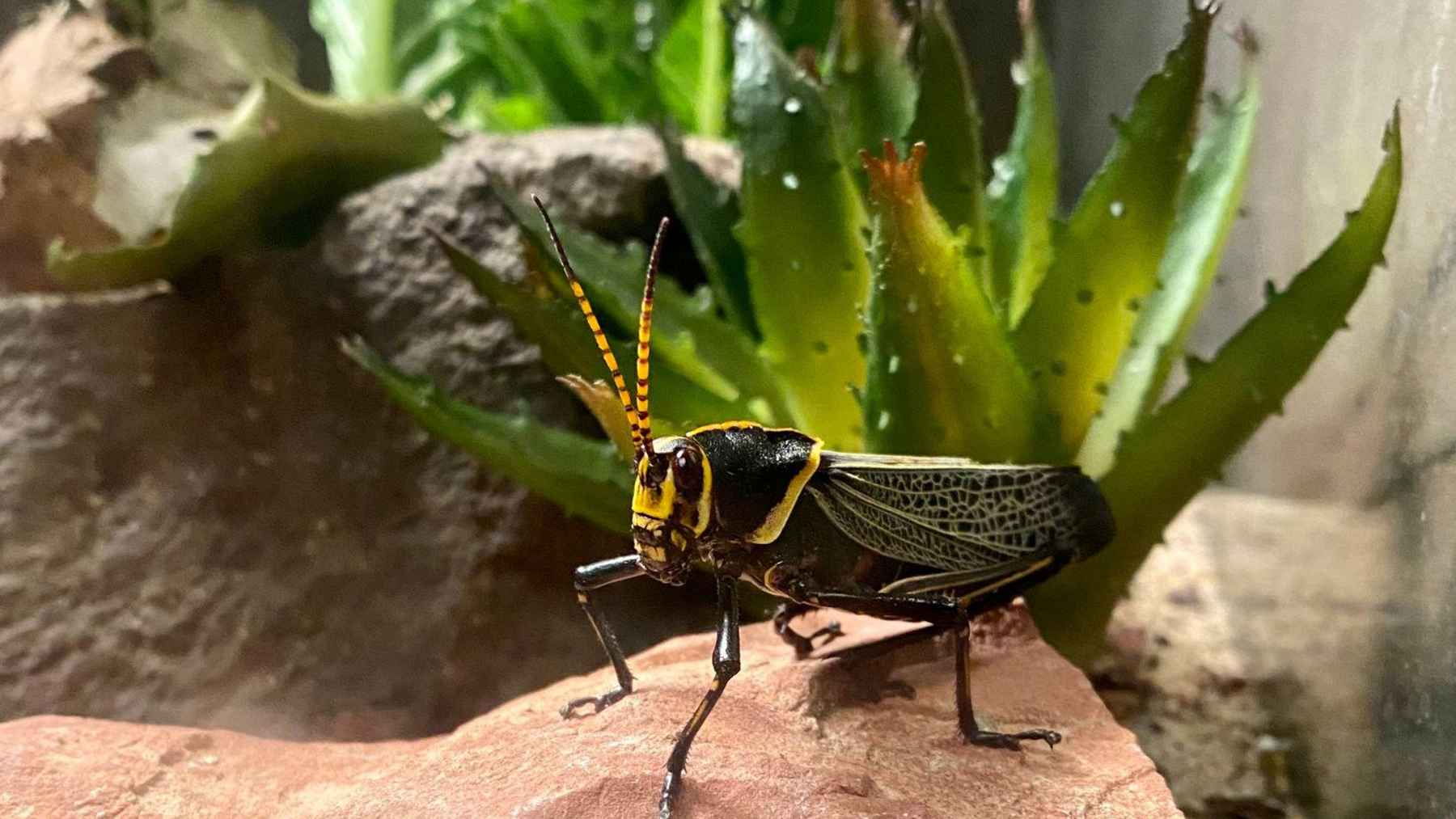
If you hear crickets in your house or garden after dark, it can feel like nature left a tiny alarm clock under the window. The sound may be annoying, especially when the room is quiet, but it is usually not a bad sign.
In many cases, that steady chirp means the area around your home has moisture, plants, food, and shelter. In plain terms, crickets are telling you that your yard or garden still has some living texture, though too many indoors can point to a moisture or entry problem.
What the chirp means
Crickets do not chirp because they are lost. Adult males produce the sound by rubbing parts of their front wings together, a process called stridulation, which means making sound by friction. Rich Zack, an insect scientist at Washington State University, put it simply: “The male sings a very specific song for that species of cricket.”
The song can attract a mate, warn other males to keep their distance, or help mark a small territory. To us, it is background noise. To a cricket, it is a message.
A small environmental clue
Crickets are not wandering into your garden by pure chance. The University of Maine Cooperative Extension says camel, field, and house crickets are drawn to cool, dark, moist, humid places and can feed on plant or animal material. If they hang around, they likely found a pocket of shade, leaves, mulch, grass, or decaying organic matter.
That is why a few chirps outdoors can be a decent sign of balance, suggesting plants and tiny food sources are present instead of a spotless concrete space. Still, it is not a medical test for your yard. It is a clue.
Folklore and biology
Crickets also carry a long reputation as lucky houseguests. In folk beliefs, their sound is often linked with good luck, protection, prosperity, or a peaceful home. That can be a comforting idea on a quiet night.
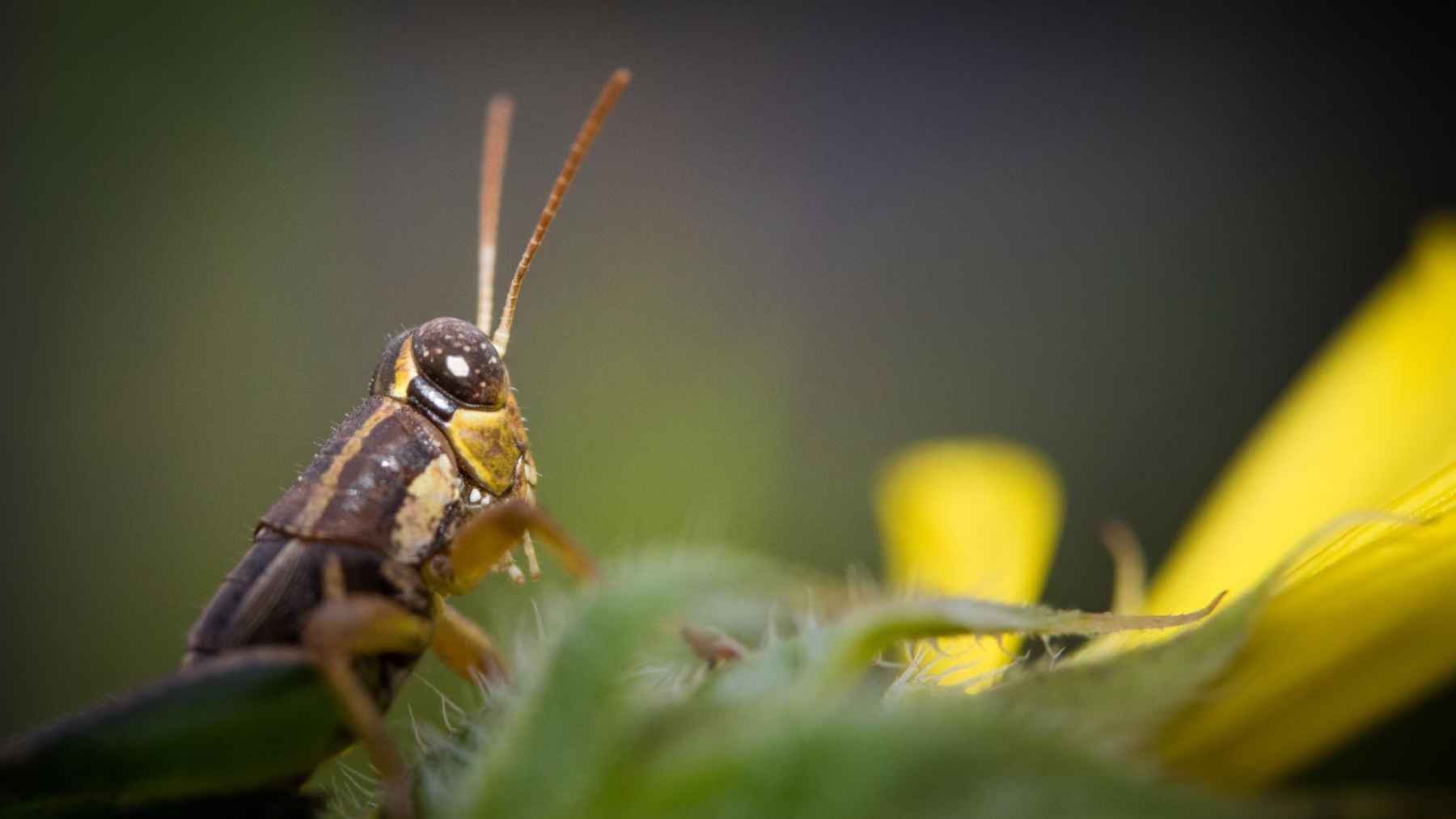
Biology tells a different, more testable story. A cricket nearby does not prove fortune is coming, but it does show that the insect found enough food, humidity, and cover to survive. Both views can exist side by side, as long as we know which one is science.
The natural thermometer
Here is where the chirp gets especially interesting. Crickets are cold-blooded, so their body activity rises and slows with the air around them. On warm nights, they usually chirp faster, while cool air can make the rhythm drag.
NOAA’s education program explains the popular shortcut people use on summer nights, counting chirps for a brief stretch and converting that count into a rough Fahrenheit temperature. The idea traces back to Amos Dolbear, whose 1897 observations made crickets famous as natural thermometers. It is neat backyard science, not a replacement for the weather app on your phone.
The caveat matters. A University of Nebraska entomology lesson notes that some crickets do not chirp well below 55 degrees Fahrenheit or above 100 degrees Fahrenheit, and that age, hunger, mating success, and nearby rivals can change the rhythm. So yes, the chirp can hint at temperature, but it is still coming from a living insect, not a calibrated instrument.
Why night sounds louder
Crickets may be present during the day, but nights are when we notice them. University of Maryland Extension notes that house and field crickets are more active after dark, and lights near doors or windows can draw them closer to the places where people are trying to sleep. The result is familiar: a tiny chorus outside the screen while the house finally goes quiet.
Recent University of Exeter research adds another piece to the puzzle. Joe Wilde and colleagues found that male field crickets may sing along with other males a few yards away, but are less likely to keep singing when a rival gets within about three feet. In other words, the nighttime noise is not random static – it is social behavior.
When there are too many
One cricket in the garden is usually nothing to worry about. Dozens inside the house are different, especially if the sound comes from a basement, laundry room, or cluttered storage area. Clemson University says many crickets like moist areas such as tall grass, weeds, mulch, and wood piles, and some can chew fabrics or other materials indoors.
Start with the easy fixes. Mow tall grass, remove piles of wet leaves, keep mulch and firewood away from the foundation, and seal gaps around doors, windows, vents, and pipes. It is basic home maintenance, but it can cut down on hiding places without turning the yard into a dead zone.
Light matters too. Oklahoma State University Extension recommends sealing small openings and turning off outside lights at night when crickets become a nuisance, a move that can also help the electric bill. If porch lighting is needed, yellow bug lights or motion lights may reduce the attraction without leaving the doorway dark.
What it means for home
So, what does it mean if you hear crickets tonight? Most of the time, it means your home has a nearby patch of moisture, cover, vegetation, and food. That can be a healthy outdoor signal when the insects stay outside and numbers remain low.
If the sound moves indoors, take it as a practical reminder to check leaks, clutter, lights, and cracks, not as a reason to panic. The goal is balance, not total silence. A garden can be alive without becoming a bedroom soundtrack.
This research was published in The American Naturalist.