If wildfire smoke has ever turned your afternoon sky an eerie orange, it can feel like a modern curse of a warming world. New research suggests something surprising and grounding. Fire was already reshaping forests when dinosaurs were still a new idea.
An international team studying fossil charcoal from the Madygen Formation in southwest Kyrgyzstan reports clear evidence of wildfire near the Ladinian to Carnian transition of the Triassic, about 237 million years ago.
Beyond the headline, the work adds a deeper message that fire is not just a disaster but an ancient ecological force whose effects depend on climate, vegetation, and how a landscape is managed.
A Triassic fire record pulled from lake mud
The new study describes charcoalified gymnosperm wood preserved in lake sediments at Madygen, a fossil site known for exceptional preservation of life from the interior of Pangaea. The authors say these charcoals provide evidence that wildfire occurred near the Ladinian to Carnian transition in the Madygen area.
This is not a story about giant logs or dramatic tree stumps. The burned wood fragments can be tiny, and in the paper measurable pieces range from roughly 0.01 inches to about 0.8 inches long. That small size helps explain why a wildfire record can sit in a rock collection for decades before anyone spots it.
The research team also notes that the material was recovered from lacustrine strata, meaning lake deposits. In practical terms, that suggests burned plant debris was likely washed into the lake from surrounding land after a fire rather than burning underwater.
Charcoal is the fingerprint of ancient fire
In the fossil record, charcoal matters because it forms when plant tissue is heated in a way that preserves microscopic structure rather than letting it fully rot away. Dr. Philippe Moisan of the University of Atacama has explained that “palaeofires,” show up as charcoal that researchers examine with a scanning electron microscope to confirm burning and study wood anatomy.
That anatomy is more than trivia. The study says Madygen’s plant fossils were previously known mainly as impressions, so charcoalified wood offers a new window into what kinds of woody plants were actually growing near the lake when fires burned.
The authors identify the fragments broadly as gymnosperms, the group that includes conifers and their relatives. They also describe multiple wood types, which hints at a more diverse woody landscape than the impression fossils alone had revealed.
Why Madygen is such a big deal
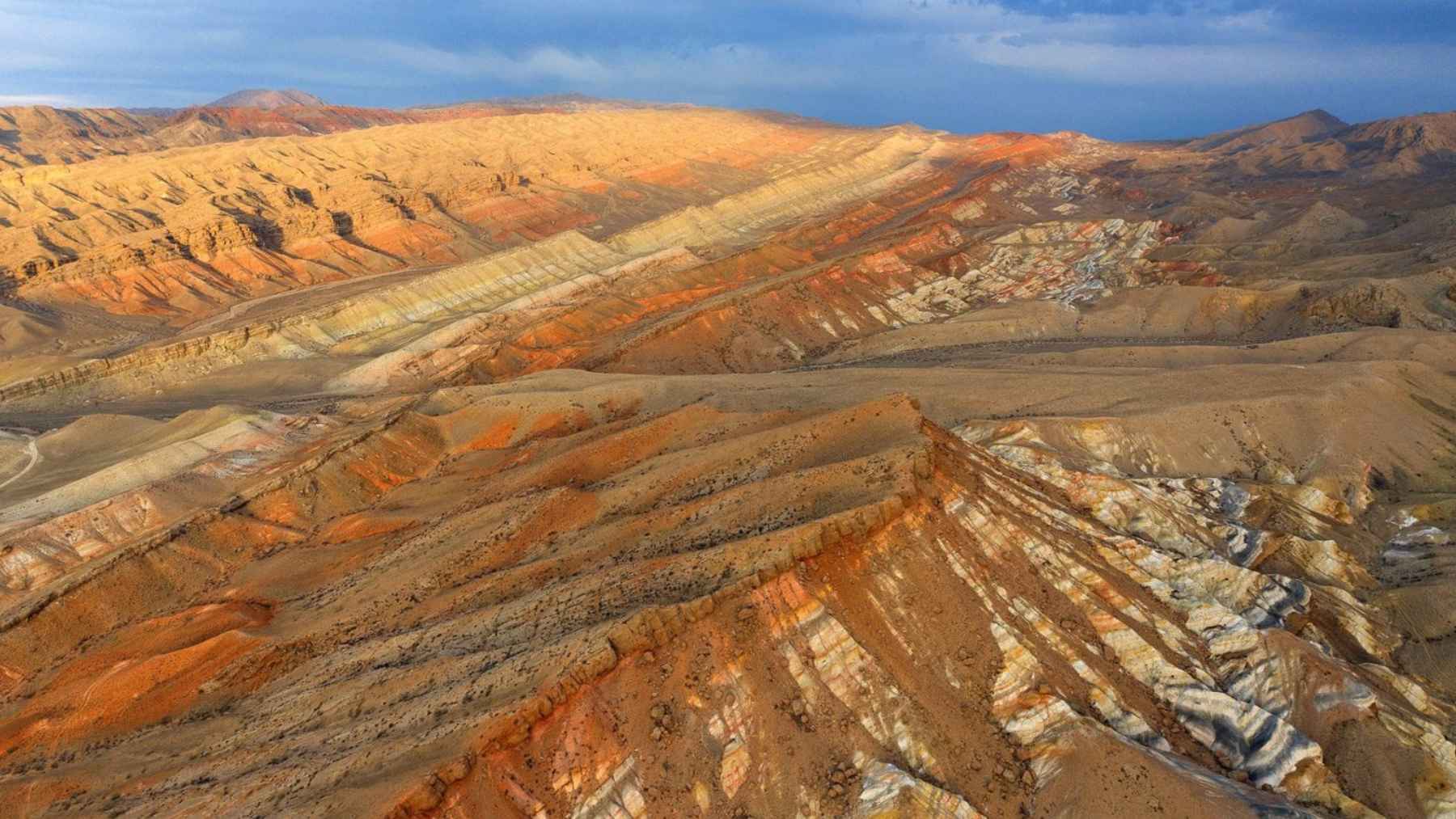
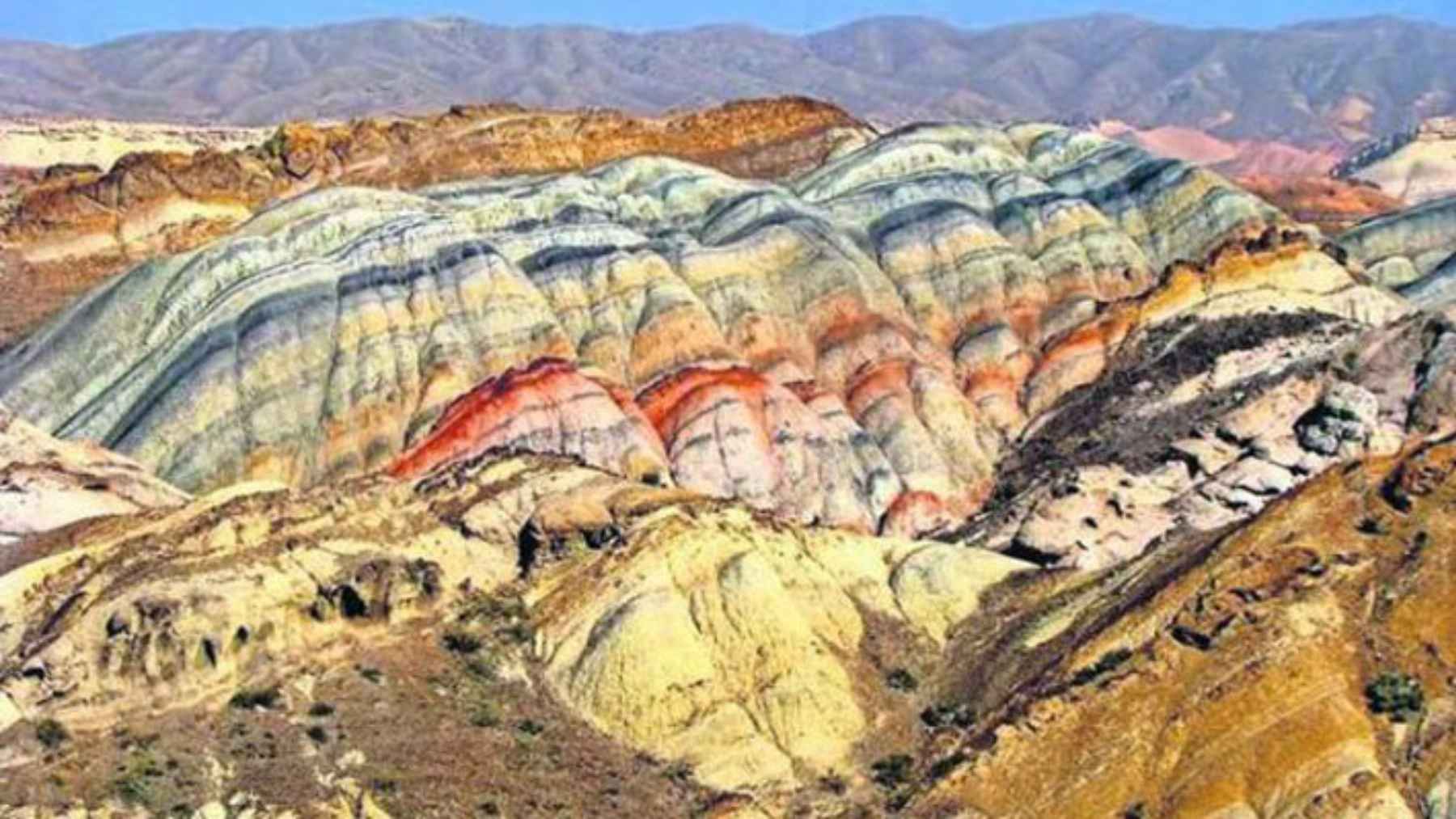
Madygen is not just a place with old rocks. It is considered a fossil “Lagerstätte,” a term used for sites with unusually abundant fossils and exceptional preservation, and the locality preserves plants, insects, invertebrates, and vertebrates from the Middle to Late Triassic.
The numbers help explain why paleontologists care so much. Researchers have reported more than 25,000 fossil insect specimens from Madygen, and scientific summaries describe the Madygen Formation as a roughly 560 meter thick package of lake, river, and alluvial deposits (about 1,837 feet), dated to around 237 plus or minus 2 million years.
It also stands out because it captures an inland ecosystem with little to no marine influence, which is rare for deposits of this age in Central Asia. Think rivers feeding a large lake, not a coastline.
Fire as an ecosystem force in deep time
What does a 237 million year old burn scar have to do with ecology today? The authors frame their find as more than a local curiosity because it extends the wildfire record for the studied interval and supports a broader pattern of Triassic fire activity.
By compiling an updated database of Triassic wildfire proxies, they argue wildfire likely occurred across the entire Ladinian and Carnian time span, even if the global record is still patchy. That is a useful reminder that absence of evidence is not always evidence of absence, especially when the evidence can be as small as a grain of pepper.
They also point out a constraint on any fire story, whether ancient or modern. Combustion needs enough fuel and enough oxygen, and some reconstructions suggest Triassic oxygen levels may have been higher than today’s 21%, which would make landscapes easier to ignite once vegetation recovered after earlier crises.
What this does and does not say about today’s wildfires
It would be a mistake to read “fires happened 237 million years ago” as a reason to shrug at today’s crises. The deep time record mainly shows that Earth can produce fire whenever the ingredients line up, not that modern fire seasons are normal or inevitable.
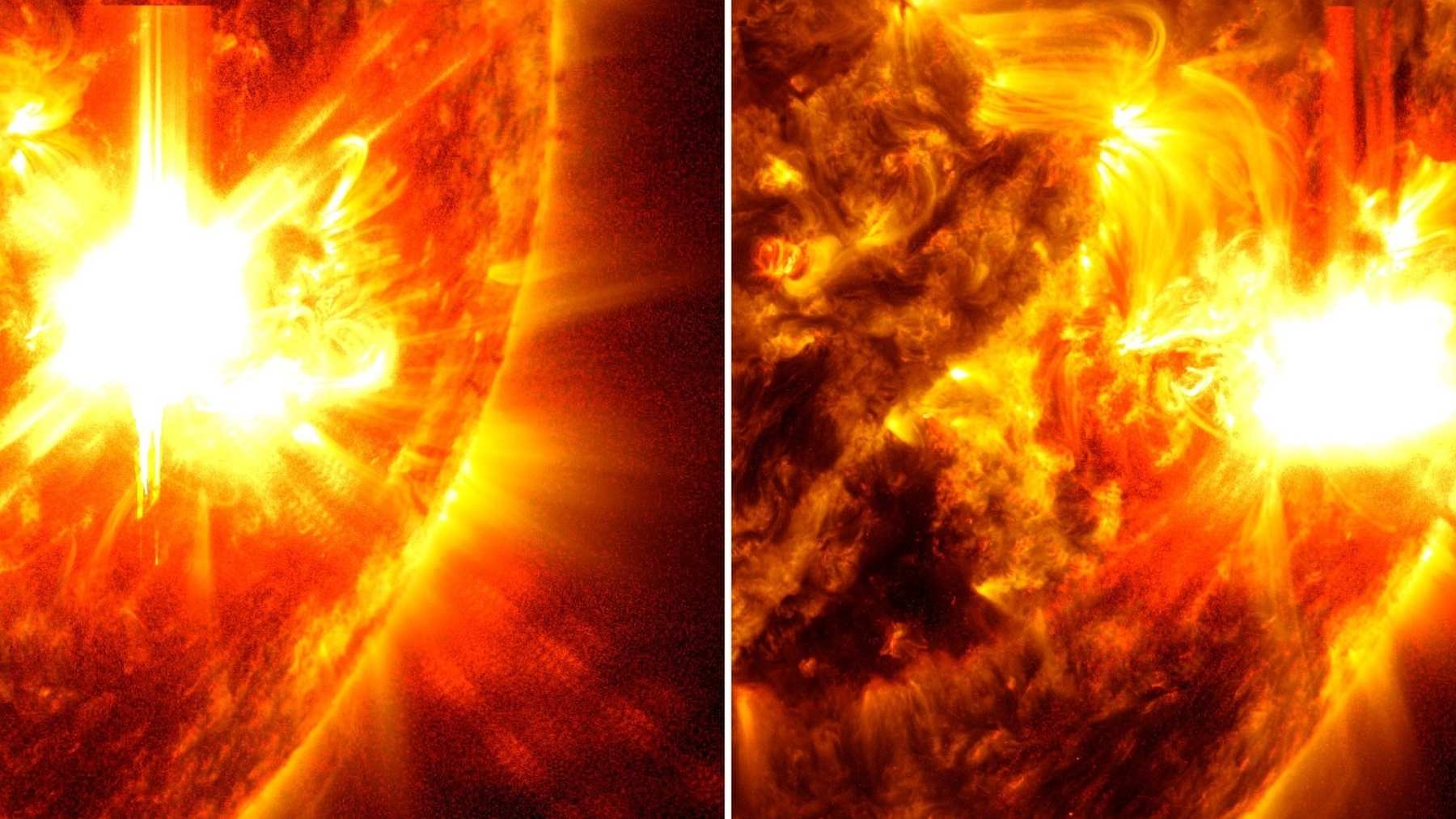
Today, those ingredients are being shifted by human activity. NASA notes that extreme wildfire activity has more than doubled worldwide and that fire weather is becoming more favorable for large fires, while the IPCC concludes that human-caused climate change has increased the warm and dry conditions that favor wildland fires in regions like North America.
And the carbon stakes are huge. The European Space Agency has reported that over 8 billion metric tons of CO2 entered the atmosphere during the March 2024 to February 2025 fire season, about 8.8 billion US tons. When a forest flips from storing carbon to releasing it, the climate math gets harder.
What researchers hope to learn next
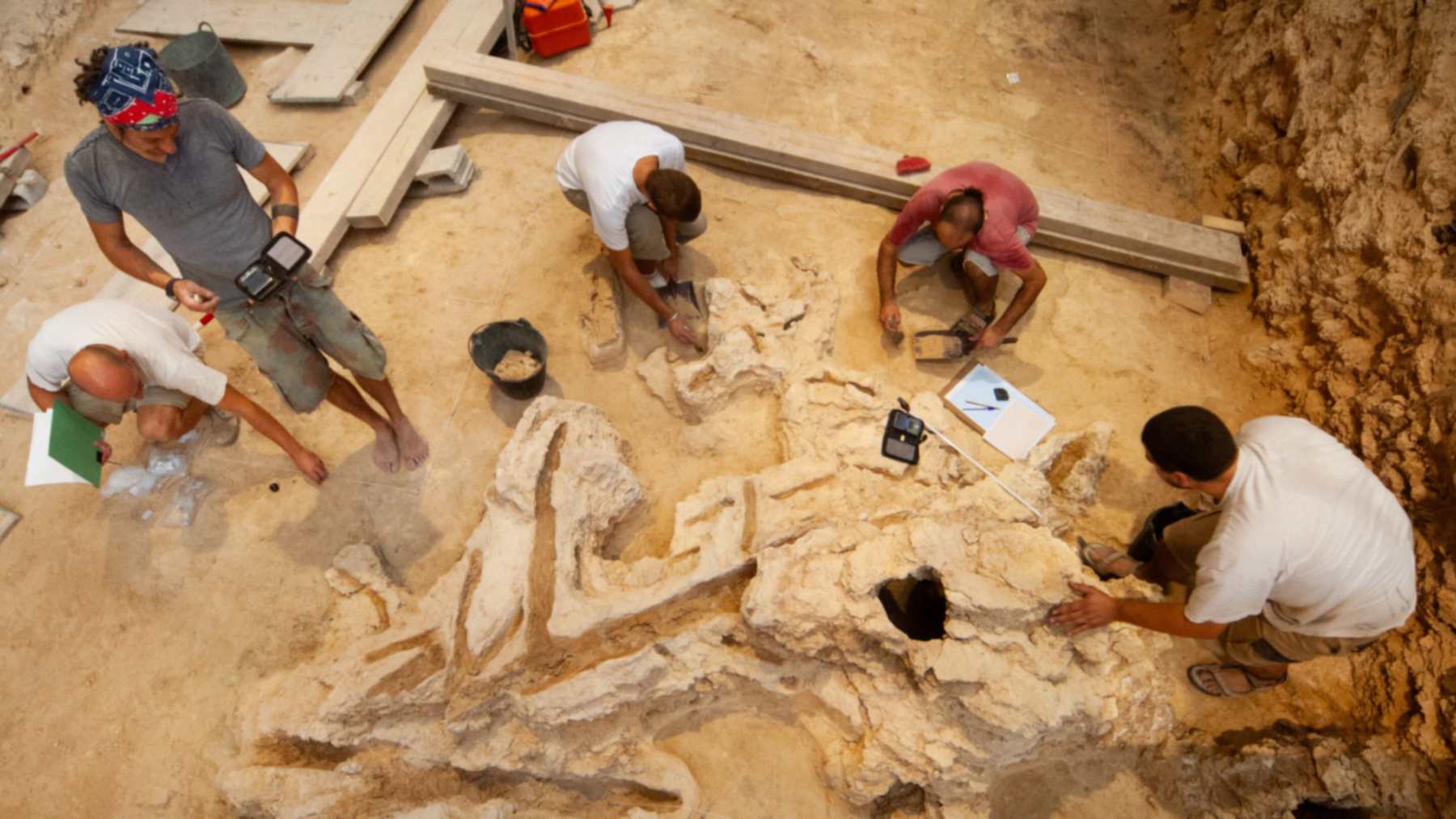
This discovery is also a reminder that field science still matters, even in an era of satellites and supercomputers. Moisan has said the team’s last expedition to Madygen was in 2009, and they plan to return in August 2026 after a long gap linked to armed conflicts, with international collaborators and students joining.
For readers, the practical takeaway is simple but powerful. Fire has been part of Earth’s story for hundreds of millions of years, but the way it shows up in our lives depends on today’s climate and choices, from forest management to the fuels we burn.
The study was published in Review of Palaeobotany and Palynology.