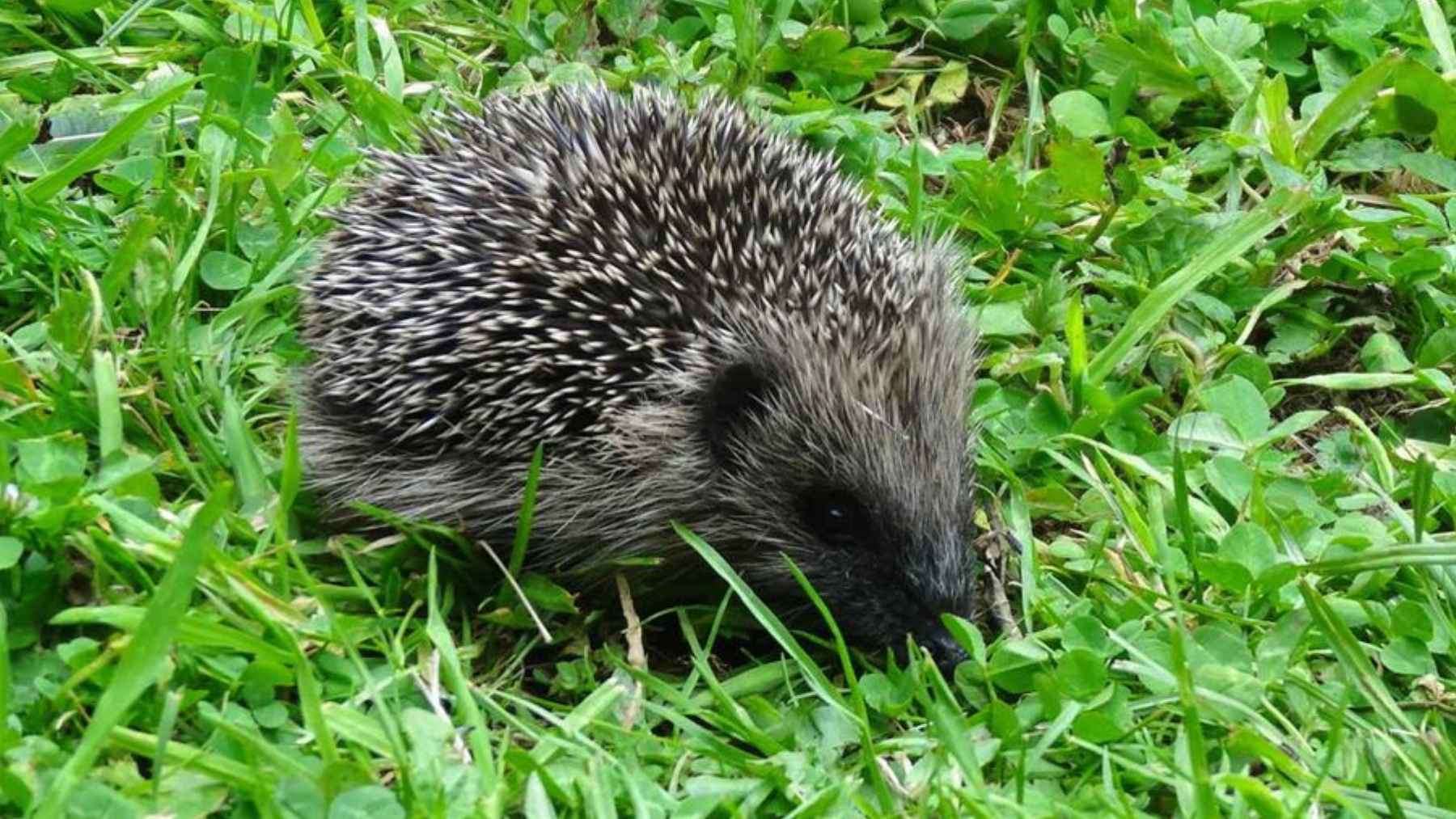
Type “group of hedgehogs” into a search bar and you will get an answer that sounds like it was coined by a poet. A group of hedgehogs is often called a “prickle,” a word that basically captures what you would feel if you tried to touch one (please do not).
The bigger story is that, across much of Europe, hedgehogs are becoming harder to spot at all. In an October 2024 update, the Western European hedgehog (Erinaceus europaeus) was moved from “Least Concern” to “Near Threatened” on the IUCN Red List, after evidence of widespread declines in many parts of its range.
A “prickle” is the word
Collective nouns are a quirky corner of English, and they tend to stick when they sound right. “Prickle” is widely listed as the go-to term for hedgehogs, and you’ll sometimes see “array” mentioned too, depending on the reference you check.
The word choice is not random. In everyday English, a “prickle” is a sharp point or stinging sensation, which makes it a perfect match for an animal whose spines are made of keratin and are often around 0.8 to 1.2 inches long.
Why you almost never see one
Even if the word exists, hedgehogs do not make it easy to use. They move under cover of darkness, roaming for food, nesting spots, and mates, which means a “group” is more likely to be a brief overlap than a lasting hangout.
That roaming can add up. Conservation groups note that hedgehogs may cover around 1.25 miles a night on average, and other guidance puts nightly travel in the 0.6 to 1.2 mile range, which is a long way when your legs are only a few inches off the ground.
Season and weather also change what “normal” looks like. In colder climates, hedgehogs hibernate for months, and animal welfare groups note that mild winters can keep them active later into the year.
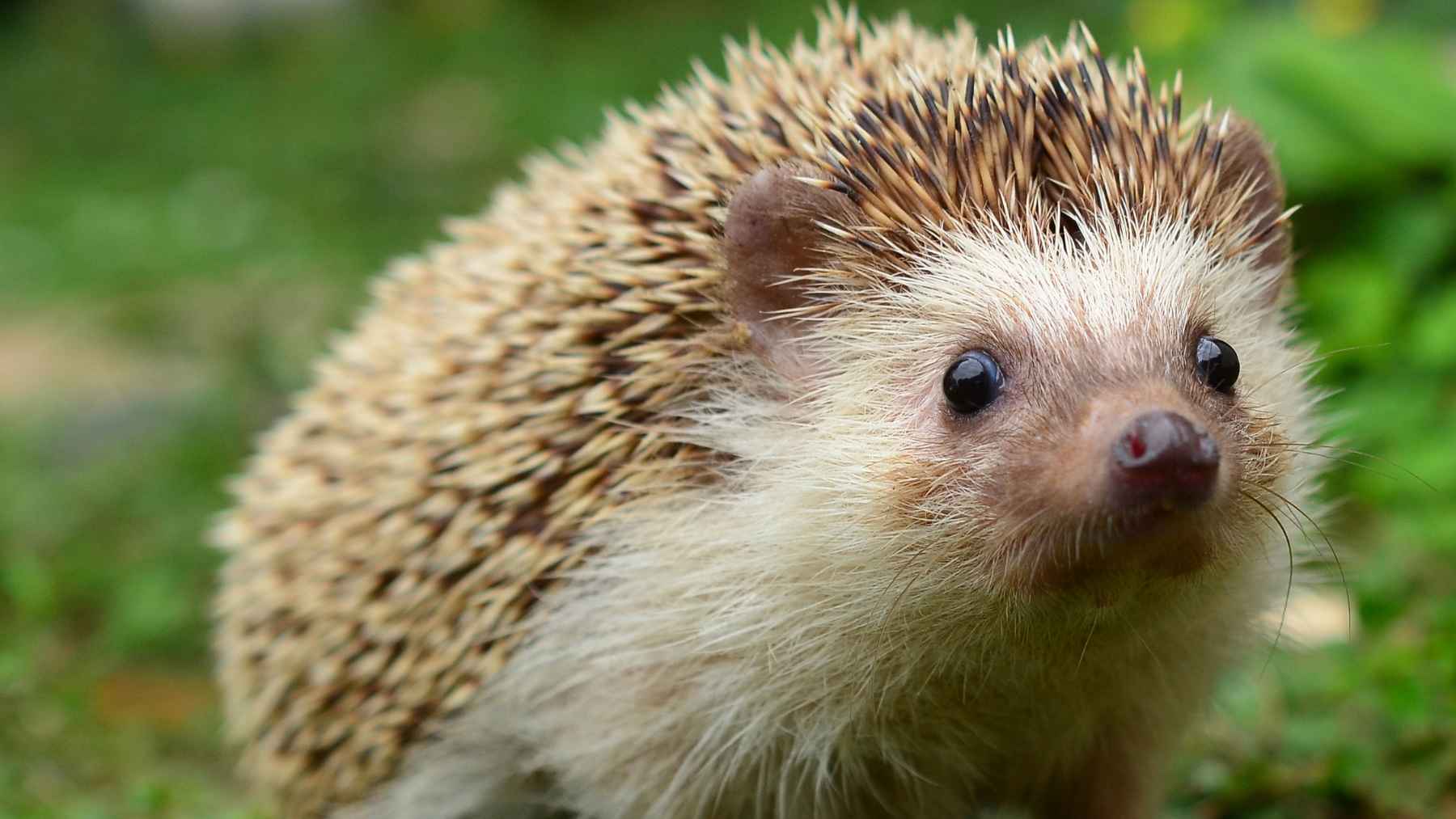
The IUCN downgrade puts hedgehogs in the spotlight
The “Near Threatened” label is not just a symbolic nudge. The Mammal Society says the status change reflects a decline “approaching, or exceeding, 30% in 10 years” across many areas, while also stressing real uncertainty in what we still do not know.
IUCN’s own summary of the 2024 update adds more detail. It says the species’ numbers are thought to have shrunk in more than half the countries where it lives, with estimated national declines of about 16% to 33% over the past decade, and even steeper drops reported in places like Bavaria and Flanders.
For the most part, the drivers are painfully familiar. Habitat loss and fragmentation from intensive agriculture, roads, and urban development show up again and again, and pesticide use can hit hedgehogs both by reducing insects and through direct exposure.
Gardens can be tiny wildlife corridors
Here is the twist that makes this story feel personal. In Britain, researchers compiling the State of Britain’s Hedgehogs report describe a stark split between urban and rural populations, with urban areas looking more stable while rural populations have continued to decline by between about a third and three-quarters over the last two decades.
The same report tries to put a number on it, even with big caveats. It cites a 2018 estimate of about 879,000 hedgehogs in Britain and suggests gardens and other urban green spaces may hold on the order of 200,000 to 250,000 of them.
So what does a “wildlife corridor” look like in real life? Sometimes it looks like a 5-inch by 5-inch opening cut at the base of a fence, a simple “hedgehog highway” idea meant to reconnect yards so hedgehogs can keep moving on.
What genetics is starting to reveal
Population declines are one thing, but fragmentation has a quieter consequence that can take longer to notice. A 2025 open-access study in the journal Ecology and Evolution analyzed hedgehog mitochondrial DNA across Greater London and surrounding areas and found that local genetic diversity varied within the region.
The authors also report “some evidence” consistent with genetic isolation in parts of central London, including an absence of certain haplotypes in urban sites, which they suggest could reflect limited dispersal and local bottlenecks. They recommend broader sampling across the UK because these patterns can shape long-term conservation decisions.
Same animal, different ecological role
If you are reading this from the United States, one detail matters. Encyclopaedia Britannica describes hedgehogs across parts of Eurasia and much of Africa, and notes the Western European hedgehog has been introduced to New Zealand, while reporting has long pointed out hedgehogs are not native to North America.
That context changes the “what should I do” question. In New Zealand, for example, the Department of Conservation lists hedgehogs among animal pests, noting they are widespread and largely insect-eating, which can put pressure on native species in some habitats.
If you want more prickles, start with small changes
For people living in places where hedgehogs are native and declining, local actions still add up. Conservation groups keep coming back to the same basics such as leaving a shallow dish of water out during dry spells, cutting pesticide use, creating shelter with log piles or purpose-built boxes, and making sure yard work (string trimmers, brush clearing, bonfires) does not accidentally hit a hidden nest.
Data matters too, not just good intentions. Long-running surveys that track hedgehogs in neighborhoods and green spaces rely heavily on public reports, and those records help scientists separate real population change from simple shifts in how often people look.
The study was published on UCL Discovery.