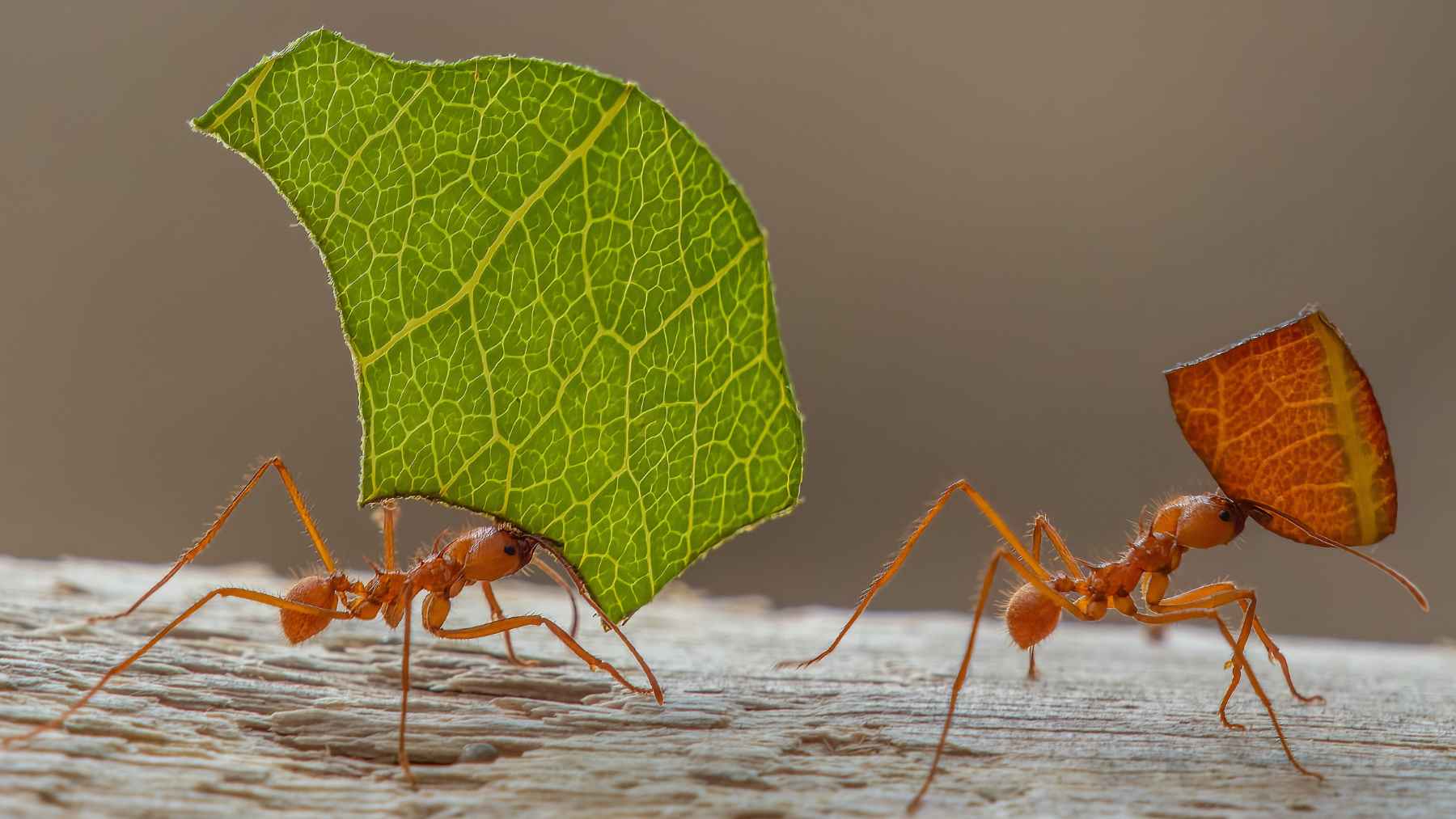
A wildlife trafficking story in Kenya has shifted from elephants and rhinos to creatures small enough to fit inside a tube. In April, a Chinese national was sentenced to one year in prison and fined about $7,700 after authorities found more than 2,200 live ants in his luggage, including 1,948 Messor cephalotes, known as the giant African harvester ant.
The concern is not just the oddness of the cargo. Kenyan officials and scientists warn that removing wild queen ants can wipe out future colonies that help move seeds, improve soil, and support grassland food webs. And when those ants are moved somewhere they do not belong, they may become a new biosecurity problem too.
A tiny cargo with big value
Kenya’s ant cases are no longer isolated. In 2025, authorities arrested two Belgian teenagers, a Vietnamese man, and a Kenyan national over roughly 5,440 giant African harvester queen ants. A Nairobi court later fined each of the four about $7,700, while a magistrate said the ants could have fetched more than $900,000 online.
The packaging points to something more organized than a casual souvenir hunt. INTERPOL said more than 5,000 Messor cephalotes ants were hidden in 2,244 plastic test tubes and syringes with cotton wool, designed to keep them alive for up to two months and avoid airport detection.
Why so much trouble for an ant? Collectors prize these insects because of their size, color, and complex colony behavior. In the pet trade, the appeal is simple enough to understand, but the ecological cost is much harder to see from behind a glass ant farm.
Why queens matter?
In an ant colony, a queen is not just another individual. She can found a colony that produces workers and soldiers for years, and some colonies can last decades. Remove one queen, and you may be removing an entire future society.
So collecting thousands of queens is not like scooping up a few insects from the ground. It can mean thousands of lost colonies, and the effects may build slowly through weaker seed movement, fewer soil tunnels, and reduced nutrient cycling. The damage does not always arrive with drama. Sometimes, it creeps in grain by grain.
Kenya Wildlife Service has emphasized that these smaller species play an irreplaceable role in soil health and food chains. That matters because wildlife protection is often built around the animals people can see from a safari vehicle, not the tiny workers underfoot.
Grassland farmers
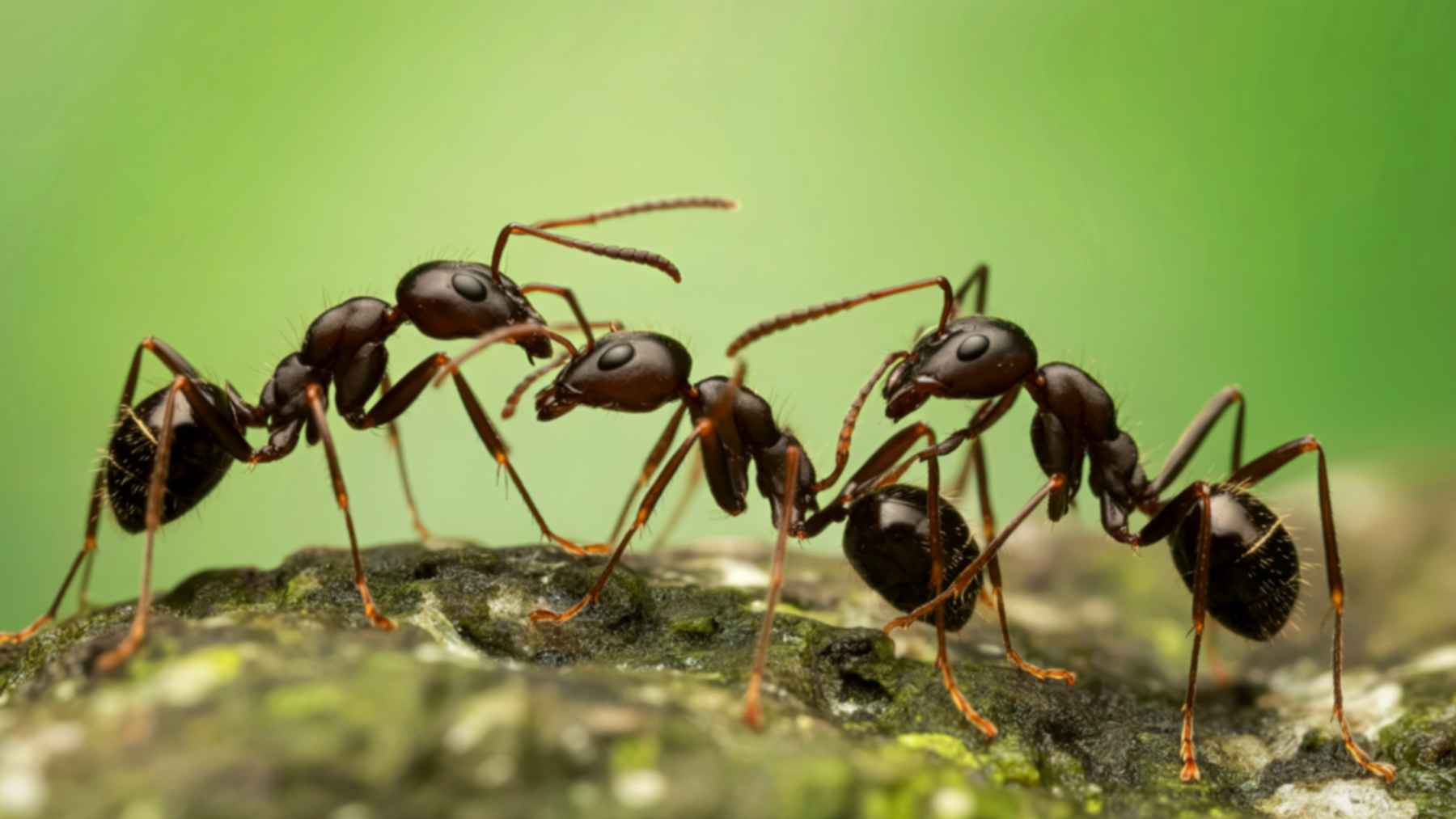
Giant African harvester ants are seed collectors. They gather grass seeds, store them underground, and drop some as they move through the landscape. That everyday messiness helps shuffle plant life across grasslands.
They also work the soil in a way any gardener would recognize. Their tunnels let air and water move, while organic material is broken down and recycled. In practical terms, that means healthier ground for plants, wildlife, livestock, and the people who depend on those systems.
Dino Martins, a Kenyan entomologist, described the ants as “the farmers of the grassland.” It is a simple image, but it captures the problem well. Take away too many of those farmers, and the field may not recover in the same way.
Invasive risk travels too
The second danger begins after the ants leave home. A pet colony inside a formicarium may look contained, but accidents happen, and living insects are hard to track once they escape. That is where the issue moves from local conservation to global biosecurity.
A 2023 open-access study of online ant sales in China recorded 58,937 ant colonies from 209 species sold by 206 sellers in 89 cities over six months. More than a quarter of the traded species were not native to China, and 24.7% of the non-native species could find suitable climates in the cities where they were sold.
The researchers warned that released pet ants could interfere with urban ecosystems, rural agriculture, and high-biodiversity habitats. Zhengyang Wang, the study’s lead author, told The Guardian that moving species out of their native habitat is “almost always a bad idea.”
A blind spot in wildlife law
For most people, wildlife trafficking still means ivory, pangolin scales, or parrots in crates. Ants do not trigger the same alarm, and that has worked in traffickers’ favor. Small does not mean harmless.
A 2025 conservation note in Oryx argued that no ant species are currently listed under CITES, despite the growing pet trade and the invasive potential of many traded species. The authors urged CITES parties to review ant species in trade, prioritize high-risk species, and consider listing all ants under Appendix II so their movement can be monitored.
At the end of the day, that would not necessarily ban every ant farm. It would make legal, traceable, and captive-bred trade easier to separate from wild harvesting, smuggling, and mislabeled shipments. That distinction matters.
What happens next?
Kenya has started drawing a harder line. The 2026 conviction of Zhang Kequn followed earlier penalties against four people in 2025, and Kenya Wildlife Service said such cases show a growing illegal trade in invertebrates driven by global demand.
Consumers have a role too. Anyone buying exotic insects should ask for proof of legal origin, captive breeding, and import compliance, not just a neat glass habitat for the shelf. A bargain queen ant may carry a hidden ecological bill.
The lesson is surprisingly simple. In a healthy ecosystem, even a queen ant can hold a kingdom together.
The official statement was published on Kenya Wildlife Service.