A grape seed recovered from a 15th-century hospital toilet in Valenciennes, northern France, has turned out to be far more than a strange archaeological leftover. DNA analysis shows the tiny seed is genetically identical to modern Pinot Noir, one of the world’s best-known wine grapes, meaning the variety was already established by the late Middle Ages.
The discovery matters because it does not just tell a wine story. It helps scientists track how people moved plants, exchanged farming knowledge, and protected favorite grapevines across almost 4,000 years. A single seed, from a place no one would expect, has become a biological time capsule.
A seed with a past
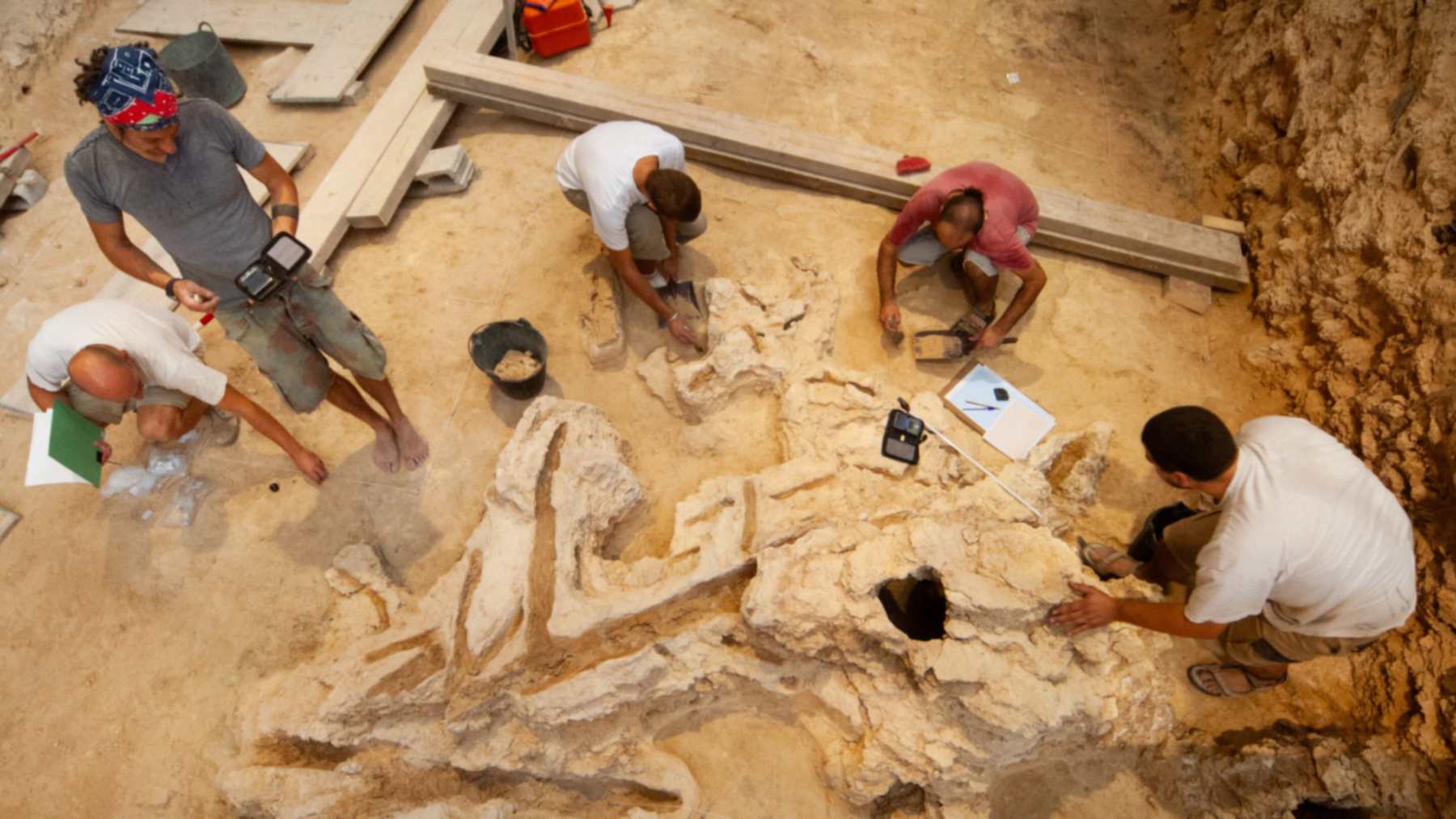
The study analyzed ancient DNA from 54 archaeological grape seeds, including 49 newly sequenced samples, mostly from France and also from Ibiza. The material spans from the Bronze Age, around 2300 to 2000 BCE, to the late Medieval period, around 1400 to 1500 CE.
That long timeline allowed researchers to watch the story of French grapevines unfold almost like a family tree. The oldest samples from the Nîmes region showed wild western European grapevine lineages, long before vineyards became part of the classic French landscape.
Then came a major shift. Clear genetic signs of domesticated grapevines appeared in southern France around 625 to 500 BCE, matching the broader archaeological picture of Mediterranean influence after the Greek founding of Massalia, modern Marseille.
France’s early wine network
What did early French viticulture look like? Not isolated, and not simple.
The Roman-era samples carried genetic links to grape varieties from Iberia, the Balkans, the Levant, and the Caucasus. In practical terms, that means Roman Gaul was not only importing wine in amphorae, but also receiving plants, farming knowledge, and probably cuttings that could be grown in new places.
The study also found repeated mixing between cultivated vines and local wild grapevines. That detail matters because it suggests ancient growers were not just copying one recipe. They were adapting vines to real soils, real weather, and the kind of everyday harvest problems farmers still understand today.
The clone that survived
One of the strongest findings involves vegetative propagation, which is a very old idea with a simple logic. Instead of planting seeds and hoping for the best, growers can take a cutting from a vine they already like and grow a near-identical plant.
That method is still central to modern viticulture because it preserves traits such as grape quality, growth habit, and reliability. The new DNA evidence shows genetically identical or closely related grapevines appearing across different sites and centuries, suggesting this practice was already widespread from at least the Iron Age.
Some ancient clones or close relatives were separated by major distances. The paper notes genetic links across regions and even between France and Ibiza, with some relationships extending more than 435 miles, a sign that cuttings and cultivars were moving through sophisticated agricultural and trade networks.
Pinot Noir in the Middle Ages
Then comes the headline discovery. A Medieval sample from Valenciennes, dated to 1400 to 1500 CE, matched modern Pinot Noir genetically. Not a cousin. Not a similar grape. The same variety, in genetic terms.
That finding gives Pinot Noir a remarkably clear bridge between the 15th century and today’s vineyards. It also shows that generations of growers preserved the vine through cuttings, almost like handing down a living heirloom from one season to the next.
There is a human twist, too. The seed was found in a toilet at a medieval hospital, and researchers explained that such places were sometimes used like trash bins. Not glamorous, perhaps, but perfect for history.
What DNA cannot tell us?
This is where the story needs a little caution. The DNA can show that the grape was Pinot Noir, but it cannot tell us exactly how people used it.
Study co-author Laurent Bouby told AFP that it is not possible to say whether the fruit was “eaten like table grapes or whether people made wine from it at the time.” That matters because a grape variety is only one part of a wine’s identity.
Climate, soil, fermentation, storage, pruning, and local habits all change the final drink. So no, the study does not let us taste a medieval bottle. But it does show that the biological foundation of one famous modern wine grape was already in place about 600 years ago.
Why this changes the story?
For the most part, wine history has been told through texts, pottery, presses, and vineyard landscapes. Ancient DNA adds something different. It lets researchers follow the plants themselves.
That changes the scale of the story. French viticulture was shaped by local wild vines, Mediterranean contacts, Roman trade, medieval farming, and careful human selection over many centuries. It was not a single invention, but a long process of borrowing, testing, and preserving.
At the end of the day, the Valenciennes seed is powerful because it is so small. It links hospital life, medieval waste, ancient farming, and a grape still poured into glasses around the world.
The study was published in Nature Communications.