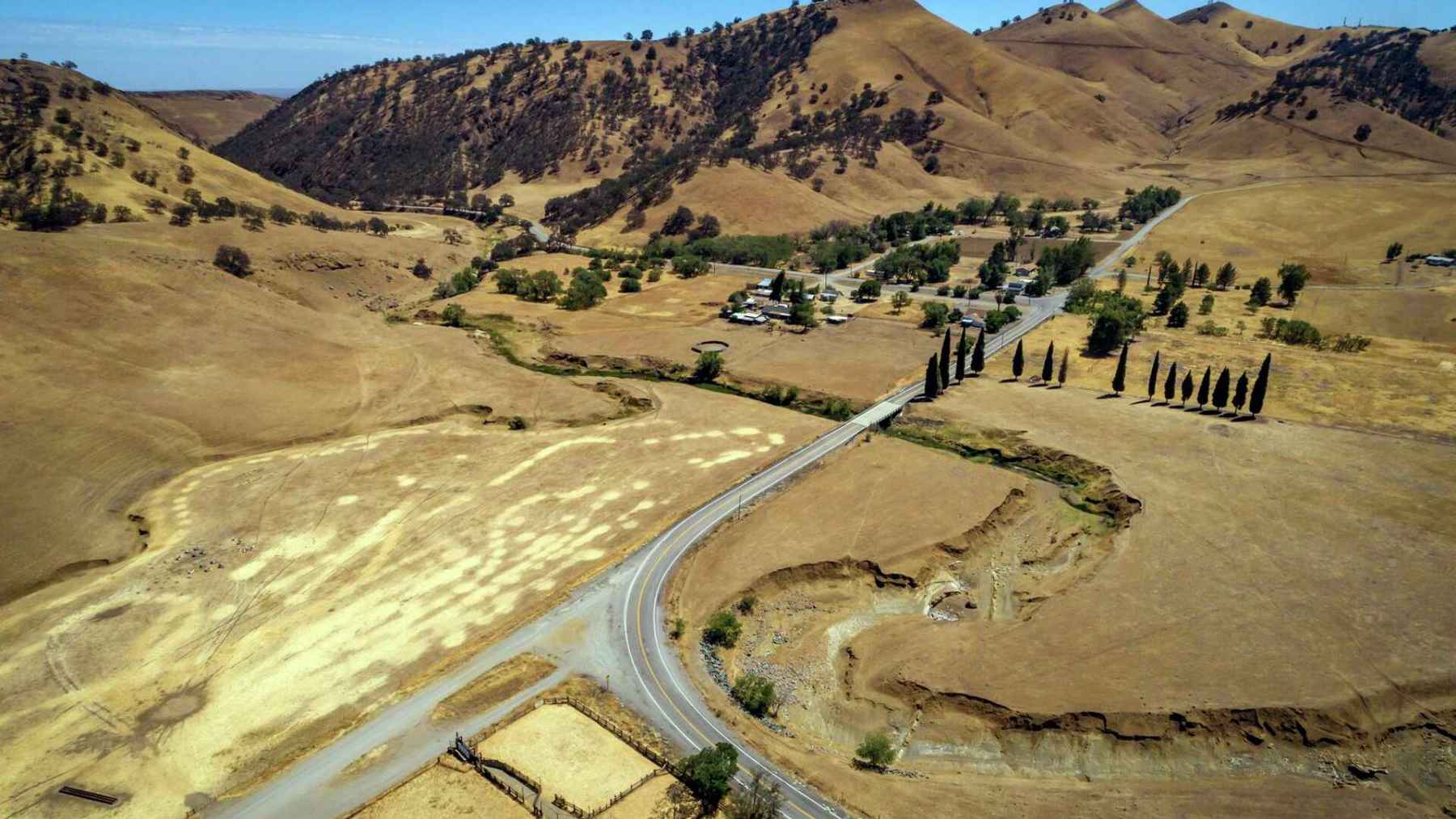
In late January 2026, the Trump administration approved the Sites Reservoir project, issuing a federal record of decision that clears the way for the state’s largest new reservoir in nearly half a century. The off-stream project would store up to 1.5 million acre feet of water to help supply 24 million people from the Bay Area to Los Angeles.
Supporters see the project as a key tool to capture storm runoff in wet years and save it for the next drought. Critics warn it is a multibillion-dollar bet that could further strain rivers, salmon runs and public budgets at a time when Californians are already watching their water bills and the changing climate with growing unease.
What Sites Reservoir would look like
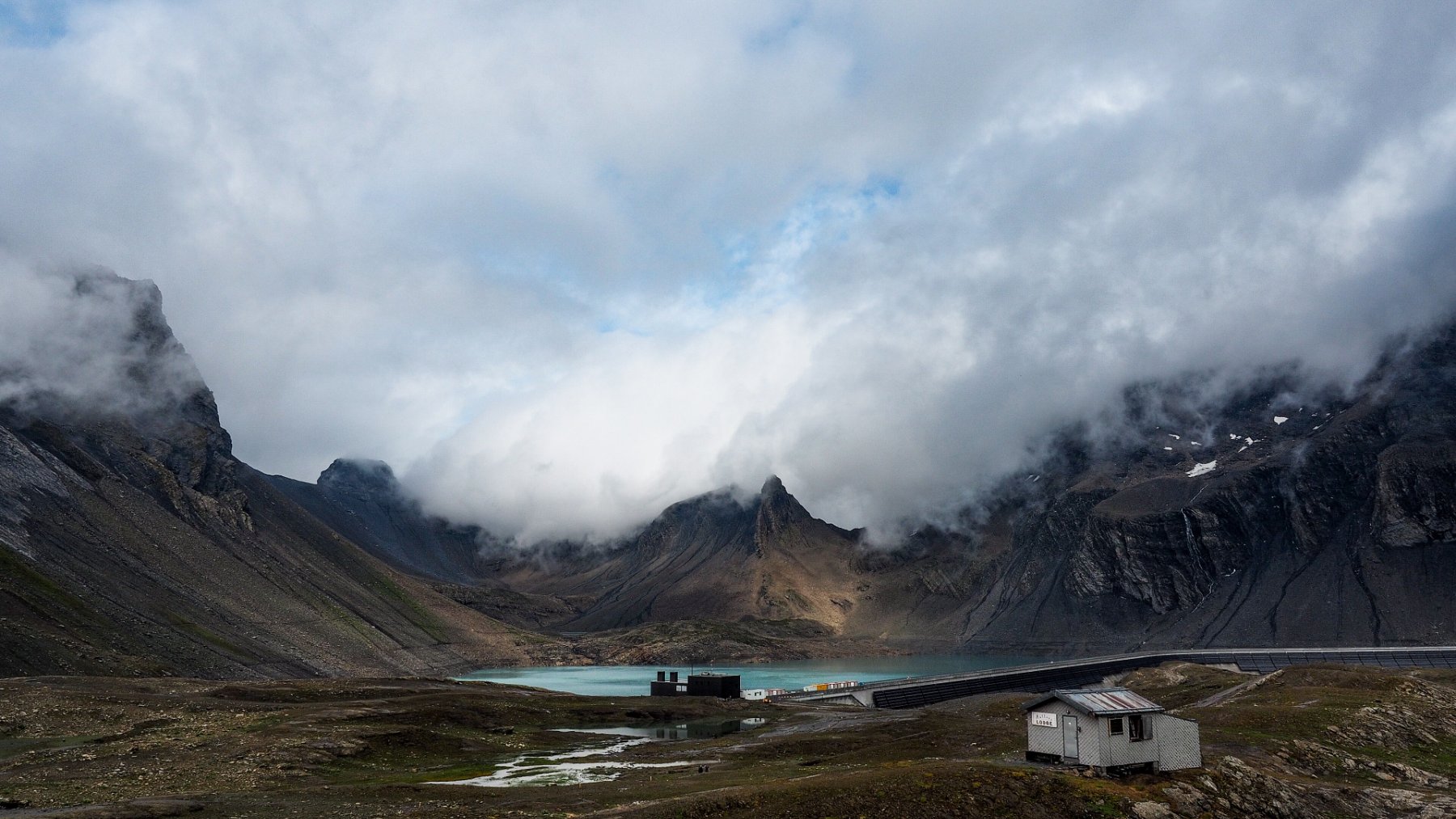
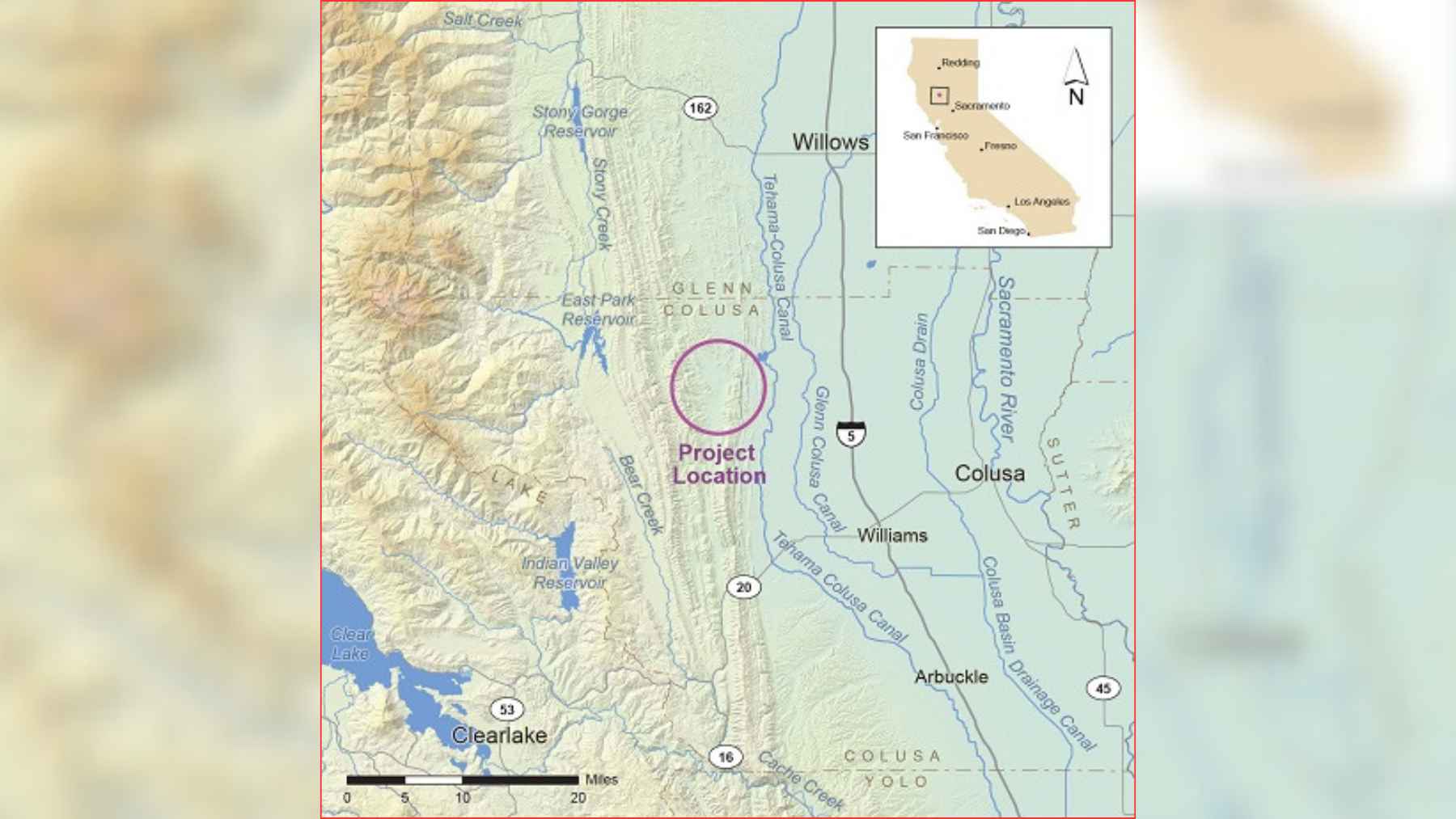
Sites Reservoir would sit in a rural valley in Colusa County, northwest of Sacramento. Plans envision an off-stream lake roughly 13 miles long that would flood about 13,000 acres behind a system of dams and saddle dikes.
Instead of blocking a river, crews would pipe high flows from the Sacramento River into the basin during big winter storms. Stored water would then be released back into the system for cities, farms and environmental uses when rivers run low.
Project planners say 1.5 million acre feet of storage would make Sites the eighth largest reservoir in California. They expect it to serve urban customers and about 200,000 hectares of Central Valley cropland.
Backers see a new tool for a thirsty state
California has endured three major droughts since 2007, bringing brown lawns and mandatory cutbacks for millions. Officials argue that adding new storage is one of the few ways to smooth out those extreme swings between flood and drought.
Andrea Travnicek, an assistant secretary at the U.S. Department of the Interior, said the record of decision reflects years of study and public review and “lays the foundation for construction through strong partnerships that will ultimately result in additional water supplies for California”. Her comment captures why water managers see Sites as a practical way to build a buffer before the next dry spell.
Jerry Brown, executive director of the Sites Project Authority, called the approval a key milestone after decades of planning. He said the analysis shows Sites can reliably capture and store water in wet winters “benefiting both people and the environment”.
Environmental groups call it a costly gamble
Opponents are not convinced that a new reservoir is the right fix. Will another big dam really solve the next drought? Environmental organizations sued in 2024 to overturn the state environmental review, arguing that diverting more water from the Sacramento River would harm already stressed fish and wildlife in the Sacramento San Joaquin Delta, although a judge allowed the project to move ahead.
Keiko Mertz, policy director at Friends of the River, described Sites as “a nearly seven-billion-dollar gamble that delivers little water at enormous cost, threatens rivers and fisheries and distracts from real solutions”. Her group and allies say California should lean harder on conservation, groundwater recharge and smaller local projects before building another massive dam.
Price tag, permits and labor fights still loom
Officials now put the cost between $6.2 billion and $6.8 billion as planners update designs and factor in construction inflation. Project leaders partly blame pandemic factory shutdowns and Trump-era tariffs for the jump, which they say will eventually show up in water rates.
Most of the money will come from 22 partner water agencies, while the state has committed about $1.1 billion in bond funding through the California Water Commission. Federal agencies have signaled support, including a $2.2 billion loan offer from the Environmental Protection Agency.
Even with the new record of decision the project still needs key water rights from the State Water Resources Control Board and must navigate a fight over who will build it. Labor unions have objected to the selection of Montana-based Barnard Construction and urged state officials to favor firms with stronger union ties.
The official press release was published on the U.S. Department of the Interior website.