One AI-focused data center, the kind with aisle after aisle of GPU-packed racks, uses roughly the electricity of 100,000 households, by the International Energy Agency’s count, and the giants going up now will take 20 times as much. Picture a city of 2 million homes plugged into one campus.
Most people never see the meter on these places. Lawrence Berkeley National Laboratory has tried to read it anyway, for the whole country, and in a report the Department of Energy released on December 20, 2024, the lab landed on 176 terawatt-hours (TWh) for 2023. About 4.4 percent of US electricity, in other words. Then-Energy Secretary Jennifer M. Granholm took it in stride: “We can meet this growth with clean energy,” she said.
Terawatt-hours are hard to feel, so try houses instead. A 2022 average US home bought 10,791 kWh, per the Energy Information Administration (EIA), and 176 TWh divided by that is the yearly use of something like 16.3 million homes. Data centers had used 58 TWh in 2014.
For 2028 the lab wouldn’t commit to one number. It gave a band of 325 to 580 TWh, which means 6.7 to 12 percent of the nation’s power, or the equivalent of 30.1 million homes at the bottom and 53.7 million at the top.
What’s actually drawing the power
Mostly servers. In a modern data center they account for around 60 percent of the load, the IEA estimates, with storage and networking at about 5 percent apiece. Cooling is the messy part. A slick hyperscale site might spend about 7 percent of its electricity on it, while a less efficient enterprise center can blow past 30.
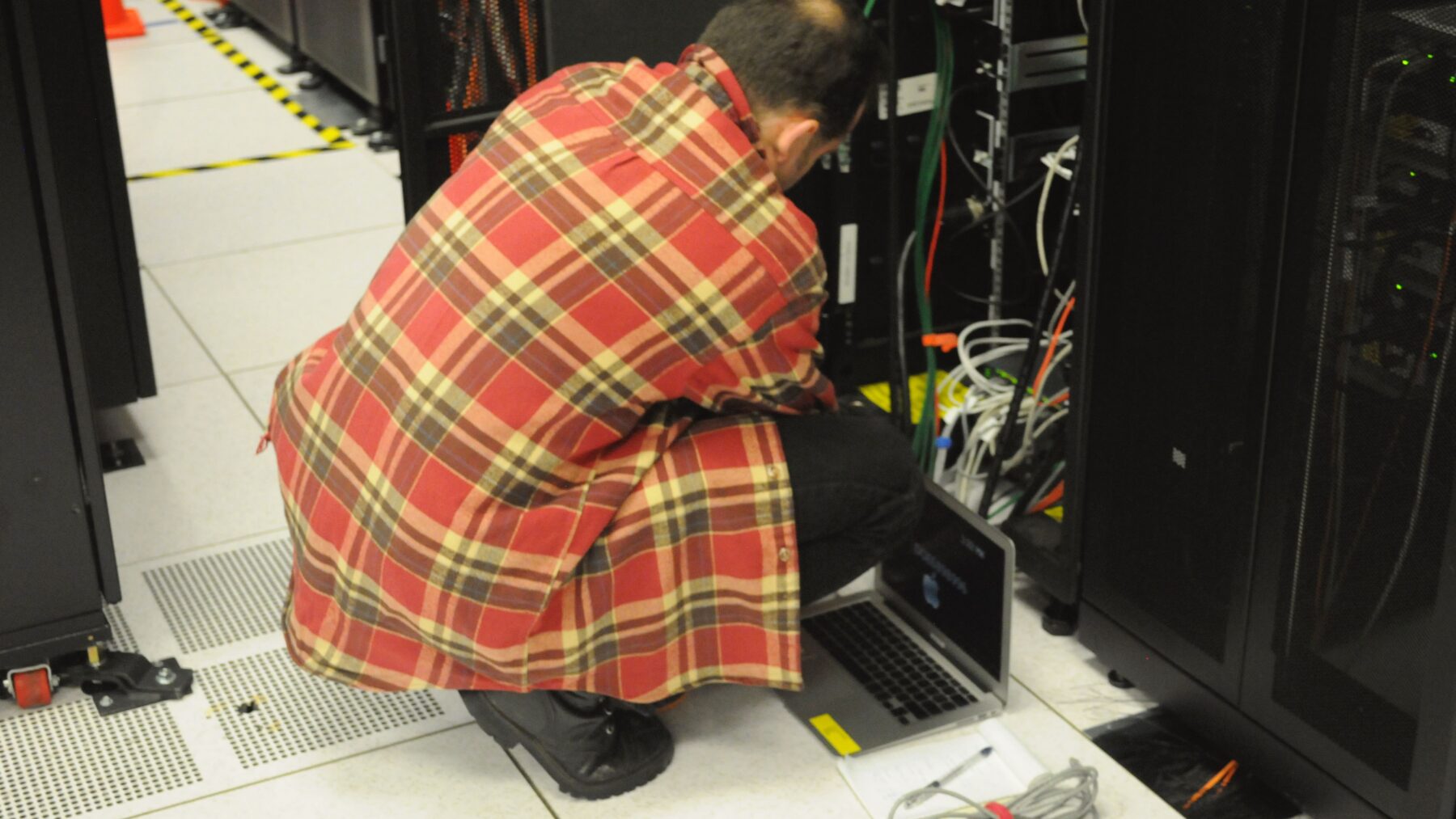
GPUs are why the AI version runs hotter on the bill. The IEA’s base case has electricity for these accelerated servers rising 30 percent a year; conventional machines, 9 percent. Its executive summary says the US already accounted for 45 percent of all data center electricity on the planet in 2024 (China had 25 percent, Europe 15), and that by 2030 American data centers will be outconsuming the country’s aluminum, steel, cement and chemical makers put together.
The agency doesn’t pretend to be sure. “There is substantial uncertainty both about data centre consumption today and in the future,” its authors wrote.
Virginia got there first
Averages flatter the problem. Nearly half of US data center capacity is crammed into five regional clusters, according to the IEA, and Dominion Energy’s zone in Virginia holds the biggest pile of data centers anywhere on Earth, the EIA says, thanks to fiber optic connectivity, land and existing power infrastructure.
You can see it in the sales ledger. Between 2019 and 2025, Virginia’s commercial electricity sales grew by nearly 30.0 million megawatt-hours, the EIA reported in a 2026 analysis. Only Texas, “a much larger state,” added more. That’s about 2.8 million homes’ worth. EVs and building electrification helped, though data centers led. Dominion’s summer peak hit 23,905 megawatts in 2025 (up 23 percent from 2019), and the 2025-26 winter peak of 25,413 megawatts was 45 percent above 2019-20. Of the zone’s 50 heaviest hours since 2019, 47 fell in 2024 or 2025.
PJM Interconnection, which runs the regional grid Dominion belongs to across 13 states and Washington, D.C., put out its 2026 load forecast on January 14, 2026. In it, summer peak demand grows 3.6 percent a year over the next decade. The 2021 edition had forecast 0.3 percent. It sees roughly 222,000 megawatts of peak by 2036, on a system with about 182,000 megawatts of generation today.
That’s after PJM shaved its near-term outlook, too, by checking utilities’ data center requests harder and marking down the ones without firm commitments. Jason Connell, PJM’s vice president of planning, said the growth rate “remains higher than anything we have seen in recent decades.”
Utilities are reaching for demand response and batteries, and squeezing more out of sites with spare grid connections, the EIA said. The DOE’s pitch is for data centers to carry their own generation and storage so they’re “a grid asset rather than a burden.” PJM states have floated a review step for state regulators and financial security from big customers, and FERC gave six grid operators 60 days to spell out how they connect AI loads without lifting household bills.
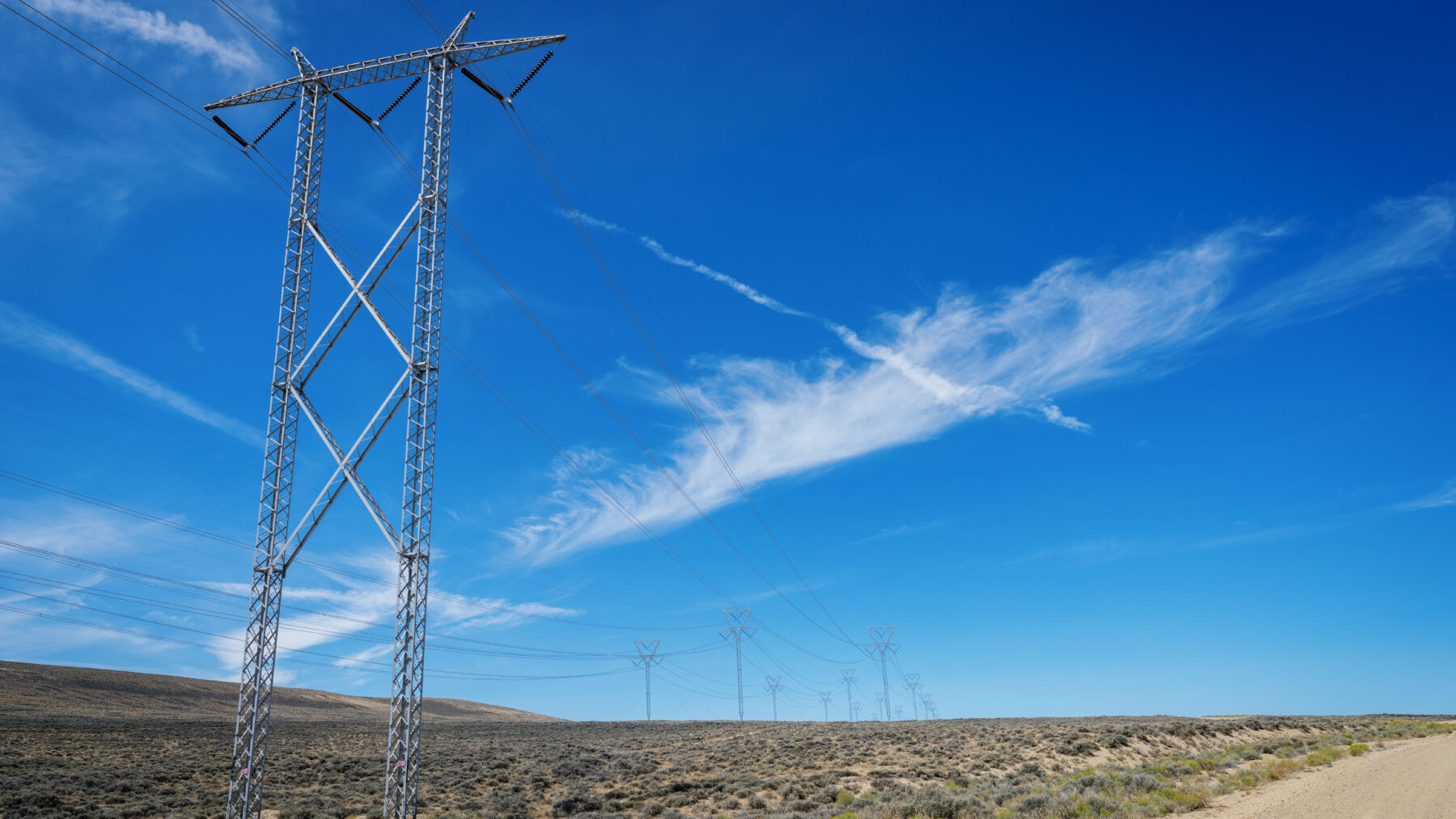
None of it is fast. A new transmission line takes four to eight years in a wealthy country, the IEA says, and about 20 percent of planned data center projects could be held up waiting on the grid.