Australia is preparing to send its icebreaker back to Macquarie Island in March 2027 to remove fuel from its empty research station. The station went into hibernation in October over the risks of a possible H5 bird flu outbreak. The concern was the wellbeing of staff living beside a possible mass die-off of animals.
The Australian Antarctic Division set out the plan in an announcement on November 16. The October window was too short to take the fuel off the island. It has been sitting in the station’s bulk fuel farm ever since.
185,000 liters to pump out
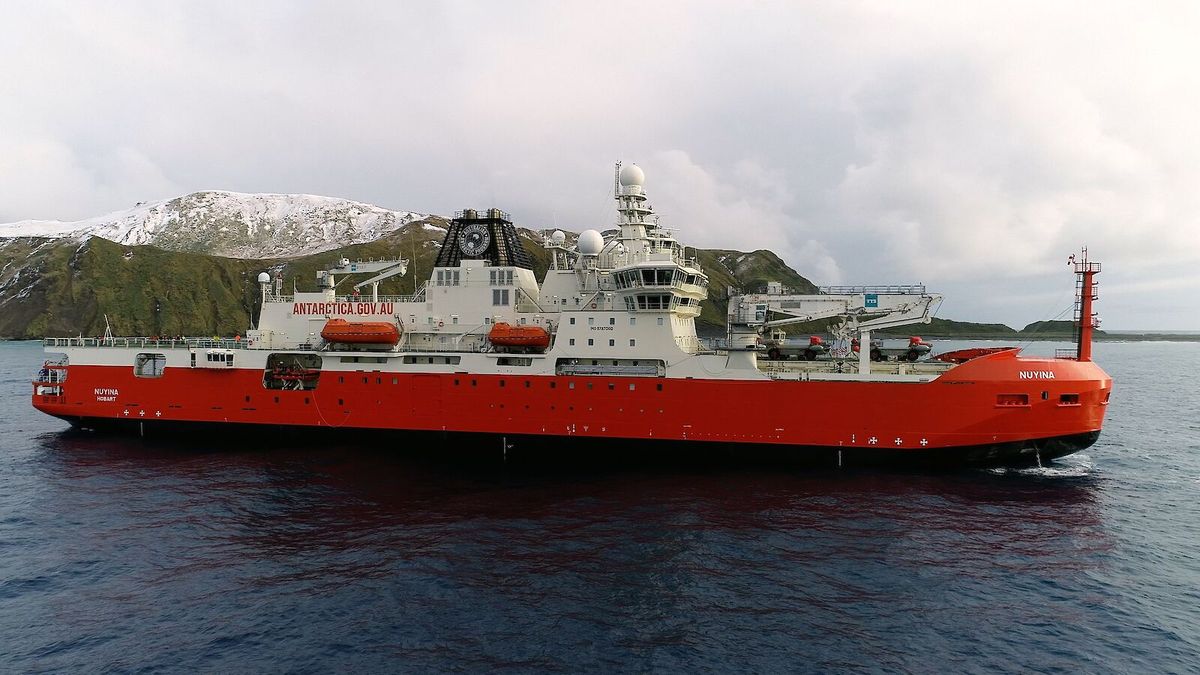
About 185,000 liters (roughly 49,000 gallons) of Special Antarctic Blend diesel will be pumped back into the RSV Nuyina. The ship is Australia’s icebreaker and scientific research vessel, and it will carry the fuel home to Australia.
Nuyina will stop at Macquarie on the way back from a planned resupply voyage to Mawson research station in Antarctica. According to the division, planning for that stop is now underway.
Station Leader Brett Barlee was clear about the priority. “We’ve identified that the fuel is an environmental risk and it’s our top priority to remove it from the island,” he said.
Barlee said it is not yet clear how long the pumping will take. “We can’t be certain how long that will take, but we’ll stay there until it’s done,” Barlee added.
Diesel in the far south
Nuyina was also the ship given the job of emptying the station. Under the August plan, the ship was to collect the station’s staff and essential cargo in late September or early October, and the expeditioners were withdrawn in October.
Antarctic stations have long relied on diesel generators, which can run in any weather from stored fuel. Some are now trying to burn less of it: on Ross Island, three wind turbines on Ross Island cut diesel use at two research bases by about 463,000 liters a year.
Why the station was emptied
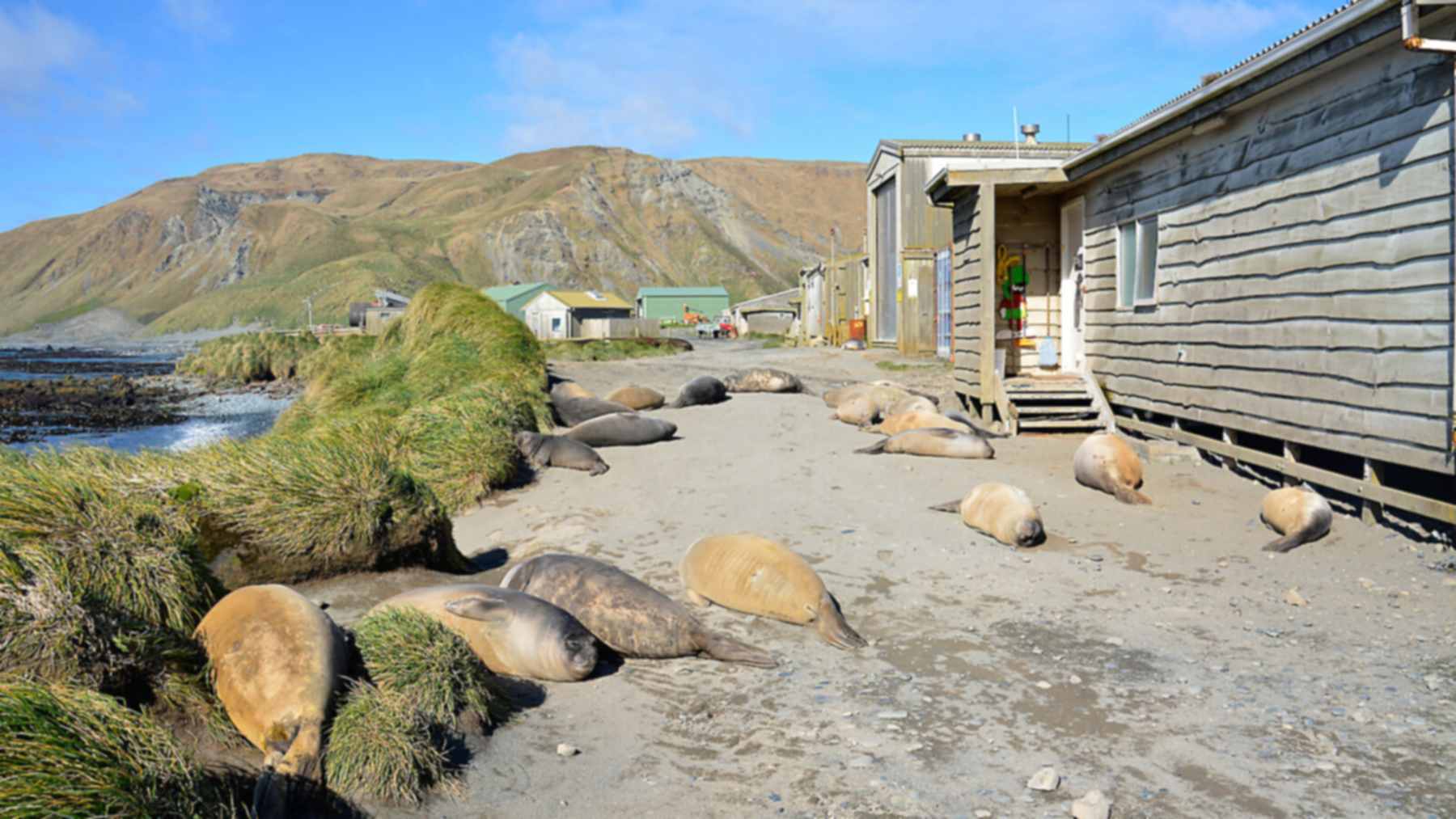
Macquarie Island lies in the Southern Ocean, about 1,500 kilometers (930 miles) southeast of Tasmania. When the withdrawal was announced, 24 tradespeople, scientists and support staff lived at the station.
In an August 28 statement, Australia’s environment department explained its reasoning. Thousands of elephant seals are born close to the station buildings every spring.
As of August 28, H5 bird flu had not been detected on the island. Even so, expert assessments predicted a high chance of a significant mortality event in the coming breeding season, the department said.
Elephant seals have proved particularly vulnerable to the virus. In some areas of Australia’s sub-Antarctic Heard Island and McDonald Islands, more than 90 percent of pups died.
The withdrawal also affected the science carried out at the station. The division said it was working to limit the impact on Australia’s international monitoring obligations, wildlife monitoring and infrastructure.
A risk to wellbeing, not health
The department stressed that the risk of H5 bird flu to humans is considered low. Its concern was the mental strain of living beside potentially large numbers of sick and dying animals.
“Our first priority is the health and safety of our expeditioners,” Deputy Secretary Sean Sullivan said in August. He called the move unusual, but the most appropriate one given the risks and operational realities.
Sullivan also pointed to how isolated the station already is. “Our expeditioners already live and work in one of the world’s most remote and challenging environments,” he said, adding that any extra risks to their wellbeing had to be kept to a minimum.
Few direct actions can reduce the impact of the virus on native species, according to the department. Because the island is so remote and harsh, no active wildlife control was planned at that stage. Its colonies include the eastern gentoo penguin, one of four gentoo species identified in a recent genetic study.
Cameras watching an empty station
Before the expeditioners left, the division installed remote systems to keep watch on wildlife and buildings, including the fuel farm. They include pan-tilt-zoom and fixed cameras, weather equipment and satellite links.
The island’s wildlife lives in a largely undisturbed state, according to the department. It is free of most of the invasive species that threaten native wildlife on mainland Australia.
The island may also be better placed to recover than many places. Earlier campaigns removed rabbits, rats and mice, and the department says that boosted the resilience of its seals.
Sullivan said in August that Australia remains committed to a long-term presence on Macquarie and is exploring ways to return expeditioners in coming seasons. Leaving fuel and buildings behind can raise questions for decades, as the case of Belgium’s Antarctic base, abandoned under snow in 1967, shows.
Photo: Barend Becker / Australian Antarctic Division