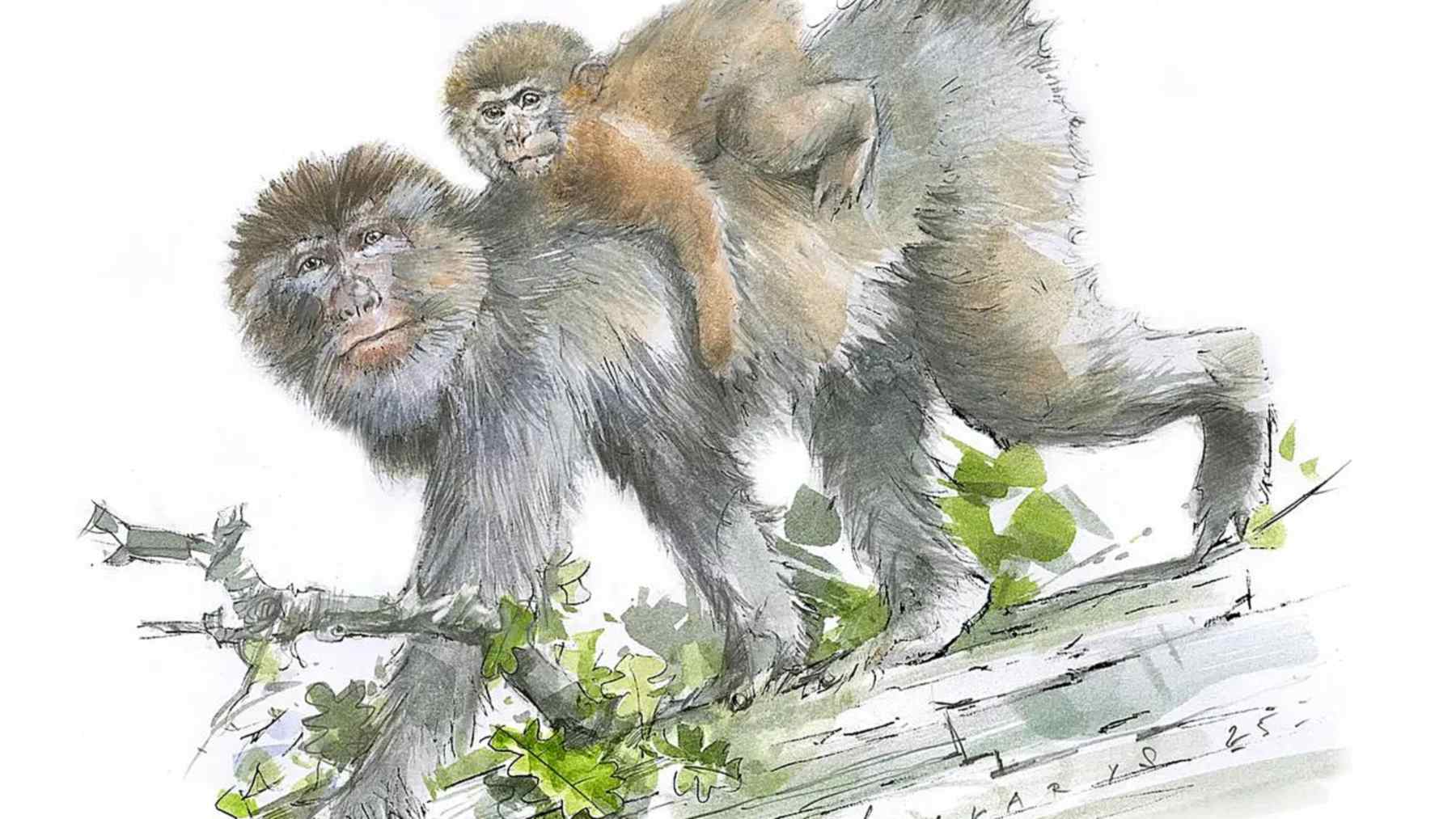
A macaque tooth less than 0.4 inch (1 centimeter) long shows that a young monkey lived near Schöningen, in northern Germany, more than 300,000 years ago. The study appeared in September 2026 in Quaternary Environments and Humans.
Announcing the work, the Senckenberg research organization called the find the “northernmost evidence of this primate species in continental Europe.” Schöningen lies about 1,120 miles (1,800 kilometers) north of the range these monkeys occupy now.
A baby molar from 2004
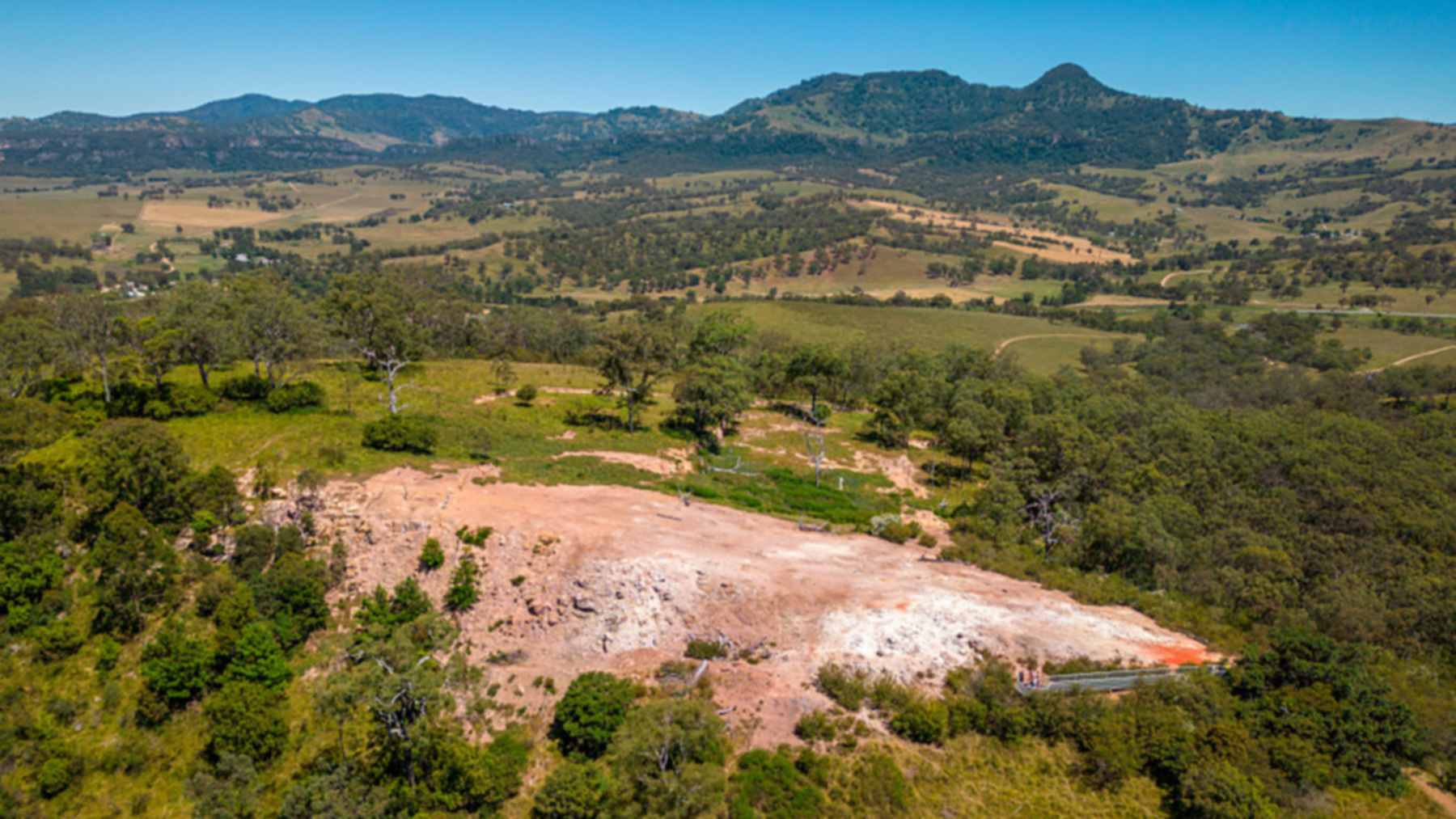
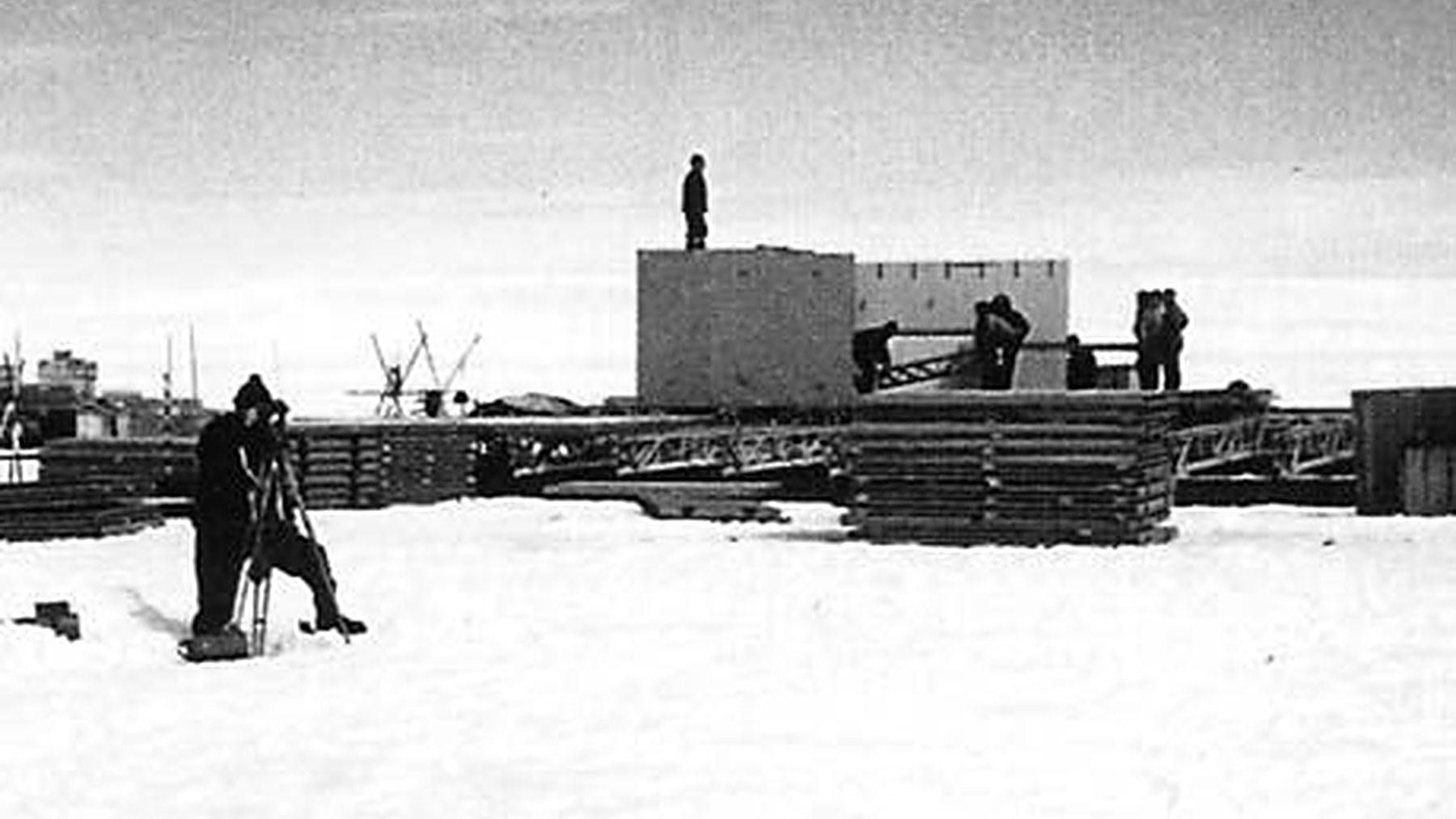
Excavators recovered the tooth during the 2004 digging season from lakeshore sediments in Lower Saxony. The same site produced the famous Schöningen wooden spears.
Thijs van Kolfschoten of Leiden University led the analysis, published 22 years after the dig. His coauthors were Jordi Serangeli, the excavation director at Schöningen, and Ivo Verheijen of the paläon research museum.
“The tooth is almost completely preserved and less than one centimeter long,” van Kolfschoten said in the Senckenberg release. The museum in Schöningen identifies it as an upper front baby molar. Its owner was about a year old.
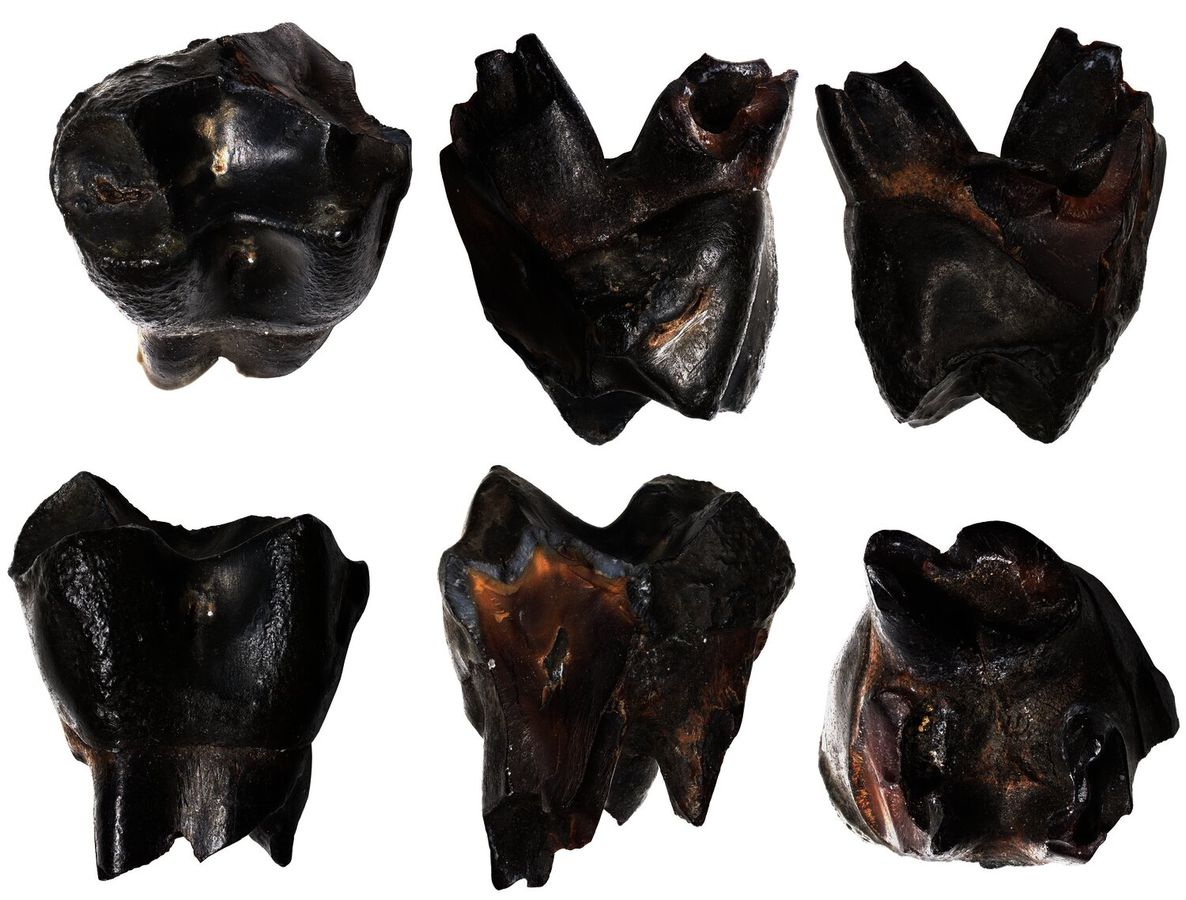
Careful wording surrounds the species, which the team labeled Macaca cf. sylvanus. Taxonomists add that abbreviation when a fossil closely resembles a named species but cannot be firmly assigned to it.
From the Atlas to Lower Saxony
Among living macaques, only the Barbary macaque is native to North Africa. Every other species lives in Asia.
Around 8,000 survive in the wild, mostly in the mountain forests of Algeria and Morocco. People brought the ancestors of the small colony on Gibraltar.
During the Pleistocene, the epoch of repeated ice ages, these monkeys ranged across southern and central Europe. Their fossils come from Spain, Italy, Greece, Germany and England, part of a primate fossil record spread over several continents.
Those English remains explain why the claim stops at the continent. Van Kolfschoten places the tooth among the northernmost macaque remains from the Middle Pleistocene, wording that leaves room for the British finds.
Serangeli argues that the refuges in the Atlas and Rif mountains of Morocco and in northern Algeria show where habitat remains, and not where the species naturally belongs. Thanks partly to the Schöningen find, he says, its former range is known to have been many times larger.
Birch, pine and harder winters
Finding a monkey this far north does not mean Germany was tropical. About 310,000 years ago, Serangeli said, the lakeshore was “open woodland with stands of birch and pine.”
Average summer temperatures were roughly what the region has today, according to the researchers. Winters ran at least 1.8 degrees Fahrenheit (1 degree Celsius) colder, which points to a more continental climate.
Living animals make those conditions easier to picture. In the high mountains of central Morocco, Barbary macaques get through January lows of about 8 degrees below zero Fahrenheit (minus 22 degrees Celsius). The University of Tübingen notes that they often huddle to limit heat loss.
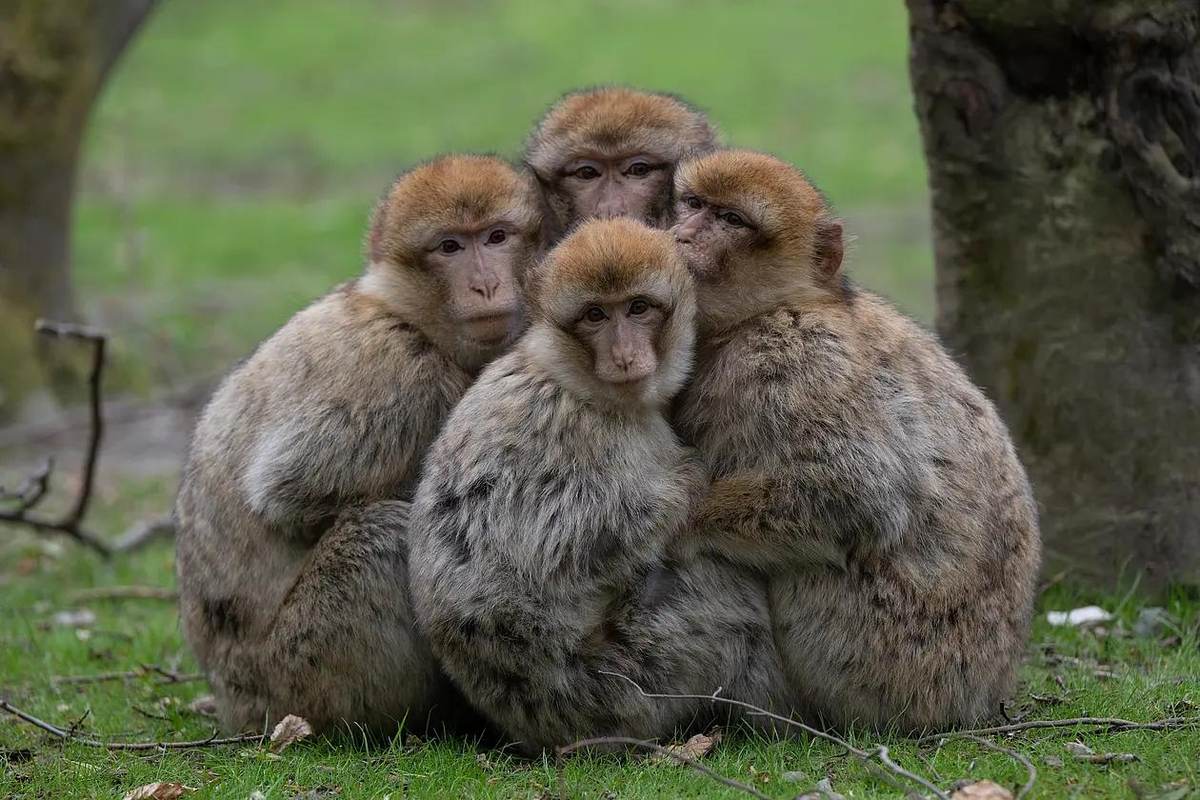
Modern macaques eat mostly flowers, fruit, seeds, seedlings and leaves, with some snails, insects and eggs. They spend most of the day on the ground and climb into trees when danger appears.
Pushed out of Europe
According to van Kolfschoten, northern Germany was probably close to the limit of the territory these animals could use. Their European range later shrank sharply, and they vanished from the continent during the last ice age.
His explanation names climate change, lost habitat and, probably, growing pressure from early humans. This tooth does not test that list, and it cannot show whether people at Schöningen ever met these monkeys.
About 8,000 left in the wild
Senckenberg describes the Barbary macaque as critically endangered, a stronger label than the international one. A 2025 paper on the species in Algeria says the International Union for Conservation of Nature classifies it as Endangered.
Habitat loss heads the list of threats. “The Barbary macaques’ natural habitat is continuously shrinking,” Serangeli said, adding that young animals are captured and sold as pets, while other rare primates also cling to broken-up forest.
Serangeli closed with an appeal. “We must save these fascinating animals, which were once part of Europe’s biodiversity, from ultimately becoming extinct,” he said.
How many lived there stays open
From one baby tooth, nobody can tell how many macaques lived around the lake or how long they stayed. It also says nothing about how this youngster’s life ended.
The announcements date the animal to more than 300,000 years ago and the landscape to about 310,000. Neither one explains how those dates were reached.
Enlarged prints at the paläon
Since September 30, 2026, visitors to the paläon research museum in Schöningen can see the original tooth beside enlarged 3D prints. Skulls and teeth from five modern macaque species sit alongside it for comparison.
The full study was published in Quaternary Environments and Humans.
For the museum, the fossil stands for both the richness of Europe’s past wildlife and the disappearance of species since then.
Image: Benoît Clarys