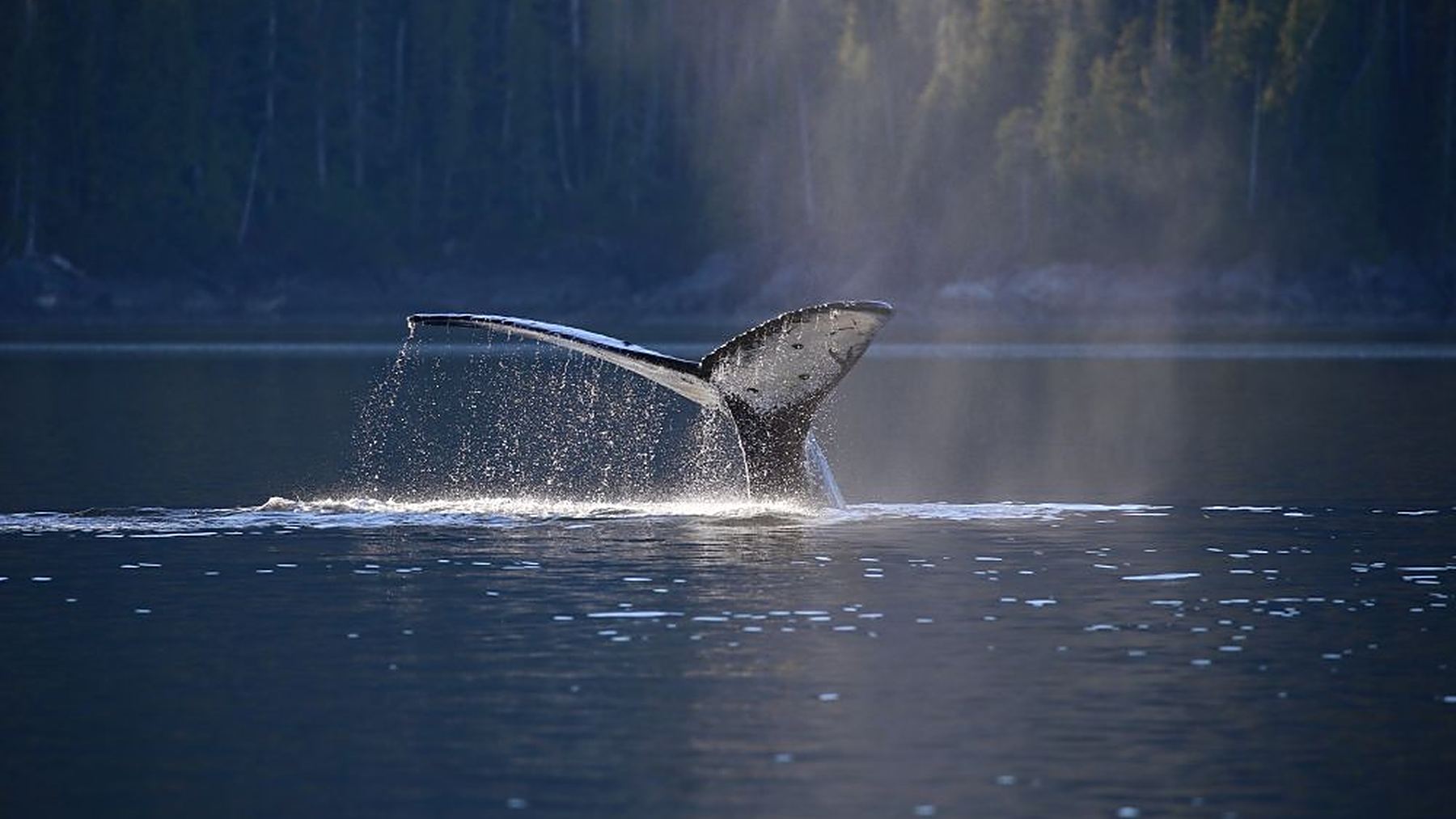
A team from the University of St Andrews in Scotland has read whole humpback genomes from whale snot collected by a small drone. The samples were gathered off British Columbia, in Canada, with no darts, no biopsies and no close boat approaches.
The study was published on November 17, 2026, in the journal Molecular Ecology Resources. The University of St Andrews announced the work as a world first.
Why biopsies are a problem
Genetic data are critical for whale conservation, according to the university. They let researchers measure genetic diversity and inbreeding, identify individual animals, determine sex and estimate how large a population effectively is.
Until now, however, a whole whale genome needed a biopsy, a stranded animal or a historical specimen. A biopsy is a small piece of skin and blubber taken with a dart, usually from a boat that has moved in close.
Those close approaches can disturb the animals, according to the university. In some places and for some species, biopsies are not allowed or simply not possible.
A drone with petri dishes
Instead, researchers attached sterile petri dishes to a small, commercially available drone and flew it through the breath of one humpback at a time.
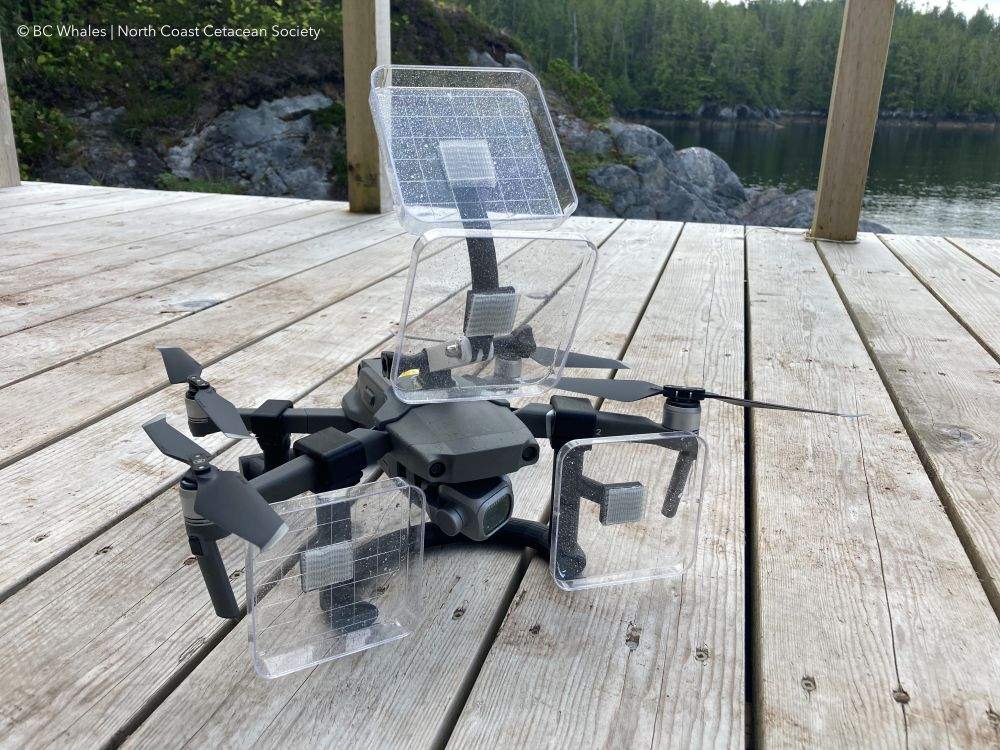
Each pass typically caught between one and six exhalations as the whale surfaced. That left the drone and the dishes coated in what is essentially whale snot.
The team collected 58 blow samples from 26 individual humpbacks. Remarkably, about 84 percent of the DNA in that blow came from the whale itself, according to the release.
More than a third of the samples were collected by flying the drone straight from land. In those cases, no boat was involved at all.
Matching genomes, breath by breath
The researchers checked their results in several ways. Repeat samples from the same whales, taken in different encounters over two years, produced matching genomes.
Genomes from blow also matched biopsy genomes from the same animals. Genetic diversity estimated from blow was very similar to the figures that traditional biopsies give.
From the DNA, the team produced low-coverage nuclear genomes, which are inherited from both parents. It also produced high-coverage mitochondrial genomes, which come from the mother only. Blow from whales swimming in groups showed no sign of contamination from their neighbours.
The analysis correctly identified the sex of every whale sampled. It also turned up three mitochondrial DNA variants that had not been described before.
North Pacific humpbacks came out genetically distinct from North Atlantic ones, as expected. That confirms the blow data behave like conventional genetic data, the university says.
Family or long-term friends?
Before this study, only one whole genome of a North Pacific humpback was publicly available. The new work provides a population-level dataset for these whales, and the population shows little evidence of recent inbreeding.
The small share of the genome found in long stretches of identical DNA is more likely a trace of distant shared ancestry or past population crashes, the researchers say. It does not point to recent inbreeding.
Lead researcher Dr Éadin O’Mahony, then based at the Scottish Oceans Institute at St Andrews, explained the next step. “We will use these blow-derived genomes to not only assess population structure and health, but also assess kinship and family ties among humpback whales foraging in northern British Columbia,” she said.
“The aim is to understand how their social bonds form: are the whales that forage together family, or long-term friends?” O’Mahony added.
About 16 percent of the DNA in each sample came largely from microbes living in the whale’s airways. A single breath could therefore reveal both the whale and its respiratory microbiome, which the team sees as a potential window into health.
Strict rules around the flights
The team targeted the most upwind whale in a group so that DNA from different animals would not mix. Resting whales were never sampled, and flights stopped if a whale reacted in any way.
The work took place in Gitga’at First Nation territory, in the Kitimat Fjord System of northern British Columbia. It ran under research agreements between the Gitga’at First Nation and the North Coast Cetacean Society. The drone flights had a research permit from Fisheries and Oceans Canada, and the university’s animal welfare and ethics board approved the work.
Canada’s whale-watching rules normally keep boats at least 100 metres (about 330 feet) from most whales. ECONEWS has also covered a humpback mother who stayed beside her stillborn calf off Australia, how big a sperm whale’s gulp really is and chinstrap penguin colonies on a remote volcanic island.
Photo: © BC Whales / North Coast Cetacean Society, via University of St Andrews